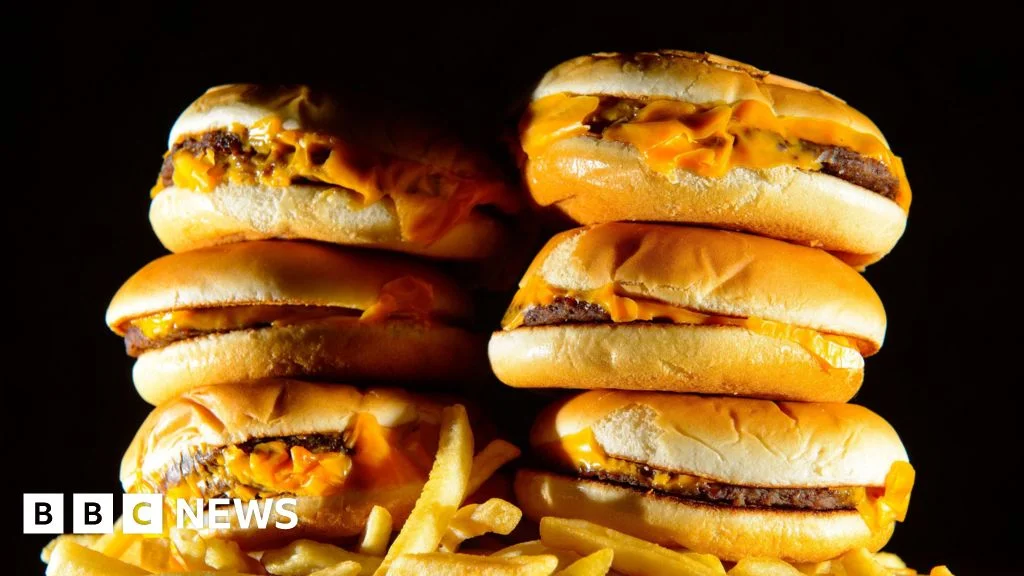
A UK-wide ban on advertising high-fat, salt, and sugar (HFSS) foods on TV before 21:00 and online is set to take effect, aiming to reduce childhood obesity by limiting exposure to unhealthy food marketing. The ban covers products like soft drinks, sweets, pizzas, and some cereals, with exceptions for healthier options. Food manufacturers are encouraged to develop healthier products, and the government expects this measure to prevent around 20,000 cases of childhood obesity annually.
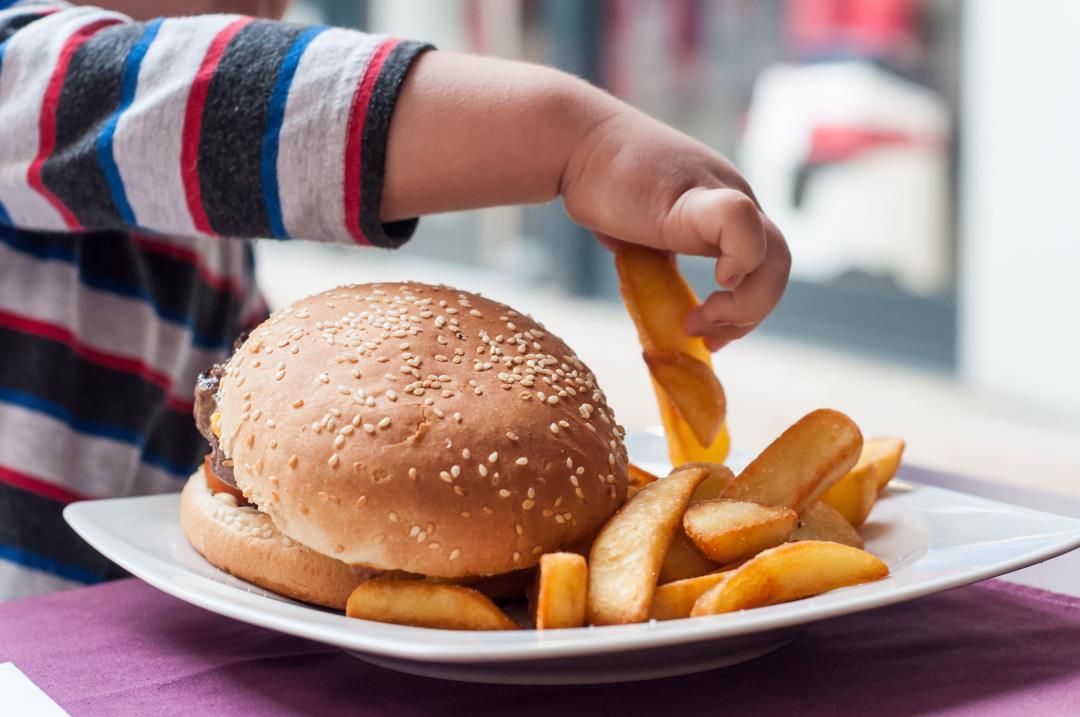
A Chennai-based nutritionist emphasizes the importance of incorporating nutrient-rich foods like spinach, beans, seeds, lean meats, and whole grains into the diets of obese children to help reduce weight, alongside promoting physical activity. The article highlights the rising concern of childhood obesity globally and in India, and provides dietary recommendations to manage and prevent obesity in children.
A Vietnamese study found that men who were obese as children tend to have shorter penises as adults, highlighting the potential long-term effects of childhood obesity on penile development, though adult obesity was linked more to appearance than size.
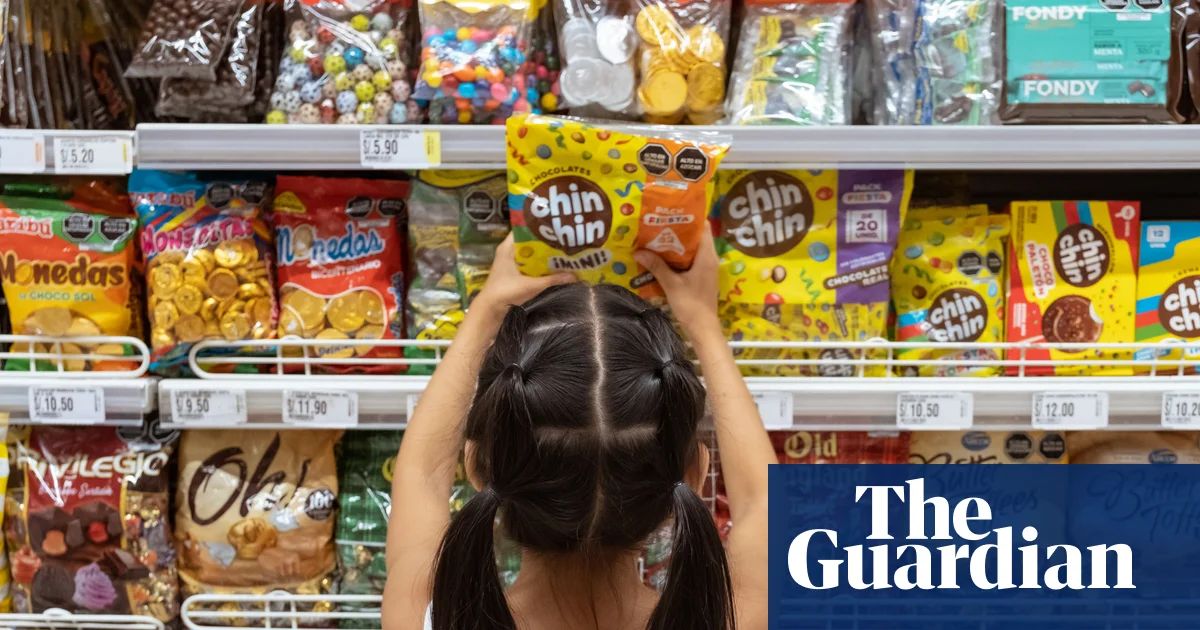
South Africa is battling a rise in childhood obesity driven by unhealthy diets and aggressive marketing of junk food. Schools like Kairos are promoting healthy, mainly vegetarian meals and parental awareness, while UNICEF urges stricter regulations on fast food advertising to children. Despite government efforts such as higher taxes on sugary drinks, obesity rates continue to climb, highlighting the need for improved access to nutritious foods and comprehensive policies to protect children's health.
A UNICEF report reveals that for the first time, more school-aged children are obese than severely undernourished, with one-fifth of children aged 5-19 overweight and half of them obese, highlighting a concerning global health trend.
For the first time, more children worldwide are obese than underweight, driven by increased consumption of ultra-processed junk food, with significant health and economic implications, prompting calls for stronger government regulation and healthier food environments.
The article discusses concerns about American children's diets, highlighting issues like childhood obesity and ultra-processed foods, while also addressing misinformation and the need for balanced approaches to children's nutrition beyond restrictive dieting and food label obsession.
President Trump signed an executive order to revive the Presidential Fitness Test, a historic set of physical exercises for students, aiming to combat declining fitness levels among American children and promote lifelong healthy habits, though details of the new version are yet to be announced.
President Donald Trump is reinstating the Presidential Fitness Test through an executive order, aiming to combat childhood obesity and promote active lifestyles among young Americans, with the new criteria to be developed by the President’s Council on Sports, Fitness, and Nutrition.
Recent trends show that children's breakfast cereals have increased in sugar and fat content over the past decade, with many products prioritizing taste over nutrition, which may contribute to childhood obesity and health issues. Experts suggest reformulating cereals to include more fiber and protein, improving labeling transparency, and encouraging healthier breakfast choices to combat these concerns.
The UK Government has announced a ban on advertising certain 'unhealthy' foods on TV before 9pm, starting in October next year, to combat childhood obesity and excessive sugar consumption. The ban includes soft drinks, breakfast pastries, certain cereals, ice cream, cakes, confectionery, biscuits, savory snacks, desserts, processed potatoes, ready meals, sweetened yogurts, and pizza. The initiative aims to prevent health issues in children and reduce NHS costs by promoting healthier choices.
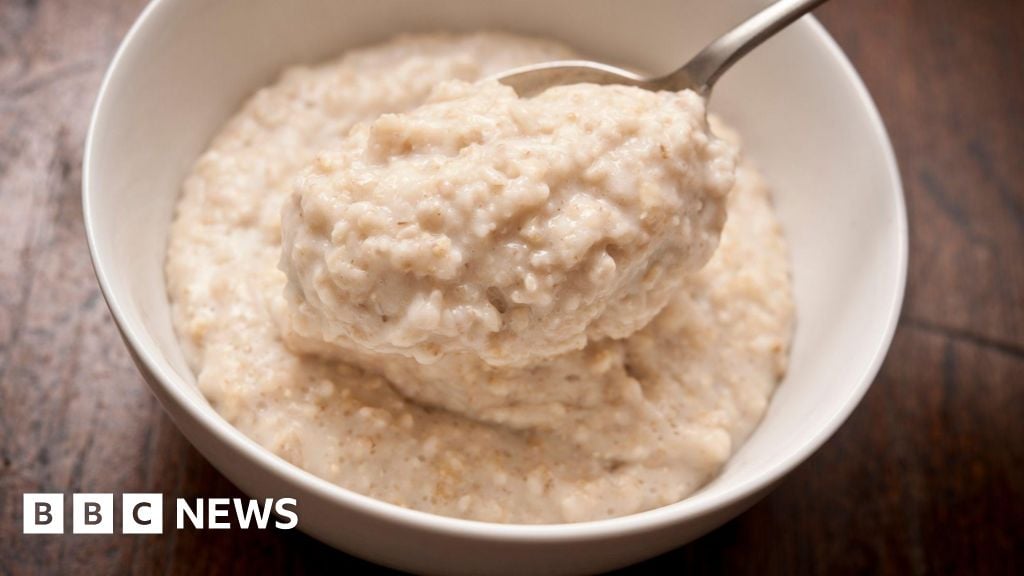
The UK government plans to implement a new advertising ban on certain 'junk food' products, including sugary porridge, crumpets, and breakfast cereals, to combat rising childhood obesity rates. The ban, effective from October 2025, will restrict TV and online ads for foods high in sugar, fat, or salt before 9 PM. While some, like cook Thomasina Miers, support the move as a bold step towards healthier diets, others criticize it for potentially impacting businesses and question its effectiveness. The legislation aims to reduce calorie intake among children and shift healthcare focus from treatment to prevention.
Girls are experiencing puberty at increasingly younger ages, with significant physical and psychological consequences. Factors contributing to this trend include rising childhood obesity, poor diet, stress, and exposure to endocrine-disrupting chemicals. Early puberty can lead to health issues like shorter adult height, higher risks of breast cancer, obesity, and mental health challenges. Parents and healthcare providers need to address these changes proactively to support affected girls.
The US Preventive Services Task Force recommends intensive counseling for children and teens with high BMI to combat obesity, but critics argue the guidelines are impractical and lack new approaches, such as medication or surgery.
A new study reveals that younger generations are starting menstruation earlier and taking longer to achieve regular cycles, potentially leading to health issues like cardiovascular disease and cancer. The trend is more pronounced in racial and ethnic minorities and those of lower socioeconomic status. Factors such as childhood obesity and environmental influences may contribute to these changes, highlighting the need for further research and early medical intervention.