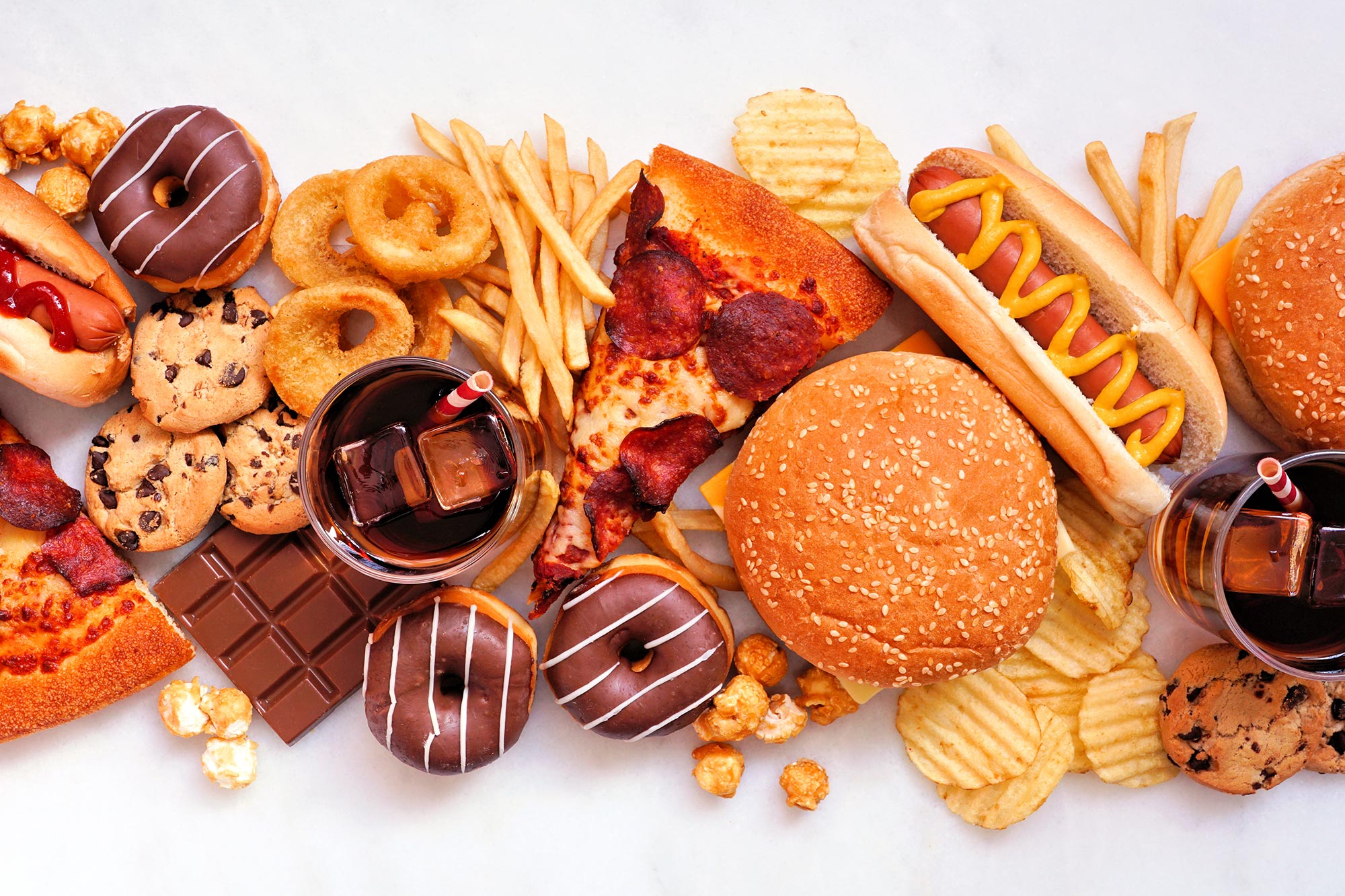
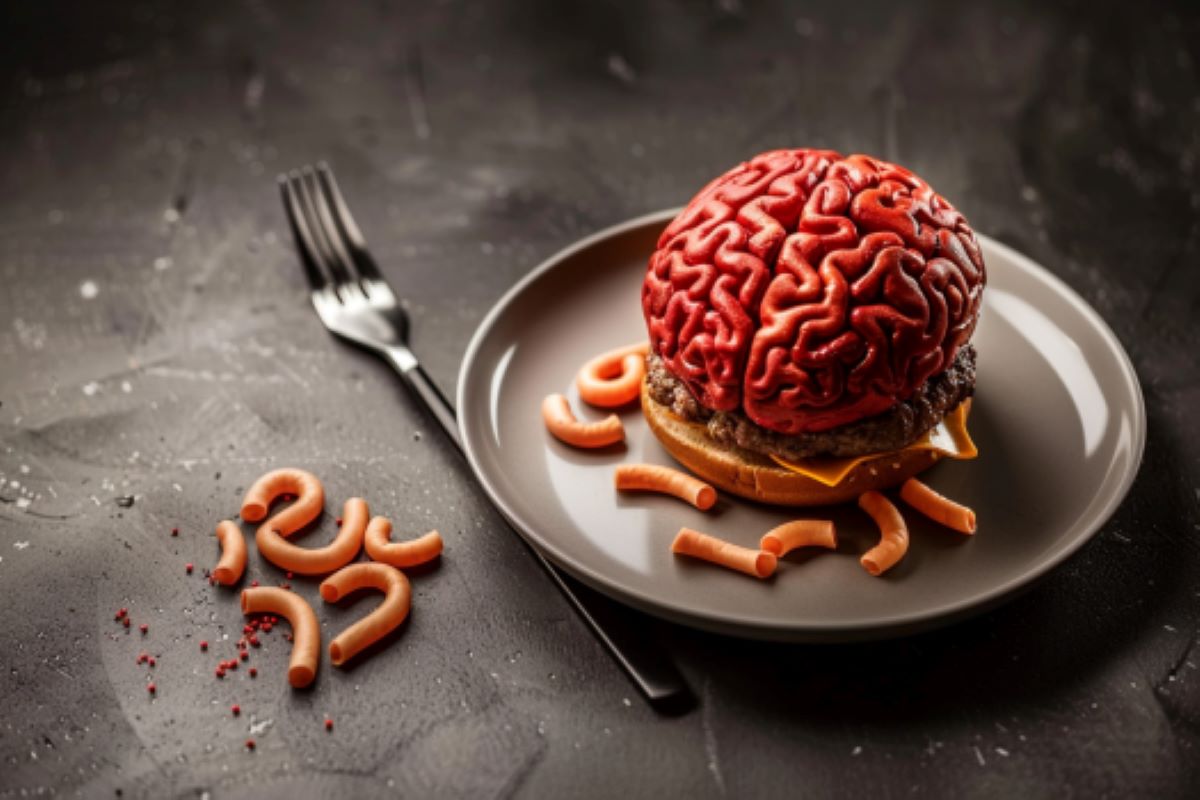
A single festive meal with high sugar and fat content is not immediately harmful to the brain, but prolonged overeating can disrupt metabolism and reduce brain responsiveness, especially in obese individuals. Short-term indulgence appears manageable, but repeated or extended overeating may have longer-lasting negative effects on cognitive functions.
A large international study found that frequent consumption of ultra-processed foods is linked to structural differences in the brain, which may promote overeating and unhealthy eating behaviors, highlighting the need for regulatory and dietary changes.
Research challenges the idea that ultra-processed foods are inherently the main cause of overeating and health issues, highlighting that perceptions and beliefs about food significantly influence eating behavior. The study suggests that focusing on food psychology and personalized approaches may be more effective than broad regulations or demonizing entire food categories based on processing alone.
Research challenges the idea that all ultra-processed foods are inherently harmful, showing that people's perceptions and beliefs about food significantly influence their liking and overeating behaviors, and suggesting that policy should focus more on individual food perceptions and motivations rather than blanket classifications of food processing levels.
Research shows that people's beliefs and perceptions about food influence overeating as much as the food's actual nutrients, and classifying foods as ultra-processed adds little predictive value for overeating behavior. The study suggests focusing on food literacy and understanding psychological factors behind eating habits rather than blanket warnings on ultra-processed foods.
Research challenges the idea that all ultra-processed foods are inherently harmful, showing that people's perceptions and beliefs about food significantly influence their liking and overeating, often more than the food's actual nutritional content. The study suggests that focusing on food perceptions and motivations, rather than solely on processing levels, could lead to more effective and nuanced dietary policies and interventions.
Research on fruit flies reveals that the neurotransmitter octopamine determines whether food memories are stored long-term or short-term based on energy reserves, influencing future eating behavior. High glycogen levels lead to stable food memories and increased food intake, suggesting similar mechanisms may contribute to overeating and obesity in humans.
Redditors shared a viral thread about ordinary things that can be lethal if consumed in excess, including salt, nutmeg, and hydrofluoric acid. The body's detoxifying faculties, such as the kidneys and liver, have limits to the amount of toxins they can manage, and overeating can disrupt hunger regulation and brain functionality. Additionally, seemingly harmless activities like breathing pure oxygen or touching certain substances can also be dangerous.
Ultraprocessed foods are created by breaking down raw food ingredients into molecules and reassembling them, bypassing the body's signals of fullness and potentially leading to overeating. This "predigested" food lacks the nutrients our bodies need and may contribute to health issues such as obesity, diabetes, and cardiovascular disease. Research suggests that ultraprocessed foods cause people to consume more calories and gain weight, while also being less satiating and contributing to a rise in blood sugar levels. The manufacturing processes used to create these foods may be detrimental to human health, and individuals trying to control their weight are facing challenges in today's food environment.
A study published in Cell Metabolism by researchers from the Monell Chemical Senses Center has identified separate gut-brain pathways for fat and sugar cravings, as well as a combined pathway that triggers heightened dopamine release in the brain's reward circuits. The study suggests that the combination of fats and sugars overly triggers the desire to eat more than usual, shedding light on why dieting can be challenging. The research provides insights into the control of "motivated" eating behavior and offers hope for future development of anti-obesity strategies and treatments by targeting and regulating gut-brain reward circuits.
Overeating during the holiday season can have short-term symptoms such as acid reflux, tiredness, stomach pain, bloating, gas, heartburn, nausea, and elevated blood sugar. Chronic overeating can lead to health issues like insulin resistance, weight gain, fatigue, and even type 2 diabetes. Leptin resistance can also occur, causing a lack of awareness of fullness and leading to overeating. Overeating unhealthy foods can result in inadequate nutrition and elevated triglycerides. While the mental impact of overeating may include feelings of guilt or shame, research shows that most people do not gain weight during the holiday season. It's important to remember that holiday food is not just about calories, but also about social connection and enjoyment. Maintaining some routine, incorporating physical activity, and focusing on the bigger picture can help reduce stress about overeating during the holidays.
Overeating during the holiday season can have short-term symptoms such as acid reflux, tiredness, stomach pain, bloating, gas, heartburn, nausea, and elevated blood sugar. Chronic overeating can lead to health issues like insulin resistance, leptin resistance, and inadequate nutrition. However, research shows that most people don't gain a significant amount of weight during the holidays. It's important to remember that holiday food is not just about calories but also about social connection and enjoyment. While it's normal to have concerns about overeating, it's best to zoom out and focus on the bigger picture of spending time with loved ones and enjoying unique culinary experiences. Incorporating healthy movement and maintaining some routines can help reduce stress around overeating during the holidays.
A top food expert, Professor Tim Spector, from King's College London, has called for a tax on "poisonous" ultra-processed foods and for warning stickers to be placed on these products, indicating that they can cause people to overeat by 25%. He argues that health claims on such foods are hypocritical and that the sugar tax should be extended to include ultra-processed foods. Ultra-processed foods are made using ingredients not typically found in a kitchen and are high in added fat, sugar, and salt, while being low in protein and fiber. Professor Spector aims to reduce consumption of ultra-processed foods and increase the consumption of fruits and vegetables.
Researchers have identified a brain molecule called Proenkephalin, located in the hypothalamus, that plays a crucial role in triggering comfort food cravings after experiencing stress. By exposing mice to a predator's odor, the study found that this molecule activates neurons associated with high-fat food consumption. The discovery not only provides insights into the mechanisms of emotional eating but also suggests potential therapeutic targets for addressing stress-induced overeating.
Chemicals called advanced glycation end products (AGEs) found in cooked or processed foods have been linked to increased hunger and reduced ability to make healthy dietary choices, according to a study published in eLife. AGEs are formed when sugars react with proteins, fats, or nucleic acids during cooking or processing. The study, conducted on nematode worms, found that exposure to AGEs led to increased feeding behavior, suggesting that AGE accumulation can contribute to overeating. The research also identified a specific signaling pathway involved in the adverse effects of AGEs. While the study was conducted on worms, it highlights the harmful effects of AGEs on health and emphasizes the importance of mindful dietary choices to reduce AGE accumulation.