Tag

Tumor Microenvironment

All articles tagged with #tumor microenvironment

cancer-research4 months ago

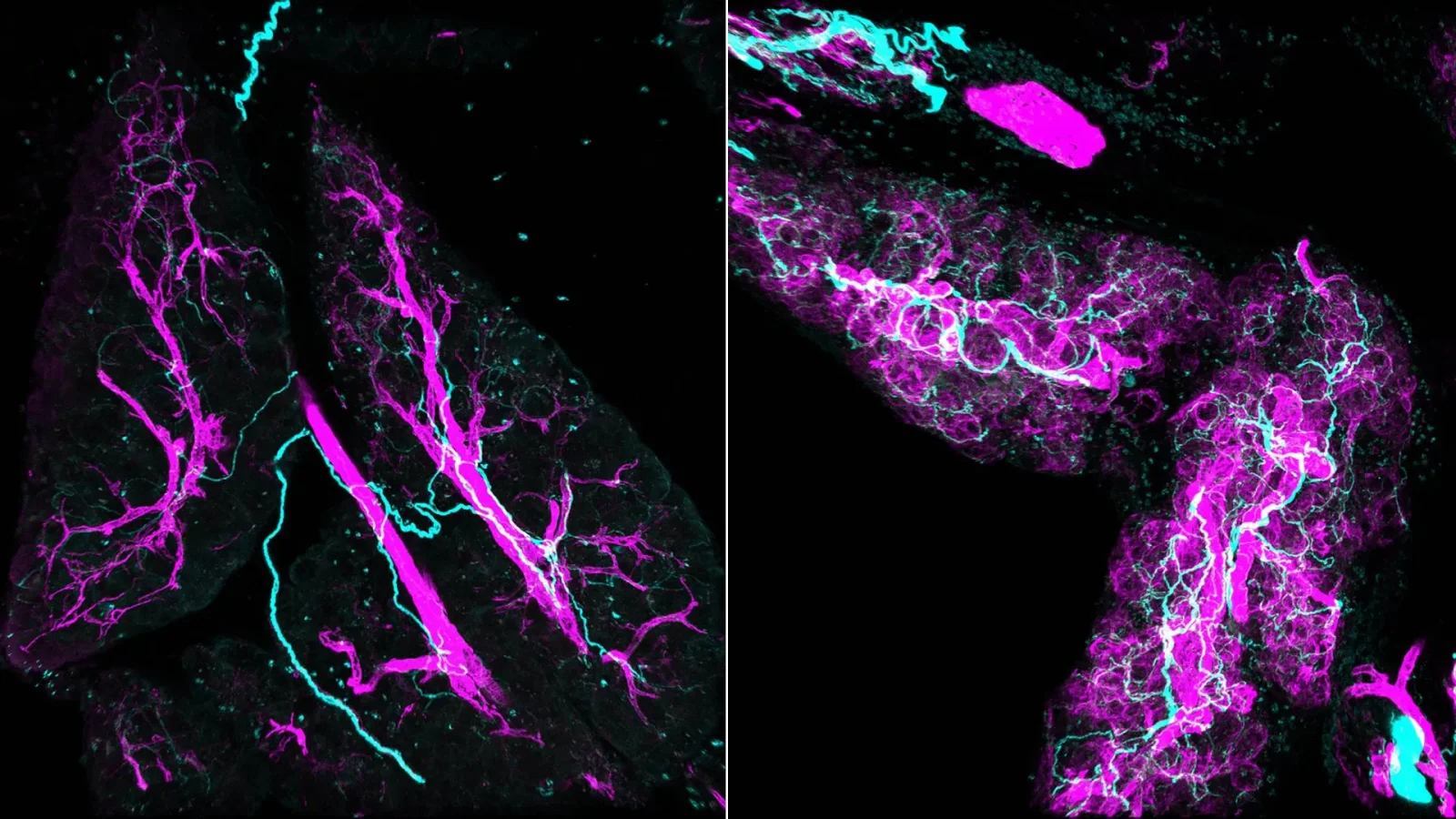
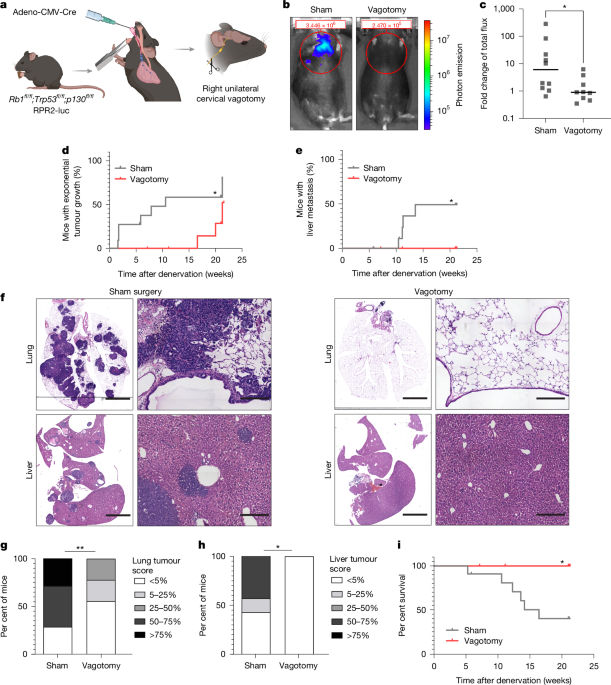
Small Cell Lung Cancer Exploits Brain Neuronal Synapses to Promote Growth

The article explores how neuronal activity and innervation, particularly via the vagus nerve, influence the initiation, progression, and metastasis of small cell lung cancer (SCLC), highlighting the role of neuron-tumor interactions, synaptic communication, and membrane depolarization in tumor growth within the lung and brain.

health1 year ago

Cancer Cells' Survival Tactics Against Chemotherapy Uncovered

A study by NYU Langone Health reveals how cancer cells adapt to low-glucose environments, making chemotherapy less effective. The research shows that cancer cells slow down the consumption of uridine nucleotides, crucial for cell growth, in low-glucose conditions, hindering apoptosis. This understanding could lead to improved therapies that manipulate cancer cell responses in such environments. The study highlights the need for new strategies to enhance chemotherapy effectiveness by targeting cancer cell metabolism.

health1 year ago

"Hydroxyapatite-Targeting Nanodrug Halts Aggressive Breast Cancer Growth"

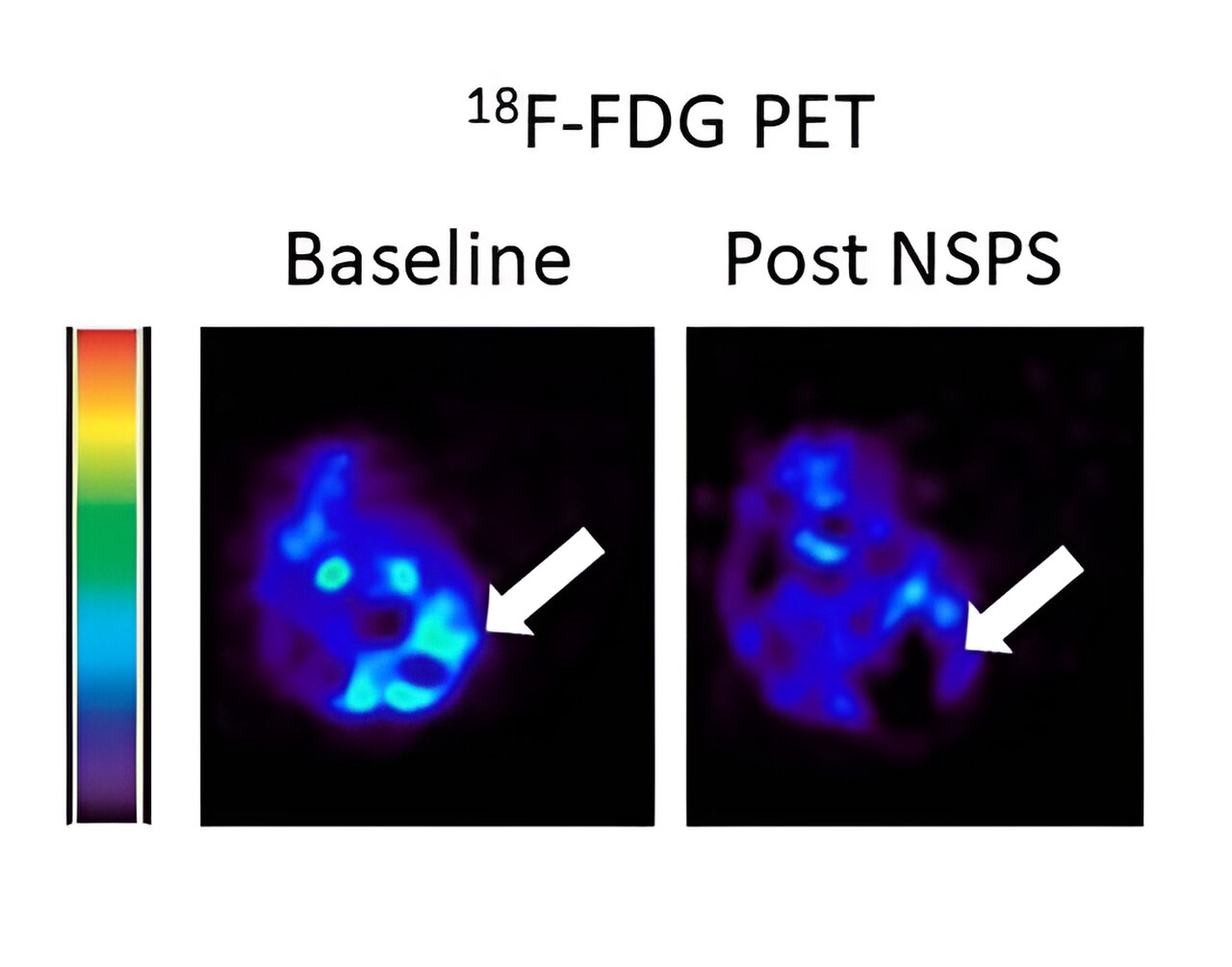
Researchers at Vanderbilt University have developed a nanoparticle-based drug, NSPS, that targets hydroxyapatite (HAP) in tumor microenvironments, causing localized alkalosis and effectively killing cancer cells in animal models of breast, colon, lung, and prostate cancers. The drug shows limited interaction with normal tissue and bone, making it a potential paradigm-changing approach to cancer treatment, particularly for patients with poor prognosis. Further studies in humans are needed to validate its potential clinical impact.

health2 years ago

AI: Revolutionizing Cancer Detection and Treatment

A clinical trial testing a new immunotherapy drug on patients with early-stage cancers showed miraculous results, with 100% of patients going into total remission. However, immunotherapy only works for about one in five patients, and doctors currently have no way of predicting which patients will respond. Recent advances in artificial intelligence (AI) and imaging technology are providing researchers with the ability to interpret complex data on tumor microenvironments and genetic makeup, potentially leading to more effective treatments. AI is being used to analyze large datasets and identify patterns that could help develop personalized therapies for individual patients. While there is still much progress to be made, these advancements offer hope for the future of cancer treatment.

medical-research2 years ago

Promising Results: Engineered Virus Therapy Breaks Barriers in Glioblastoma Treatment

A phase I clinical trial involving 41 patients with recurrent high-grade gliomas (HGGs) or glioblastoma (GBM) found that treatment with an oncolytic virus called CAN-3110 resulted in increased survival in patients with positive herpes simplex virus type 1 (HSV1) serology. The study also showed that CAN-3110 treatment led to an increase in tumor-infiltrating lymphocytes (TILs), particularly CD8+ and CD4+ T cells, in the injected tumors. Furthermore, the persistence of CAN-3110 in the tumors was associated with negative HSV1 serological status. These findings suggest that intralesional oncolytic treatment modalities can alter the immunosuppressive tumor microenvironment and improve the efficacy of immunotherapy in solid cancers like GBM.

medical-research2 years ago

"Groundbreaking Research Unveils Revolutionary Discoveries in Deadly Cancer Study"

Researchers at MD Anderson Cancer Center have conducted a study on gastric adenocarcinoma, one of the deadliest cancers, uncovering key dynamics in the tumor microenvironment and identifying SDC2 as a promising new treatment target. The study utilized single-cell RNA sequencing to characterize the diverse immune and stromal cell populations within the tumor microenvironment and discovered six unique ecotypes. The researchers found that two ecotypes correlated with different histological, genomic, and clinical features of primary gastric adenocarcinomas, with EC6 tumors associated with more aggressive disease and shorter survival. Additionally, the study identified SDC2 overexpression in stromal cells, particularly in cancer-associated fibroblasts, as a potential therapeutic target for gastric adenocarcinoma and other cancer types.

medical-science2 years ago

"Revolutionary Nanovaccine-in-Hydrogel: A Game-Changer in Cancer Immunotherapy"

Scientists have developed a single-dose injectable nanovaccine-in-hydrogel (NvIH) for robust cancer immunotherapy. The nanovaccine, composed of immunostimulants and immune checkpoint blockade antibodies, is designed to remodel the tumor microenvironment, enhance antitumor immune responses, and elicit systemic antitumor immunity. In mouse models, the NvIH demonstrated significant inhibition and regression of large tumors, including orthotopic glioblastoma, with an abscopal effect on distant tumors. The nanovaccine holds promise for safe and effective immunotherapy of local and distant tumors.

medical-research2 years ago

Advancements in Immunotherapy Unveil Immune System's Impact on Tumor Development

Yale researchers have developed a new method to study the complex interactions between a person's immune system and tumor cells, which can influence cancer progression and treatment response. The technique involves recreating a patient's specific tumor microenvironment in mice using immune precursor cells collected from bone marrow samples. This personalized approach allows researchers to model an individual patient's tumor and immune system in the same mouse, enabling a better understanding of how the tumor microenvironment influences cancer growth and how individual differences affect the process. The method also has potential applications in drug testing and screening for new drug combinations.

medical-research2 years ago

Enzyme PI3Kβ Promotes Immune Evasion in PTEN-Deficient Breast Tumors.

Researchers have discovered that PI3Kβ plays a crucial role in immune evasion in PTEN-deficient breast tumors. The study found that inhibiting PI3Kβ led to increased immune cell infiltration and improved response to immunotherapy in mouse models. The findings suggest that targeting PI3Kβ could be a potential strategy for enhancing the effectiveness of immunotherapy in breast cancer patients with PTEN-deficient tumors.