Tag

Clinical Trials

All articles tagged with #clinical trials

Synthetic DMT Trials Hint at Rapid Depression Relief With Guided Therapy
health5 days ago

Synthetic DMT Trials Hint at Rapid Depression Relief With Guided Therapy

A phase II trial sponsored by Small Pharma (now Cybin UK) found a synthetic DMT formulation, delivered by injection with psychotherapeutic support, reduced depressive symptoms more than placebo after two weeks in 17 treated vs 17 controls. The study emphasizes the therapists’ role and notes the synthetic DMT yields a short, ~30-minute experience without vomiting (unlike traditional ayahuasca). While promising, the results are preliminary and require clinic-based administration, with broader context including FDA-approved ketamine therapy and ongoing psychedelics research.


Moderna’s combo flu-COVID shot shows durable immune response in mid-stage trial
health5 days ago

Moderna’s combo flu-COVID shot shows durable immune response in mid-stage trial

Moderna reported that its experimental mRNA-1073 two-in-one flu and COVID-19 vaccine elicited durable immune responses against matched influenza and SARS-CoV-2 strains for six months in a small 550-participant mid-stage trial, with no serious safety concerns; the briefing also covers ongoing Potomac River contamination concerns after a wastewater spill, a long-term MSU study showing college students rebounded emotionally post-pandemic, and other health news highlights.

China bets big on Alzheimer's with a national research push
science6 days ago

China bets big on Alzheimer's with a national research push

China is launching a sweeping, government-backed effort to prepare for a coming wave of dementia by expanding screening, diagnosis, and treatment, recruiting returning researchers, and funding diverse avenues—from new drugs (including BrAD-R13 and DI-3-n-butylphthalide) to traditional Chinese medicine and novel glymphatic-clearing surgeries. With dementia prevalence expected to rise dramatically, the country aims to reach 2030 targets, accelerate clinical trials (already rising from 9 in 2021 to 107 in 2024), and become a leading global hub—though regulatory safeguards and safety concerns accompany rapid growth.

Astellas inks $1.7B collaboration to push Vir’s PSMA-targeted T-cell engager
business6 days ago

Astellas inks $1.7B collaboration to push Vir’s PSMA-targeted T-cell engager

Astellas is partnering with Vir Biotechnology in a $1.7 billion deal to advance VIR-5500, Vir’s PSMAxCD3 T-cell engager, leveraging Vir’s PRO-XTEN dual-masking tech; Astellas pays $335 million upfront (cash, equity, milestones) with potential up to $1.37 billion in milestones, and a 60-40 development-cost split, plus a U.S. co-promotion option and non-U.S. commercialization by Astellas. The alliance aims for phase 3 in 2027 with expanded early-lines; ASCO GU data show encouraging PSA reductions and a 45% objective response rate in evaluable patients, with a manageable safety profile (mostly grade 1 CRS) at the go-forward dose.

GLP-1 obesity drugs and pancreatitis: what the science actually shows
health9 days ago

GLP-1 obesity drugs and pancreatitis: what the science actually shows

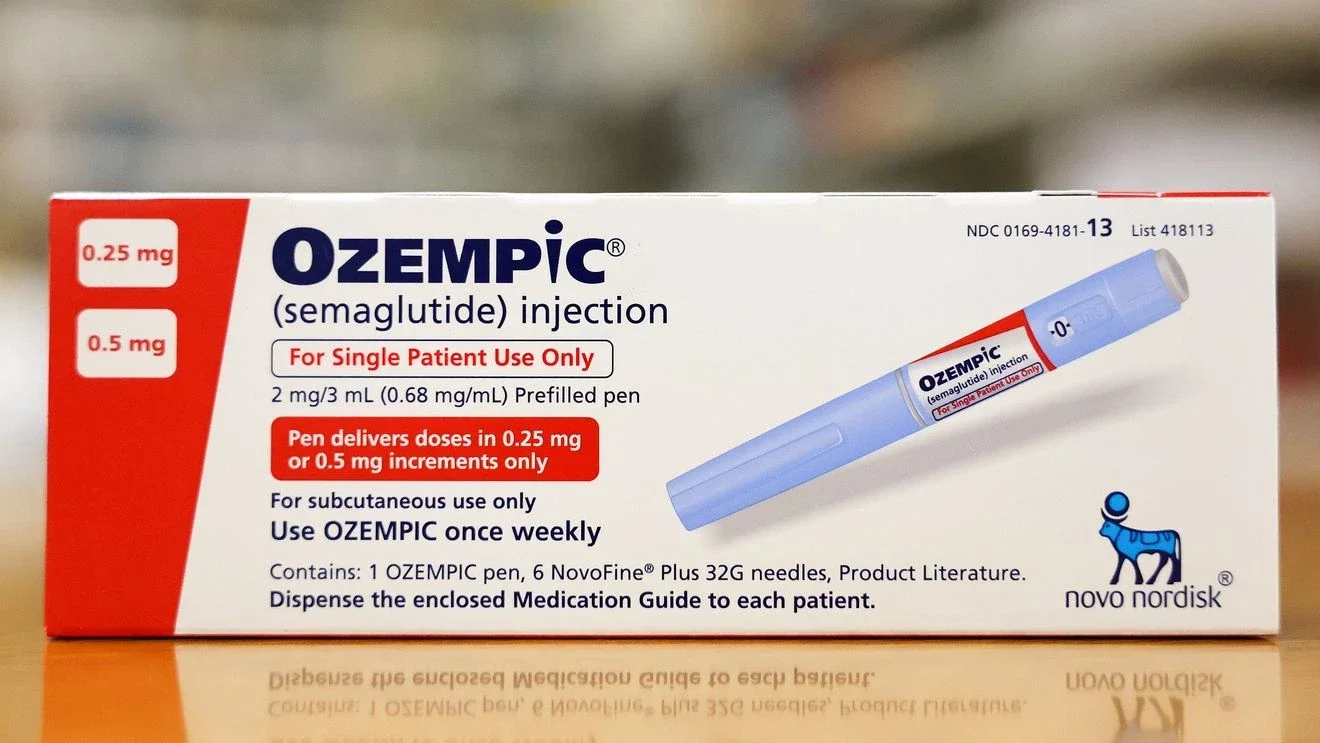
Regulators in the UK and Brazil warned of a possible link between GLP-1 weight‑loss drugs and pancreatitis, but causality remains unclear. With millions using GLP-1 therapies for obesity and related conditions, reported pancreatitis cases and deaths are very rare relative to use (UK: 19 pancreatitis deaths since 2007 and about 1,300 related reports among ~1.6 million users; Brazil: 6 deaths and 145 pancreatitis cases since 2020). Meta-analyses yield mixed results—some show a small risk, others none—while a large real‑world study found no difference in pancreatitis between GLP‑1 users and non‑users with similar risk factors. Ongoing pharmacovigilance and rigorous studies are needed to distinguish true signals from background risk.

Grail stock slumps after NHS Galleri trial misses primary endpoint
healthcare9 days ago

Grail stock slumps after NHS Galleri trial misses primary endpoint

Grail's stock fell more than 45% after-hours after NHS-Galleri trial failed to meet its primary endpoint, showing no statistically significant reduction in later-stage cancers overall; however, a pre-specified group of 12 deadly cancers showed a favorable trend toward fewer stage III-IV cancers, with greater reductions in stage IV diagnoses across sequential screening rounds. The company will extend follow-up by 6-12 months to seek stronger effects, and it also reported 17% full-year revenue growth to $147.2 million, with U.S. Galleri revenue up 26% to $136.8 million.

GLP-1 Weight-Loss Drugs Spotlight Rare Nutrient Deficiencies
health9 days ago

GLP-1 Weight-Loss Drugs Spotlight Rare Nutrient Deficiencies

Australian researchers warn that while GLP-1 weight-loss meds are effective, many clinical trials don’t track diet or nutrient intake, potentially increasing long-term malnutrition risk. Rare cases of deficiencies—such as scurvy (vitamin C) and iron or B‑vitamin shortages—have been reported, but are uncommon. The authors urge closer dietary monitoring in clinical practice and future trials, since deficiency symptoms can mimic GLP-1 side effects. The takeaway: nutrition management is essential for sustained success, not a reason to stop treatment.

FDA Adopts One-Pivotal-Trial Path for Drug Approvals
health10 days ago

FDA Adopts One-Pivotal-Trial Path for Drug Approvals

The FDA will default to approving drugs based on a single well-controlled pivotal trial, while allowing supporting confirmatory evidence such as mechanistic data, related indications, animal models, or real-world data. The move, framed by FDA leaders as a shift from an outdated ‘two-trial dogma,’ aims to speed development and cut costs, but has drawn criticism from some policymakers and former FDA officials who warn it could weaken patient protections. The policy preserves discretion to require additional studies in certain cases, and reactions are mixed among analysts and industry figures, with Pazdur expressing concerns before his retirement.

Keto Diet Shows Potential for Schizophrenia, But Cure Remains Unproven
health13 days ago

Keto Diet Shows Potential for Schizophrenia, But Cure Remains Unproven

Kennedy’s claim that ketogenic diets cure schizophrenia is not supported by current science. Evidence is preliminary, coming from small studies and case reports that suggest possible symptom improvement when ketosis is achieved under medical supervision, but large, randomized trials showing clear benefit over medication alone are lacking. The Stanford study reported most adherent patients improved but had no control group, and researchers caution that keto should supplement rather than replace antipsychotic treatment while more rigorous research is underway.

Lithium in the Brain Sparks a Ten-Year Alzheimer’s Breakthrough
science1 month ago

Lithium in the Brain Sparks a Ten-Year Alzheimer’s Breakthrough

Harvard researchers show lithium naturally exists in the brain and supports neuron function; lithium depletion is an early Alzheimer’s change and is reduced when amyloid plaques bind lithium. In mice, losing brain lithium accelerates disease, while a lithium orotate compound can prevent or reverse pathology, prompting planned clinical trials; researchers caution against self-medicating until trials establish safety and efficacy.

Global Expert Alliance Sets Course to Accelerate Therapeutic Cancer Vaccines
health1 month ago

Global Expert Alliance Sets Course to Accelerate Therapeutic Cancer Vaccines

More than 50 leading cancer vaccine researchers convene a two-day global think tank—organized by the Cancer Vaccine Coalition and AACR—to align priorities and accelerate development and access to therapeutic cancer vaccines through practical strategies, AI-driven antigen prediction, and coordinated funding and regulatory pathways, with trials across glioblastoma, melanoma, pancreatic, breast, ovarian and liver cancers and support from HSBC Innovation Banking, Northwest Biotherapeutics, Pfizer, and Anixa Biosciences.

One-shot gene therapy could deliver long-lasting GLP-1 weight loss
health1 month ago

One-shot gene therapy could deliver long-lasting GLP-1 weight loss

Researchers are pursuing a one-time gene therapy that would program the body to produce GLP-1 hormones endogenously, potentially providing longer-lasting weight loss than current GLP-1 drugs for diabetes and obesity. The Washington Post piece highlights Fractyl Health’s Rejuva program and notes that many patients stop GLP-1 therapies and regain weight, underscoring that the approach is early-stage and faces safety, durability, regulatory, and cost uncertainties.

Africa CDC Defends Sovereignty Over US-Backed Infant Vaccine Trial
world1 month ago

Africa CDC Defends Sovereignty Over US-Backed Infant Vaccine Trial

Africa CDC chief Jean Kaseya rebuked a US-backed plan to run an infant hepatitis B vaccine trial in Guinea-Bissau, insisting any study must be authorized by Guinea-Bissau’s National Medicines Regulatory Authority, National Ethics Committee, local IRBs, and the Ministry of Health, underscoring Africa’s sovereignty. The proposed trial would have enrolled about 14,000 newborns (7,000 vaccinated, 7,000 controls) and was funded with $1.6 million from the US HHS. Critics say such research should serve Africans’ needs and ensure standard care for controls, while the US has criticized Africa CDC as “fake and powerless.” The flare-up exposes tensions between Western funders and African health authorities over governance of research.

Guinea-Bissau halts US-funded birth-dose hepatitis B trial amid ethics concerns
world1 month ago

Guinea-Bissau halts US-funded birth-dose hepatitis B trial amid ethics concerns

Guinea-Bissau suspended a US-funded hepatitis B vaccine trial that would randomize about 14,000 newborns to receive a birth dose or not, pending a technical and ethical review by the national public health institute. The Bandim Health Project designed the study and it received a $1.6 million CDC grant, with the goal of evaluating broader vaccine effects ahead of the country’s planned universal birth-dose policy in 2027. While the US Health and Human Services says the trial remains on track, African scientists have questioned funding-driven dynamics and governance, arguing the design could undermine safe vaccination or reflect political pressure to limit vaccines in Africa. The dispute highlights ongoing tensions over who controls clinical research in Africa and how local health priorities are weighed against external funding interests.