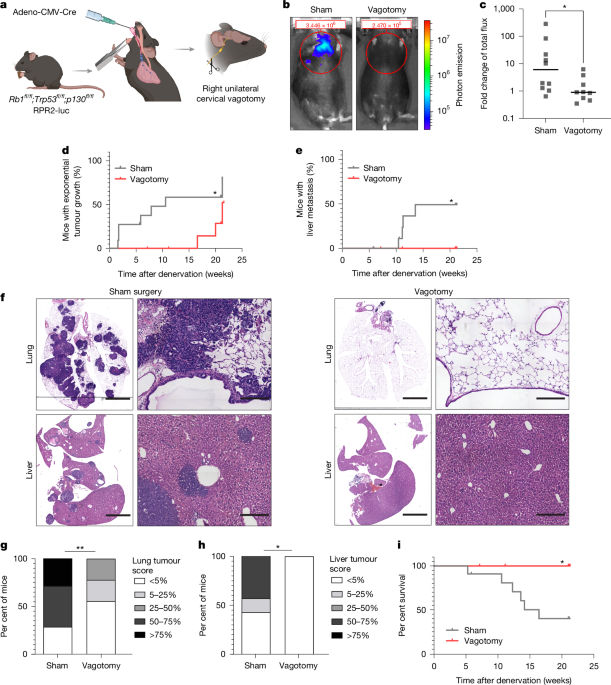
The article explores how neuronal activity and innervation, particularly via the vagus nerve, influence the initiation, progression, and metastasis of small cell lung cancer (SCLC), highlighting the role of neuron-tumor interactions, synaptic communication, and membrane depolarization in tumor growth within the lung and brain.
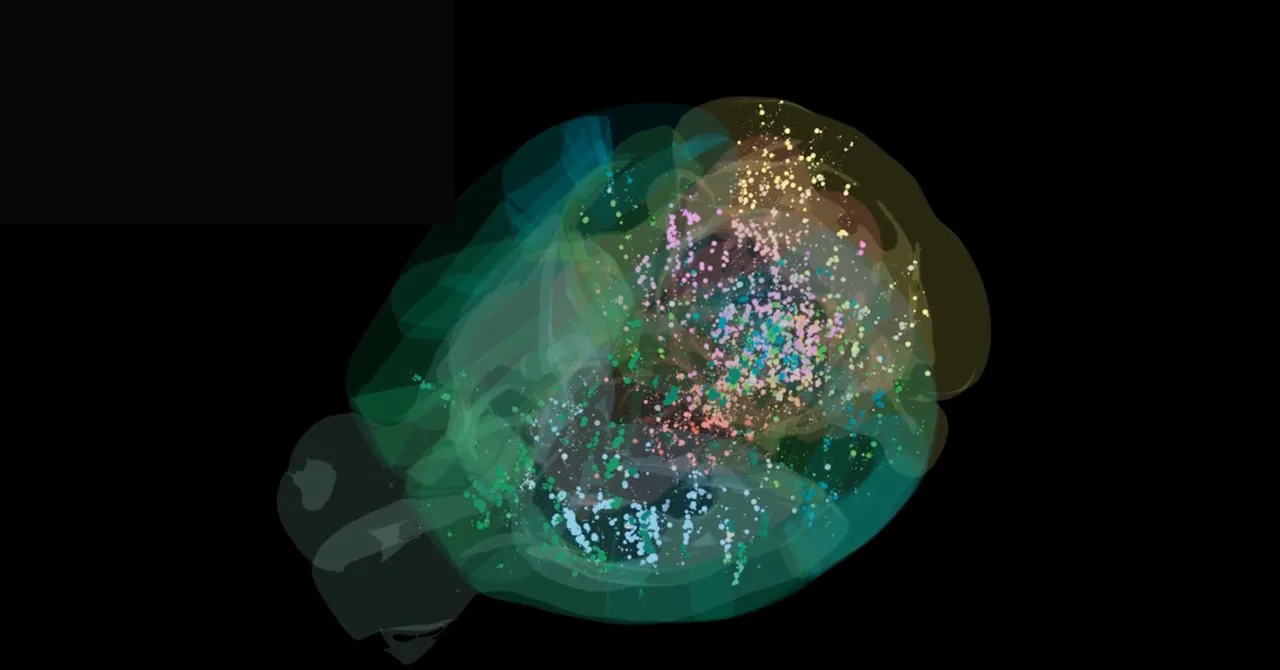
Scientists from twelve labs worldwide have successfully mapped the entire brain activity of mice during decision-making, recording over half a million neurons across 95% of the brain, marking a significant breakthrough in understanding neural processes involved in decision-making.
Researchers at the Washington University School of Medicine in St. Louis have discovered that during sleep, rhythmic neuronal activity helps move cerebrospinal fluid through the brain, flushing out metabolic waste and potentially reducing the risk of neurodegenerative diseases. Neurons play a crucial role in activating the brain's self-cleaning cycle, and understanding this process may lead to insights into conditions like Alzheimer's.
Researchers have identified a potential early biomarker for Alzheimer's disease in the form of elevated levels of a protein called PSD-95, which promotes excitatory activity of synapses in the brain. This discovery could help in diagnosing the disease before symptoms appear and may also shed light on the link between Alzheimer's and elevated seizure-like activity observed in some patients. Inhibiting PSD-95 in animal studies reduced seizure activity, suggesting it could be a target for future treatments, although further research is needed to translate these findings into clinical applications.
Neuronal activity is necessary and sufficient for astrocytes to develop their bushy shape, which is fundamental for brain function. These findings suggest that astrocyte development and function involve a complex pattern of events and proteins triggered by the activity of neurons, offering new insights into the mechanisms of brain development and the potential causes of neurodevelopmental disorders. Astrocytes play diverse roles that are vital for proper brain function, including supporting the activity of neurons, participating in the formation and function of synapses, releasing neurotransmitters, and making the blood-brain barrier.