Tag

Biomarker

All articles tagged with #biomarker

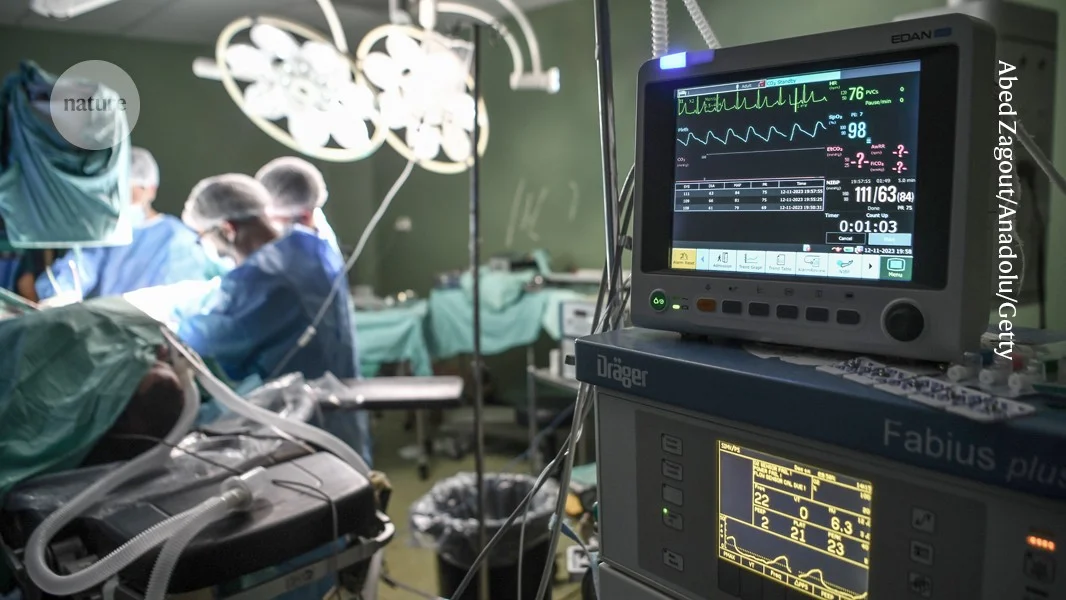
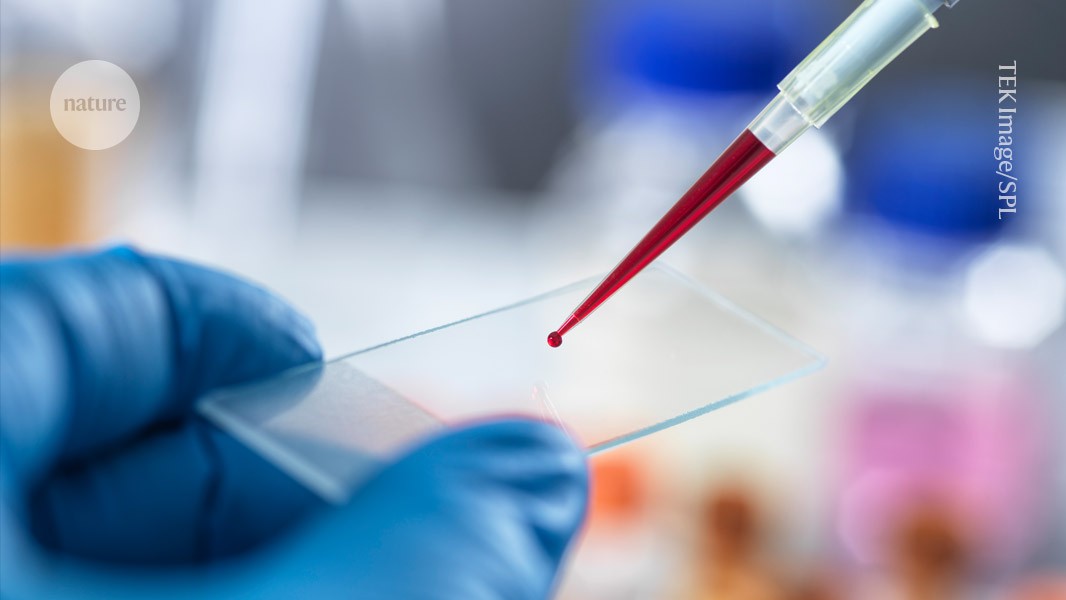
Scientists develop first accurate blood test for chronic fatigue syndrome

Originally Published 3 months ago — by Nature

Featured image for Scientists develop first accurate blood test for chronic fatigue syndrome
Source: Nature

Scientists in the UK have developed a blood test analyzing epigenetic changes in immune cells that could potentially diagnose chronic fatigue syndrome (ME/CFS), offering hope for earlier and more accurate diagnosis, though further research is needed due to the small study size.

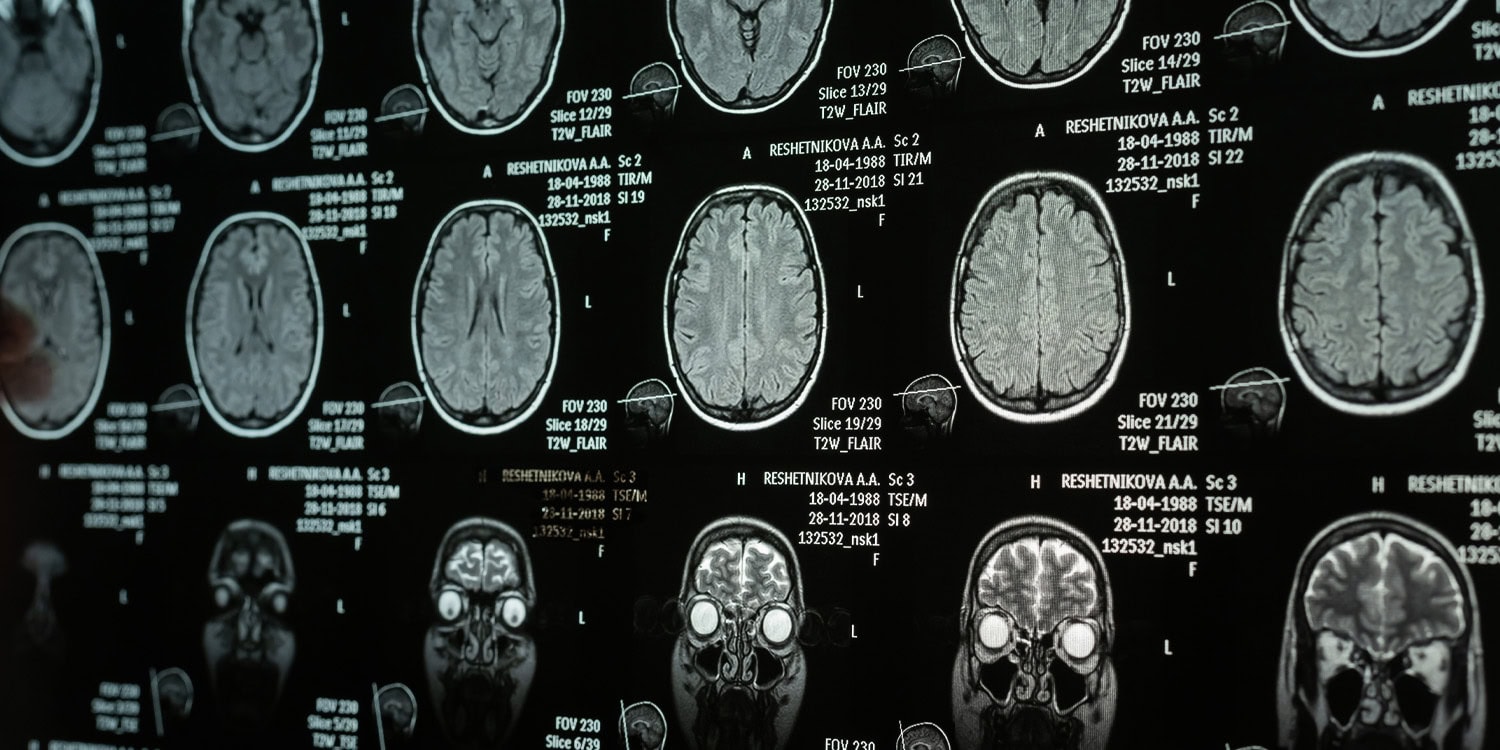
Early Detection and Prevention of Alzheimer’s Through New Biomarkers and Protein Targets

Originally Published 3 months ago — by PsyPost

Featured image for Early Detection and Prevention of Alzheimer’s Through New Biomarkers and Protein Targets
Source: PsyPost

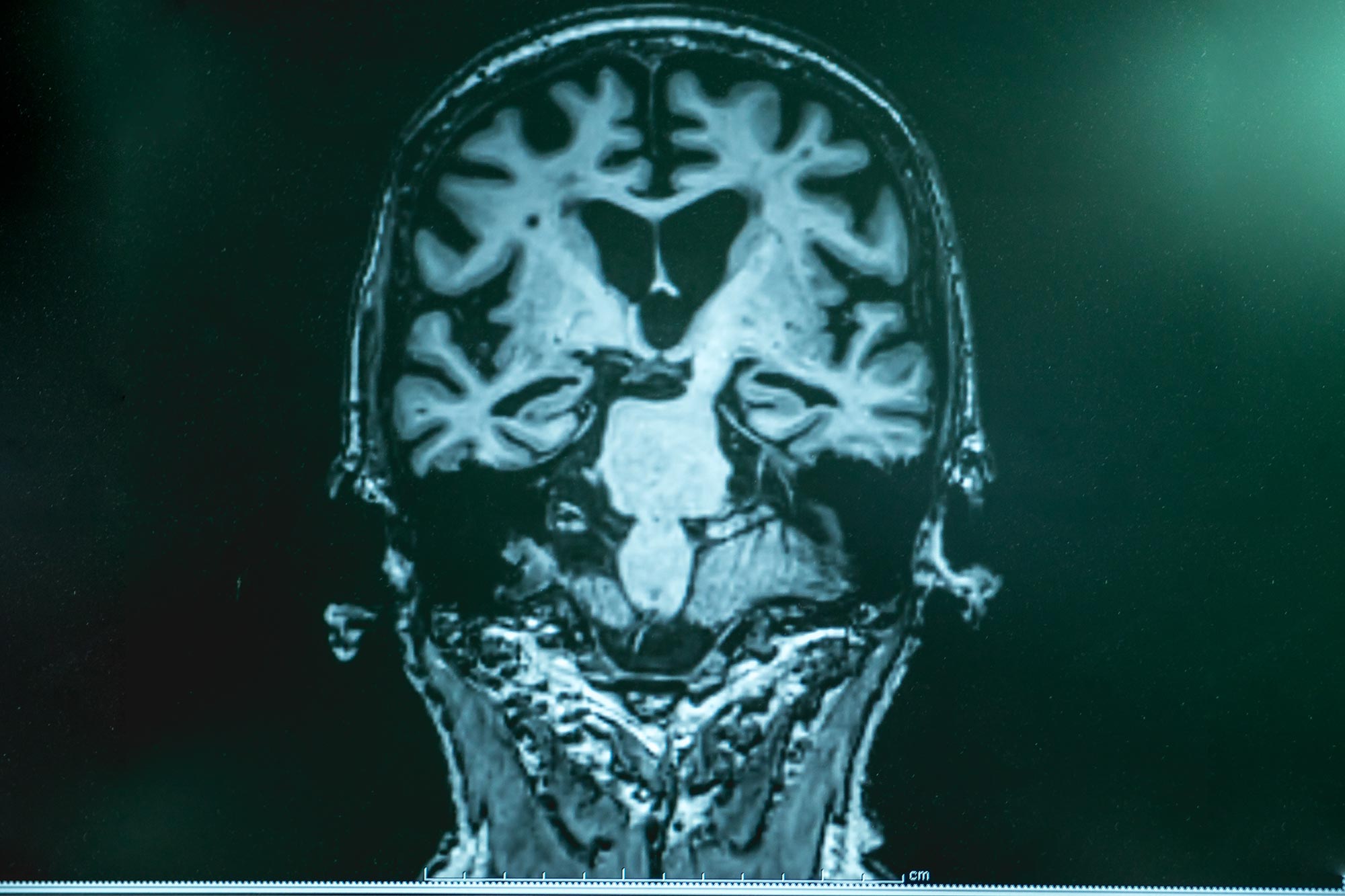
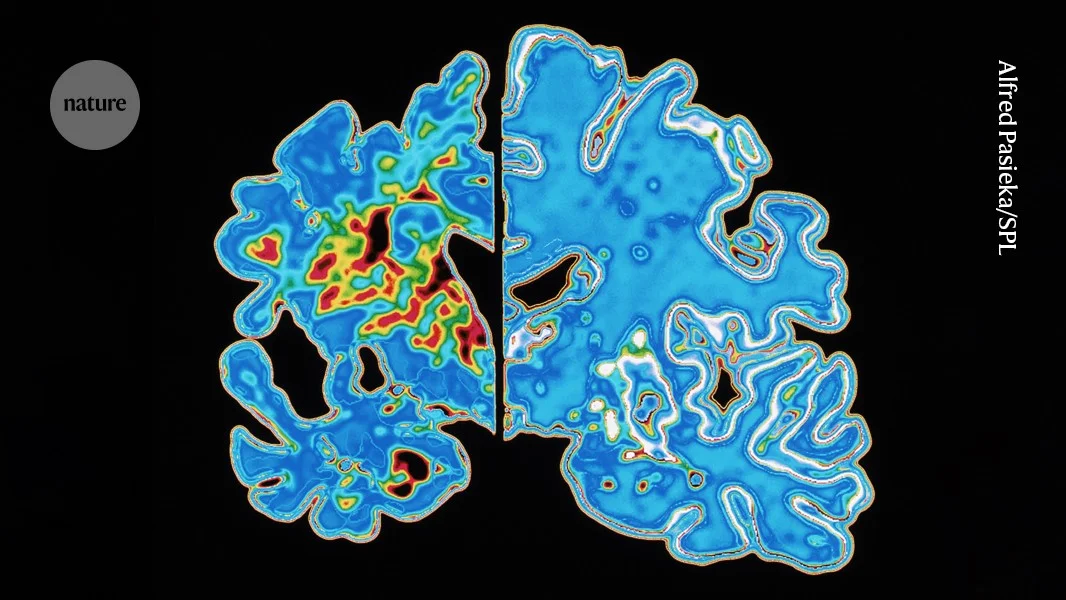
Scientists have identified that the protein TSPO, indicating brain inflammation, appears in specific brain regions at the same time as early amyloid-beta plaque formation in Alzheimer's disease, potentially enabling earlier diagnosis and intervention, with findings confirmed in both mouse models and human tissue.

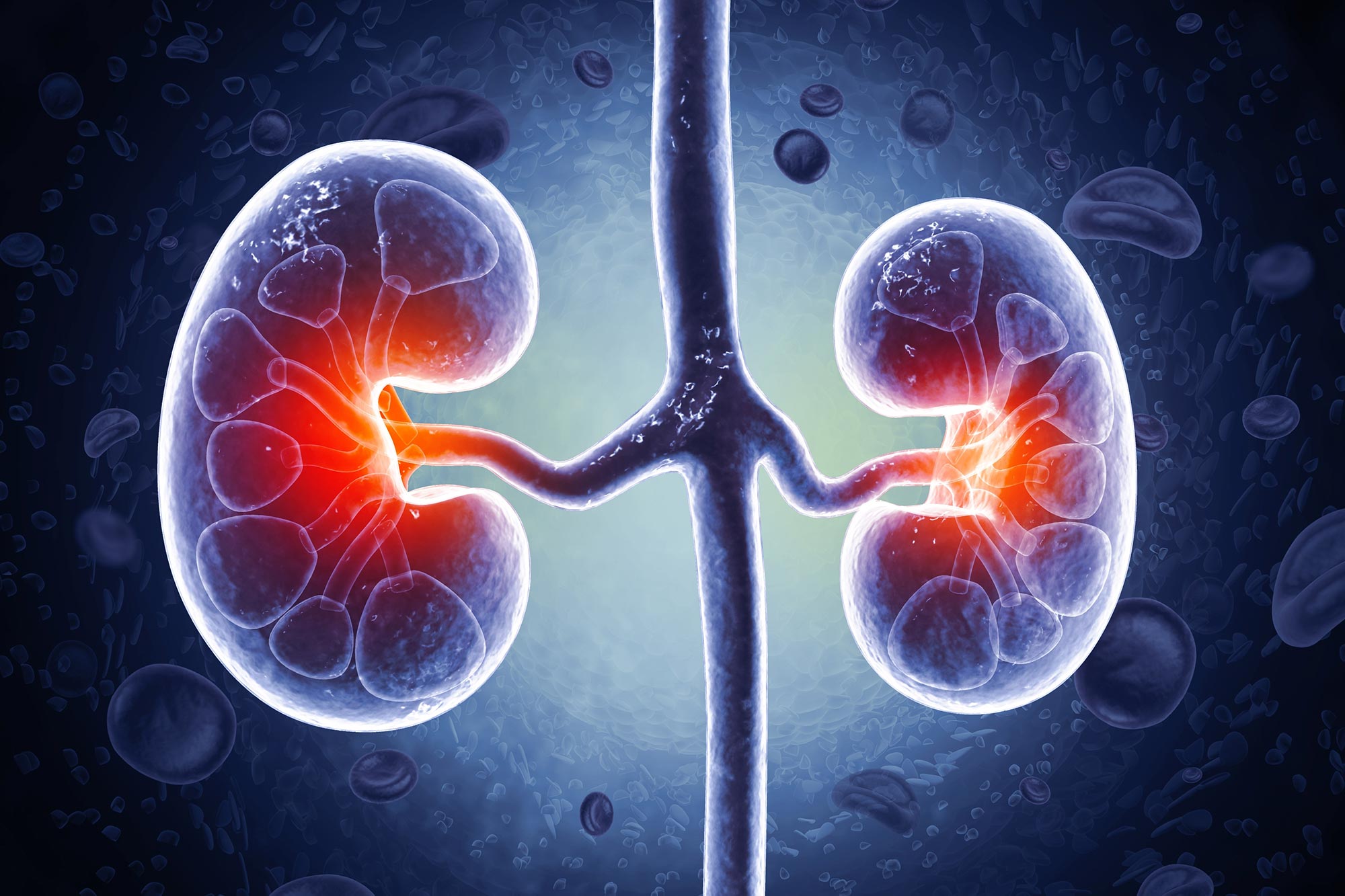
Scientists Discover MicroRNA That Protects Kidneys in Breakthrough Study

Originally Published 4 months ago — by SciTechDaily

Featured image for Scientists Discover MicroRNA That Protects Kidneys in Breakthrough Study
Source: SciTechDaily

Canadian researchers have discovered a microRNA, miR-423-5p, that can protect kidney blood vessels after injury and serve as a blood-based biomarker for early detection and treatment of chronic kidney disease, with potential applications in transplantation and other vascular-related conditions.

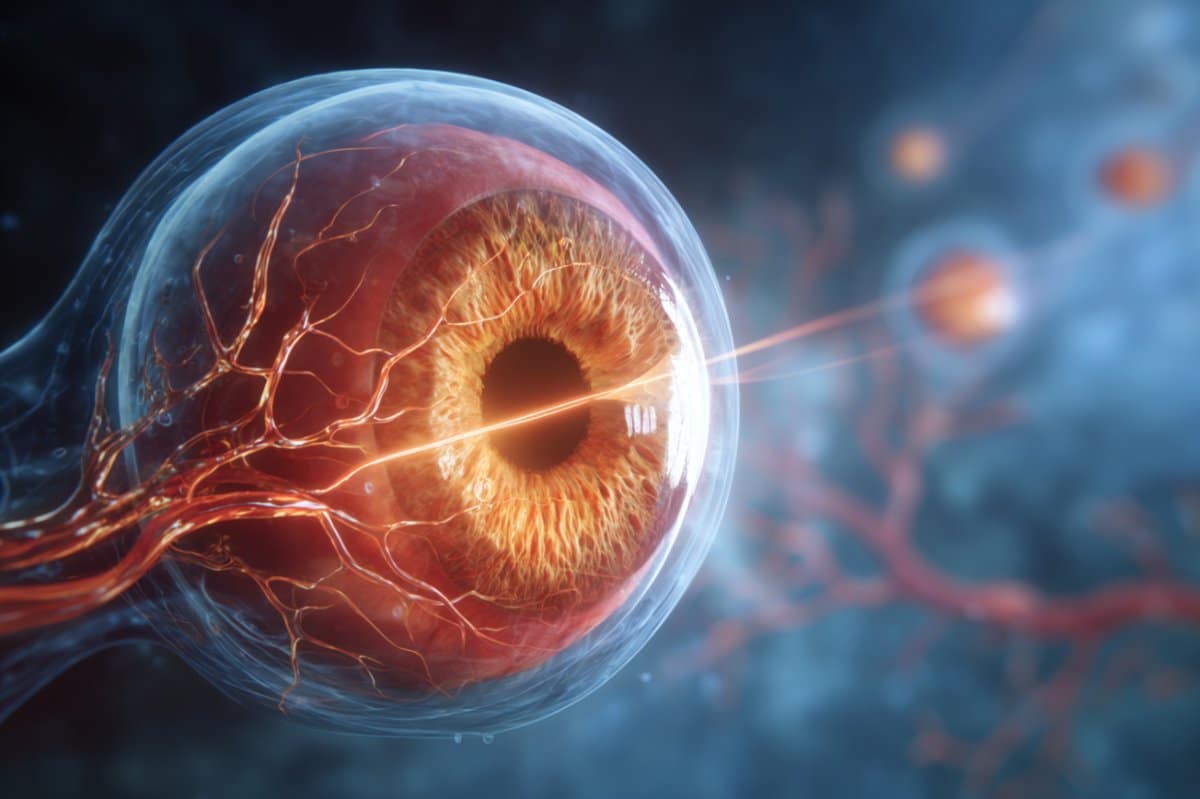
Eye Exams May Detect Alzheimer’s Risk Years in Advance

Originally Published 4 months ago — by Neuroscience News

Featured image for Eye Exams May Detect Alzheimer’s Risk Years in Advance
Source: Neuroscience News

Research suggests that routine eye exams could detect early signs of Alzheimer's disease by identifying abnormal retinal blood vessel changes linked to genetic risk factors, potentially decades before symptoms appear, highlighting the retina's role as a window into brain health.

Shared Trait Found in Newborns and Alzheimer’s Patients

Originally Published 6 months ago — by SciTechDaily

Featured image for Shared Trait Found in Newborns and Alzheimer’s Patients
Source: SciTechDaily

A recent study reveals that both newborns and Alzheimer's patients have elevated levels of the brain protein p-tau217, which plays different roles in each group—supporting healthy brain development in infants and indicating neurodegeneration in Alzheimer's. The findings suggest that understanding how the healthy brain manages tau could lead to new treatments for Alzheimer's disease.

Parasitic Worm Could Boost Chesapeake Bay Blue Crab Populations

Originally Published 6 months ago — by Phys.org

Featured image for Parasitic Worm Could Boost Chesapeake Bay Blue Crab Populations
Source: Phys.org

A study suggests that a parasitic, egg-eating worm found on female blue crabs in Chesapeake Bay could serve as a biomarker for their reproductive history, helping to manage and potentially rebuild crab populations by identifying spawning females and understanding reproductive patterns, especially in low-salinity conditions.

Newborns Show Elevated Alzheimer's Biomarker Levels

Originally Published 6 months ago — by Medical Xpress

Featured image for Newborns Show Elevated Alzheimer's Biomarker Levels
Source: Medical Xpress

A study found that newborns and Alzheimer's patients both have elevated levels of the biomarker p-tau217, but in newborns, this protein supports healthy brain development, whereas in Alzheimer's it is associated with disease progression. The findings suggest potential pathways for new treatments by understanding how the healthy brain regulates tau protein.

Taurine's Role in Aging Under Question as Levels Rise with Age

Originally Published 7 months ago — by Gizmodo

Featured image for Taurine's Role in Aging Under Question as Levels Rise with Age
Source: Gizmodo

A recent study by the NIH found no evidence that taurine levels decline with age in humans, mice, or monkeys, challenging the idea that taurine supplements can promote healthy aging. While earlier animal studies suggested potential benefits, the new research indicates taurine is unlikely to be a reliable biomarker for aging, and more clinical trials are needed before recommending supplementation for age-related health improvements.

Scientists Develop Method to Detect ADHD Through a Single Body Part

Originally Published 7 months ago — by Daily Mail

Featured image for Scientists Develop Method to Detect ADHD Through a Single Body Part
Source: Daily Mail

Scientists in South Korea have developed an AI model that predicts ADHD with 96% accuracy by analyzing retinal images, identifying key differences in blood vessels and optic discs, which could lead to faster, noninvasive diagnosis, though further research is needed with larger, more diverse samples.