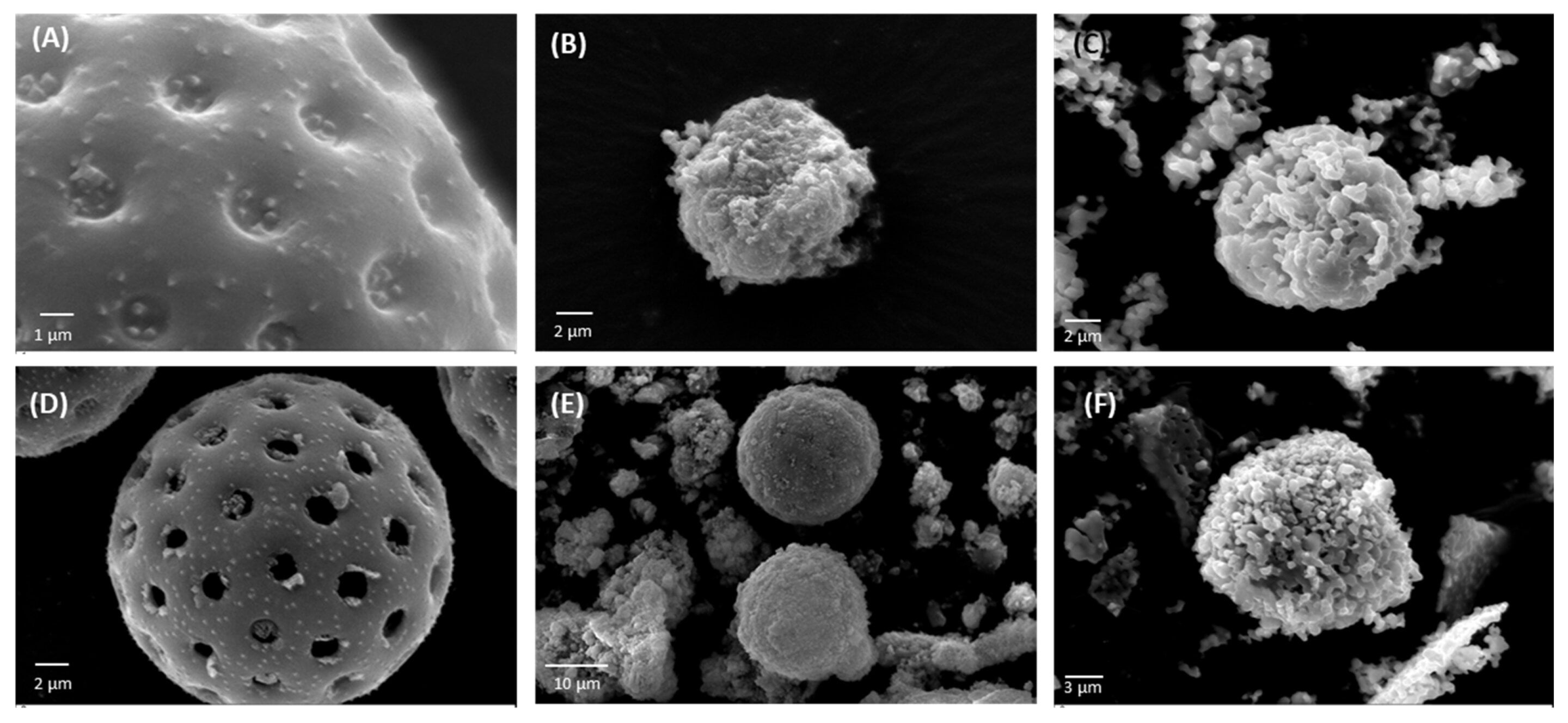
A study has demonstrated the potential of using pollen grains as green templates for producing biomaterials, particularly hydroxyapatite (HAp) and β-tricalcium phosphate (TCP), which are used for bone repair. The study explored the feasibility of using pollen grains as bio-templates for growing calcium phosphate minerals in the lab, resulting in well-defined spherical hollow capsules derived from pollen. These hollow structures have potential in drug delivery and bone regeneration applications, and further experiments are needed to explore their use in enhancing bone integration and regeneration around implants.
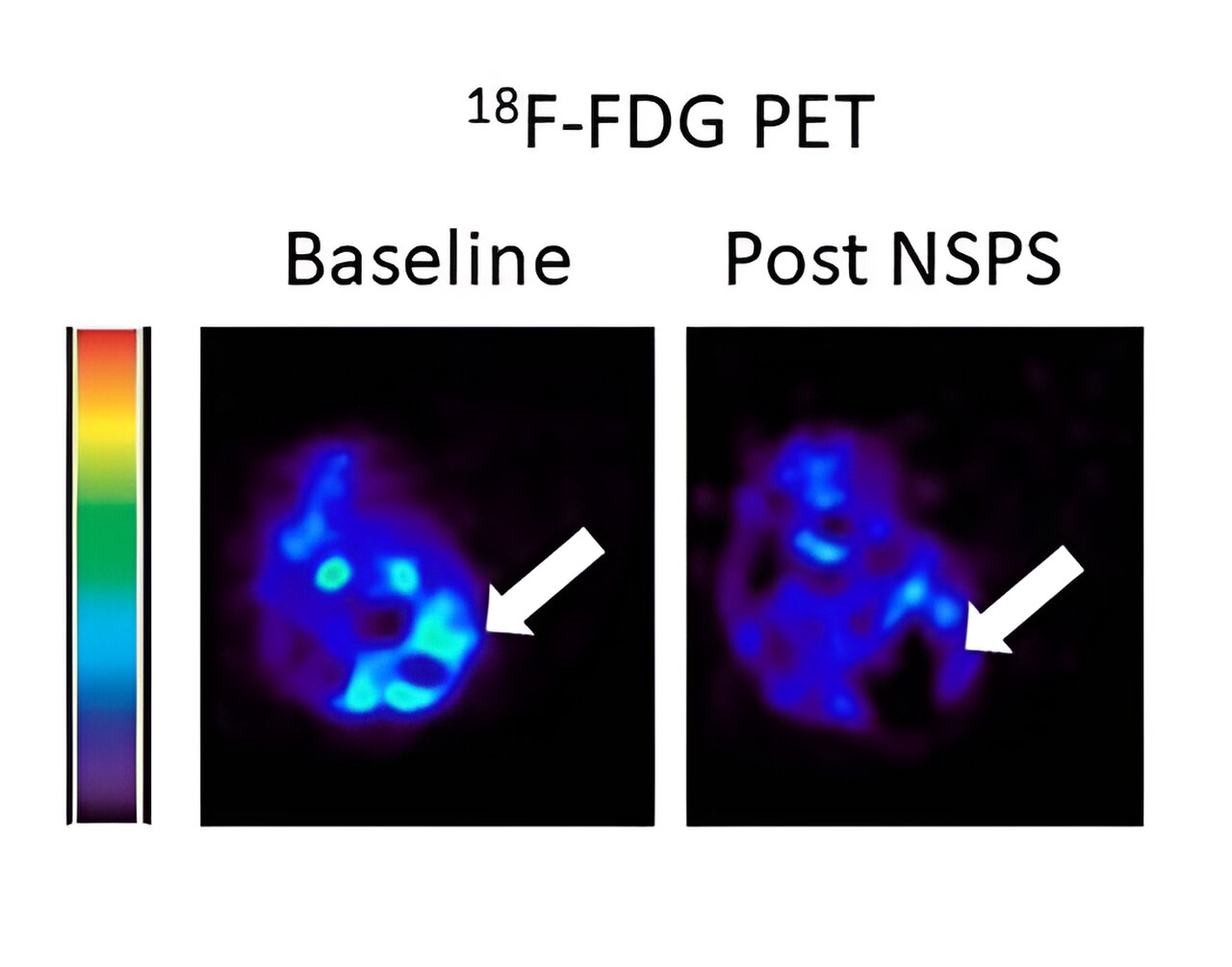
Researchers at Vanderbilt University have developed a nanoparticle-based drug, NSPS, that targets hydroxyapatite (HAP) in tumor microenvironments, causing localized alkalosis and effectively killing cancer cells in animal models of breast, colon, lung, and prostate cancers. The drug shows limited interaction with normal tissue and bone, making it a potential paradigm-changing approach to cancer treatment, particularly for patients with poor prognosis. Further studies in humans are needed to validate its potential clinical impact.
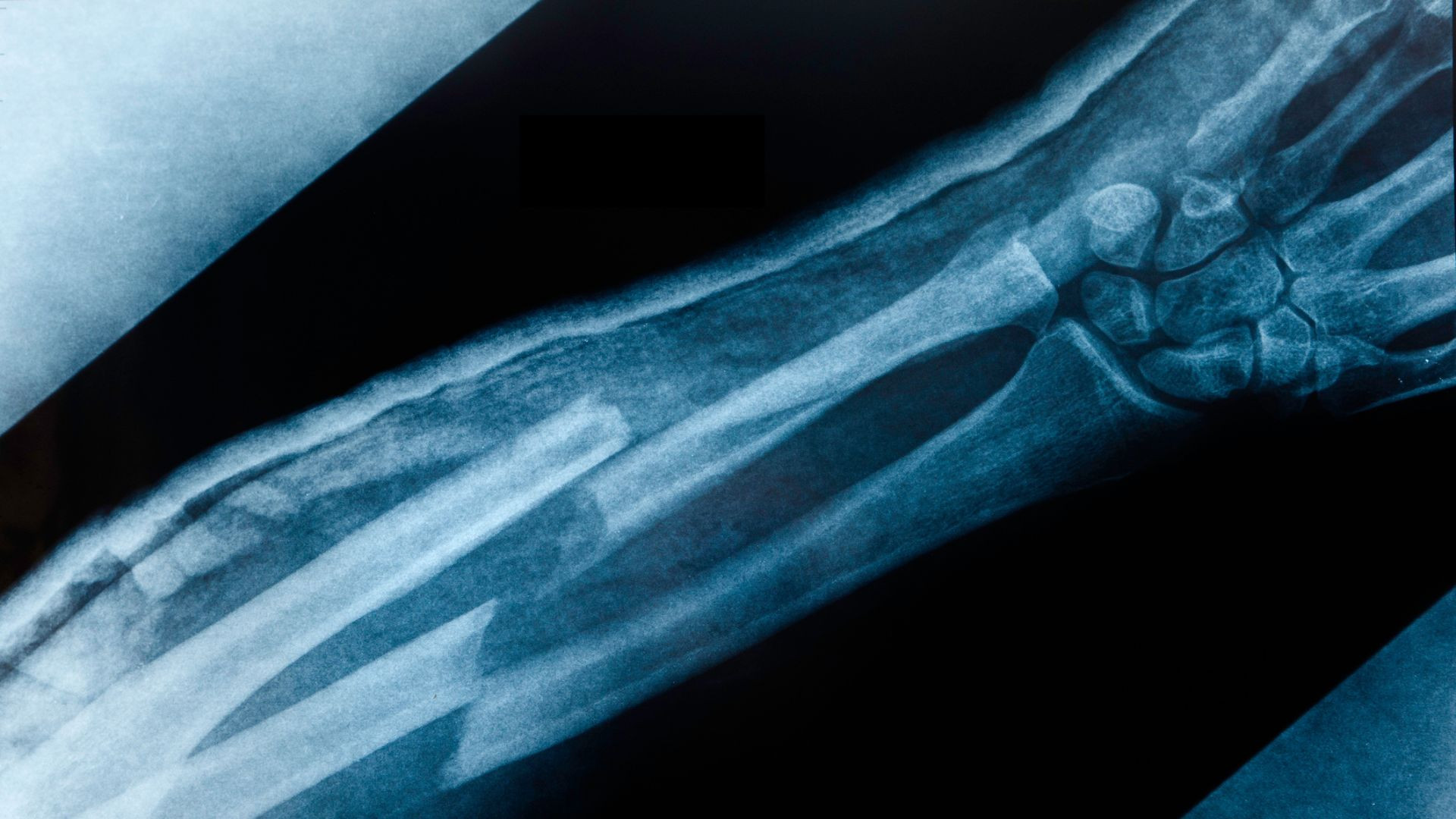
Researchers at KAIST have developed a pioneering "bone bandage" that combines piezoelectric materials and hydroxyapatite to regenerate damaged bones in mice, offering potential for human bone regeneration. The bandage generates electrical signals when pressure is applied, leveraging the known role of piezoelectric materials in bone repair and taking the concept to a new level with the integration of hydroxyapatite.
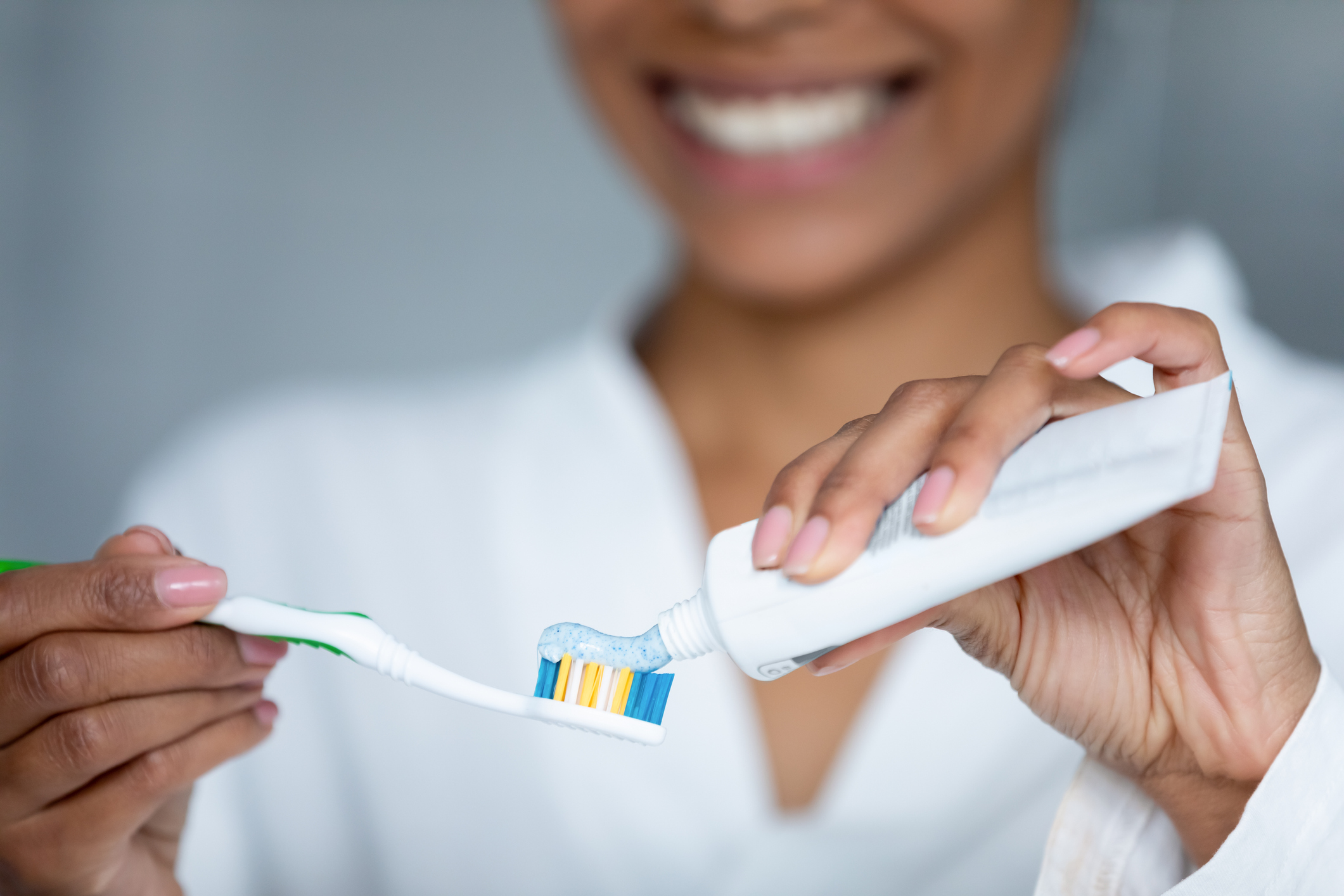
A study conducted by researchers at the Poznan University of Medical Sciences in Poland has found that hydroxyapatite, a naturally occurring mineral found in human teeth and bones, is as effective as fluoride in preventing cavities. The study involved 171 adult participants who were given either fluoride toothpaste or hydroxyapatite toothpaste to use for 18 months. At the end of the study, there was no statistical difference in the efficacy of the two toothpastes. Hydroxyapatite has several advantages over fluoride, including superior performance in treating sensitive teeth and being safe in case of accidental ingestion. The findings suggest that hydroxyapatite could be a safe and effective alternative to fluoride in dental care.
A new study suggests that hydroxyapatite, a calcium phosphate mineral found naturally in teeth and bones, could be a viable alternative to fluoride in toothpaste. In a randomized trial, participants who used hydroxyapatite toothpaste showed no significant difference in new cavities compared to those who used fluoride toothpaste. Hydroxyapatite limits demineralization and boosts the natural repair process of teeth, making it a safe and effective option for daily use. While further research is needed, hydroxyapatite shows promise in preventing dental caries in both adults and children.
A clinical trial has found that toothpaste containing hydroxyapatite, a calcium phosphate mineral, is as effective as fluoride toothpaste in preventing cavities. Hydroxyapatite can inhibit demineralization and contribute to remineralization of teeth, making it a safe and effective alternative for daily use. The 18-month-long trial involving 189 adults showed no statistical difference in efficacy between the two toothpastes, with nearly 90% of patients in both groups having no new cavities. This finding is significant for public health, as it offers an alternative to fluoride toothpaste, which can pose health risks, especially for children who consume excessive amounts.