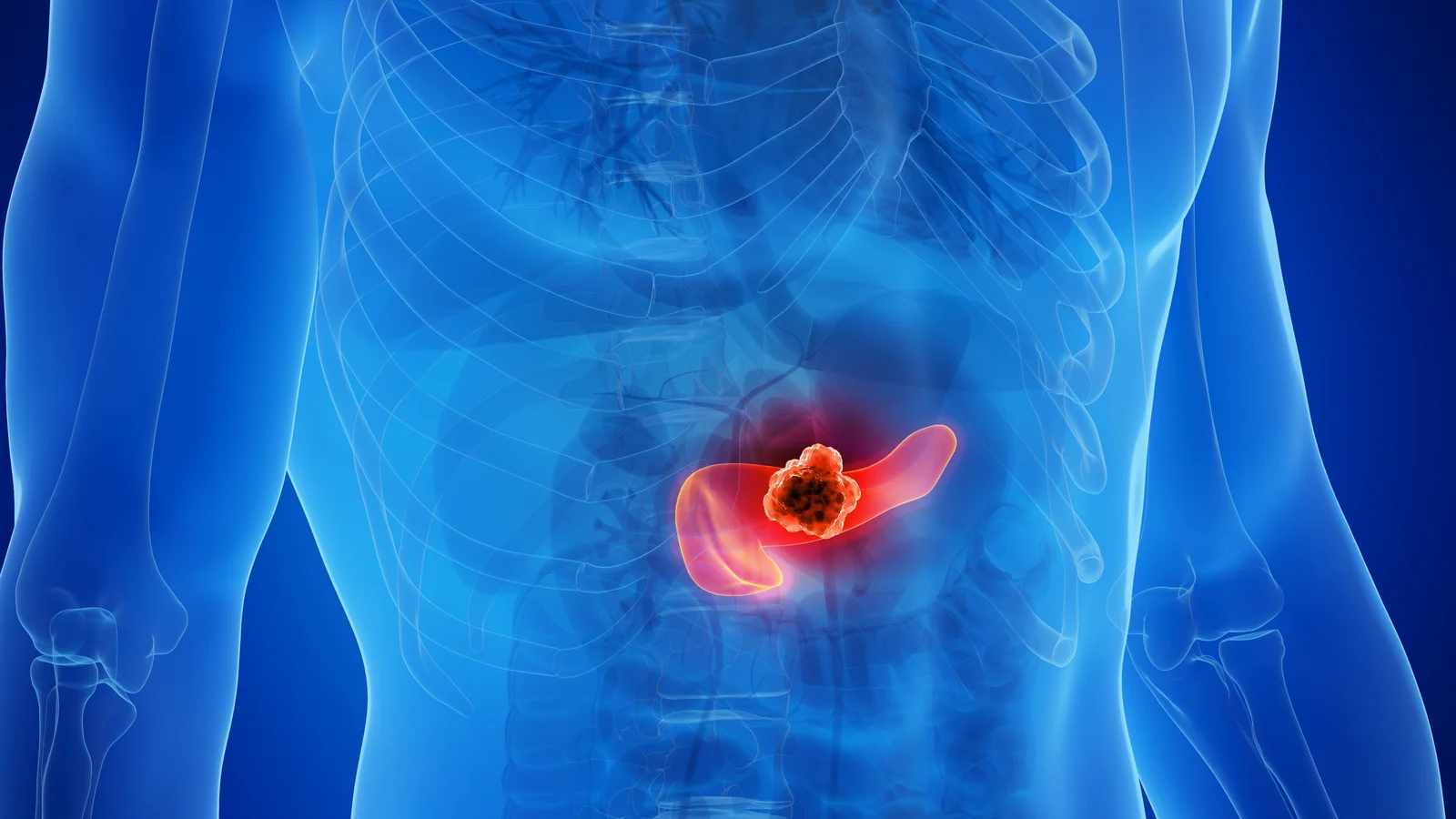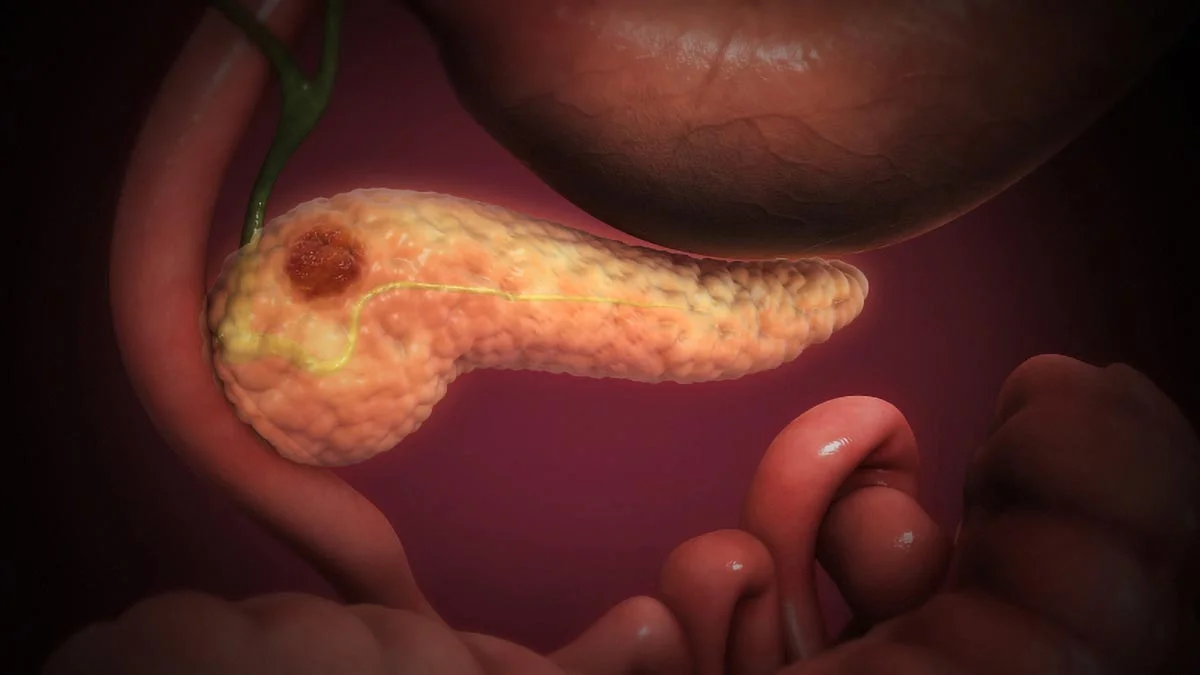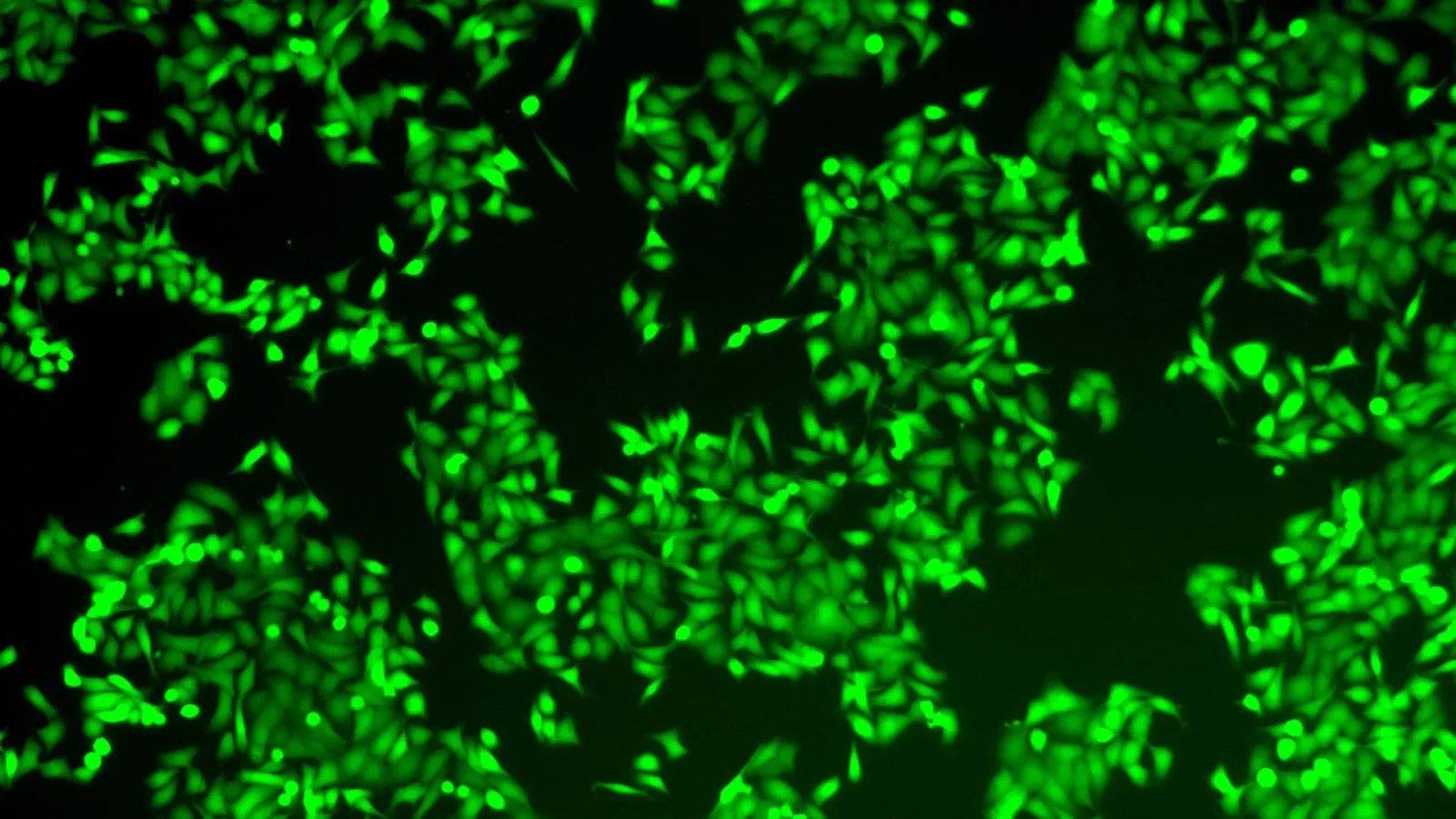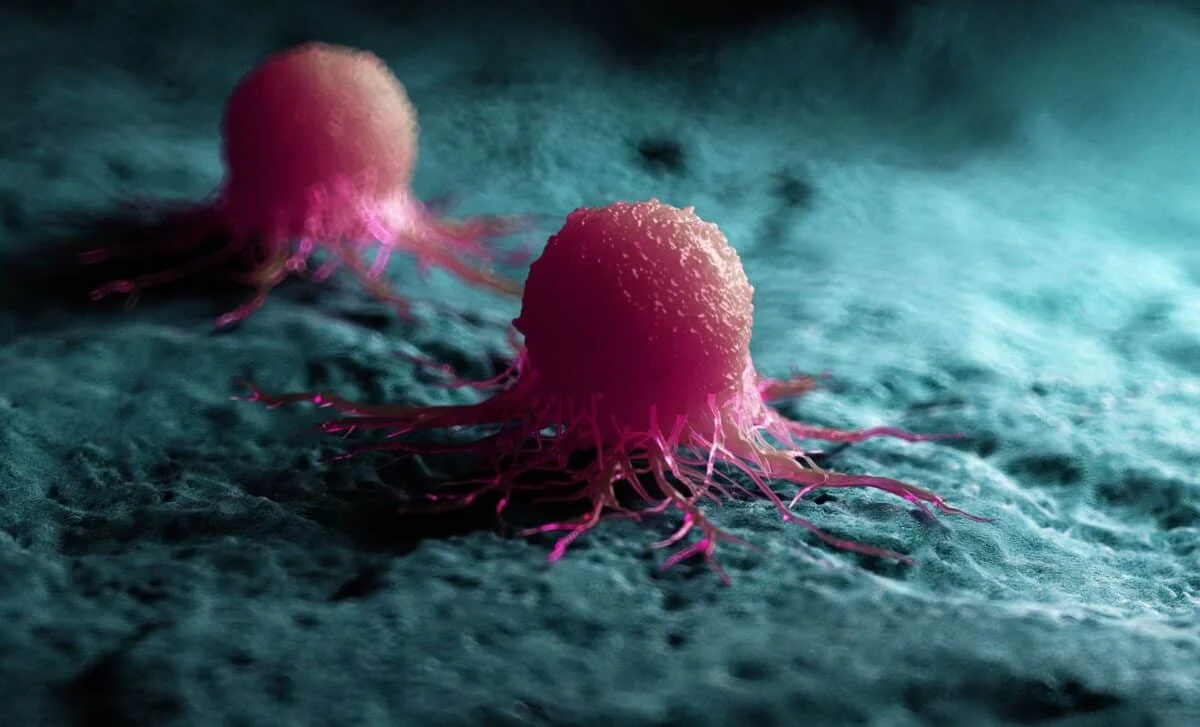
Researchers have identified a molecular circuit involving SRSF1, AURKA, and MYC that drives aggressive pancreatic cancer. They developed an antisense oligonucleotide that disrupts this circuit, causing cancer cells to die, which could lead to new treatments for pancreatic cancer in the future.
A new KRAS inhibitor drug, daraxonrasib, shows promising results in clinical trials for pancreatic cancer, offering hope for improved survival and quality of life for patients with this deadly disease, with the potential for faster approval due to government designations.
In China, AI-powered tools are successfully detecting pancreatic cancer in routine CT scans, leading to early diagnosis and treatment, exemplified by a case where a tumor was identified early enough for successful removal.
Scientists at Northwestern Medicine have discovered that pancreatic tumors evade immune attack by using a sugar-based signal to hide, but they developed a monoclonal antibody that can restore immune responses in mice, offering hope for new treatments.
New blood tests like the Grail Galleri offer hope for early detection of pancreatic cancer, which is crucial as most cases are diagnosed late with poor survival rates. Early detection can significantly improve treatment outcomes, but current screening options are limited, and the disease remains deadly, especially in Ohio where incidence and mortality rates are high. Researchers emphasize the importance of clinical trials and awareness efforts to improve prognosis and develop better therapies.
Former Senator Ben Sasse announced he has been diagnosed with terminal stage-four pancreatic cancer, expressing his faith and hope despite the prognosis, and sharing his reflections on death and dying.
Former Senator Ben Sasse announced he has stage-four pancreatic cancer, describing it as a 'death sentence,' but expressed a fighting spirit and hope during the holiday season.
Former Senator Ben Sasse announced he has been diagnosed with stage-four pancreatic cancer, describing it as a death sentence but expressing a fight spirit and gratitude for his family, while highlighting the disease's late diagnosis and limited treatment options.
Former Senator Ben Sasse announced he has been diagnosed with advanced, stage-four pancreatic cancer, expressing acceptance and gratitude, and drawing hope from his Christian faith. The news has elicited support from colleagues and friends, highlighting his service and values.
Ben Sasse, the former senator and university president, announced he has stage 4 pancreatic cancer, but remains optimistic and committed to fighting the disease, sharing his outlook on life and faith amidst his diagnosis.
Former GOP Senator Ben Sasse announced he has terminal stage-four pancreatic cancer, describing it as a 'death sentence' and reflecting on the personal and emotional impact of his diagnosis.
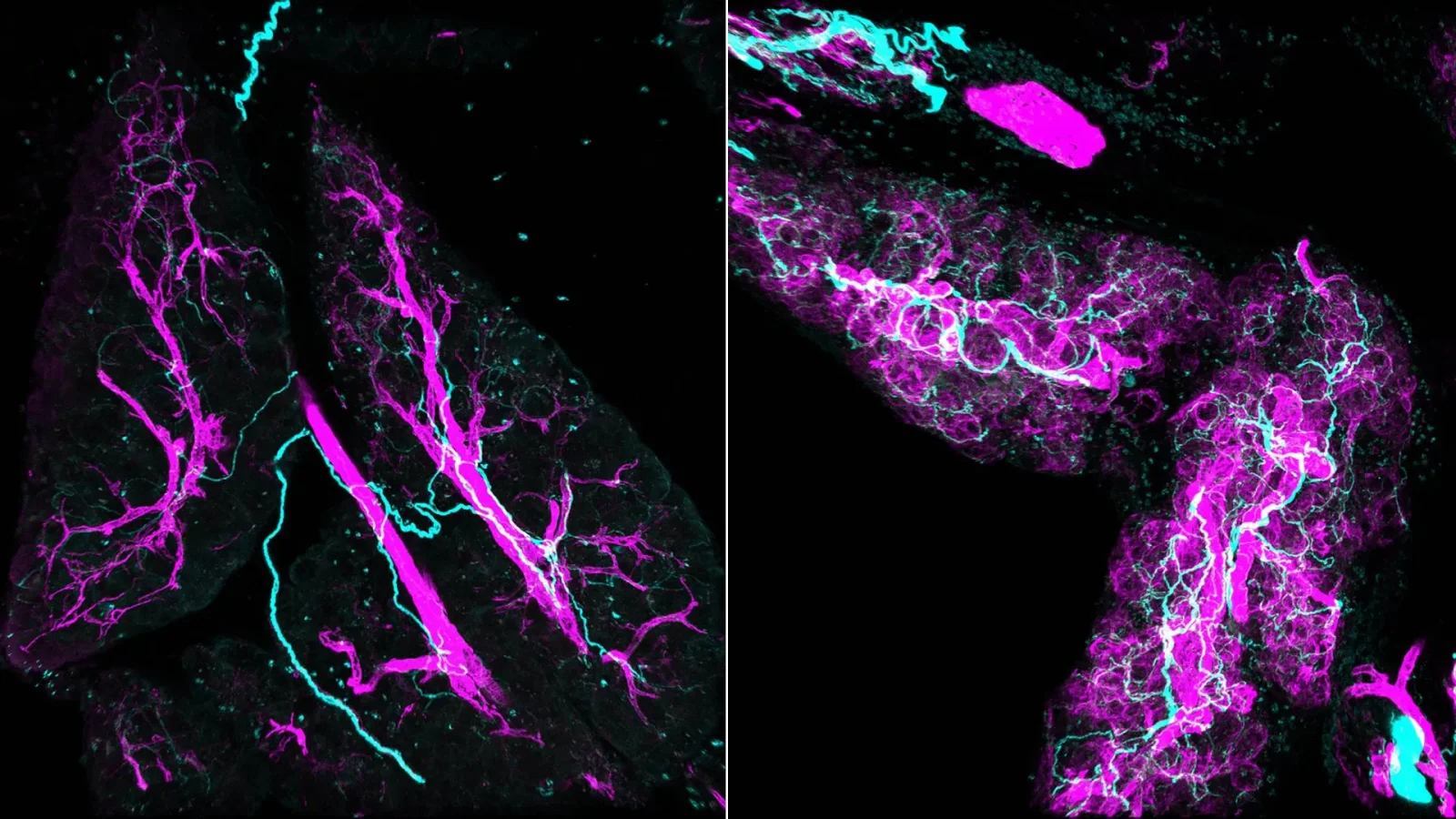
Scientists at TUM discovered that pancreatic tumors form pseudosynapses by exploiting the nervous system, using glutamate to promote tumor growth via NMDA receptors. Blocking these receptors in mice slowed tumor progression, suggesting new therapeutic avenues.,
Debby Orcutt, a 69-year-old diagnosed with pancreatic cancer, enrolled in a clinical trial for an experimental drug, highlighting hope for new treatments against one of the deadliest cancers and raising questions about the timing of such interventions.
Northwestern scientists discovered that pancreatic tumors use a sugar-based disguise to evade the immune system by signaling 'don't attack,' but they developed a monoclonal antibody that blocks this signal, reactivating immune cells to attack the cancer in preclinical models, paving the way for potential new treatments.
Leg pain, swelling, redness, and warmth can be early signs of pancreatic cancer, often linked to blood clots or circulatory problems, highlighting the importance of recognizing subtle symptoms for early diagnosis and treatment.