The article discusses how the decline in winter cold and frost days due to climate change disrupts key biological processes in plants and pests, affecting agriculture and ecosystems. Cold is essential for plant vernalization, pest control, and ecological balance, but warming winters threaten these functions, leading to potential crop failures and ecological shifts. Scientists are exploring ways to mimic or stabilize cold responses in plants through genetic and epigenetic techniques to adapt to a changing climate.
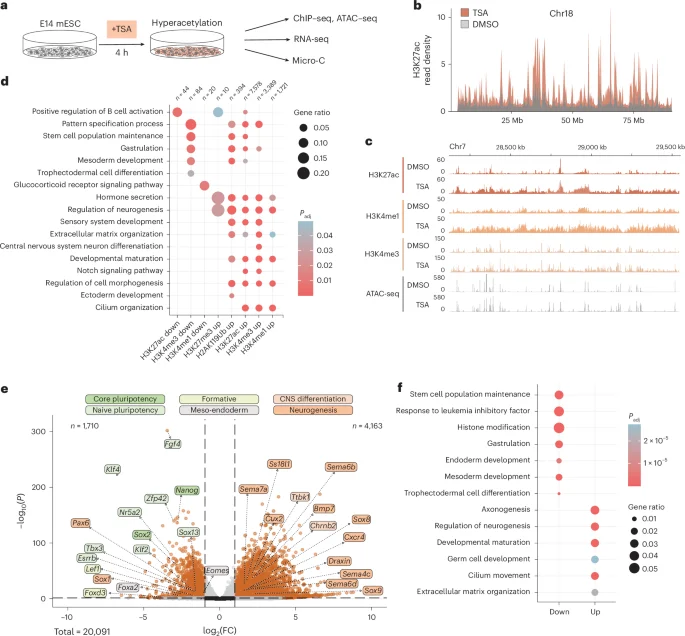
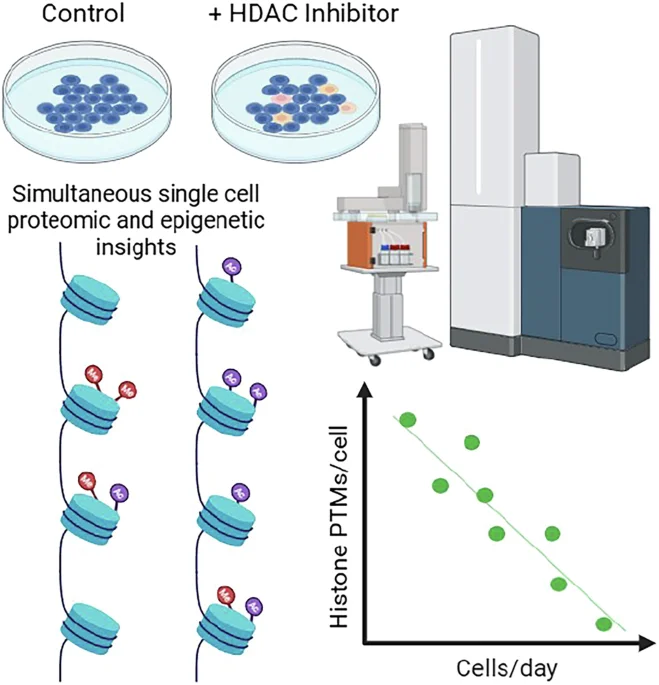
The article discusses advanced methods for analyzing histone deacetylase inhibition effects in human cells through simultaneous single-cell proteomics and epigenetic profiling, utilizing cutting-edge mass spectrometry and sequencing technologies.
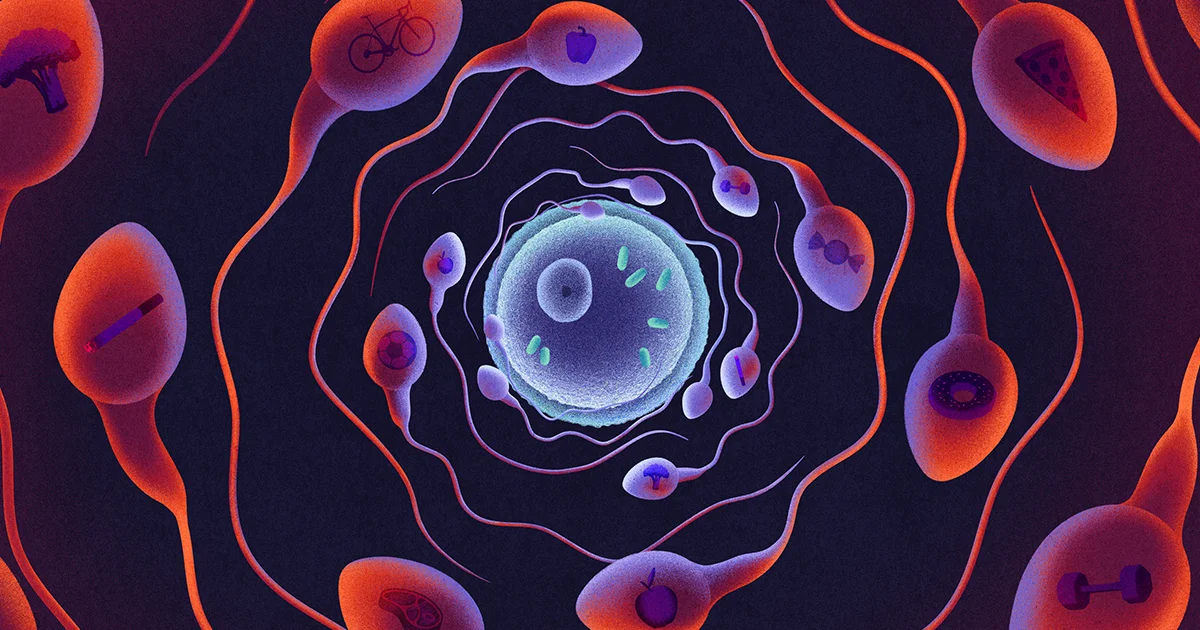
Research suggests that a father's lifestyle and experiences, such as diet and stress, can influence his offspring through molecules like RNA in sperm, challenging traditional views of heredity and indicating a potential epigenetic pathway for passing on traits beyond DNA. However, mechanistic details and human confirmation remain ongoing challenges.
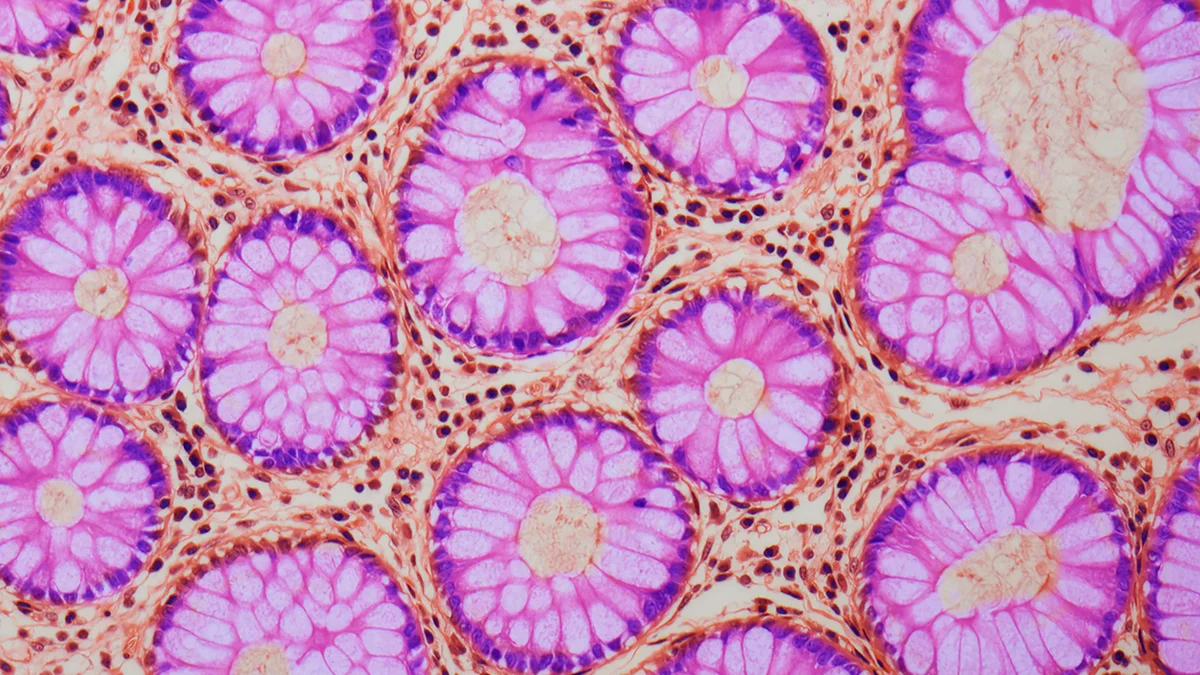
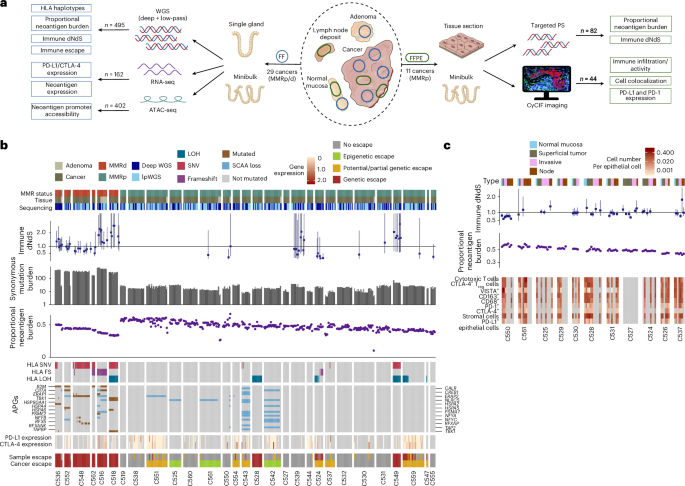
This study explores how epigenetic changes and immune microenvironment interactions drive early immune evasion in colorectal cancer, highlighting chromatin architecture's role in suppressing neoantigen expression and the importance of early immune escape mechanisms in tumor evolution.
A 2023 study found that cannabis use is associated with epigenetic changes, specifically DNA methylation, which can influence gene expression and potentially impact health, with some markers linked to neurological and other health conditions. The research highlights the lasting biological fingerprints of cannabis but does not establish direct causation.
Researchers used CRISPR-based tools to control the epigenetic state of the Arc gene in memory neurons, demonstrating that turning this switch on or off can strengthen, weaken, or erase memories in mice, with potential implications for treating memory-related conditions.
A San Diego startup will launch myLuma, a blood test with over 80% accuracy, to predict postpartum depression risk by analyzing biomarkers and gene methylation patterns, potentially enabling early intervention and reducing stigma around mental health.
Scientists demonstrated that exercise in male mice can pass on athletic traits to their offspring through epigenetic mechanisms involving microRNAs in sperm, without altering DNA. This effect was also observed in humans, suggesting lifestyle choices of fathers may influence their children's traits. The study highlights a new paradigm in inheritance beyond genetics.
New research shows that child maltreatment causes lasting biological scars on DNA and brain structure, especially involving the FOXP1 gene, which affects emotional and social brain regions. These epigenetic changes can serve as biomarkers for early detection and intervention, highlighting the biological impact of childhood trauma.
Researchers have developed a blood test using 200 biomarkers that can diagnose severe CFS/ME with 96% accuracy, offering hope for better diagnosis, but experts remain cautious about its current validation and applicability to all patient stages and conditions.
A study suggests that COVID-19 infection in male mice causes changes in sperm that may lead to increased anxiety and altered brain development in their offspring, indicating potential long-lasting effects of the virus on future generations, though further research in humans is needed.
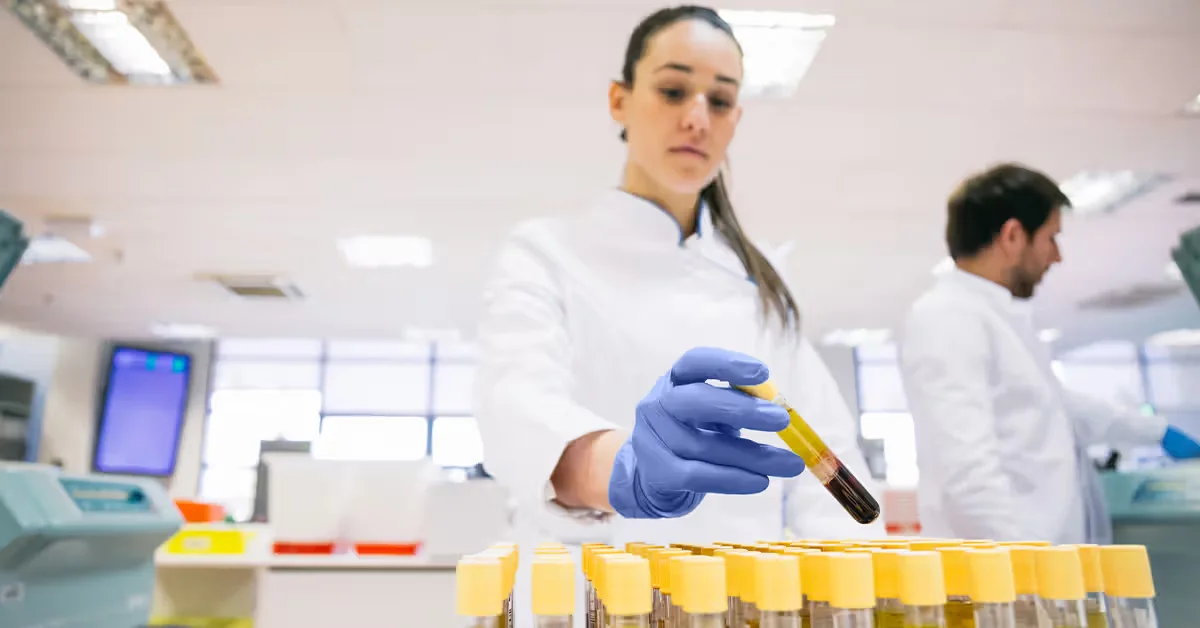
Scientists in the UK have developed a blood test analyzing epigenetic changes in immune cells that could potentially diagnose chronic fatigue syndrome (ME/CFS), offering hope for earlier and more accurate diagnosis, though further research is needed due to the small study size.
Scientists have developed the first blood test to diagnose chronic fatigue syndrome (ME/CFS) with high sensitivity and specificity, potentially enabling earlier and more accurate diagnosis, though further validation is needed before clinical use.
The article discusses the severe and lasting health impacts on children in Gaza, like 22-month-old Rewan, caused by Israeli siege, trauma, and starvation, which may lead to long-term genetic and epigenetic damage affecting future generations, highlighting the urgent need for international intervention to stop the suffering and prevent a potential genetic disaster.
Research shows that lifelong social advantages, including supportive relationships and community engagement, can slow biological aging by affecting epigenetic markers and reducing inflammation, highlighting the importance of sustained social connections for healthy aging.