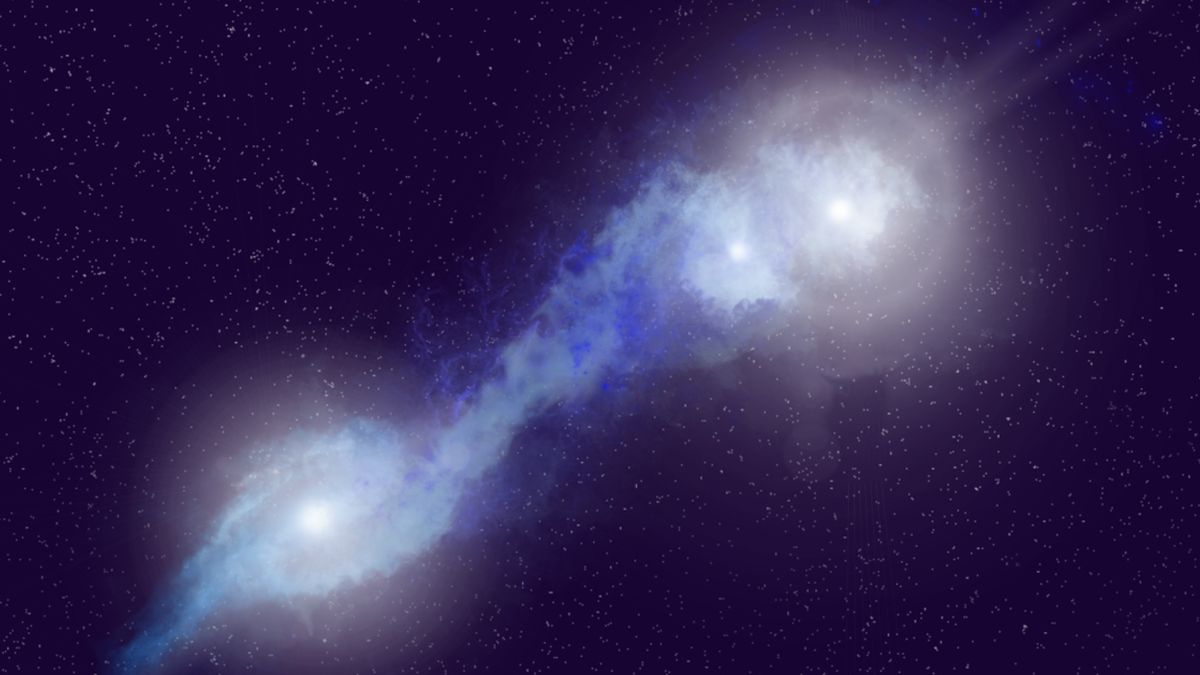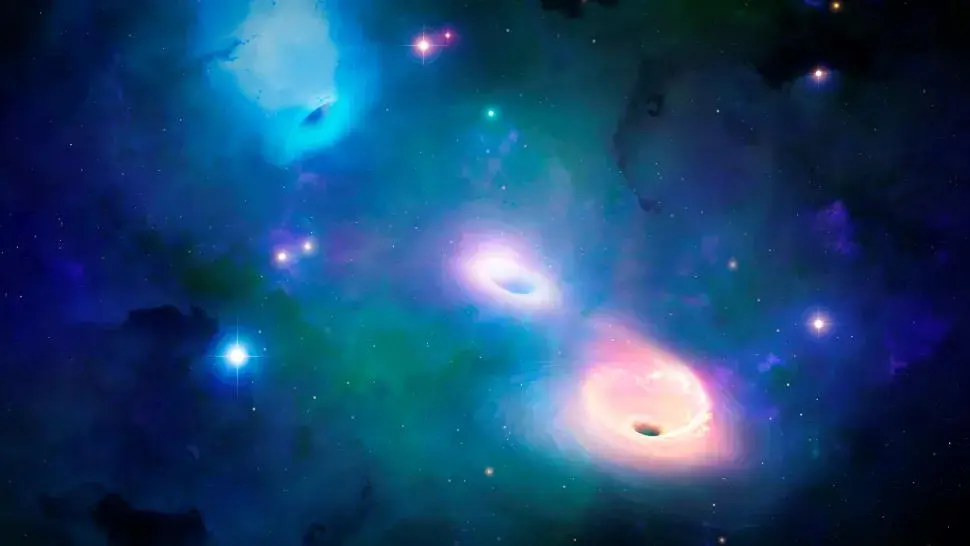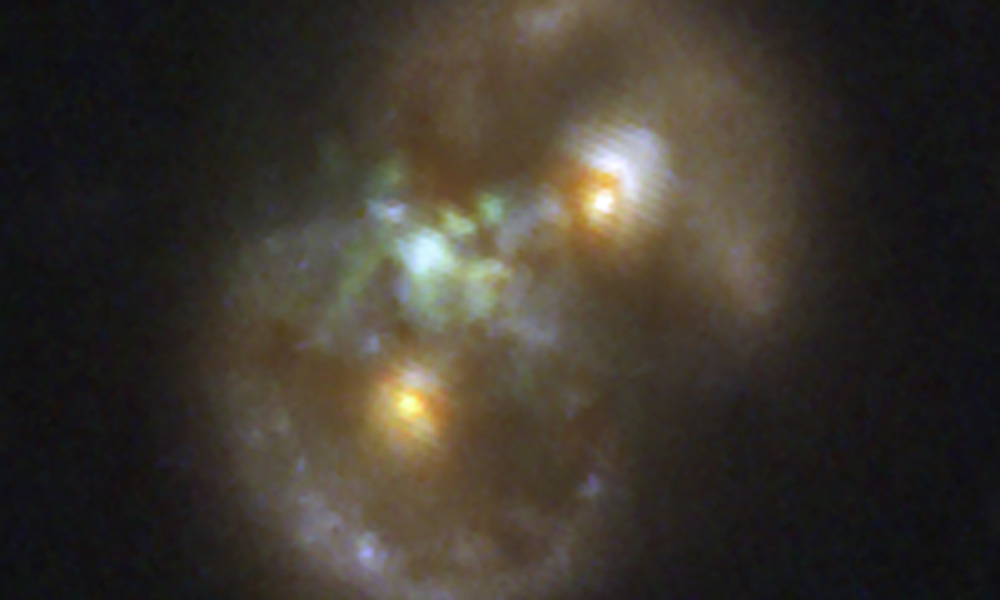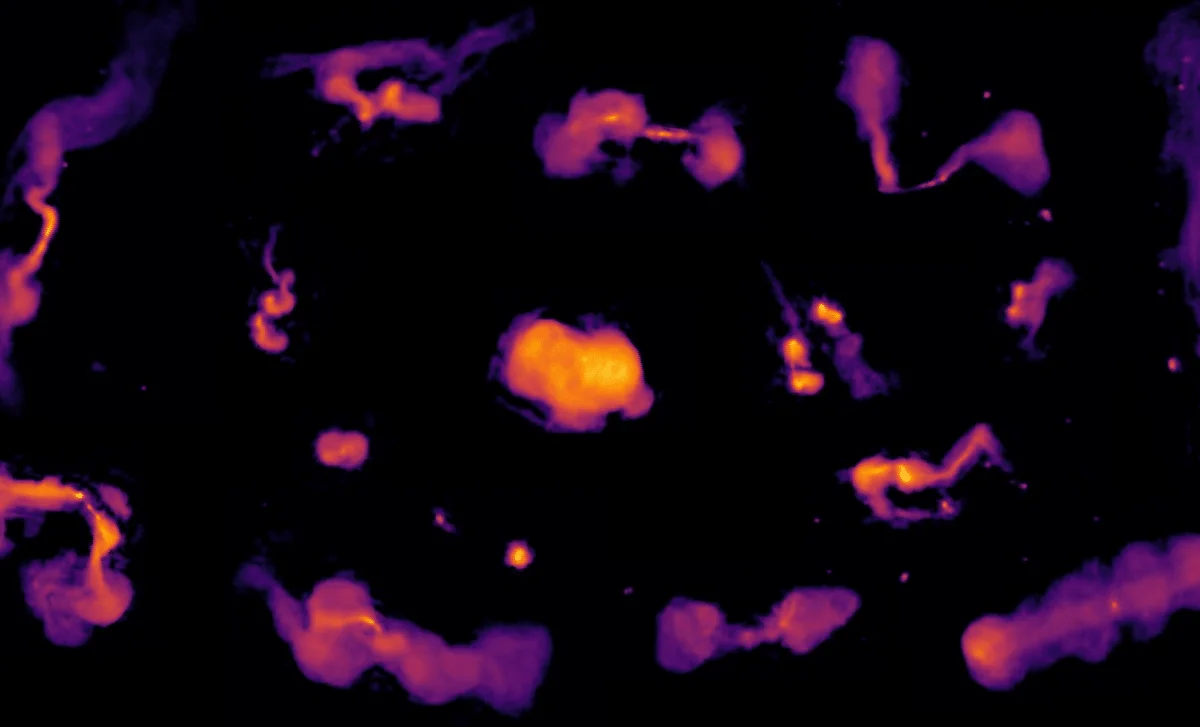
Astronomers have discovered a rare cosmic event involving three galaxies in the process of merging, each hosting an actively feeding supermassive black hole emitting radio jets, providing new insights into galaxy and black hole growth.
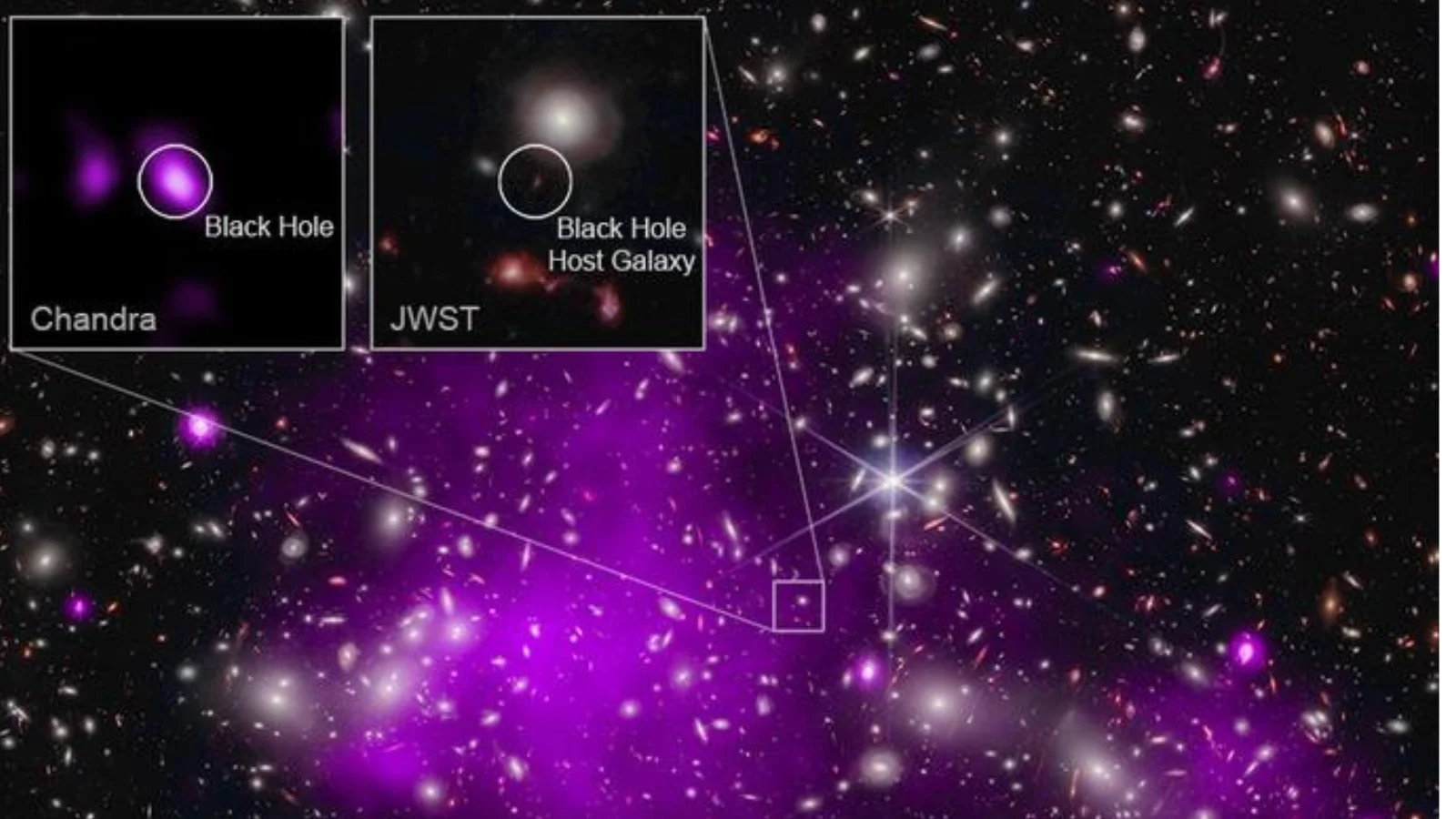
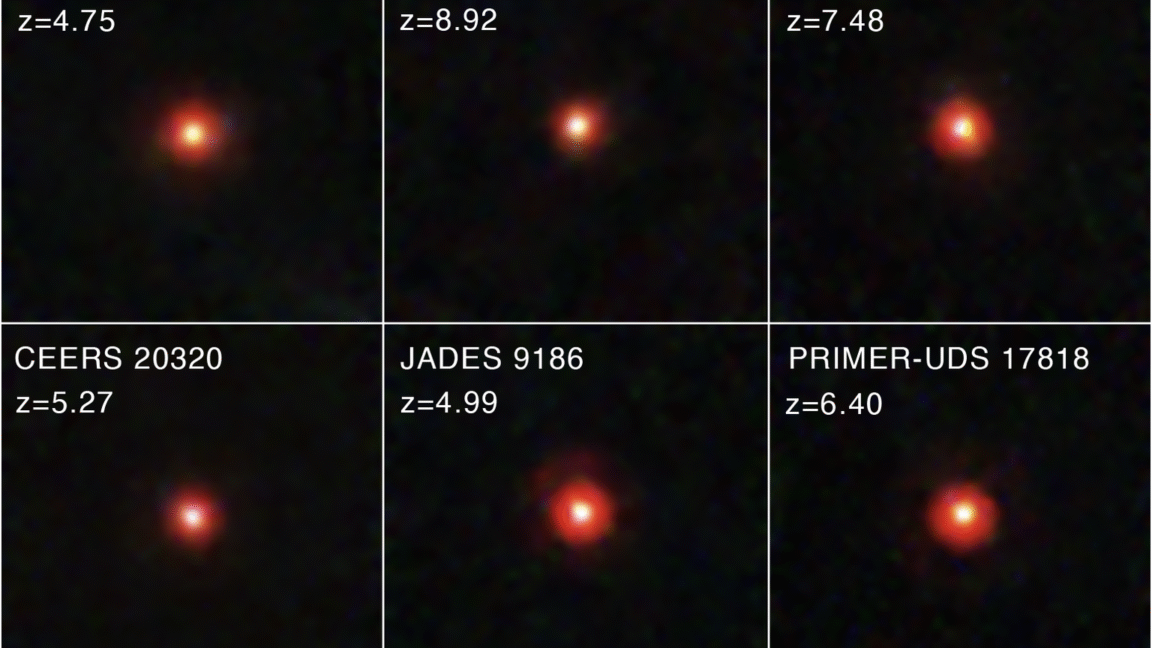
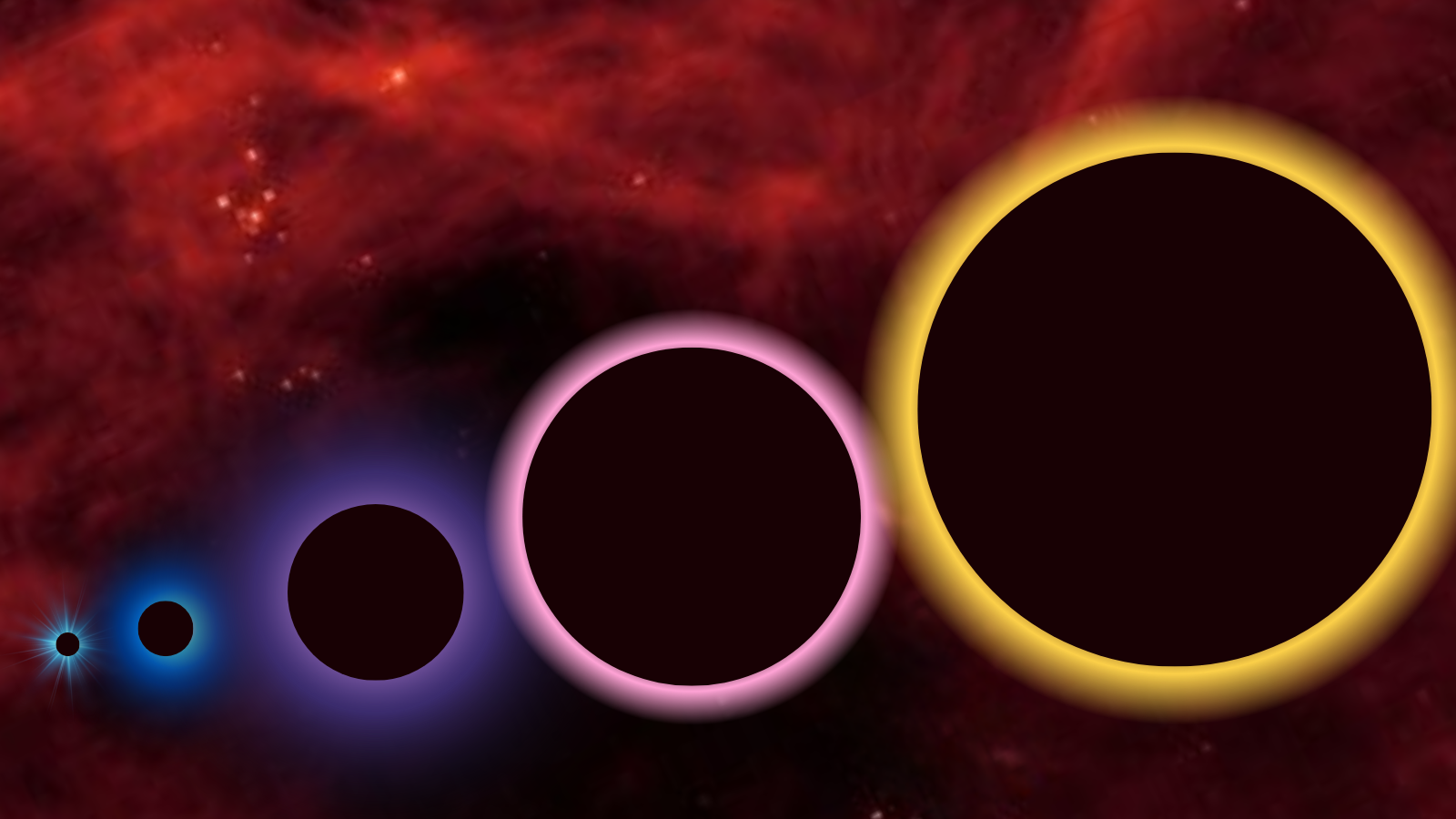
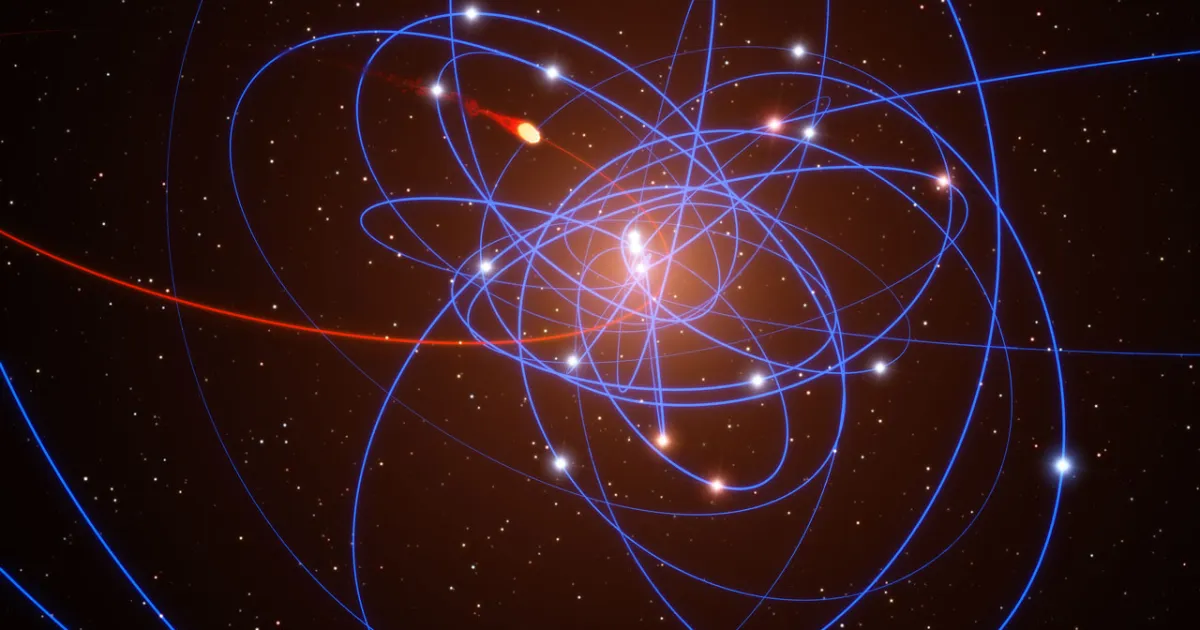
2025 was a groundbreaking year for black hole research, featuring discoveries such as a rapidly feeding black hole in the early universe, a runaway supermassive black hole moving at incredible speeds, space tornadoes around the Milky Way's core, energetic flares from our galaxy's black hole, and the detection of the universe's most distant and possibly most massive black holes, all facilitated by advanced telescopes like JWST and ALMA.
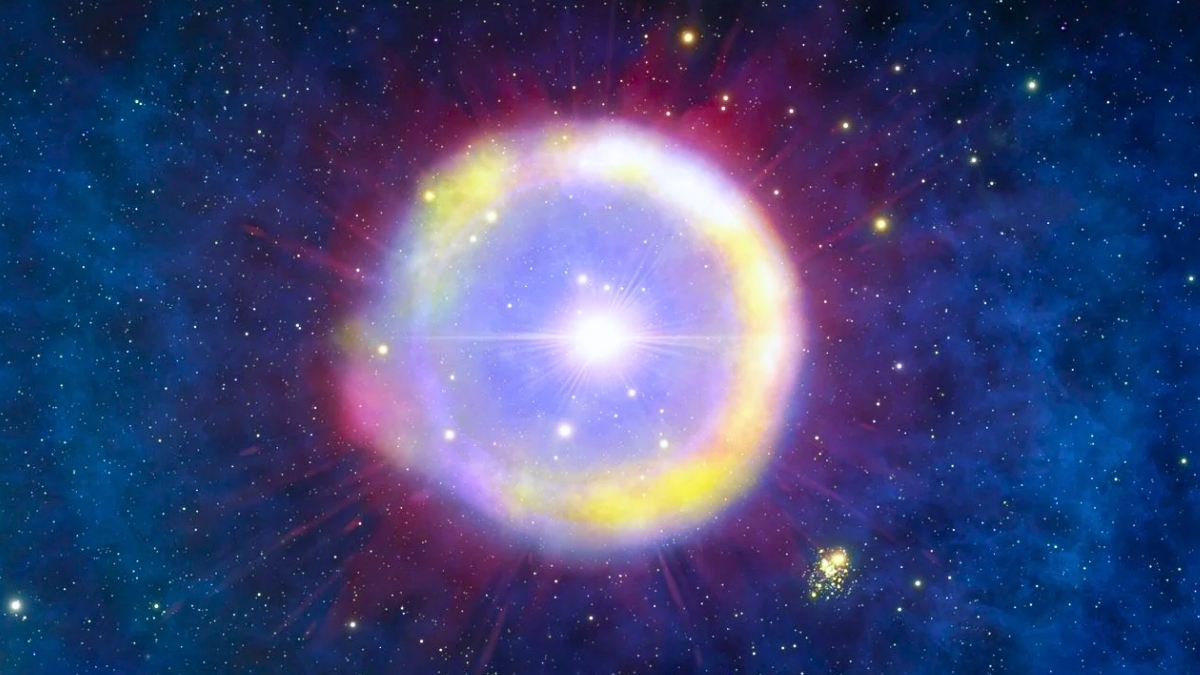
Using the JWST, scientists found evidence supporting the existence of 'monster stars' in the early universe, which could have been the seeds for supermassive black holes, by analyzing chemical signatures in a distant galaxy that indicate the presence of extremely massive primordial stars.
Researchers used advanced cosmological simulations to study the early universe, revealing that runaway black hole mergers within dense star clusters may have played a crucial role in forming supermassive black holes, with the simulations showing rapid star formation and cluster merging in the galaxy's nucleus.
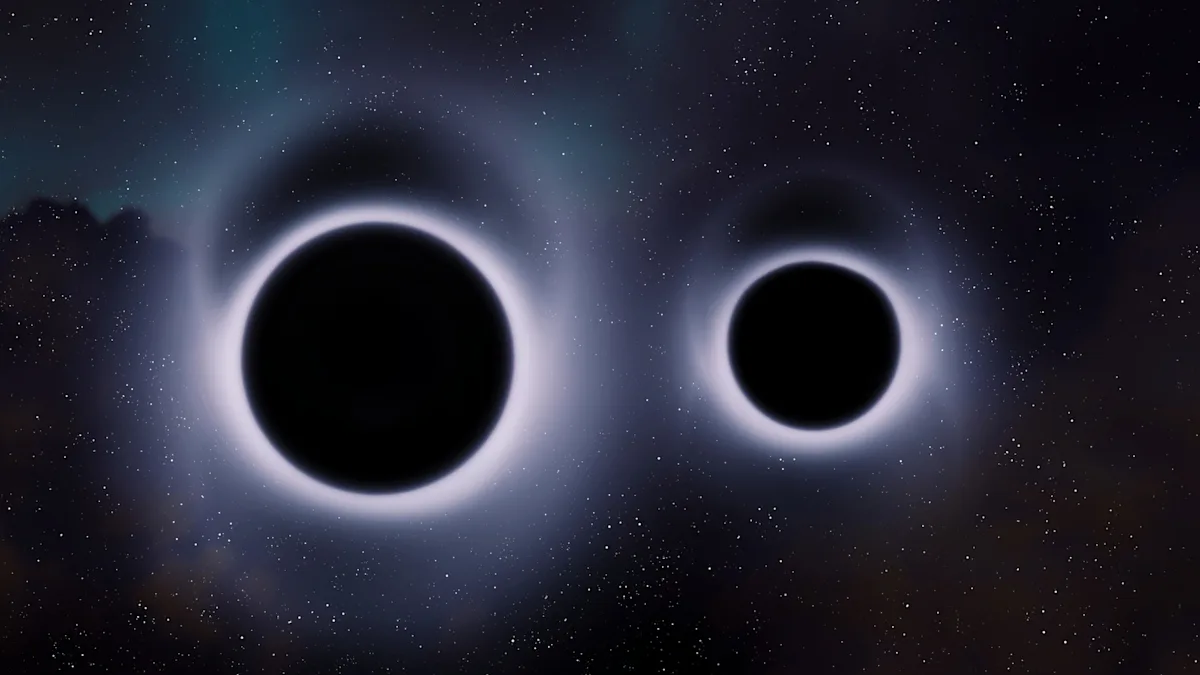
Scientists have captured the first direct radio images of a pair of supermassive black holes orbiting each other inside the quasar OJ287, located 5 billion light-years away, confirming long-held theories about black hole pairs and opening new avenues for understanding their formation and evolution.
A new theoretical model proposed by Jonathan Tan suggests that supermassive black holes formed from the remnants of the earliest stars, potentially revolutionizing our understanding of black hole origins and the Epoch of Reionization, supported by recent Webb observations of early black hole seeds and bright galaxies.
A recently measured black hole at the center of a galaxy 5 billion light-years away weighs 36 billion solar masses, making it the heaviest ever precisely measured, and supporting the idea that black holes likely formed before stars in galaxy evolution.
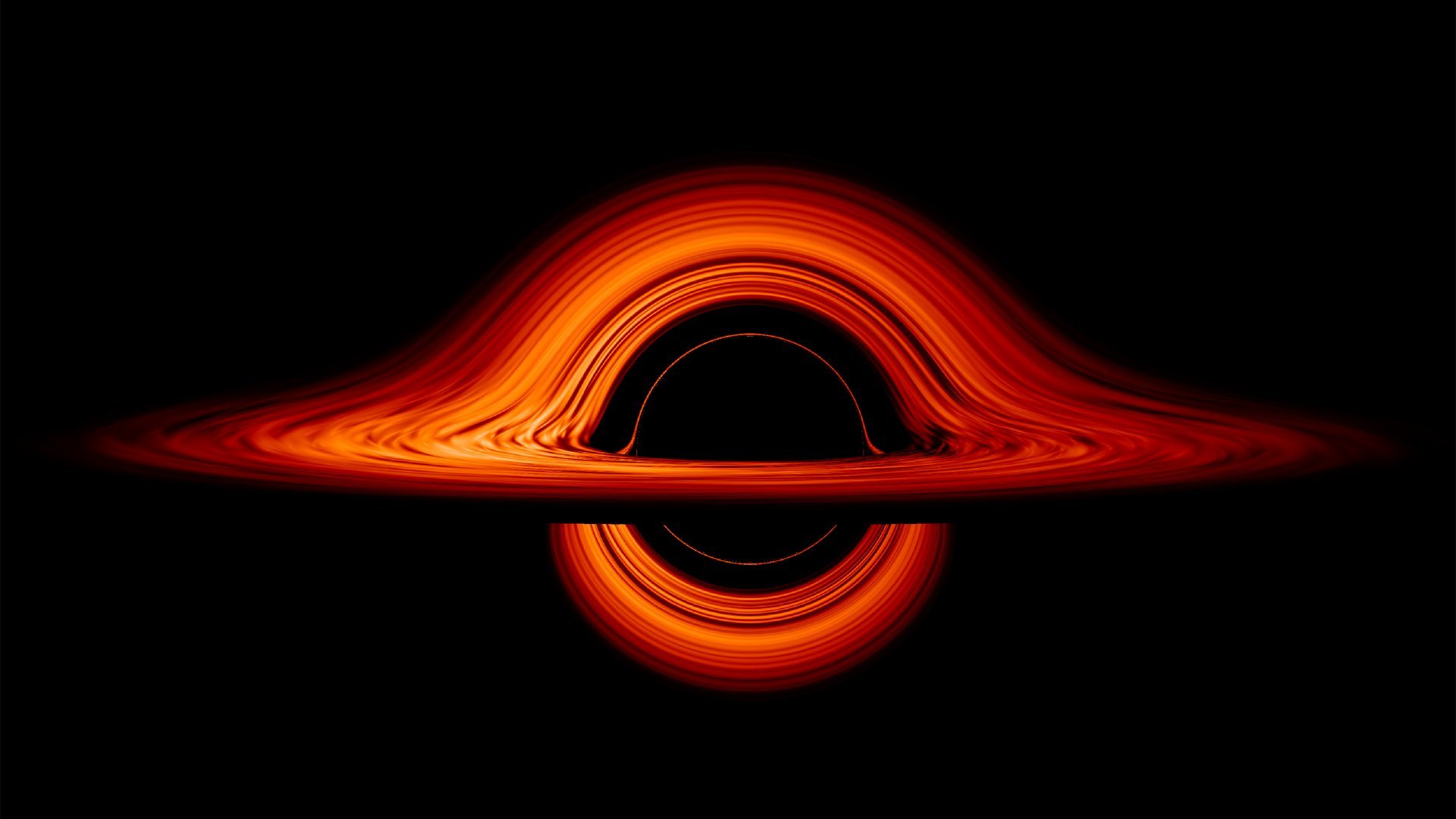
The article discusses the extreme black hole system OJ 287, which is the most massive known binary supermassive black hole system, located about 4 billion light-years away. It highlights how such systems emit gravitational waves, which are challenging to detect due to their long wavelengths, requiring advanced space-based detectors like LISA or pulsar timing arrays. The system's dynamics, including periodic flares caused by the smaller black hole crossing the larger one's accretion disk, are consistent with Einstein's general relativity. In about 10,000 years, these black holes are expected to merge, releasing an enormous amount of gravitational wave energy.
Scientists using the James Webb Space Telescope have observed the 'Infinity Galaxy,' providing evidence supporting the theory that some supermassive black holes form through direct collapse of gas clouds during galaxy collisions, rather than merging of smaller black holes.
Primordial black holes formed shortly after the Big Bang may have rapidly grown into supermassive black holes, potentially explaining their early appearance in the universe, as suggested by recent cosmological simulations and observations from the James Webb Space Telescope.
New research indicates that supermassive black holes are more common than previously thought, with about 35% hidden by dust, which impacts our understanding of galaxy development and black hole growth, using infrared and X-ray data to uncover these obscured objects.
Recent cosmological simulations suggest that primordial black holes formed shortly after the Big Bang could have rapidly grown into supermassive black holes, potentially explaining the presence of such massive objects in the early universe, as observed by the James Webb Space Telescope. This theory offers an alternative to traditional growth models, proposing that primordial black holes, which do not rely on star collapse, could have had a head start in accumulating mass and settling at galactic centers.
The article explores the role of supermassive black holes in anchoring tiny galaxies, highlighting that smaller galaxies tend to be more dark matter dominated and may host supermassive black holes, with some evidence suggesting a connection between black holes and the structure of these faint galaxies, especially in the context of dark matter and galaxy formation.
Scientists propose that supermassive black holes could serve as natural particle colliders, generating high-energy particles that might help detect dark matter, offering a potentially cost-effective alternative to building next-generation terrestrial colliders.
A study using XMM-Newton and Chandra telescopes has linked X-ray emissions from 21 distant quasars to rapid growth of supermassive black holes in the early Universe, suggesting they grew through super-Eddington accretion rates. This challenges conventional physics by showing how these black holes, with masses billions of times that of the Sun, formed quickly within a billion years after the Big Bang. The findings, part of the HYPERION project, provide insights for future X-ray missions to better understand the formation of early cosmic structures.