Tag

Galaxy Clusters

All articles tagged with #galaxy clusters

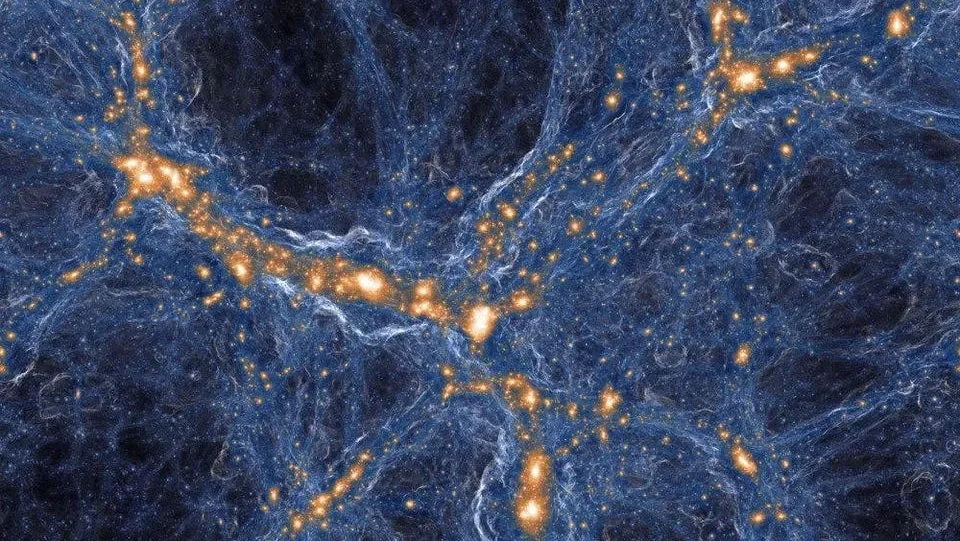
Scientists Race to Uncover Dark Matter's Hidden Nature

Originally Published 3 days ago — by Space

Featured image for Scientists Race to Uncover Dark Matter's Hidden Nature
Source: Space

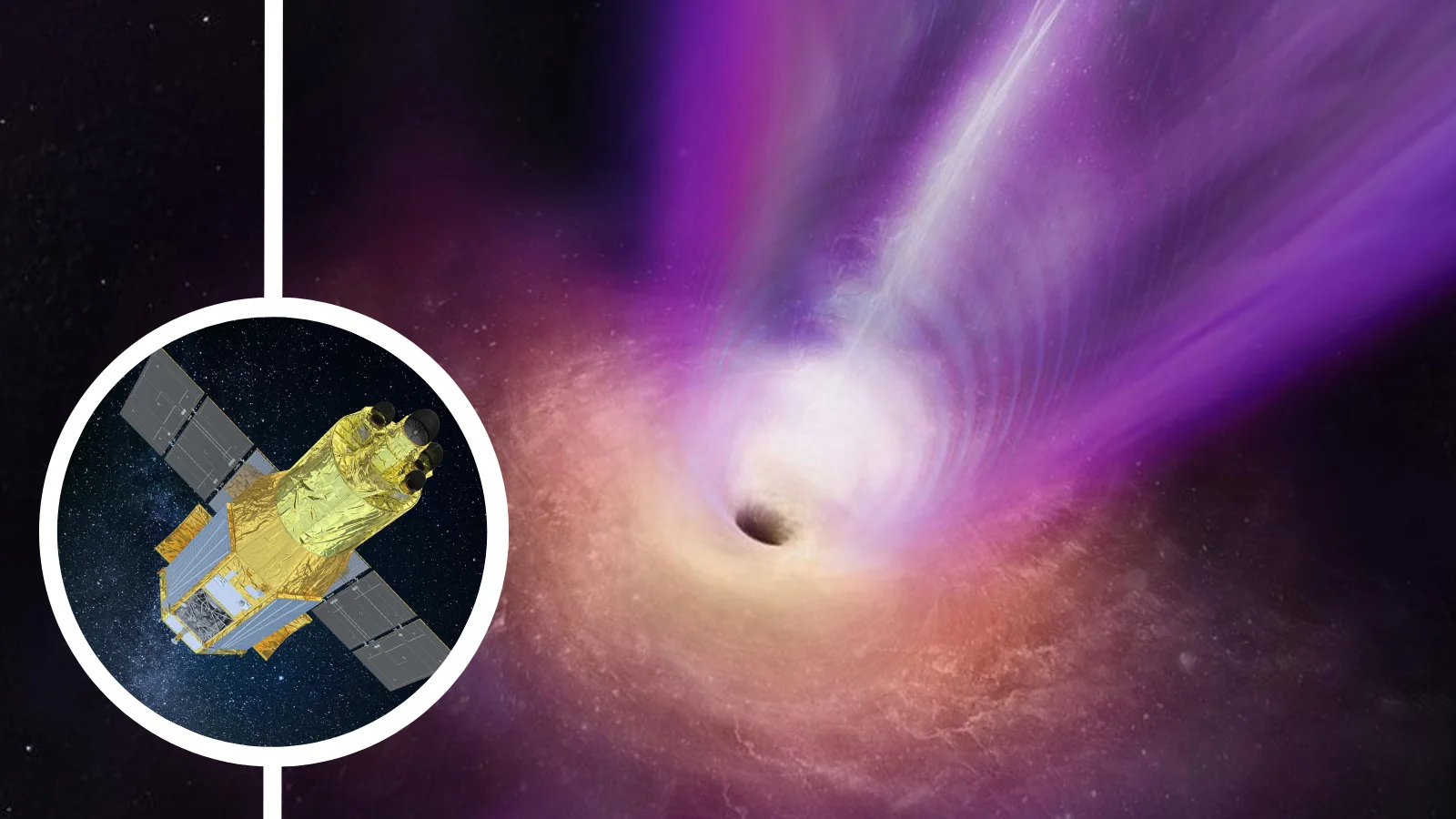
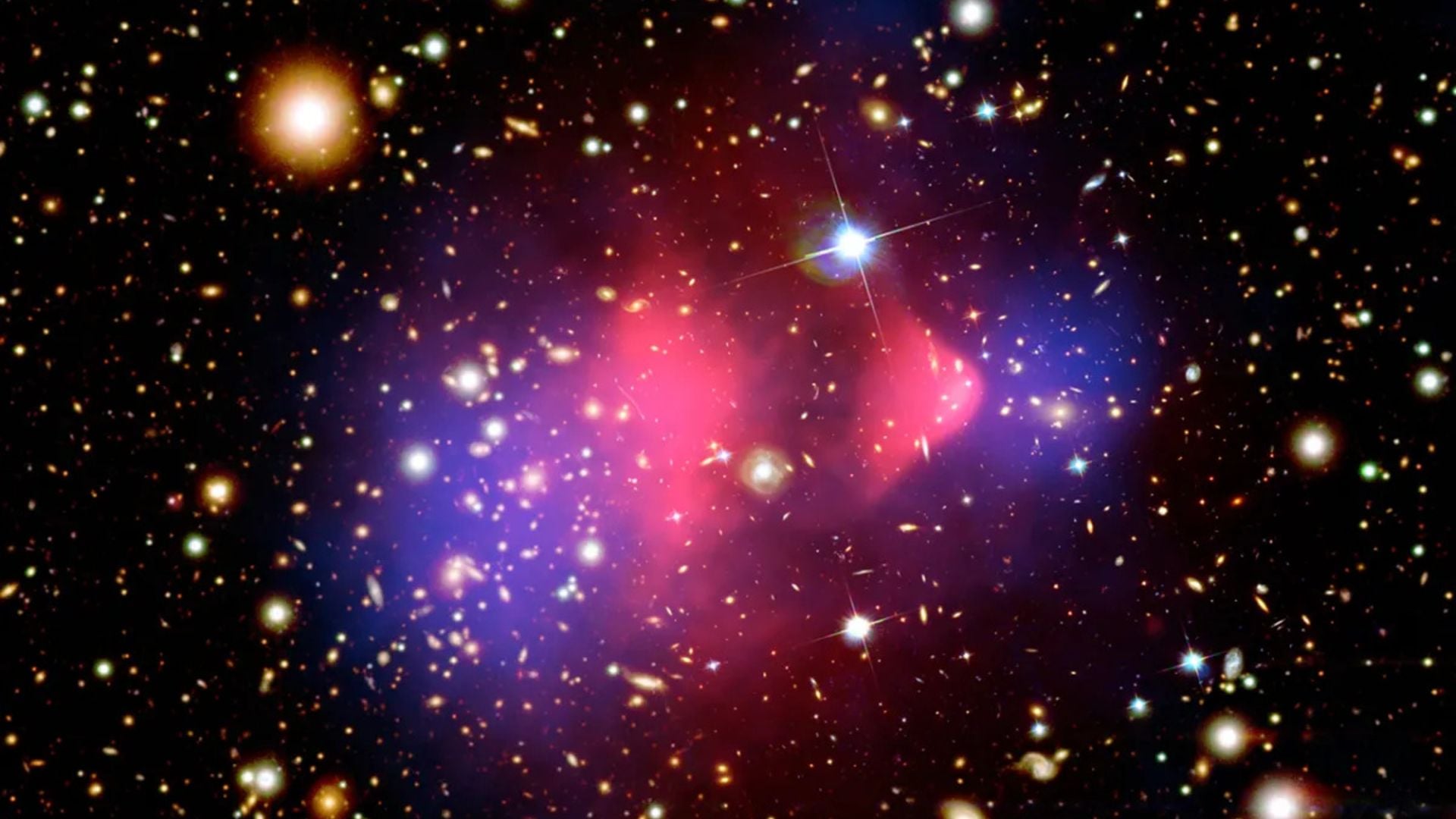
Scientists are exploring the nature of dark matter, which makes up about 85% of the universe's matter, by studying galaxy clusters with NASA's XRISM telescope. They are particularly interested in detecting signals from hypothetical particles called sterile neutrinos, which could decay and produce observable X-ray emissions, potentially revealing the particles that constitute dark matter.

Understanding 'Gravitationally Bound' in an Expanding Universe

Originally Published 3 days ago — by Big Think

Featured image for Understanding 'Gravitationally Bound' in an Expanding Universe
Source: Big Think

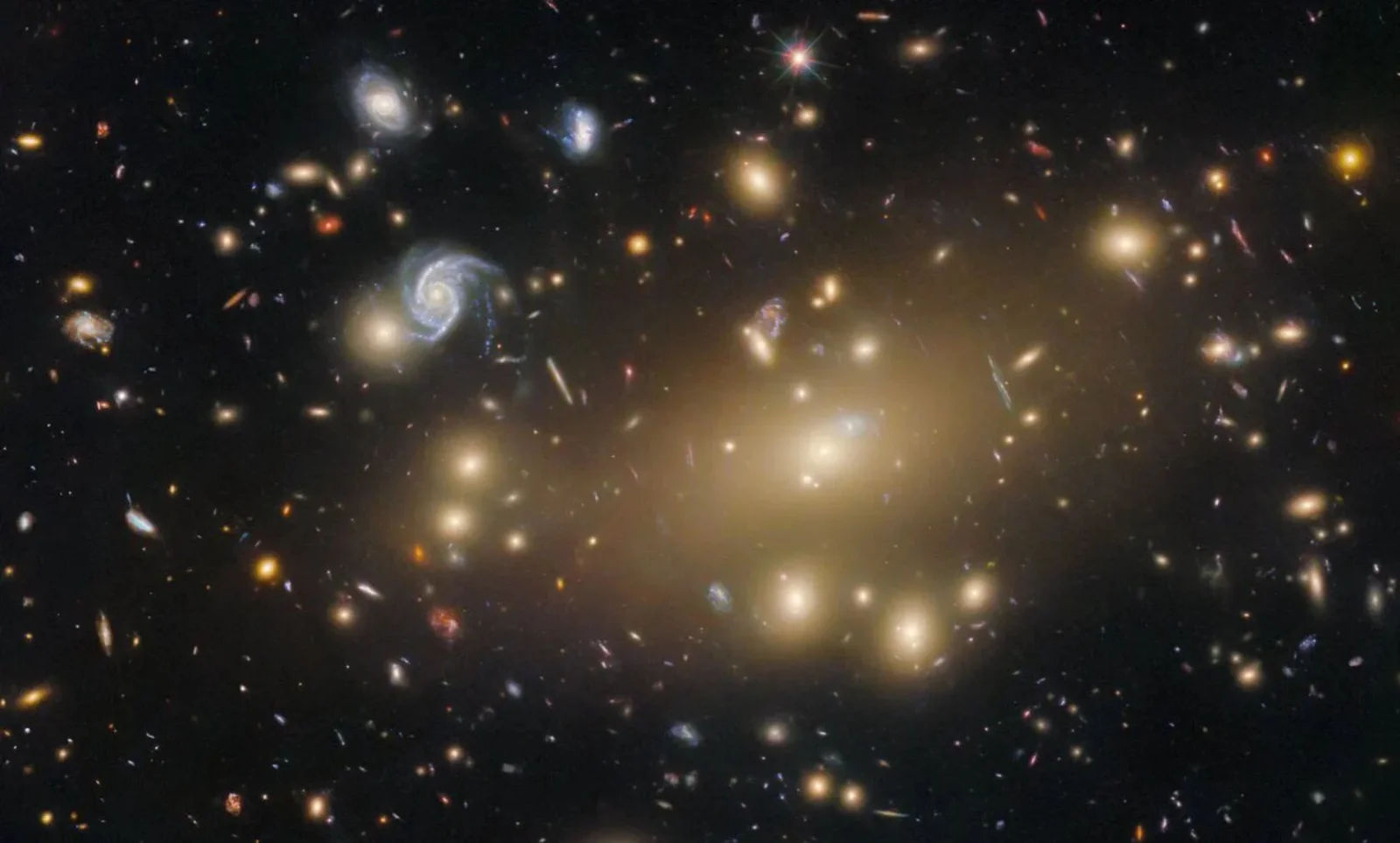
The article explains what it means for objects to be gravitationally bound in an expanding universe, discussing how structures like stars, galaxies, and clusters are held together by gravity despite the universe's overall expansion, and explores how dark energy influences the future of these structures.

Scientists Discover Unexpectedly Hot Ancient Galaxies, Challenging Cosmological Theories

Originally Published 6 days ago — by Live Science

Featured image for Scientists Discover Unexpectedly Hot Ancient Galaxies, Challenging Cosmological Theories
Source: Live Science

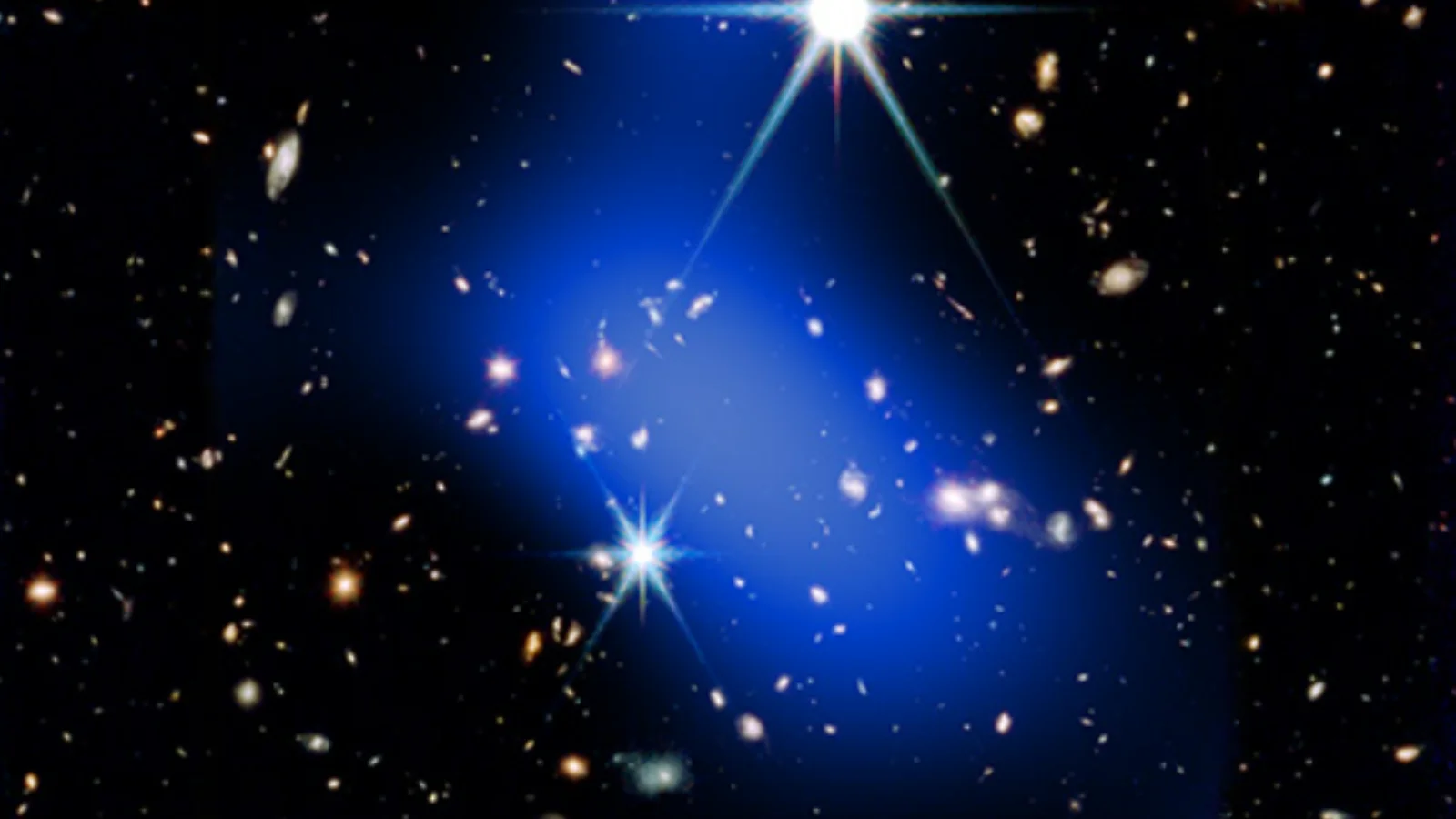
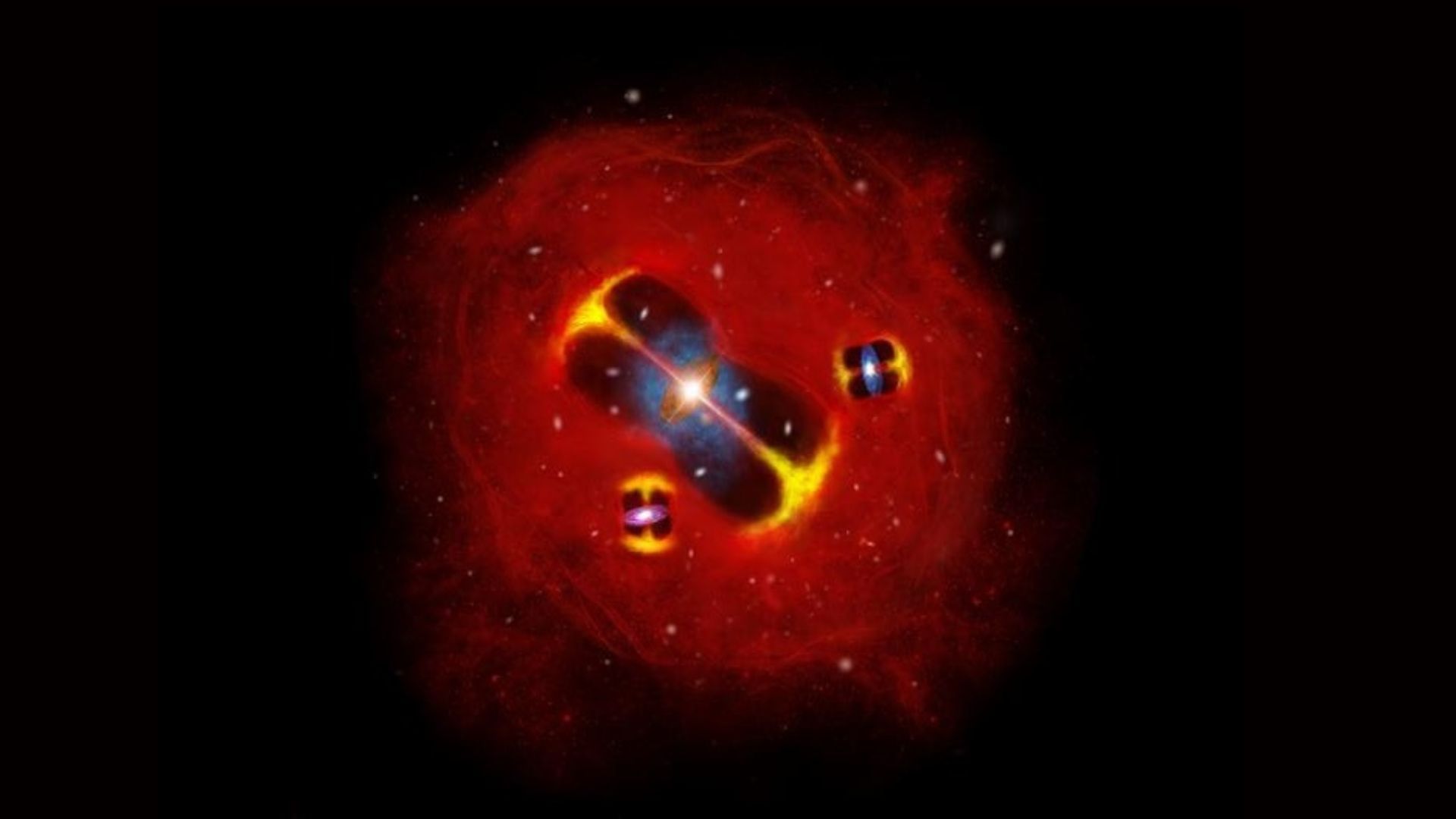
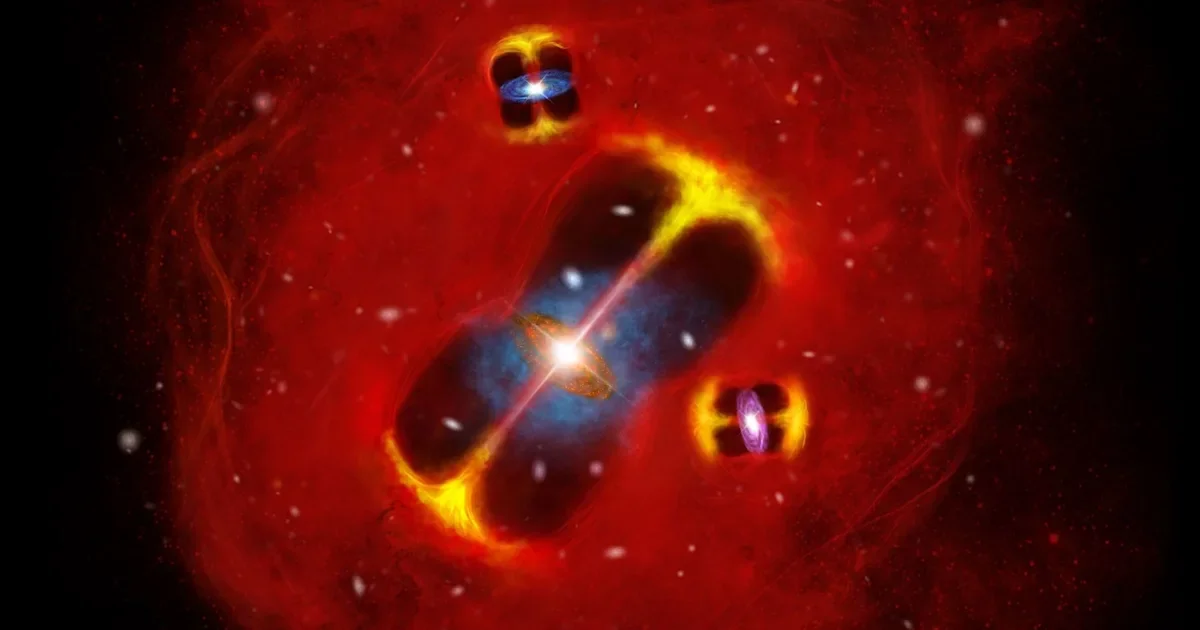
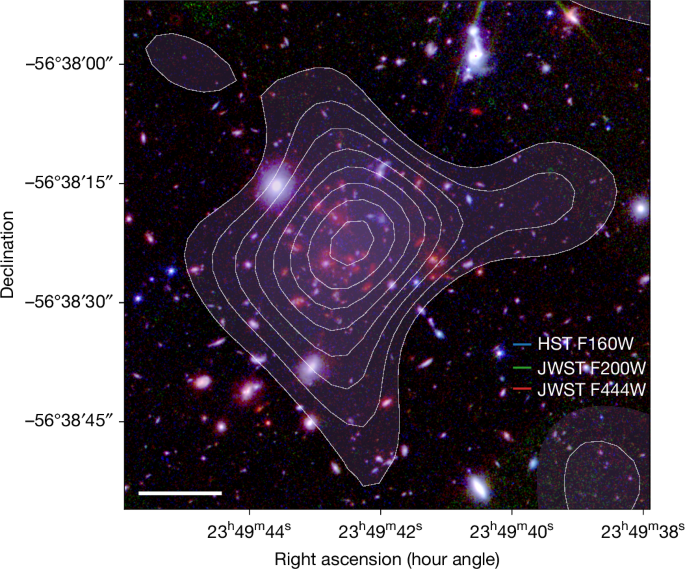
Astronomers using ALMA have discovered a galaxy cluster from just 1.4 billion years after the Big Bang that is unexpectedly hot, challenging current models of galaxy formation and suggesting that such structures may form more rapidly than previously thought.

Scientists Uncover Hot Anomaly in Early Universe

Originally Published 6 days ago — by Yahoo

Featured image for Scientists Uncover Hot Anomaly in Early Universe
Source: Yahoo

Scientists discovered an extremely hot and old galaxy cluster from just 1.4 billion years after the Big Bang, which challenges current cosmological theories. The cluster's unexpected heat is likely due to energy from supermassive black holes at its core, suggesting galaxy clusters evolve more explosively than previously thought, potentially reshaping our understanding of the early universe.

Pixelized Galaxy Cluster Lens Modeling Enhances Hubble Constant Accuracy

Originally Published 2 months ago — by Phys.org

Featured image for Pixelized Galaxy Cluster Lens Modeling Enhances Hubble Constant Accuracy
Source: Phys.org

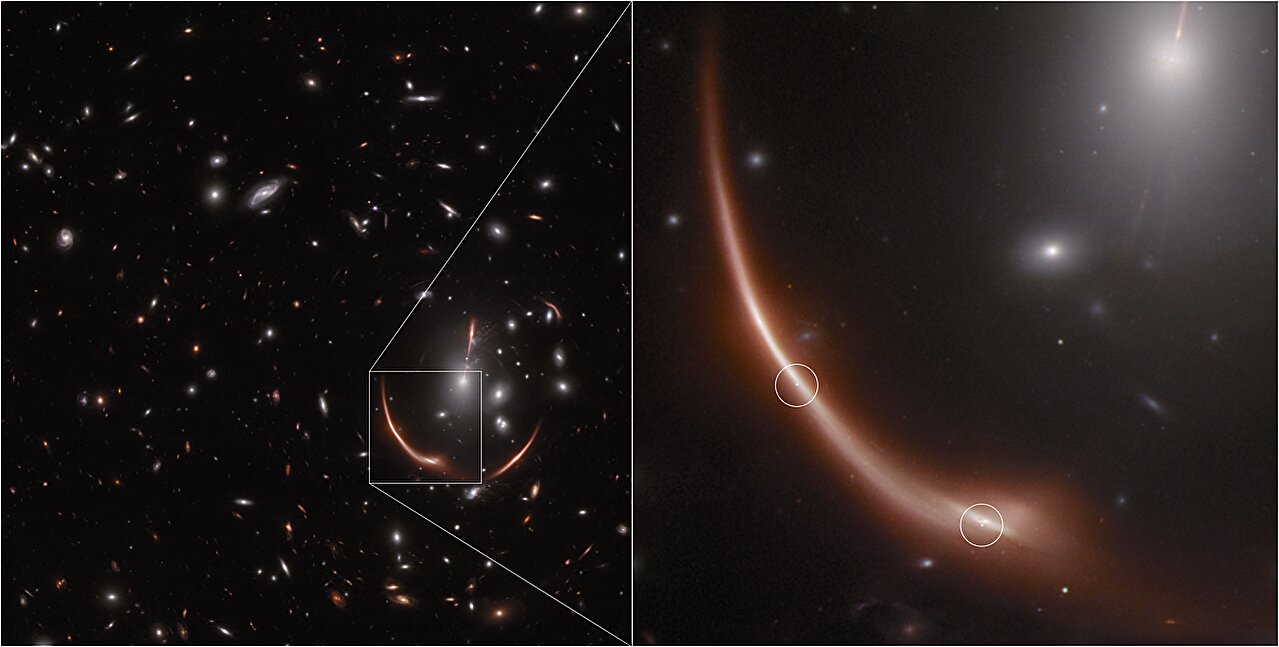
An international team has demonstrated that pixelized strong-lensing modeling on galaxy clusters significantly improves the precision of measuring the Hubble constant, potentially resolving the existing tension in its current measurements and advancing high-precision cosmology.

Scientists Unveil New Survey of the Universe's Largest Objects

Originally Published 2 months ago — by Phys.org

Featured image for Scientists Unveil New Survey of the Universe's Largest Objects
Source: Phys.org

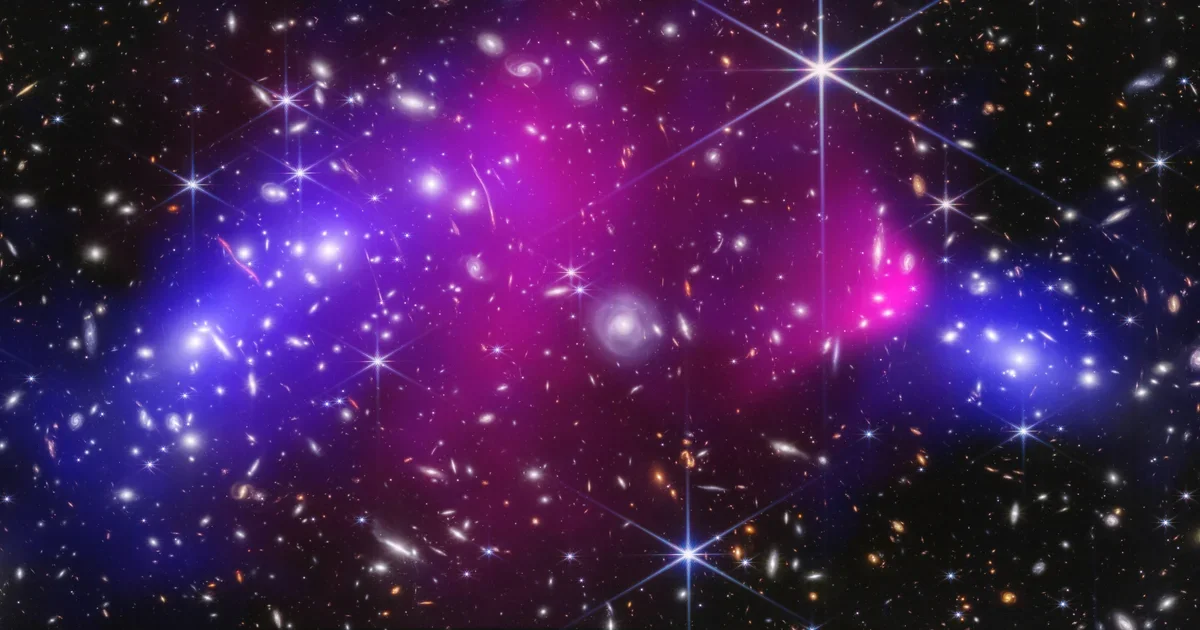
A new study using data from the Dark Energy Survey confirms that the Lambda-CDM model accurately describes the universe, by analyzing massive galaxy clusters to understand cosmic laws and the distribution of dark matter and energy, supporting previous findings and setting the stage for future telescope observations.

Astronomers Discover Rare Double-Ringed Radio Structures in Deep Space

Originally Published 3 months ago — by Space

Featured image for Astronomers Discover Rare Double-Ringed Radio Structures in Deep Space
Source: Space

Citizen scientists discovered the most powerful twin odd radio circles (ORCs) in space, revealing new insights into these large, mysterious structures that are linked to galaxy activity and black hole phenomena, with implications for understanding galaxy evolution and the role of plasma interactions in space.

Astronomers Discover the Largest Known Cosmic Structure, the Quipu, Spanning 1.3 Billion Light-Years

Originally Published 4 months ago — by Earth.com

Featured image for Astronomers Discover the Largest Known Cosmic Structure, the Quipu, Spanning 1.3 Billion Light-Years
Source: Earth.com

Astronomers have identified a massive, ring-like structure called the Big Ring, spanning about 1.3 billion light-years, which challenges current cosmological models that predict the universe's large-scale matter distribution should be more uniform. This discovery, along with findings about the Milky Way's larger gravitational basin, suggests the universe may contain more extensive and complex structures than previously thought, prompting a reevaluation of existing theories.

Researchers Develop Innovative Method to Detect Dark Matter Particles

Originally Published 5 months ago — by Phys.org

Featured image for Researchers Develop Innovative Method to Detect Dark Matter Particles
Source: Phys.org

Researchers from the University of Copenhagen used galaxy clusters and the magnetic fields around them to search for axions, a hypothetical particle linked to dark matter. By combining data from 32 distant black holes, they identified a pattern that hints at the presence of axions, bringing us closer to understanding dark matter. This innovative method could be applied to other radiation types and help narrow down the search for these elusive particles.

Ancient 'Mini-Halo' Discoveries Illuminate Early Universe

Originally Published 6 months ago — by Live Science

Featured image for Ancient 'Mini-Halo' Discoveries Illuminate Early Universe
Source: Live Science

Astronomers have detected the most distant mini-halo, a cloud of energetic particles around a galaxy cluster from 10 billion years ago, which could shed light on the early universe and galaxy formation processes. The discovery suggests such particles have existed since galaxy cluster formation and may be caused by black holes or particle collisions, impacting star formation and cosmic magnetic fields. Future telescopes like the SKA will help further explore these phenomena.

Astronomers Discover the Universe's Largest Structure Spanning 7.6 Sextillion Miles

Originally Published 6 months ago — by Earth.com

Featured image for Astronomers Discover the Universe's Largest Structure Spanning 7.6 Sextillion Miles
Source: Earth.com

Astronomers have discovered Quipu, a cosmic filament over 1.3 billion light-years long and weighing around 200 quadrillion times the Sun's mass, making it the largest known structure in the universe. This massive filament influences galaxy motions, cosmic microwave background measurements, and provides insights into cosmic web formation, validating predictions from cosmological models.

Mini Halo Discovery Sheds Light on Early Universe Formation

Originally Published 6 months ago — by Phys.org

Featured image for Mini Halo Discovery Sheds Light on Early Universe Formation
Source: Phys.org

Astronomers have discovered the most distant mini-halo surrounding a galaxy cluster from 10 billion years ago, revealing that energetic processes involving black holes and cosmic collisions have shaped galaxy clusters throughout most of the universe's history, providing new insights into the early universe's formation.