Tag

Cosmic Dust

All articles tagged with #cosmic dust

science4 months ago

Origins of Cosmic Dust

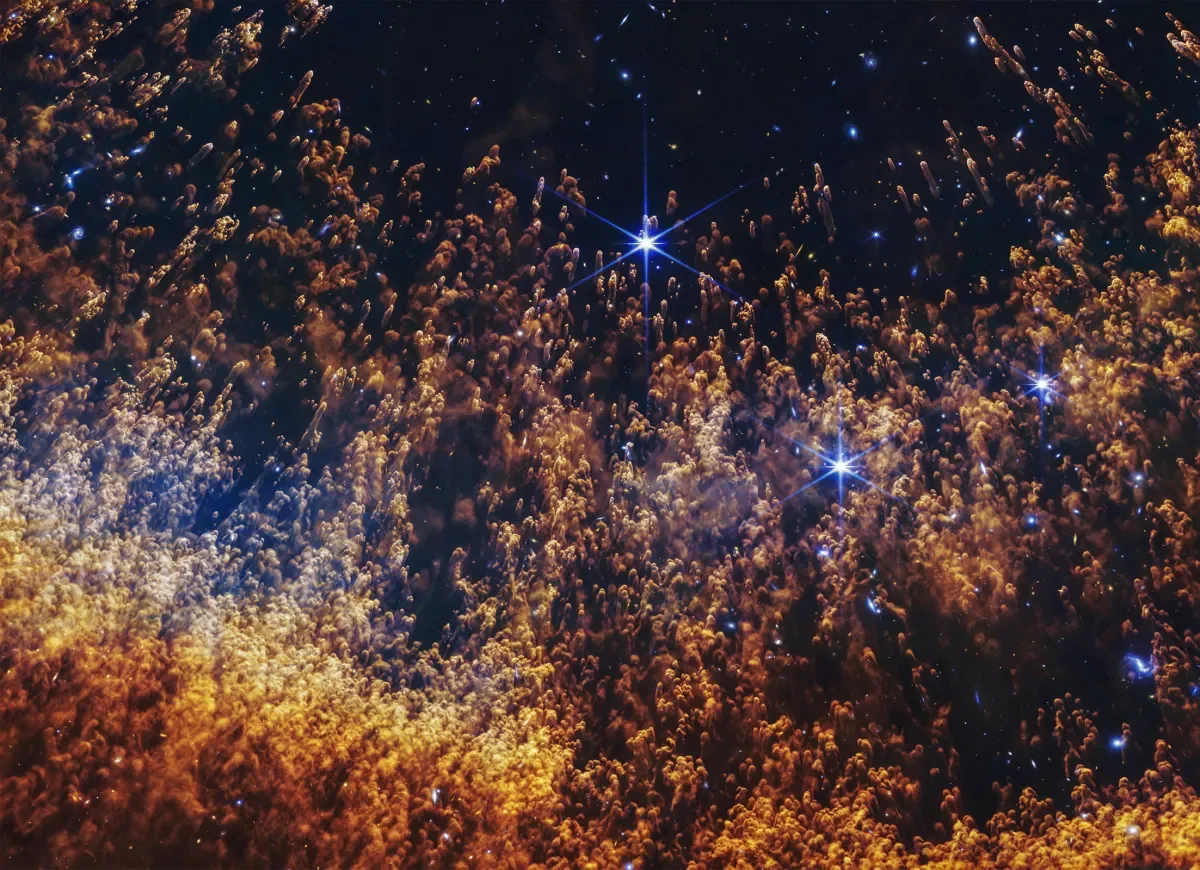
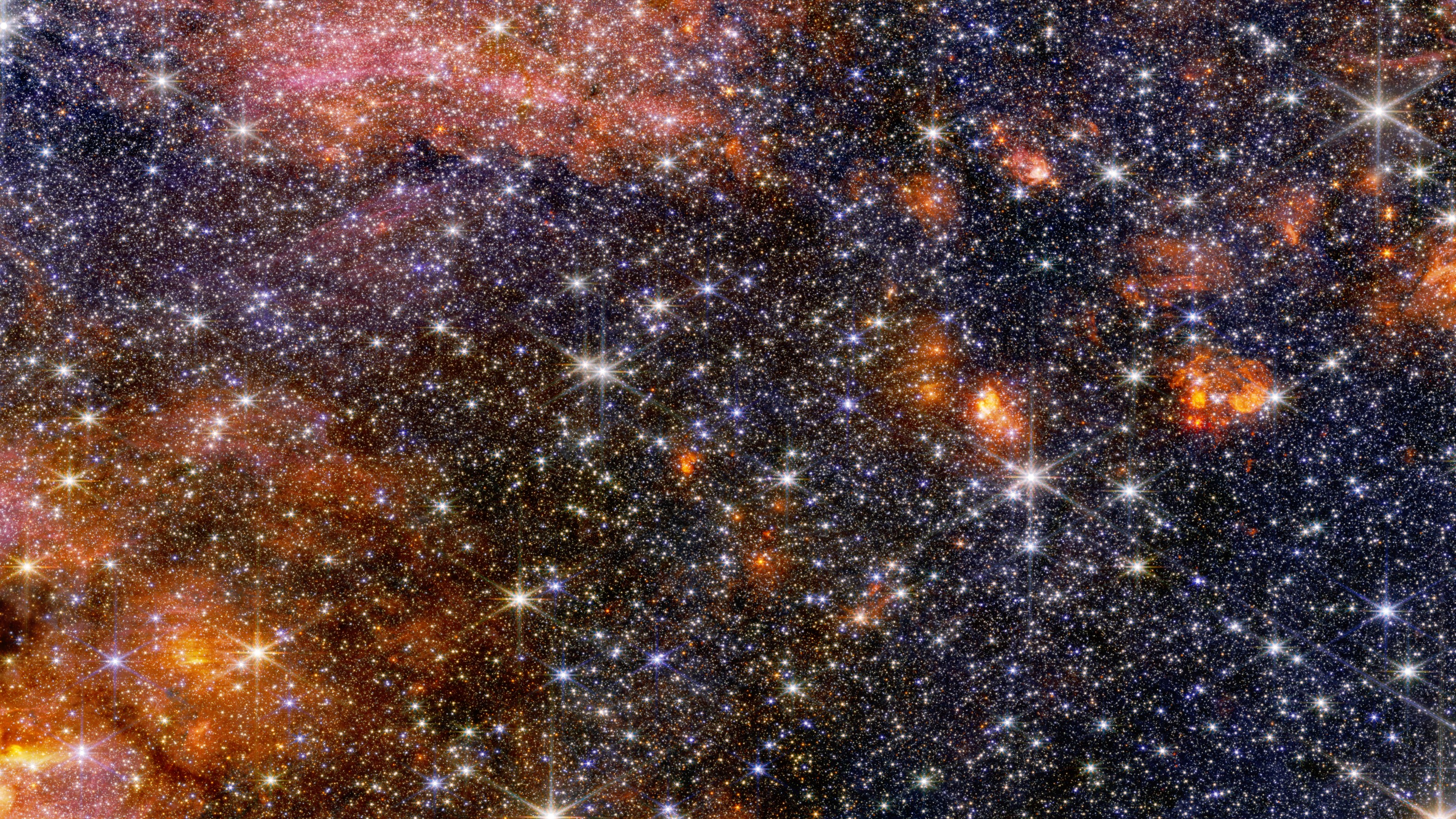
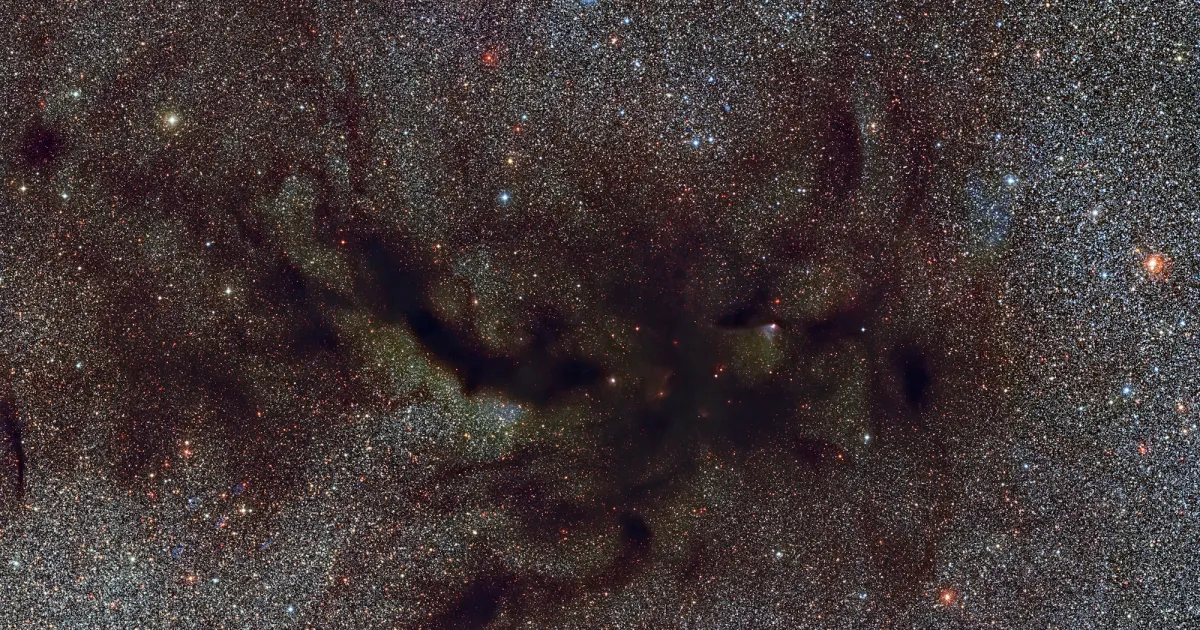
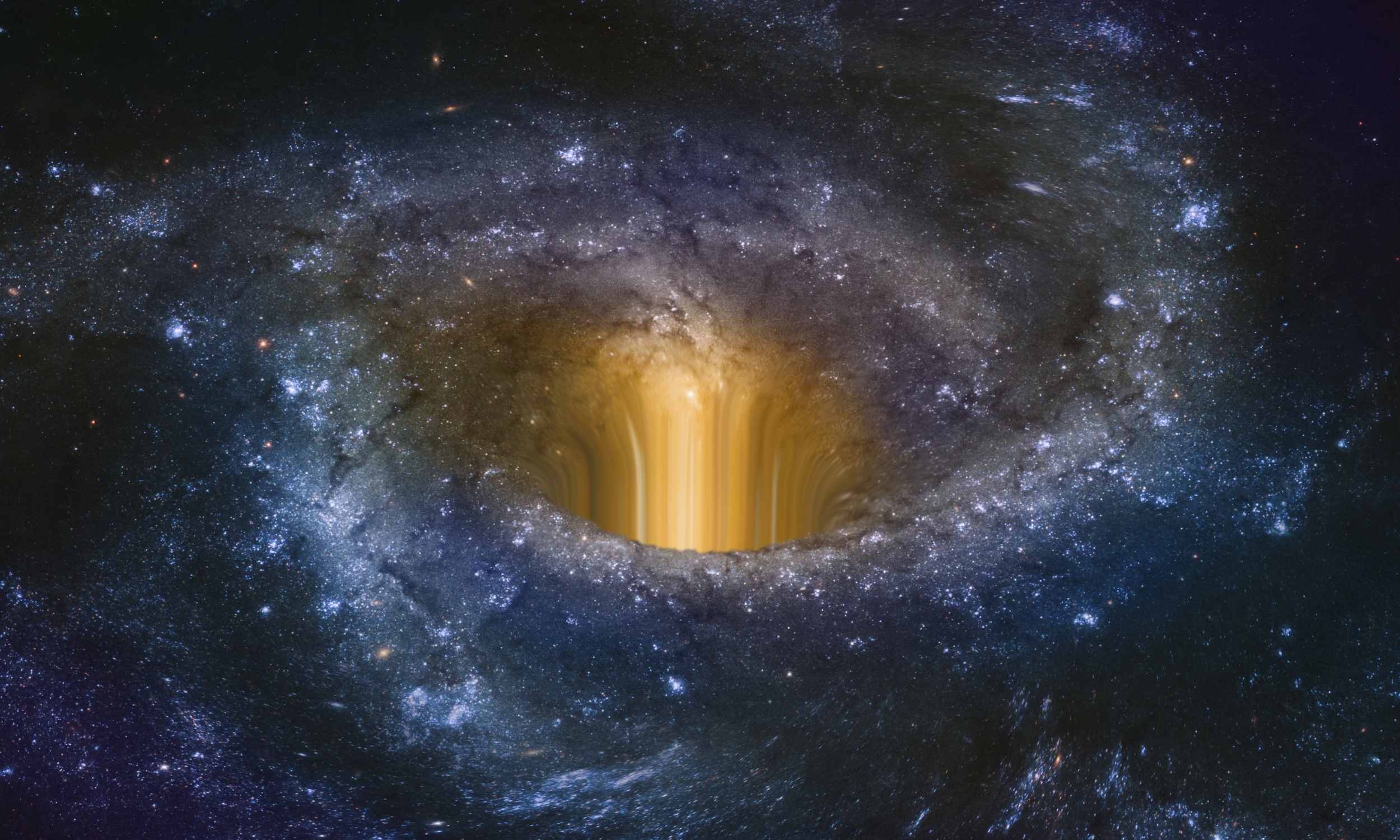
Cosmic dust, composed mainly of small particles of silicates, ices, and metals, originates from processes like supernova explosions, stellar outflows, and planetary nebulae, but the primary source of the universe's dust appears to be core-collapse supernovae, which produce large amounts of dust that can survive destructive processes, playing a crucial role in star and planet formation.

science4 months ago

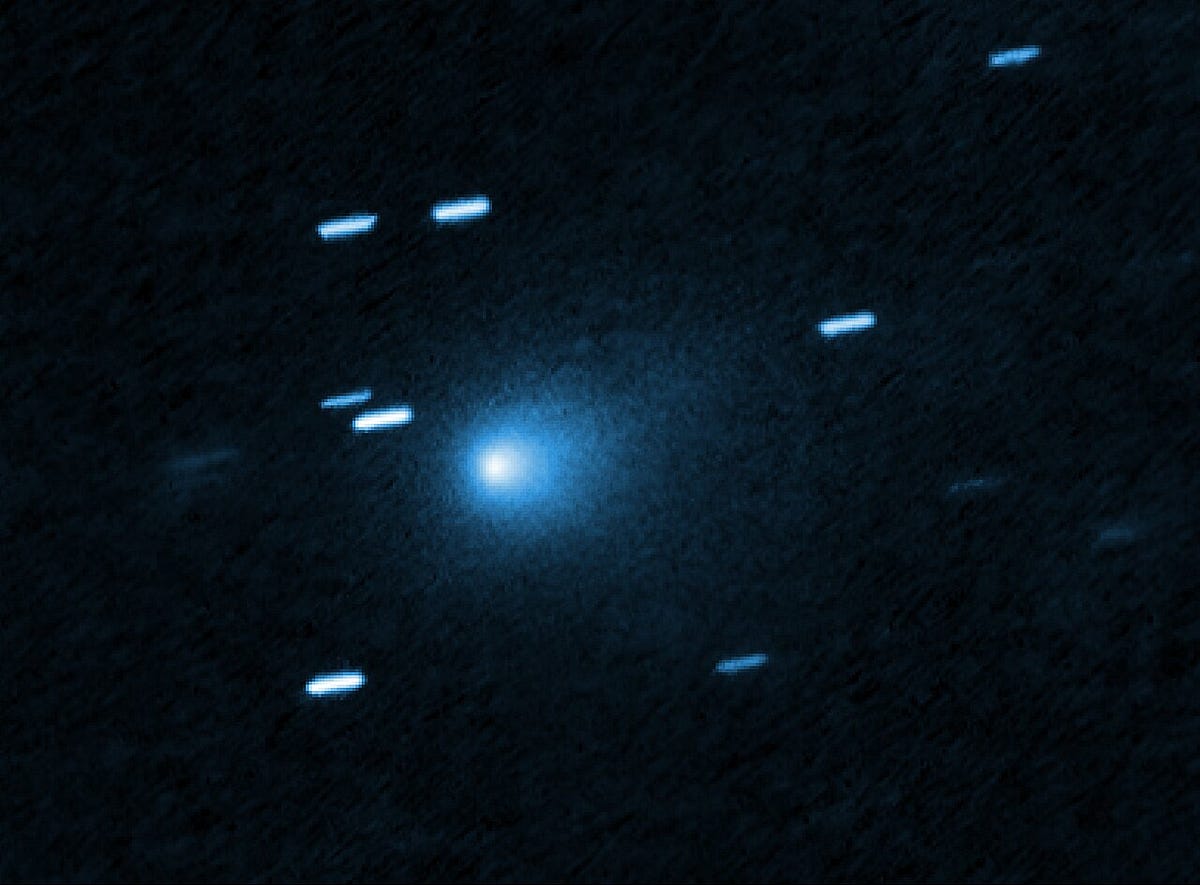
Scientists Investigate Interstellar Object 3I/ATLAS and Its Mysteries

3I/ATLAS is an interstellar object observed to lack a typical cometary tail, with surface characteristics suggesting a large, rocky body around 20-46 km in diameter. It shows signs of CO2 ice shedding but no water vapor, raising questions about its origin and composition. Its trajectory and properties hint it may have been purposefully directed into the Solar System, and further observations are needed to understand its true nature.

science-and-exploration1 year ago

Webb Telescope Uncovers Unexpected Phenomena in Spiderweb Protocluster

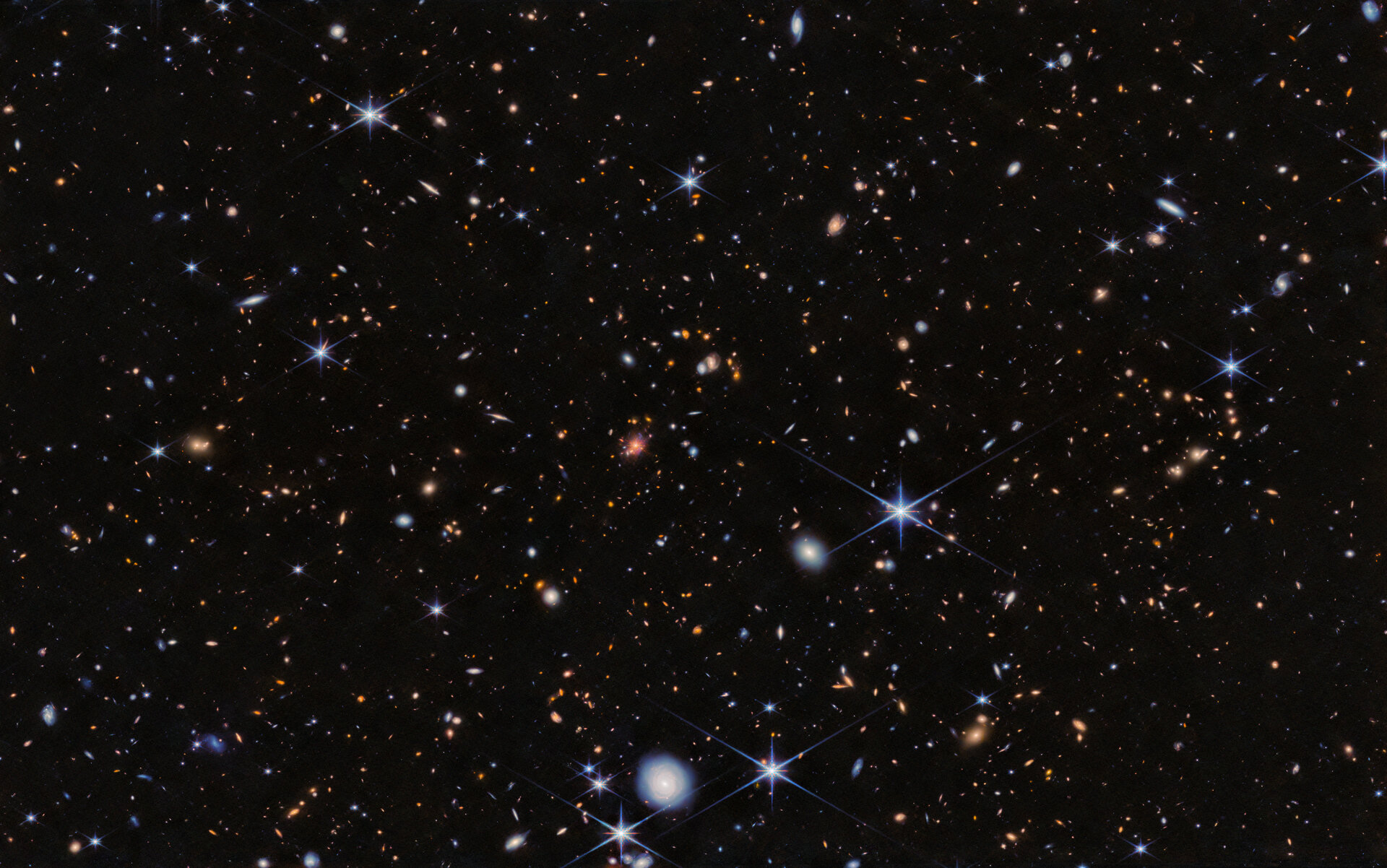
Astronomers using the James Webb Space Telescope have discovered new galaxies in the Spiderweb protocluster, challenging previous assumptions about galaxy formation in dense cosmic regions. The findings suggest that gravitational interactions are less significant than previously thought, with star formation fueled by gas accumulation across large-scale structures. This discovery was made possible by Webb's infrared capabilities, which penetrate cosmic dust, revealing obscured galaxies. The research, published in the Astrophysical Journal, marks a significant step in understanding galaxy cluster formation.

astronomyplanetary-science1 year ago

"Scientists Hunt for Space Dust on English Cathedral Roofs"

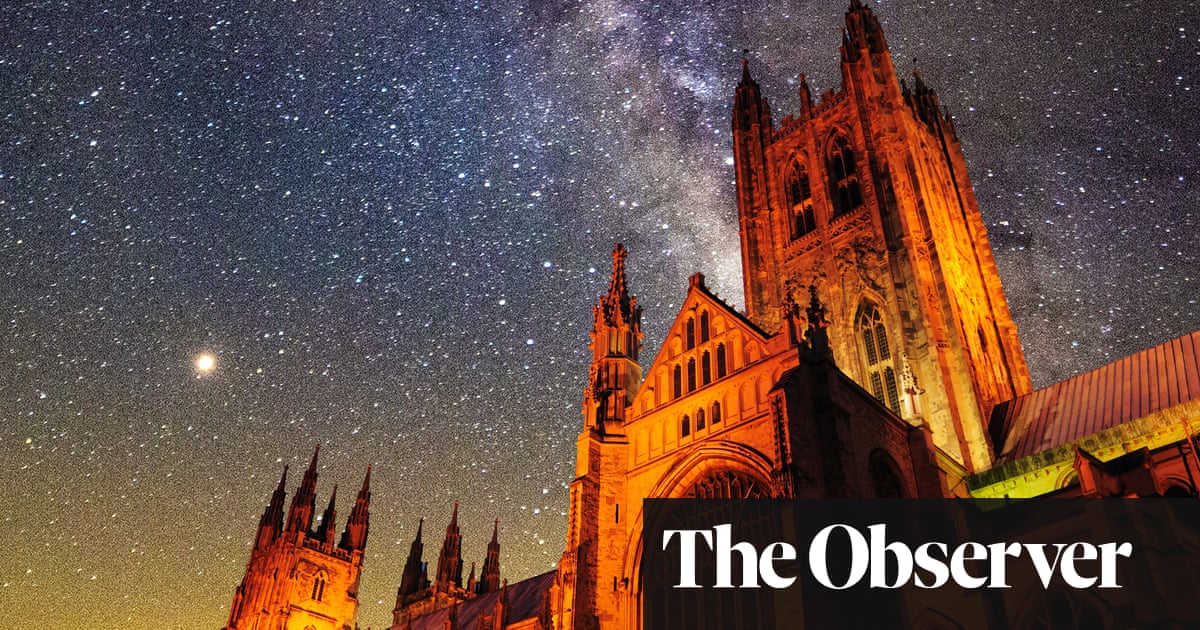
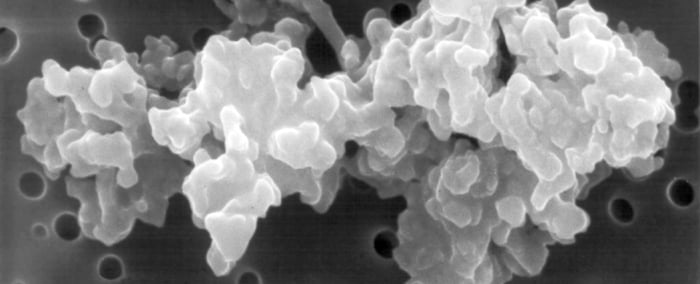
Scientists are scouring the roofs of English cathedrals, such as Canterbury Cathedral, for cosmic dust particles known as micrometeorites. These tiny particles, which likely originate from comets and asteroids, provide valuable insights into the chemistry of asteroids and meteorites, as well as Earth's history and changes over time. Researchers are using vacuum cleaners to collect thousands of dust particles in the hopes of finding minuscule cosmic spherols, and are also exploring the potential influence of cosmic dust on Earth's chemistry and early prebiotic chemistry. The abundance of urban micrometeorites is opening up planetary science to a wider audience and providing a snapshot of the different processes and bodies in outer space.

science1 year ago

"Study Suggests Life Spreads Through Space on Invisible Particles"

New research suggests that life could spread throughout the galaxy via cosmic dust, a process known as panspermia. The study explores how planetary dust particles could escape their host planet's gravitational pull and travel through interstellar space, potentially carrying life or complex organic molecules to other worlds. While the idea is intriguing, the origins of life and the frequency of its appearance on other planets remain unknown, leaving a stubborn nugget of the unknown at the center of these thought experiments and calculations.

astronomy1 year ago

"Unveiling the Cosmic Origins of Dust Formation in Supernovae"

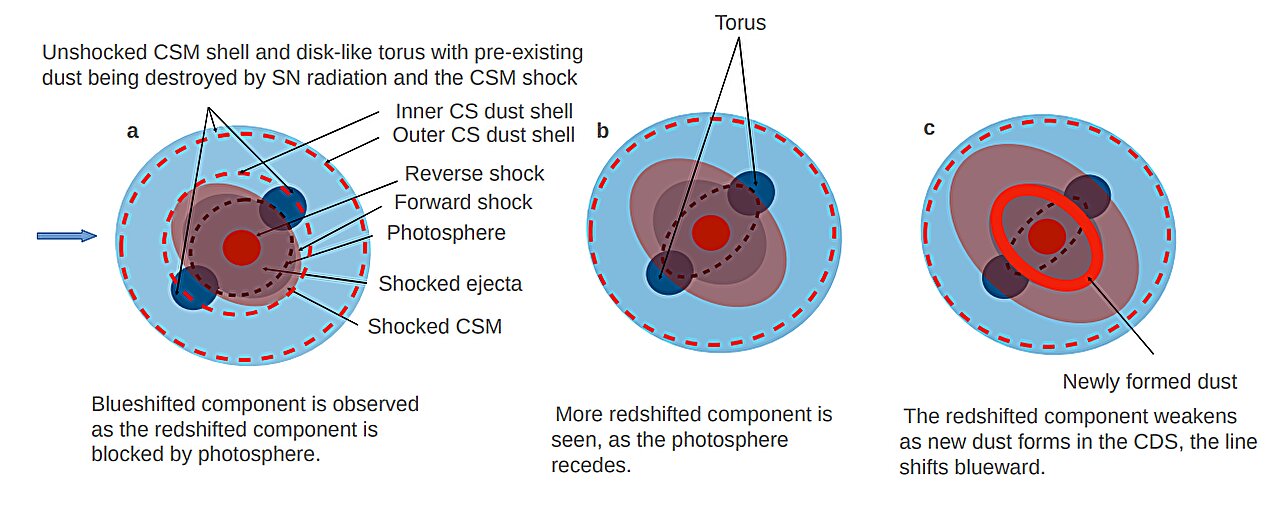
An international team of astronomers has discovered a previously unknown source of cosmic dust in the universe: Type 1a supernovae interacting with gas from their surroundings. This finding, published in Nature Astronomy, suggests that thermonuclear supernovae may account for a significant amount of dust in elliptical galaxies. The researchers monitored a supernova, SN 2018evt, for over three years and observed the creation of dust in the circumstellar gas after it cooled following the supernova shock wave passing through it. This discovery sheds light on the contribution of thermonuclear supernovae to cosmic dust and may have implications for space exploration, particularly with the upcoming James Webb Space Telescope.

astronomy1 year ago

"Exploring a Unique Nebula in a One-Horned Constellation"

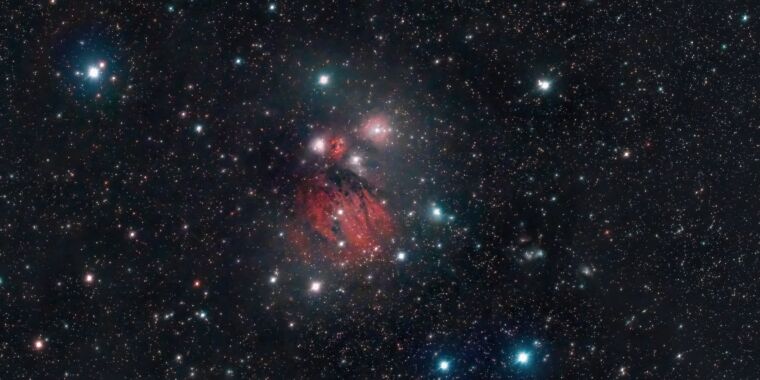
The Daily Telescope features an image of NGC 2170, a reddish nebula located in the Monoceros constellation, captured by astrophotographer Mel Martin. The nebula is a large area of cosmic dust reflecting the light of nearby stars, creating a colorful appearance in the image. This showcases the beauty of the universe and offers a real glimpse into the wonders of the cosmos.

science-and-astronomy2 years ago

Unveiling the Secrets of a Dying Star: Astronomers Analyze 'Jewel Bug Nebula'

Astronomers using the new IGRINS-2 spectrograph on the Gemini North Telescope have obtained the first spectrum of the Jewel Bug Nebula, a planetary nebula located 3,000 light years away. The spectrograph operates at near-infrared wavelengths, allowing it to penetrate cosmic dust and reveal details of the expanding cloud of gas and dust ejected by a dying star. IGRINS-2 identified elements such as bromine, helium, iron, krypton, and selenium, as well as molecular hydrogen. The instrument will be used to study star-birth, star-death, exoplanets, brown dwarfs, and distant galaxies.

astronomy2 years ago

"James Webb Space Telescope Reveals Stunning Views of Star-Forming Region NGC 346"

NASA's James Webb Space Telescope has captured a stunning image of NGC 346, a star-forming region in the Small Magellanic Cloud. The image reveals young stars blanketed in dust, contrary to expectations, and provides insights into the number of stars and protostars in the region. This observation could shed light on the cosmic noon era billions of years ago when star births peaked and heavy element levels were lower.