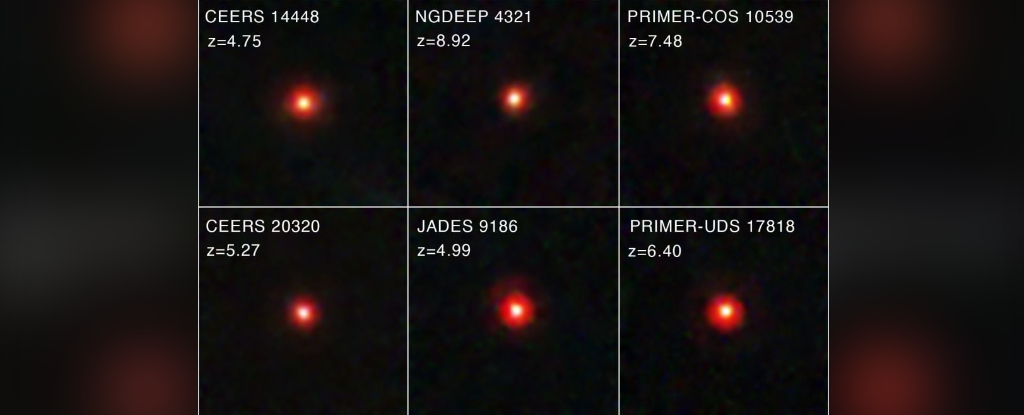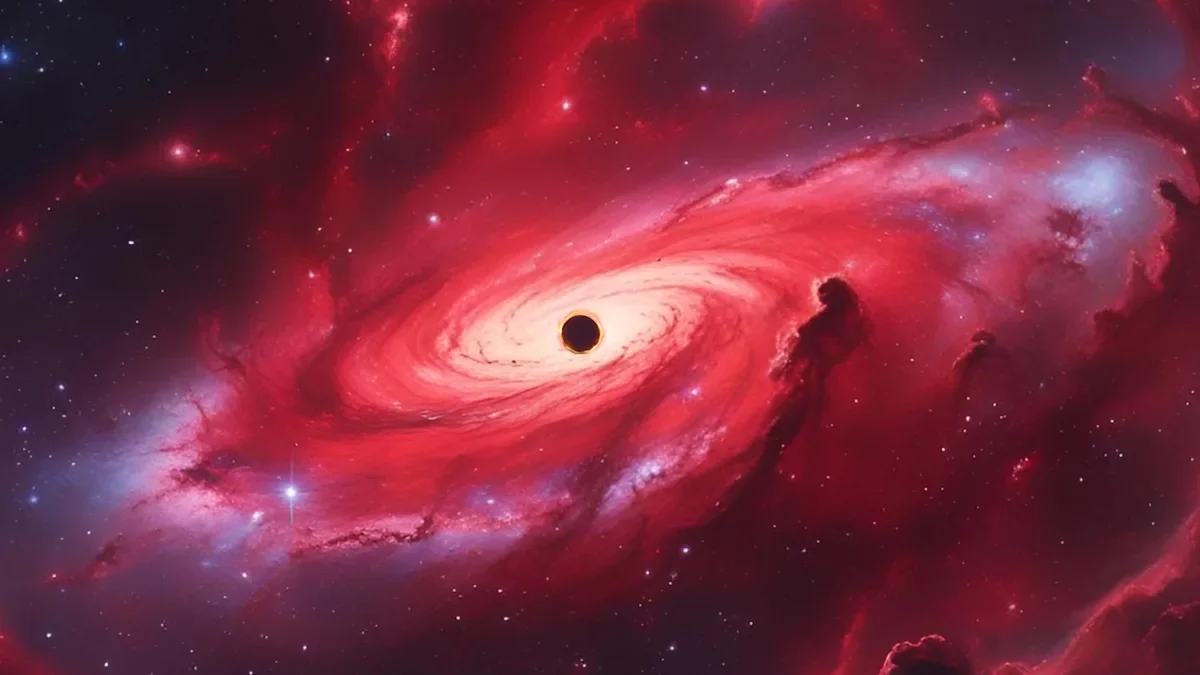
A new study using NASA's James Webb Space Telescope has identified the mysterious 'little red dots' as massive, short-lived stars, providing insights into the formation of the universe's first supermassive black holes and advancing our understanding of early cosmic history.
A recent study suggests that a red light source observed by JWST, named QSO1, may be the first direct evidence of a primordial black hole formed shortly after the Big Bang, potentially shedding light on early black hole and galaxy formation processes.
A new theoretical model proposed by Jonathan Tan suggests that supermassive black holes formed from the remnants of the earliest stars, potentially revolutionizing our understanding of black hole origins and the Epoch of Reionization, supported by recent Webb observations of early black hole seeds and bright galaxies.
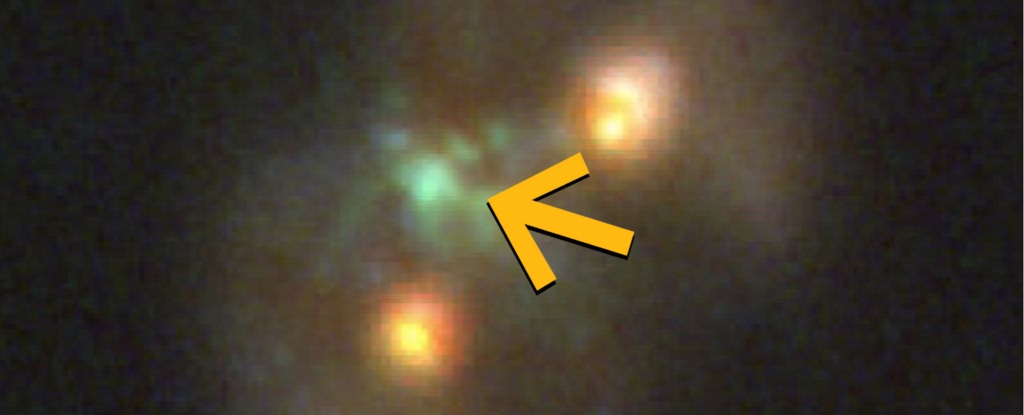
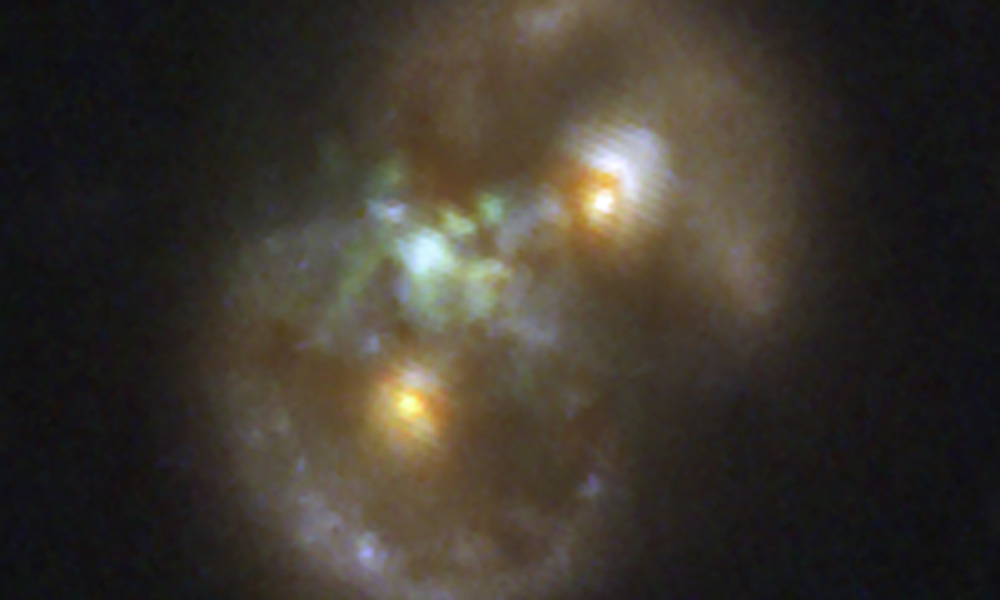
Astronomers using the James Webb Space Telescope observed the formation of a supermassive black hole between two merging galaxies, supporting the hypothesis that such black holes can form directly from collapsing gas clouds during galaxy collisions, providing new insights into their origins.
Astronomers have potentially observed the first direct evidence of a supermassive black hole forming in a galaxy collision, supporting the direct collapse model of black hole formation in the early universe, which could solve longstanding questions about how these cosmic giants originate.
New research suggests that the mysterious Little Red Dots detected by the JWST in the early universe may be supermassive stars, which are crucial in understanding the formation of supermassive black holes, challenging previous ideas that they are galaxies or active galactic nuclei.
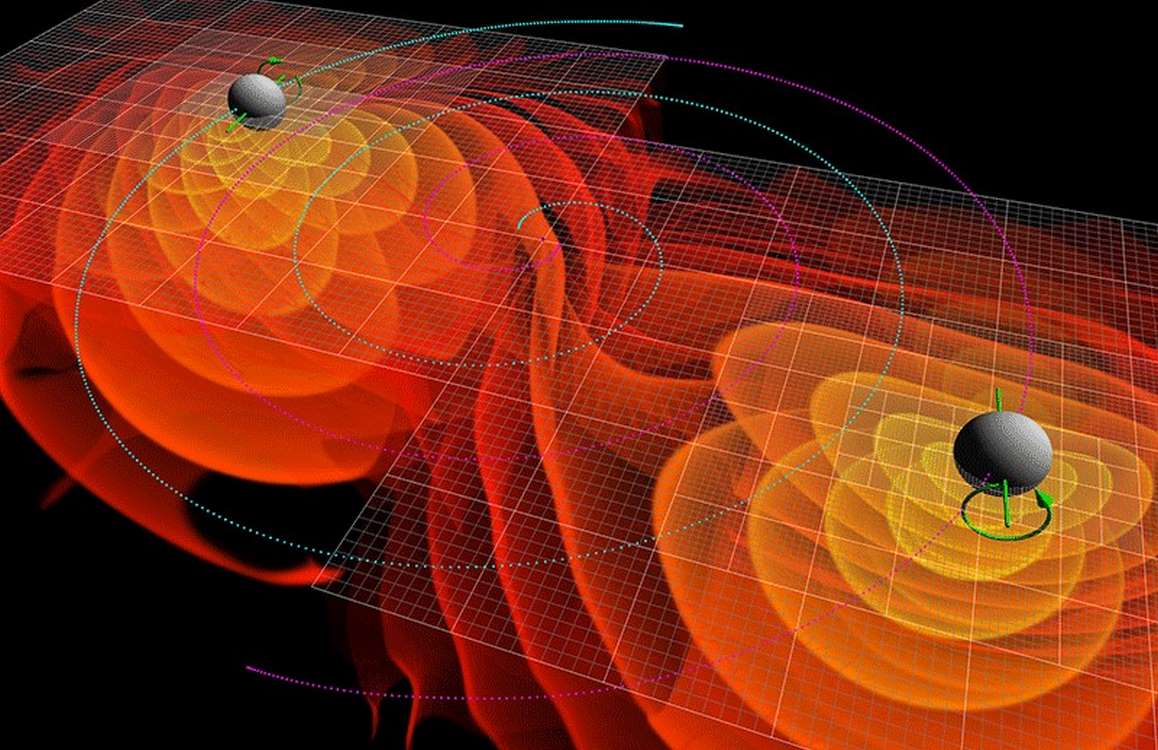
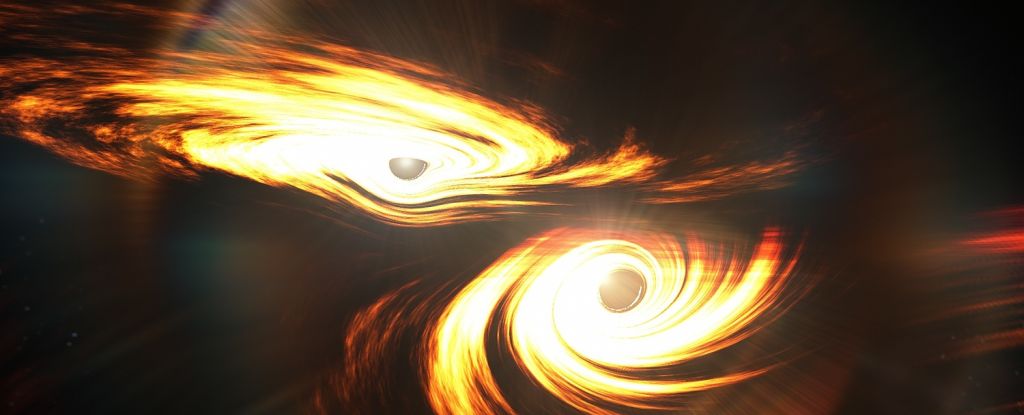
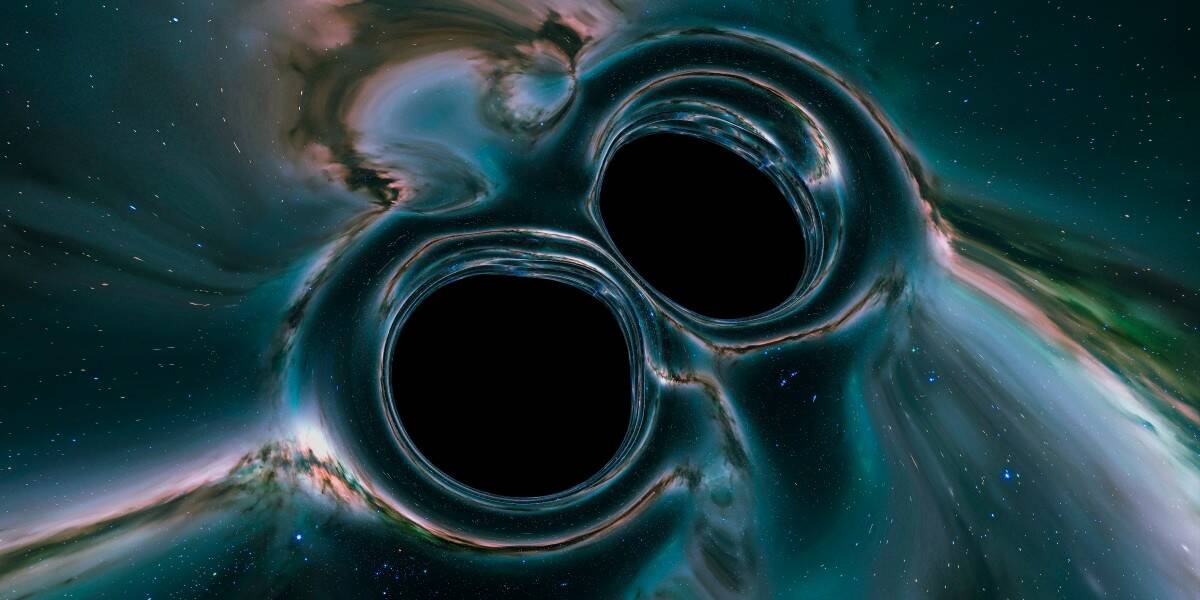
The largest black hole merger ever observed, detected by LIGO and its international partners, involved two massive, rapidly spinning black holes and occurred billions of light years away, challenging current understanding of black hole formation and pushing the limits of gravitational wave detection technology.
Astronomers detected a record-sized black hole collision, GW 231123, involving two black holes heavier than 225 Suns, challenging existing models of black hole formation and suggesting previous mergers. This discovery, analyzed through gravitational wave signals, could provide new insights into black hole growth and the origins of supermassive black holes.
Scientists using the James Webb Space Telescope have observed the 'Infinity Galaxy,' providing evidence supporting the theory that some supermassive black holes form through direct collapse of gas clouds during galaxy collisions, rather than merging of smaller black holes.
Scientists observed the largest black hole collision ever, involving two black holes of 100 and 140 solar masses merging into a 225-solar-mass object, challenging current black hole formation theories and suggesting possible previous mergers of smaller black holes. The event produced an exceptionally powerful gravitational wave signal, prompting further study into black hole evolution.
A recent gravitational wave detection, GW231123, involved the merger of the heaviest black holes observed so far, challenging existing models of black hole formation due to its unprecedented mass and rapid spin, suggesting possible complex pre-merger histories or unknown phenomena.
Scientists used Japan's Fugaku supercomputer to perform the most detailed 1.5-second simulation of a neutron star merger, revealing how these events create black holes, gamma-ray bursts, and heavy elements like gold, providing critical insights for future cosmic observations.
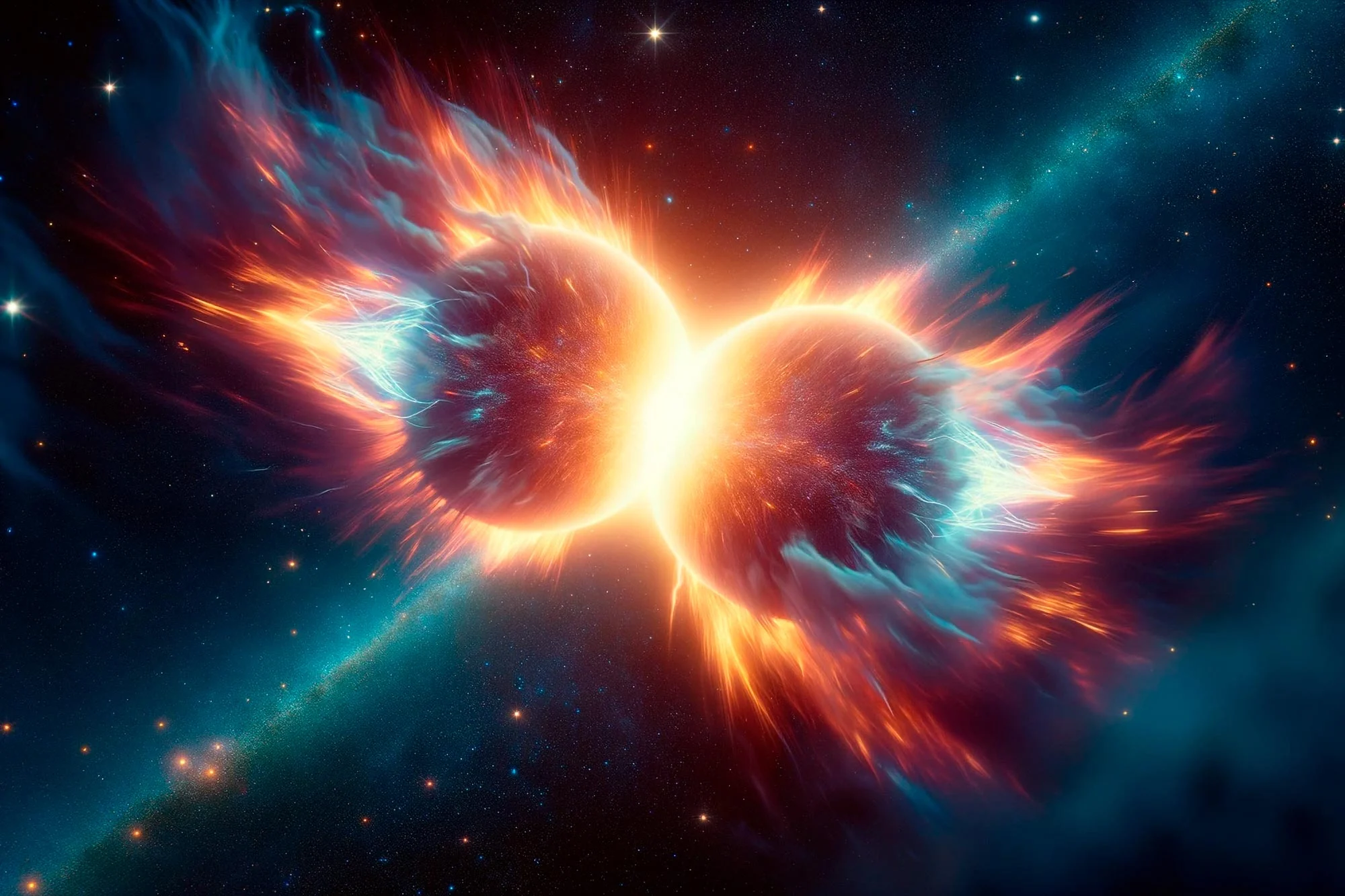
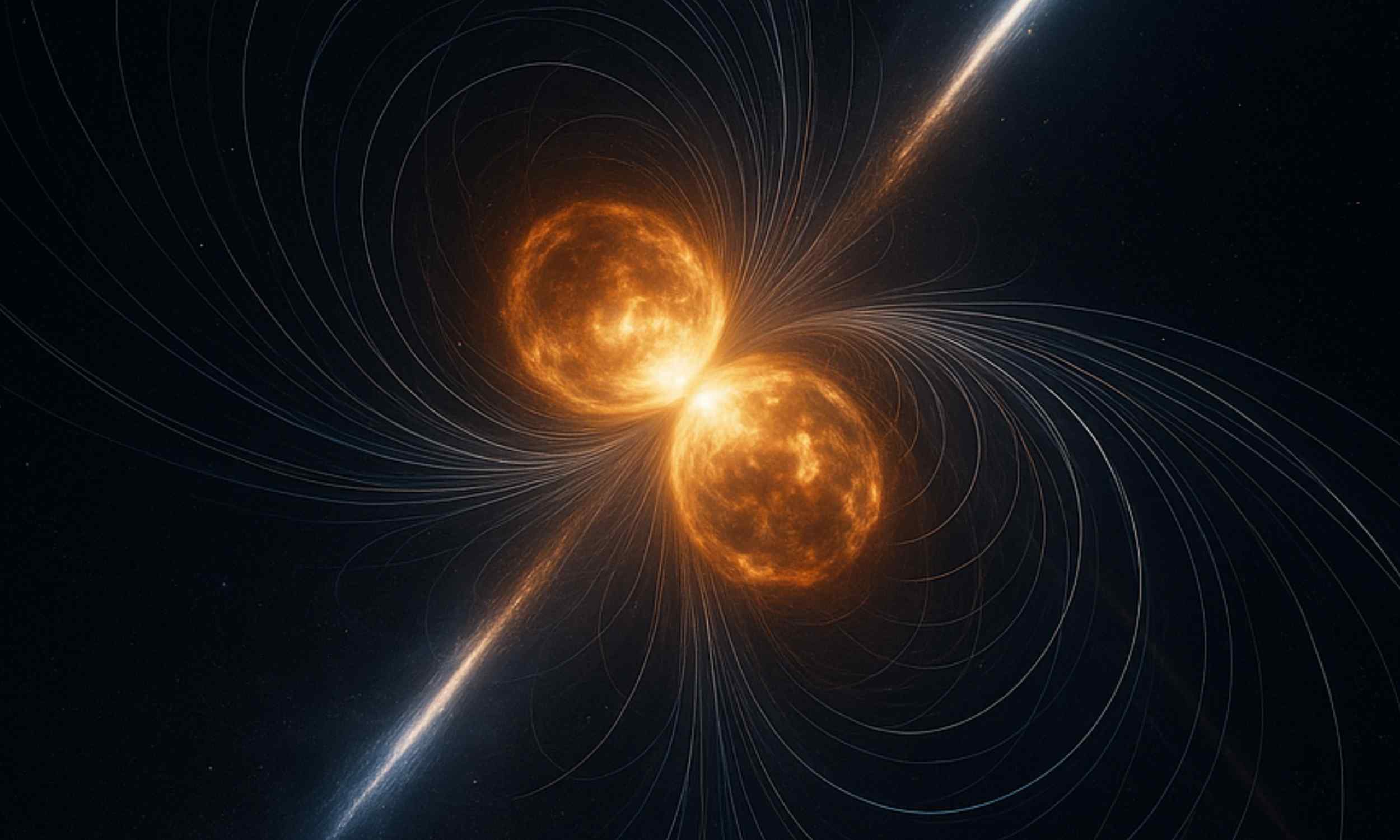
A new study proposes that the most energetic cosmic rays are generated during the magnetic chaos of merging neutron stars just before they collapse into black holes, potentially explaining their extreme energies and linking them to gravitational wave events and neutrino bursts. This model offers a testable hypothesis that could unify observations of cosmic rays, gravitational waves, and neutrinos, advancing our understanding of high-energy astrophysical phenomena.
A long-duration simulation of binary neutron star mergers using advanced modeling techniques revealed that such mergers can promptly collapse into black holes and produce magnetically driven jets, potentially explaining gamma-ray bursts and advancing understanding of these cosmic events.
Researchers at EPFL have developed a new method utilizing gravitational lensing to measure the mass of galaxies hosting quasars with three times greater precision than previous techniques. By analyzing the gravitational lensing rings of a quasar's host galaxy, scientists can estimate its mass, providing valuable insights into early universe galaxy evolution and black hole formation. This breakthrough allows for more accurate models of galaxy formation and growth. The researchers expect to detect hundreds of these lensing quasars with the upcoming ESA-NASA mission Euclid.