Tag

Dark Stars

All articles tagged with #dark stars

science3 months ago

James Webb Telescope May Have Discovered the Universe's First Dark Stars

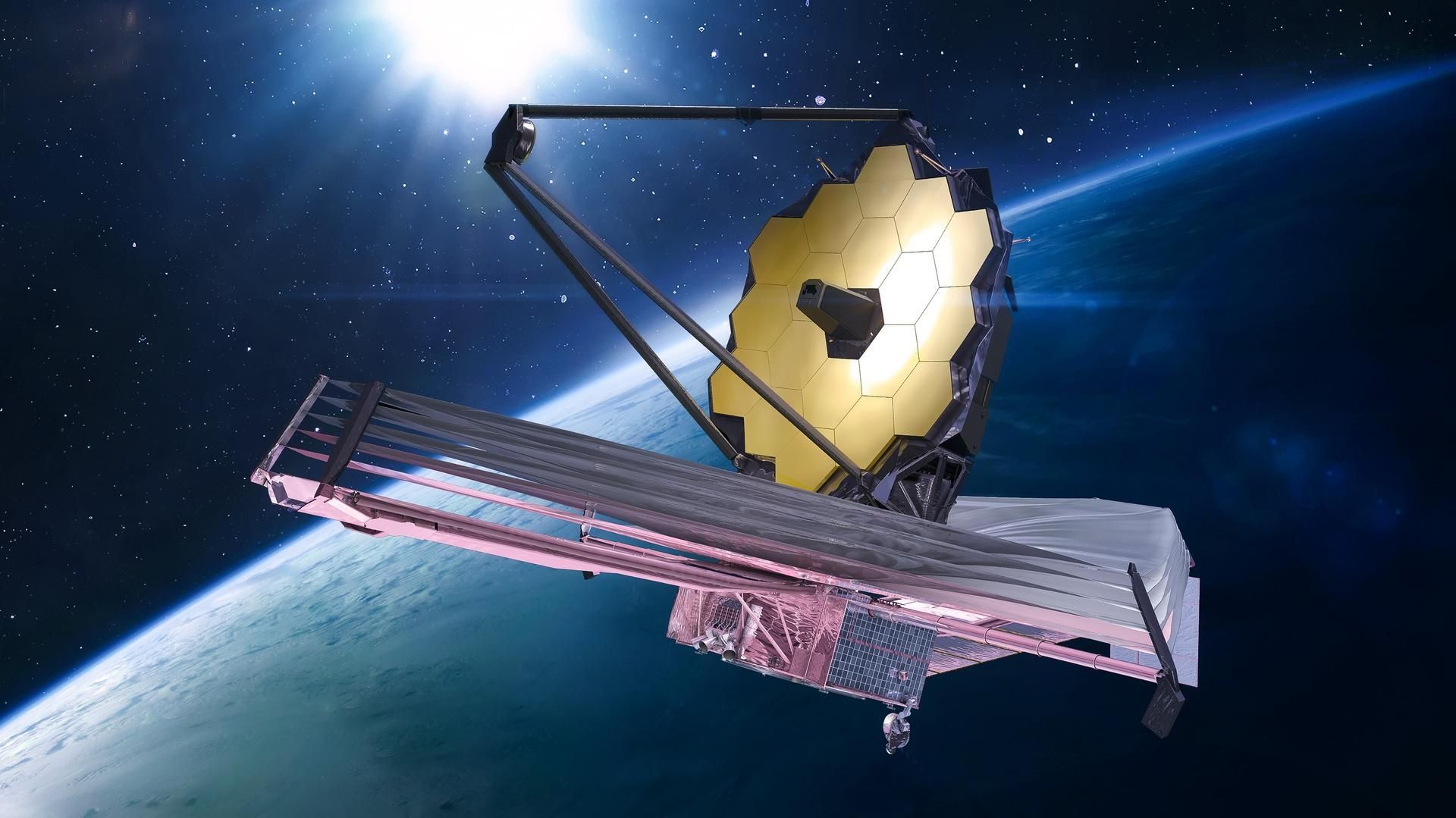
Astronomers suggest that NASA's James Webb Space Telescope may have detected the universe's first 'dark stars,' massive bodies powered by dark matter, which could explain the formation of early supermassive black holes and distant quasars. These findings, based on spectroscopic data, could shed light on dark matter's nature and the early universe's evolution.

science3 months ago

James Webb Telescope Uncovers Potentially New Cosmic Phenomena

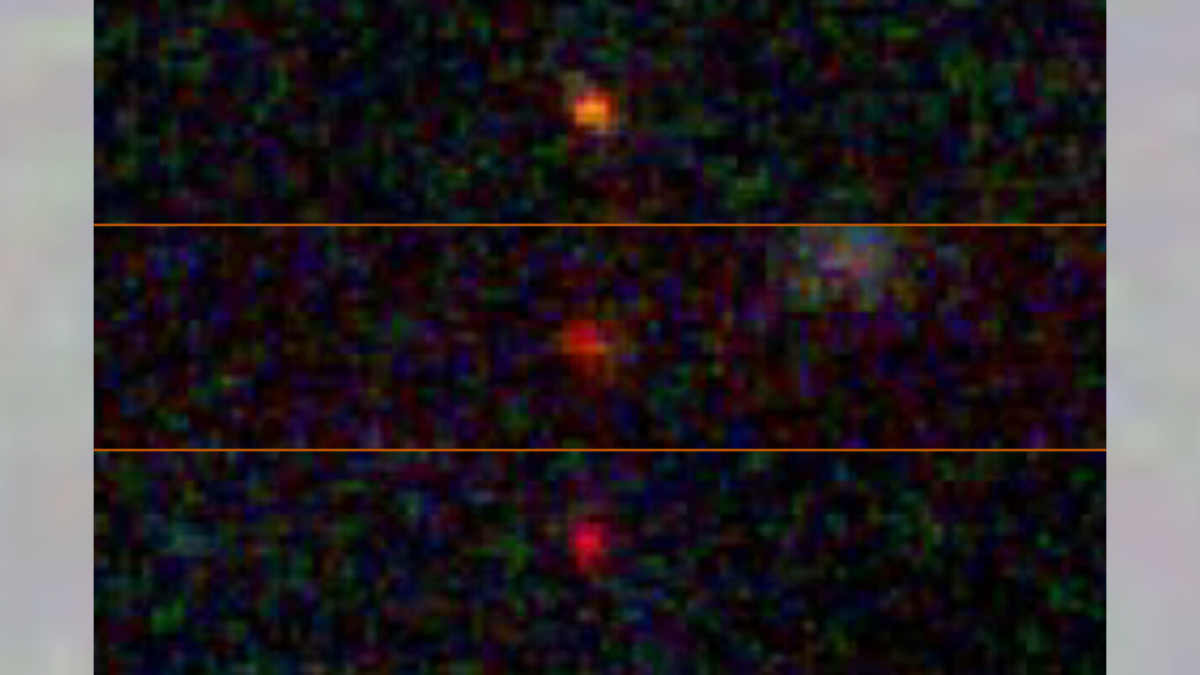
Researchers using the James Webb Space Telescope have identified four potential 'dark star' candidates from the early universe, which may be powered by dark matter rather than nuclear fusion. One candidate shows a unique helium absorption signature, suggesting it could be a supermassive dark star, though its detection of oxygen raises questions. The existence of dark stars remains controversial, and further observations are needed to confirm their nature and distinguish them from other early stars.

science3 months ago

Astronomers Uncover Dark Matter's Role in New Star and Black Hole Phenomena

Scientists using the James Webb Space Telescope have identified potential candidates for supermassive dark stars, which are powered by dark matter annihilation, and could explain the formation of early supermassive black holes and bright distant galaxies. These objects, observed only a few hundred million years after the Big Bang, show spectral features consistent with dark stars, marking a significant breakthrough in understanding dark matter and early cosmic evolution.

astronomy1 year ago

"Revealing the Enigmatic Nature of Dark Stars and Dark Matter"

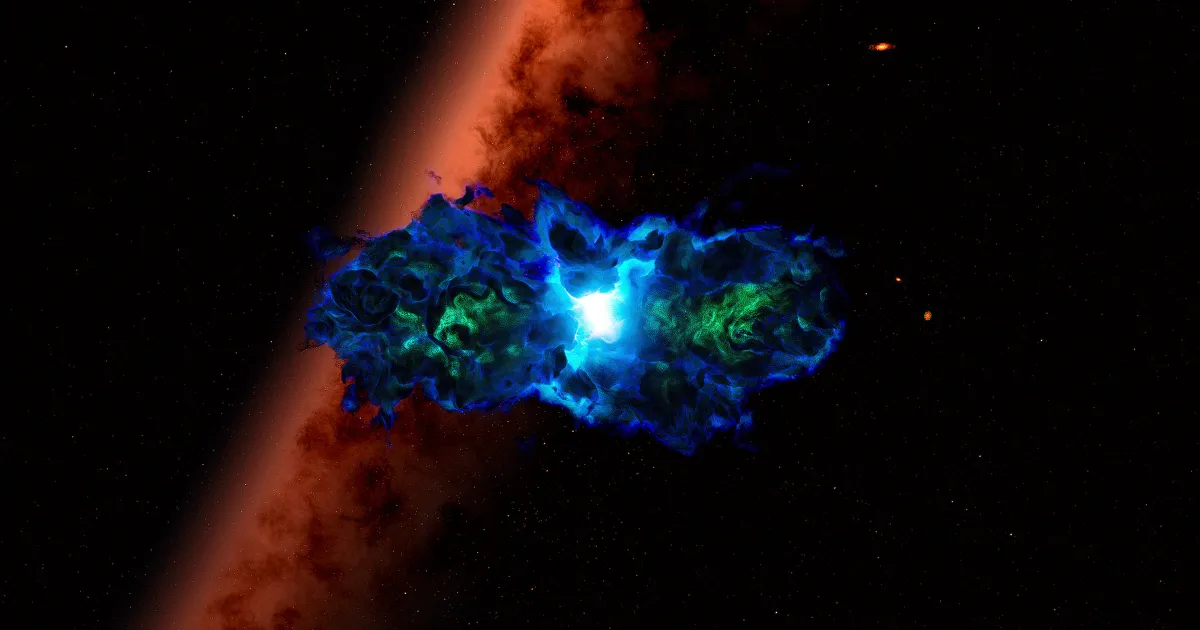
Dark matter, a mysterious substance with gravitational influence on the universe, may give rise to explosive "dark stars" composed of axions, a type of subatomic particle. These axion-formed stars could grow in size before becoming unstable and exploding, releasing energy comparable to a supernova. Observations with the Square Kilometre Array radio telescope may provide evidence of these explosions, potentially shedding light on the nature of dark matter. Theoretical efforts are also underway to distinguish between different types of dark matter, such as axions and WIMPs, through gravitational lensing and other observational methods.

astronomy2 years ago

Unveiling the Enigmatic Bosenovas: Exploring the Invisible Supernovas

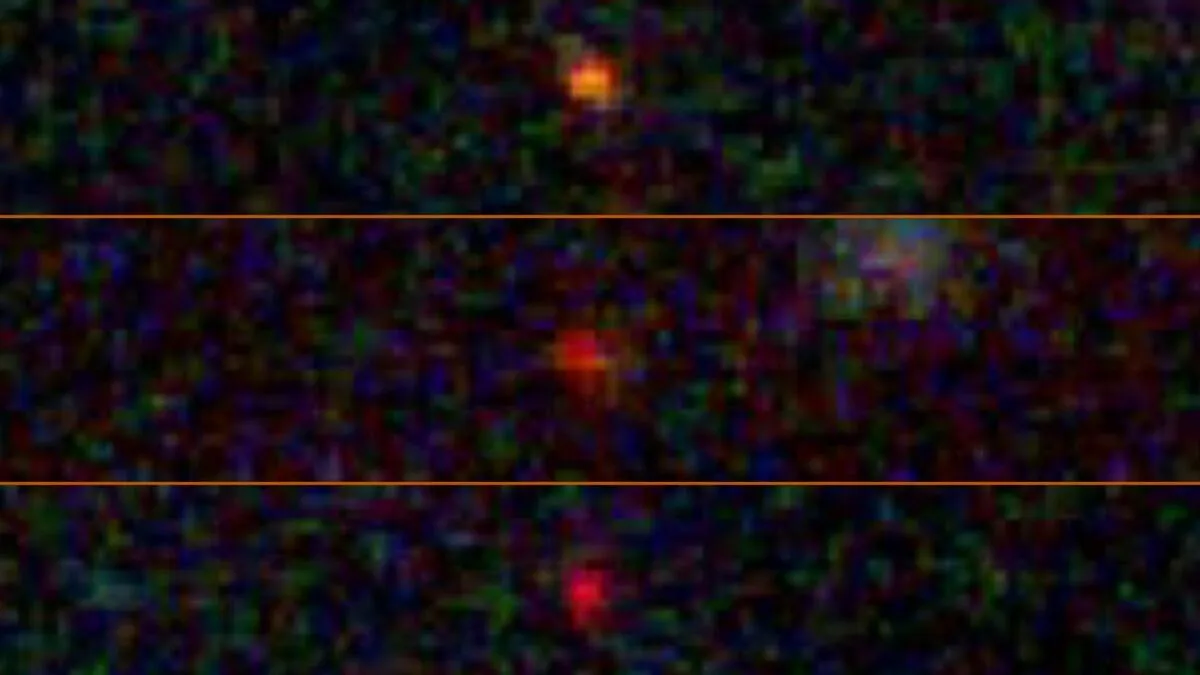
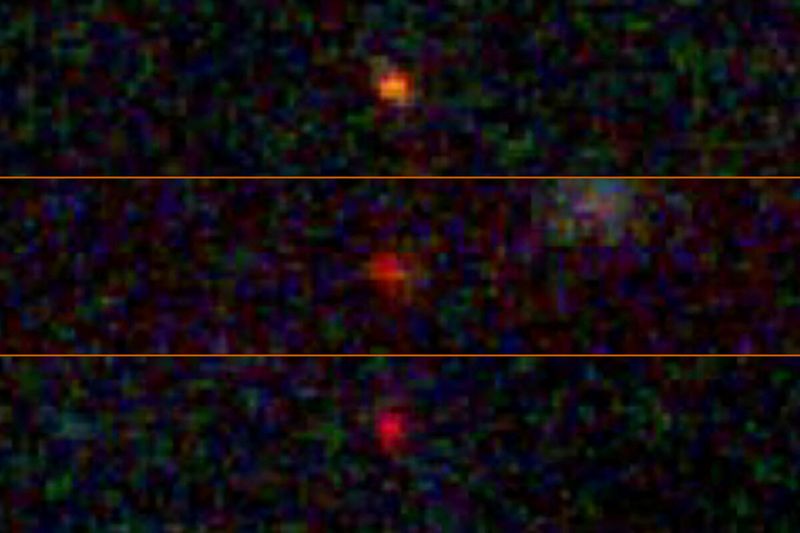
A recent study using spectroscopic analysis from NASA's James Webb Space Telescope (JWST) has identified three potential dark star candidates, estimated to be much larger than our Sun and powered by the demolition of dark matter particles. If confirmed, these dark stars could challenge current cosmological models and provide insights into the early universe. Further observations are needed to validate these findings and understand the correlation between dark matter and the first stars of the universe.

astronomy2 years ago

"James Webb Telescope Uncovers Galaxy-Sized 'Dark Stars' Fueled by Invisible Dark Matter"

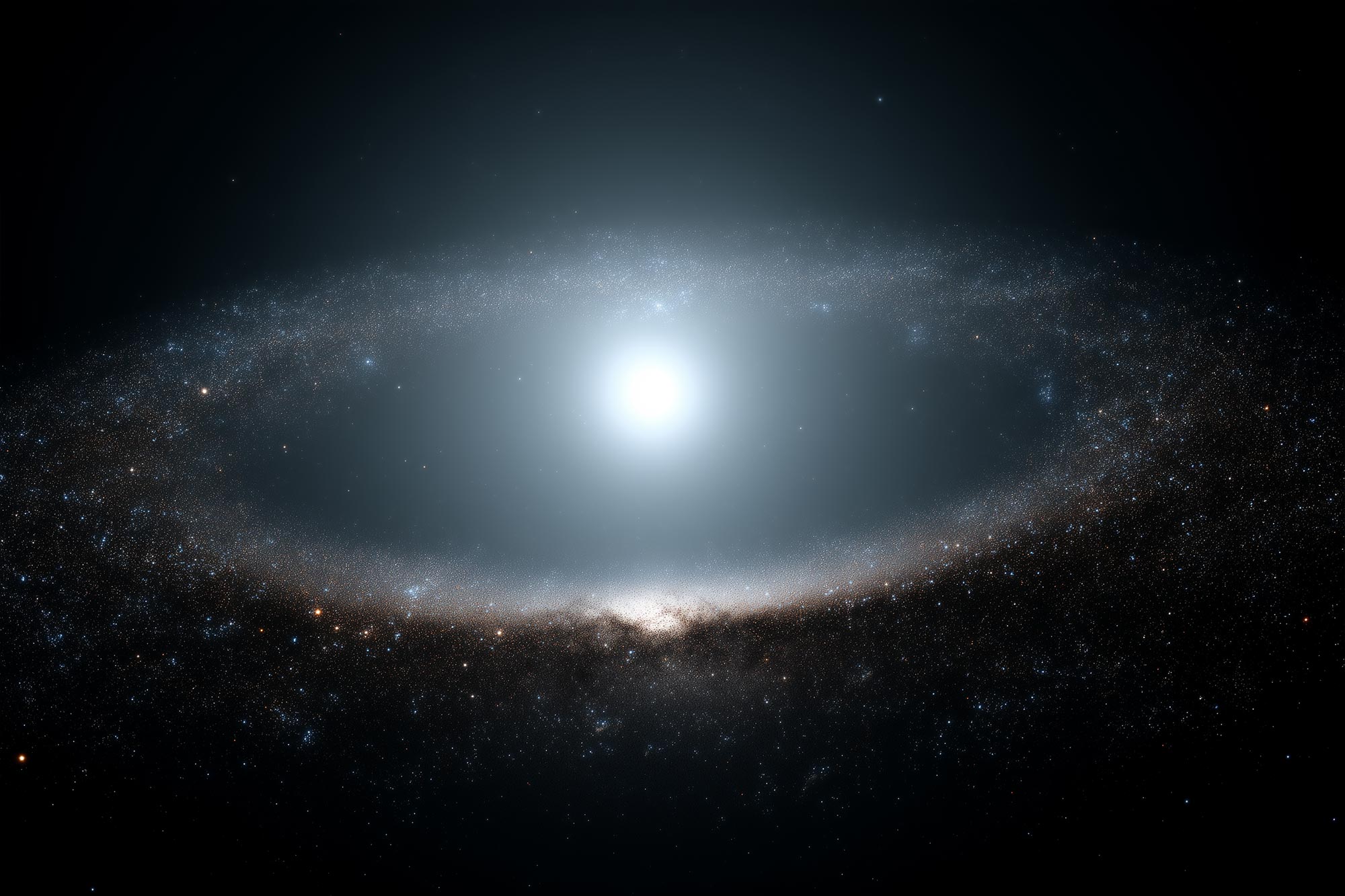
The James Webb Space Telescope (JWST) may have discovered three objects that are not galaxies, but rather "dark stars" powered by dark matter. These immense objects, which existed in the early universe, could be as bright as entire galaxies containing fusion-powered stars. Dark stars are composed mostly of hydrogen and helium, with a small portion made up of dark matter. If confirmed, this finding could provide valuable insights into dark matter and its role in the universe.

astronomy2 years ago

"Webb Telescope's Discovery: Dark Matter Fuels Enigmatic 'Dark Stars'"

Astronomers using the Webb Space Telescope have identified three objects that could be "dark stars," theoretical objects powered by dark matter. These objects, which date back to when the universe was between 320 million and 400 million years old, were initially identified as galaxies but may actually be never-before-seen dark stars. Dark stars would be powered by the collisions of dark matter particles rather than nuclear fusion and could be millions of times the mass of our Sun. Further observations with the Webb Space Telescope will provide more insights into these ancient sources of light and help scientists understand the evolution of cosmic structures.

science2 years ago

"James Webb Telescope Uncovers Enigmatic 'Dark Stars' Fueled by Dark Matter"

The James Webb Space Telescope has identified three objects that could potentially be "dark stars," a type of star powered by dark matter rather than fusion. Dark matter, which makes up about 85% of the universe's matter, would be a crucial ingredient in these stars, which are described as being made mostly of hydrogen and helium with a small percentage of dark matter. These dark stars could achieve a mass at least a million times greater than the sun and a luminosity at least a billion times greater. While more data is needed to confirm their nature, the discovery of dark stars could provide valuable insights into the properties of dark matter particles.

science2 years ago

"Webb Telescope's Discovery: Dark Stars Powered by Dark Matter"

The James Webb Space Telescope has identified three objects that could potentially be "dark stars," a type of star powered by dark matter rather than fusion. Dark matter, which makes up about 85% of the universe's matter, would be a crucial ingredient in these stars, which are described as being made mostly of hydrogen and helium with a small percentage of dark matter. These stars could achieve a mass at least a million times greater than the sun and a luminosity at least a billion times greater. Further research and data are needed to confirm their nature and existence.

astronomy2 years ago

"James Webb Telescope Uncovers Possible Dark Stars, Rewriting Cosmic History"

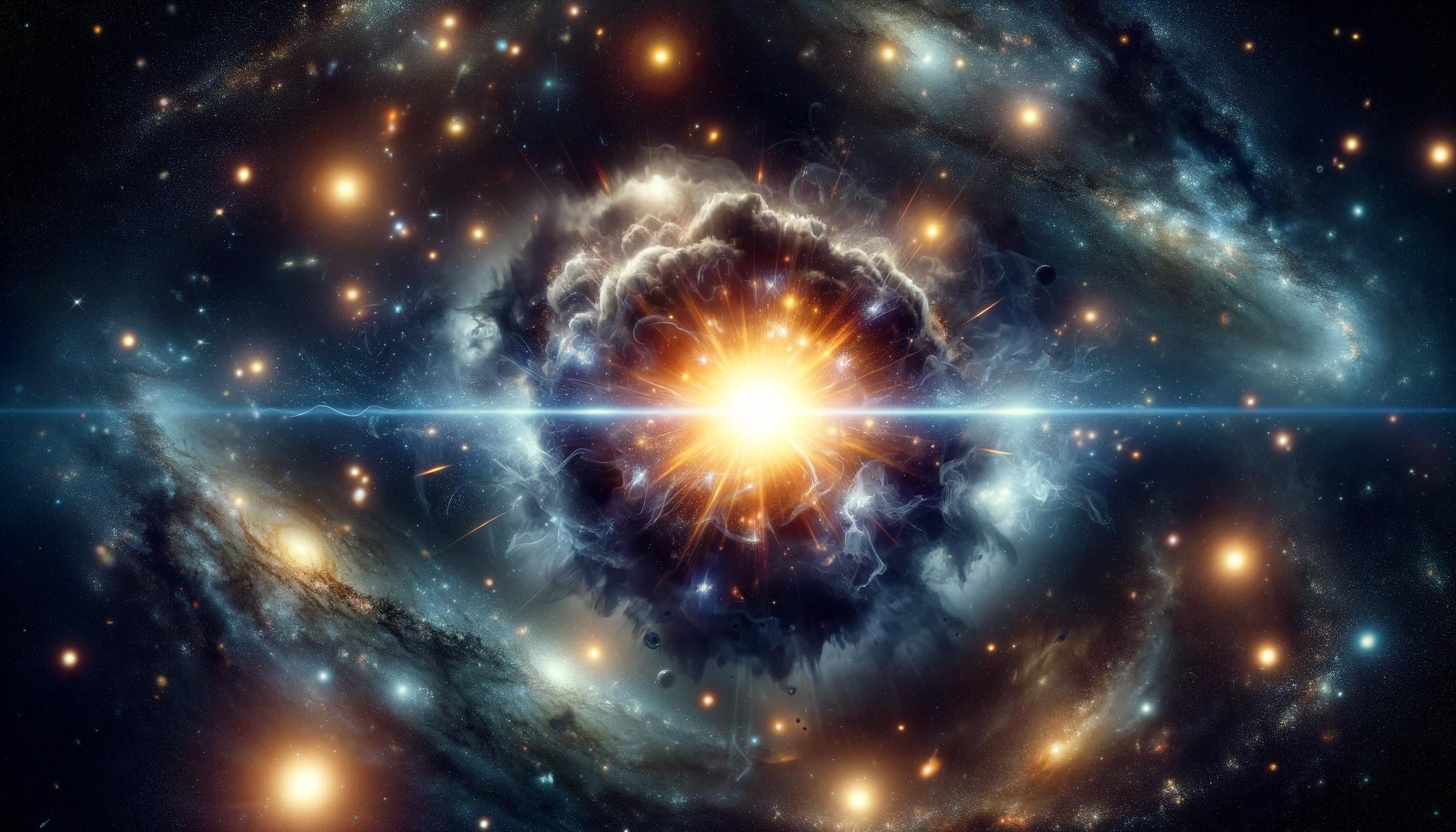
Physicists propose that the bright galaxies discovered by the James Webb Space Telescope (JWST) shortly after the Big Bang may be powered by concentrations of Dark Matter, suggesting the existence of "Dark Stars" that are a million times the mass of the Sun and a billion times as bright. These stars would be fueled by the annihilation of Dark Matter particles, releasing enough energy to heat their surfaces and produce light. The researchers suggest that Dark Stars eventually collapse into black holes, potentially explaining the presence of supermassive black holes in the early universe. However, the nature of Dark Matter particles and the stability of such stars remain uncertain, and further observations are needed to confirm the existence of Dark Stars.

astronomy2 years ago

"Darkness Unleashed: Ancient Discovery of Massive Suns Shatters Time's Dawn"

Three galaxies observed during the Cosmic Dawn may be powered by dark matter collisions instead of nuclear fusion, according to astrophysicists using data from the James Webb Space Telescope. These dark stars could help explain the nature of dark matter and the abundance of supermassive black holes in the universe. Dark stars could address gaps in our understanding of dark matter, the first stars in the universe, and the rapid growth of galaxies since the Big Bang. While highly theoretical and requiring further observations, the researchers suggest that future telescopes could differentiate dark stars from early galaxies based on their helium signatures.

space-science2 years ago

"Exploring the Universe: Nancy Grace Roman Space Telescope's Quest for Supermassive Dark Stars"

The Nancy Grace Roman space telescope, set to launch in 2027, may have the capability to detect supermassive dark stars, which were potentially formed in the early universe due to concentrated dark matter. These stars, if they existed, would have been massive but dim and distant, making them difficult to observe with current telescopes. The Roman telescope, along with the James Webb Space Telescope, could potentially identify and confirm dark star candidates by combining their observations. If successful, this approach could shed light on the formation of supermassive black holes and provide insights into cosmological mysteries.

astronomy2 years ago

Nancy Grace Roman's Discovery of Supermassive Dark Stars.

The Nancy Grace Roman space telescope, set to launch in 2027, may be able to detect supermassive dark stars, which could have seeded the formation of supermassive black holes in the early universe. These dark stars would have been too faint and distant for current telescopes to detect, but the Roman telescope's wide-field infrared capabilities could make it possible. The authors propose combining observations from Roman with the James Webb Space Telescope to confirm dark star candidates.