Primordial Black Holes from the Big Bang May Have Grown into Supermassive Sizes
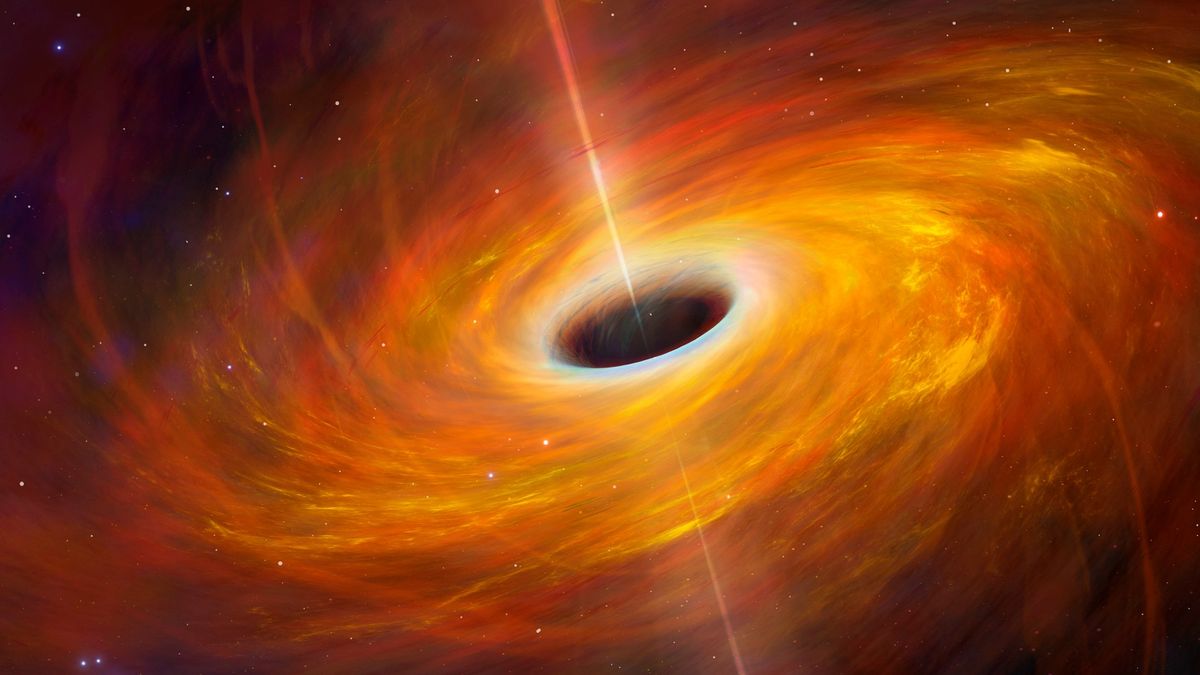
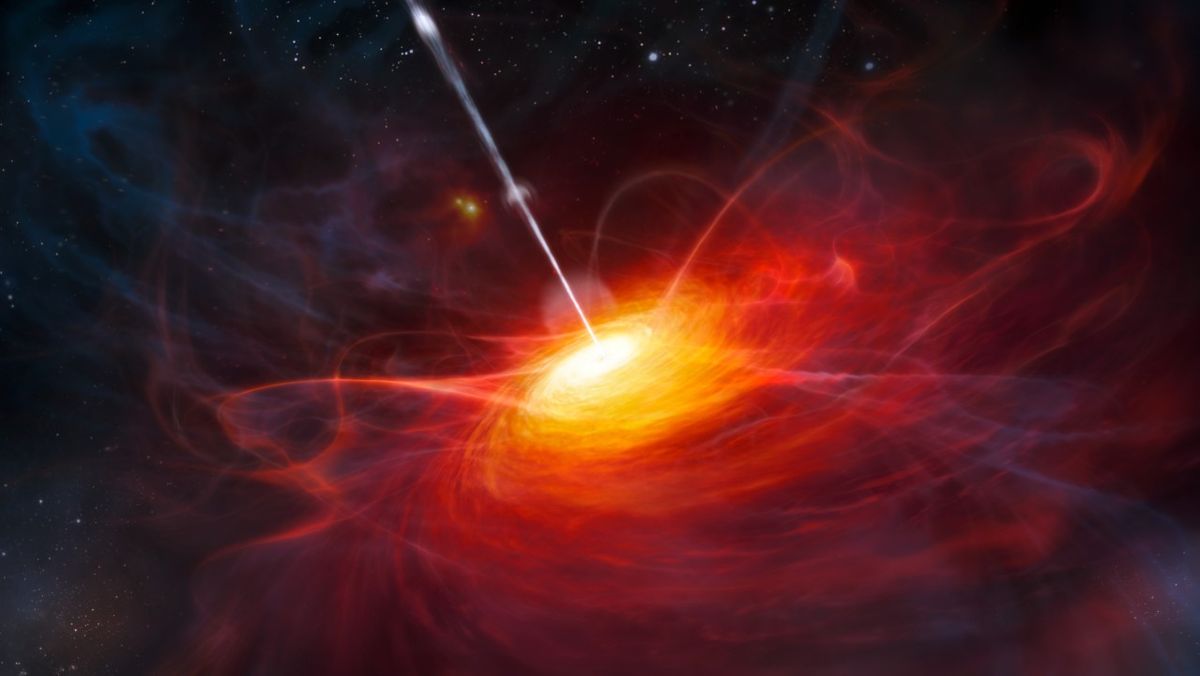
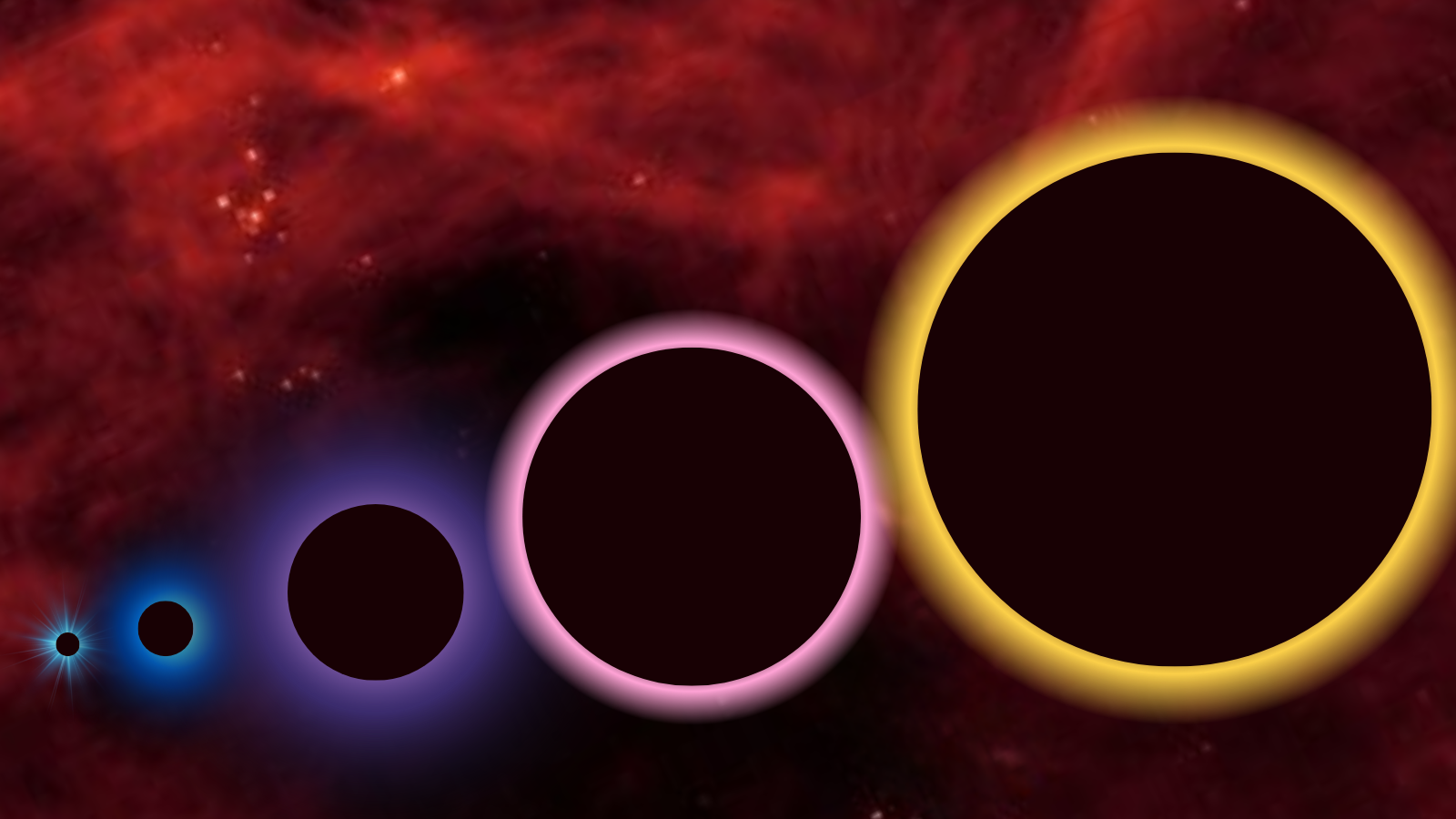
Recent cosmological simulations suggest that primordial black holes formed shortly after the Big Bang could have rapidly grown into supermassive black holes, potentially explaining the presence of such massive objects in the early universe, as observed by the James Webb Space Telescope. This theory offers an alternative to traditional growth models, proposing that primordial black holes, which do not rely on star collapse, could have had a head start in accumulating mass and settling at galactic centers.