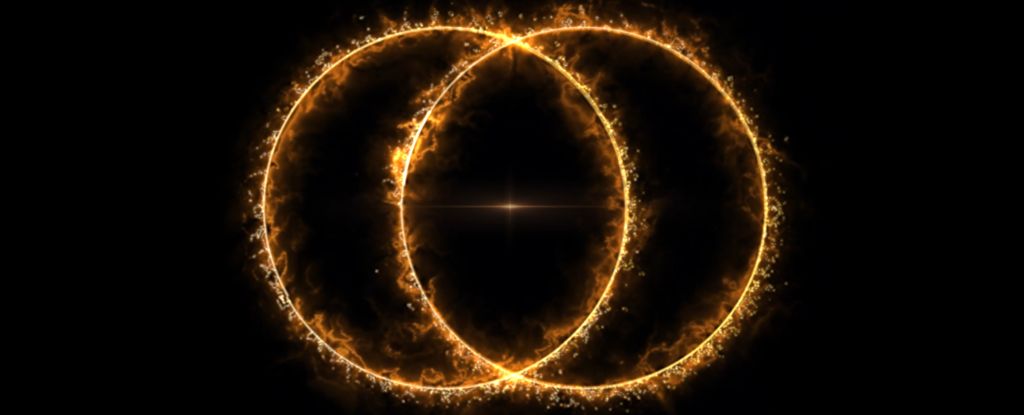
Astronomers, with citizen scientists, discovered the most powerful and distant odd radio circle (ORC), named J131346.9+500320, featuring two intersecting rings likely formed by black hole winds or shocks, providing insights into galaxy and black hole co-evolution.
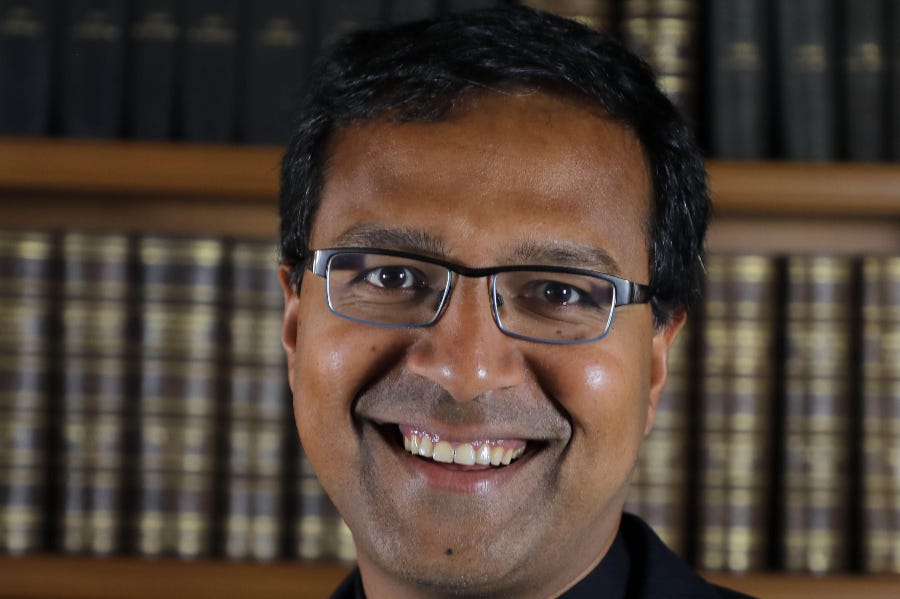
Fr. Richard D’Souza, the new director of the Vatican Observatory and a galactic archaeologist, shares his inspiring journey from a refugee camp to leading the Vatican's astronomical research, discusses galaxy mergers, humanity's future in space, and the importance of human creativity in astronomy, emphasizing the harmony between faith and science.
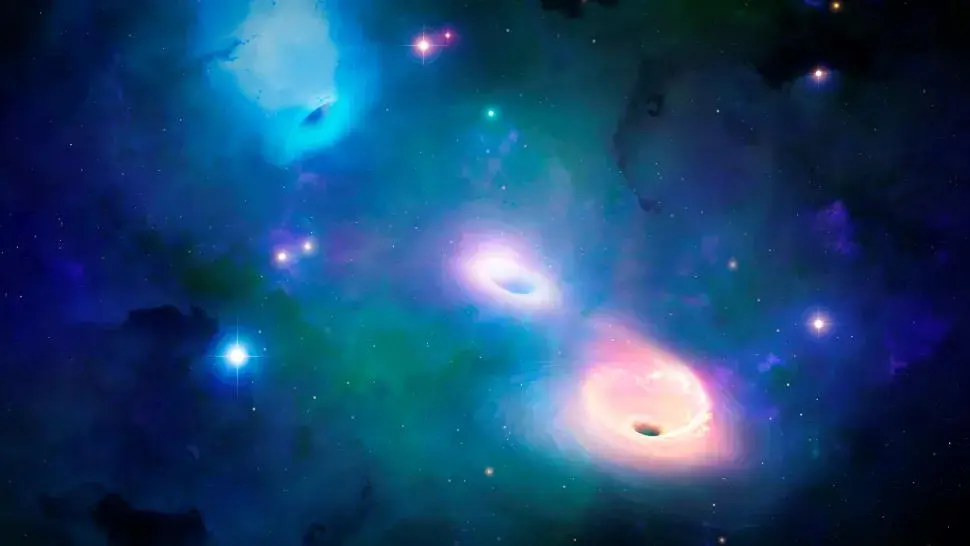
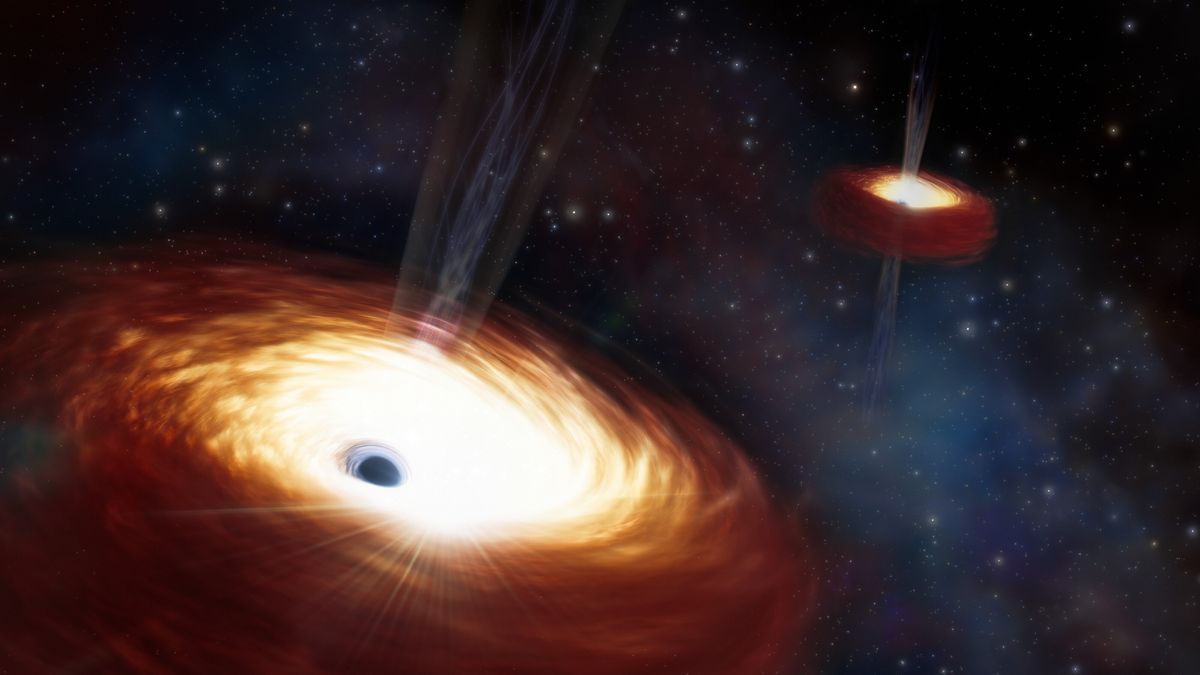
The article discusses the extreme black hole system OJ 287, which is the most massive known binary supermassive black hole system, located about 4 billion light-years away. It highlights how such systems emit gravitational waves, which are challenging to detect due to their long wavelengths, requiring advanced space-based detectors like LISA or pulsar timing arrays. The system's dynamics, including periodic flares caused by the smaller black hole crossing the larger one's accretion disk, are consistent with Einstein's general relativity. In about 10,000 years, these black holes are expected to merge, releasing an enormous amount of gravitational wave energy.
Astronomers are using machine learning to identify black hole mergers in early galaxies, with a study showing that software trained by experts can achieve over 80% accuracy in identifying active black holes. The research revealed that the growth of supermassive black holes is linked to the presence of large quantities of nearby cold gas, rather than galactic mergers, indicating a connection between the growth of galaxies and their black holes. As astronomical data collection continues to grow, the combination of skilled observers and software will be essential for effective analysis.
New research led by the University of Bath suggests that galaxy mergers alone are not enough to fuel supermassive black holes, as a reservoir of cold gas at the center of the host galaxy is also needed. Using machine learning, researchers found that mergers are not strongly associated with black-hole growth, and that large amounts of cold gas must be present to allow the black hole to grow. This study challenges previous theoretical models and provides new insights into the relationship between galaxy mergers, supermassive black-hole accretion, and star formation.
Two supermassive black holes, with a combined mass 28 billion times that of the sun, have been discovered in a fossil galaxy, locked in a gravitational dance preventing them from merging. This finding challenges the theory that supermassive black hole mergers are common, as these are the closest and heaviest black hole pair ever observed. The massive black holes have scoured their galaxy of stars and gas, stalling their collision. The discovery sheds light on the formation and behavior of supermassive black hole binaries after galactic mergers and highlights the potential impact of archival data from telescopes like Gemini North.
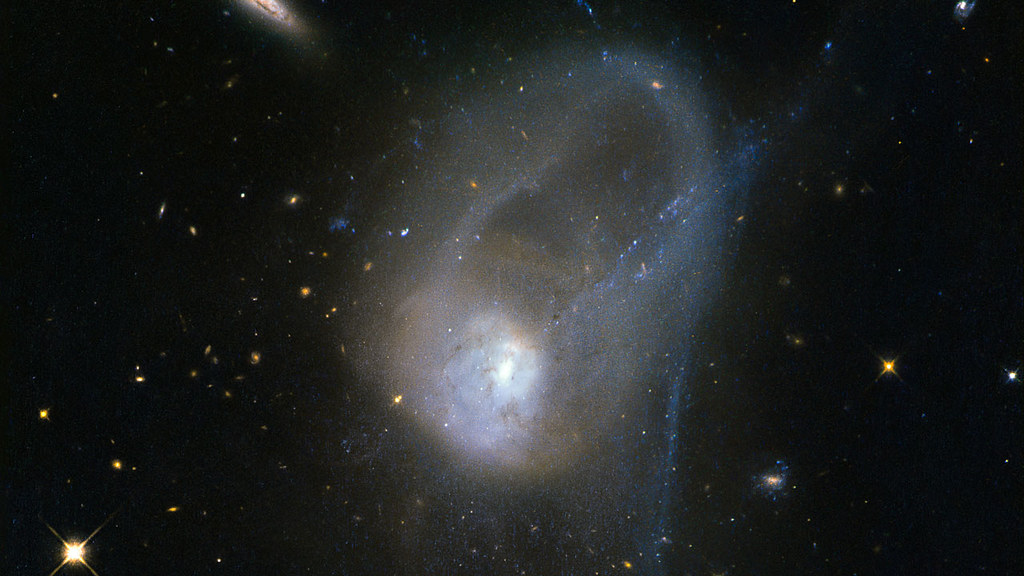
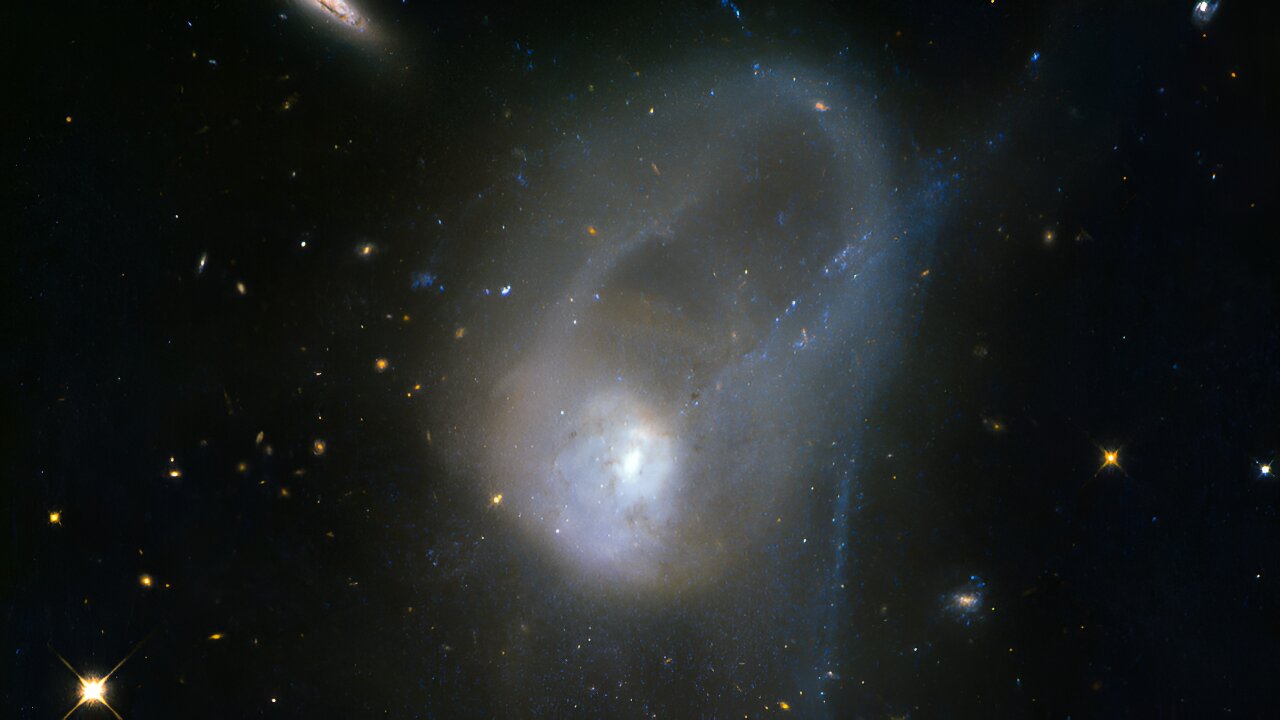
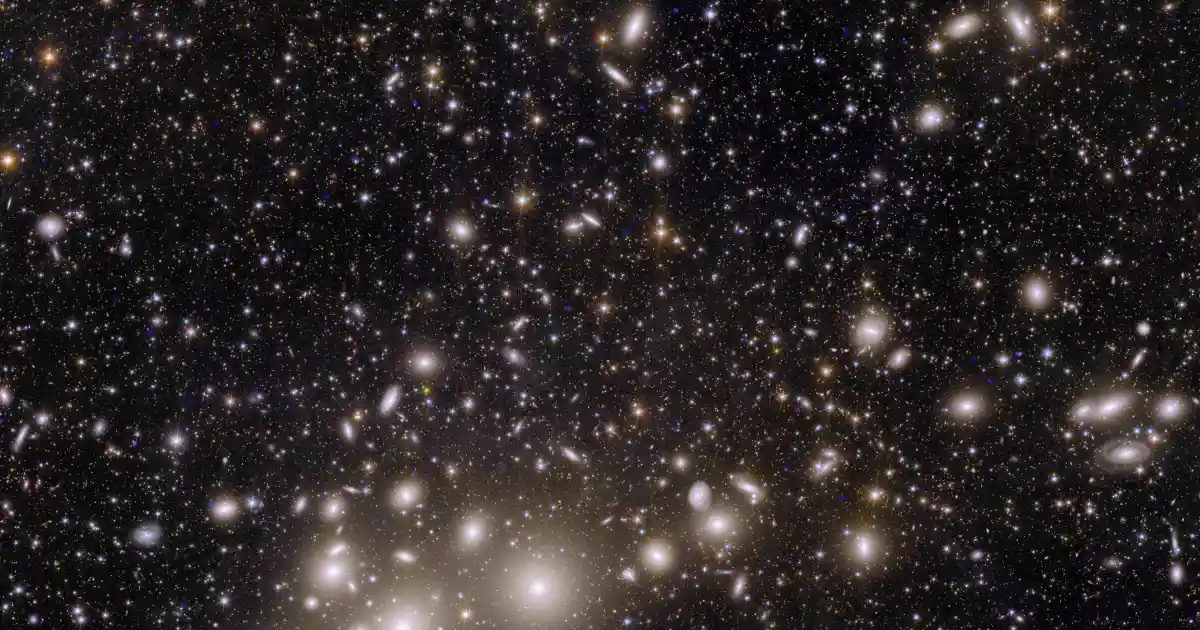
Galaxy clusters serve as graveyards for Milky Way-like galaxies as they undergo mergers and experience gas stripping, leading to the cessation of star formation and the eventual transformation into giant elliptical galaxies dominated by old stars. Gas-depleted or gas-free galaxies are unable to form new stars, resulting in a "red-and-dead" state. Various events such as internal dynamics, external gravitational tugs, and galactic mergers can trigger star formation, but once a galaxy becomes gas-depleted, its fate is sealed.
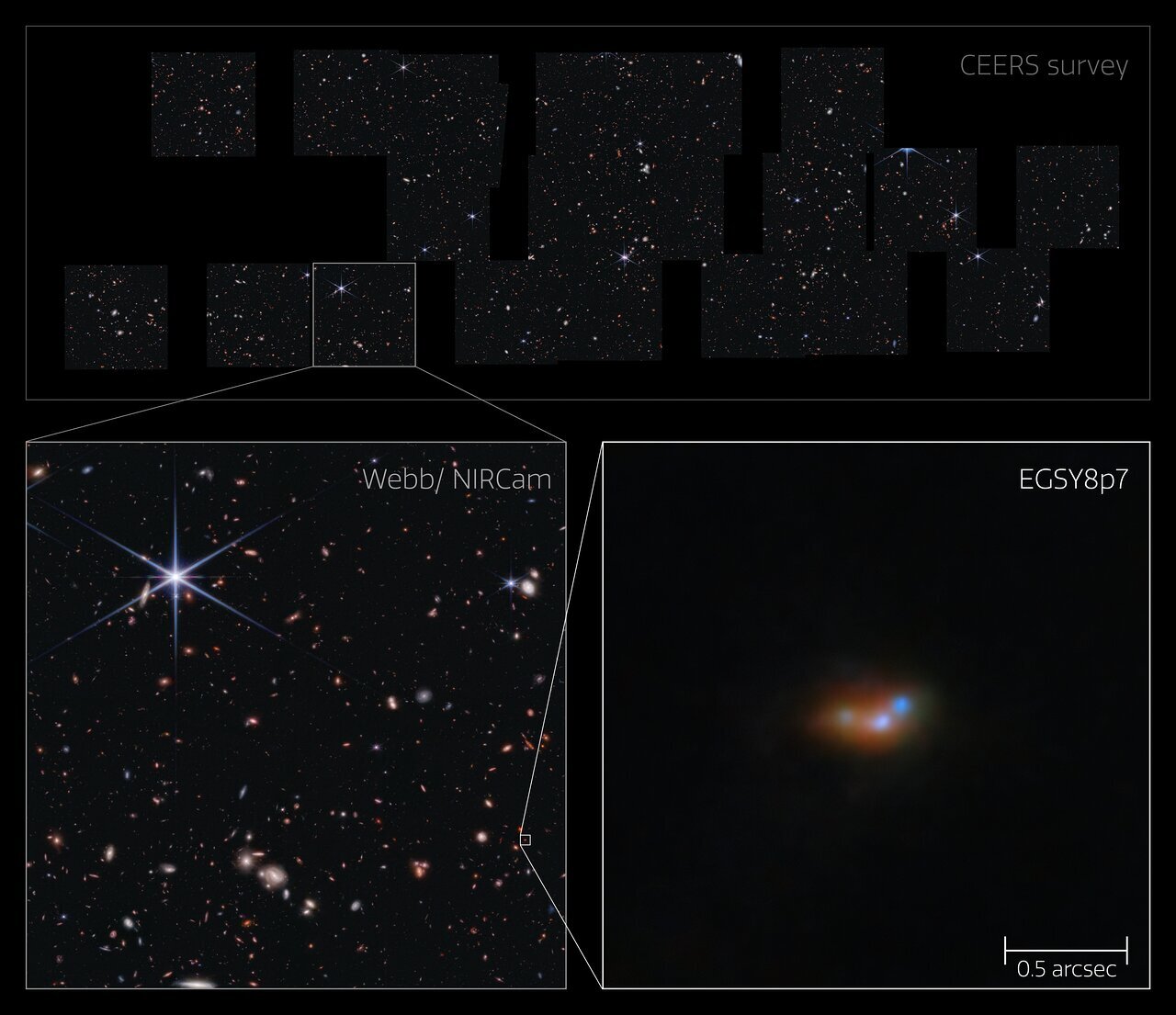
The James Webb Space Telescope has used its NIRCam instrument to reveal that the mysterious hydrogen emission from the earliest galaxies in the universe is due to the chaotic merging of neighboring galaxies. This discovery solves a long-standing mystery in astronomy and sheds light on the intense star-forming activity within interacting galaxies, which energizes hydrogen emission and clears gas from their surroundings, allowing the unexpected hydrogen emission to escape. The findings, published in Nature Astronomy, provide a compelling solution to the puzzle of the inexplicable early hydrogen emission and will improve our understanding of galaxy evolution.
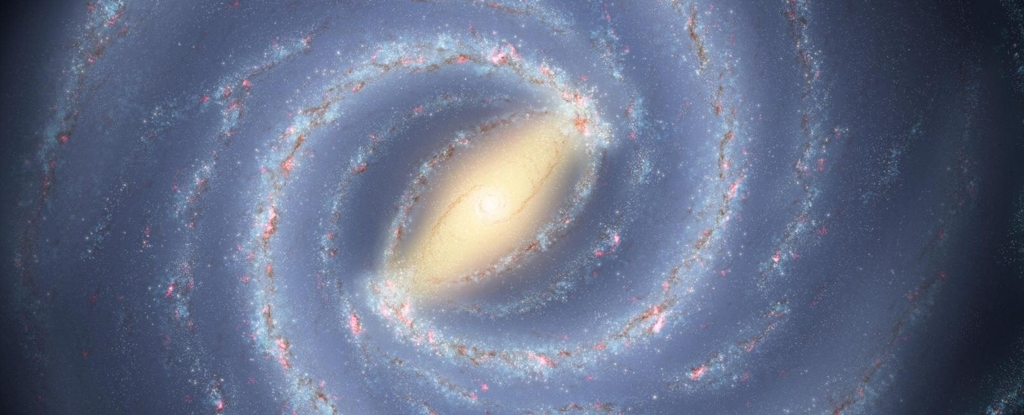
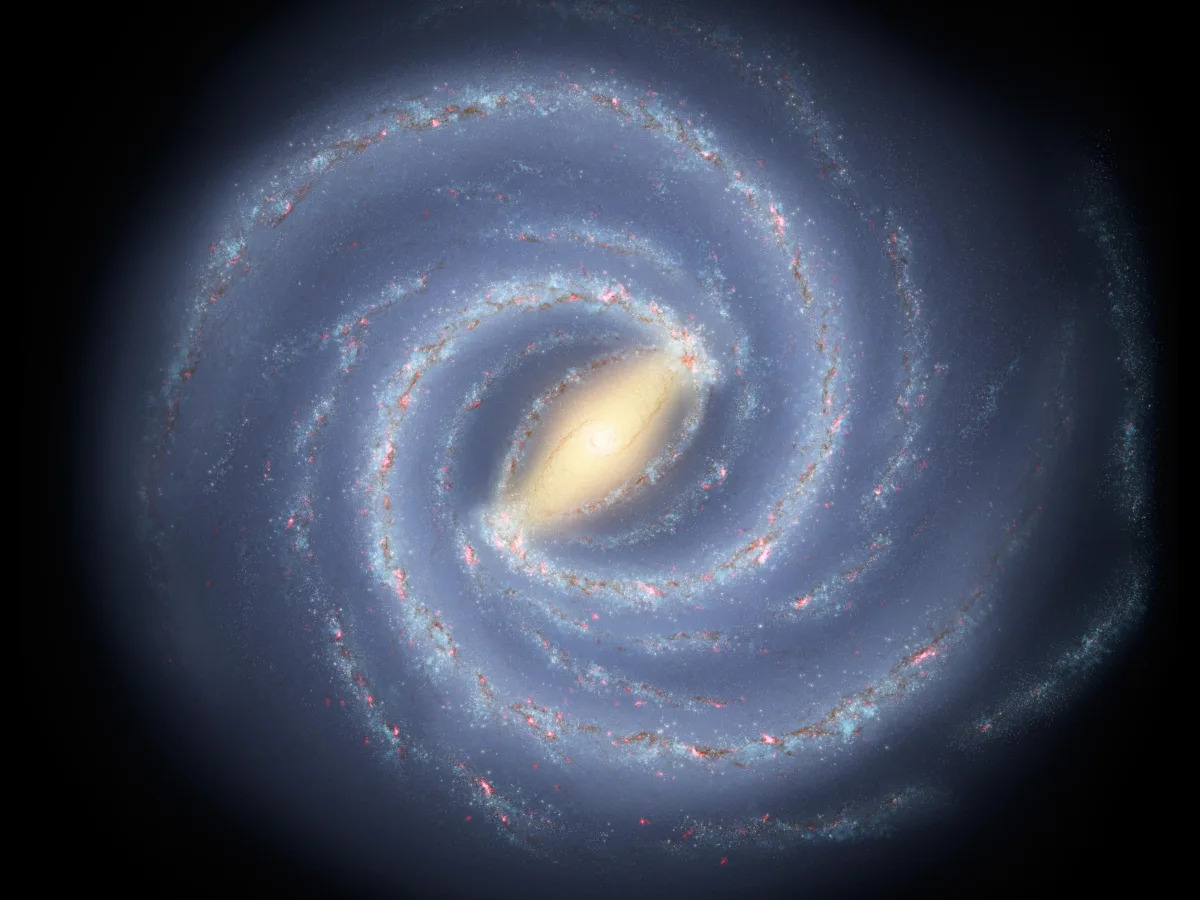
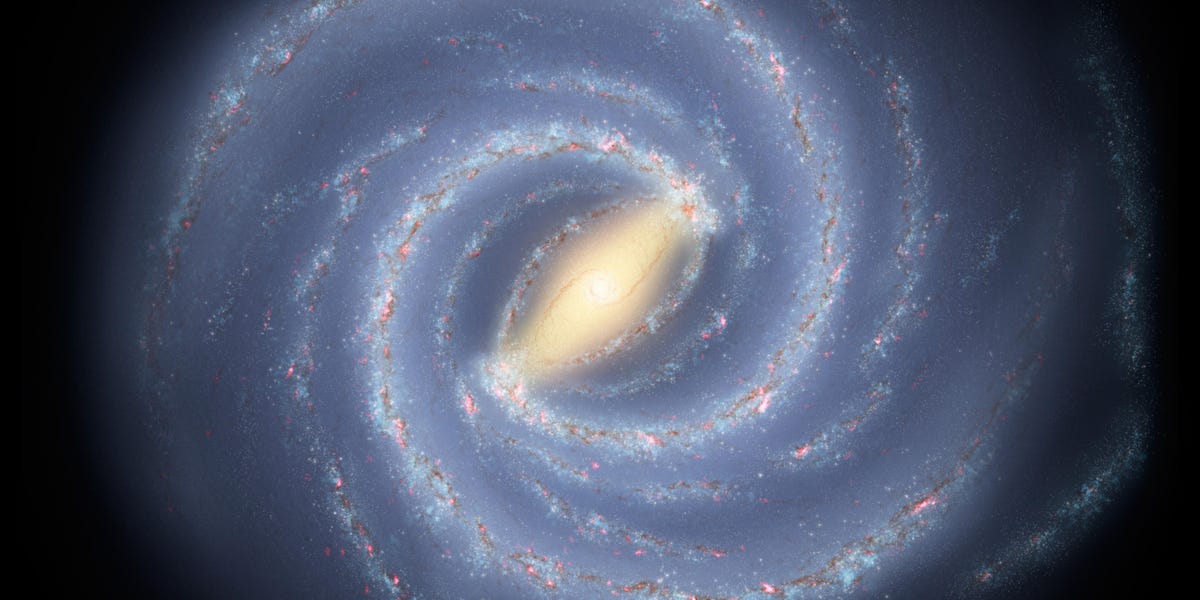
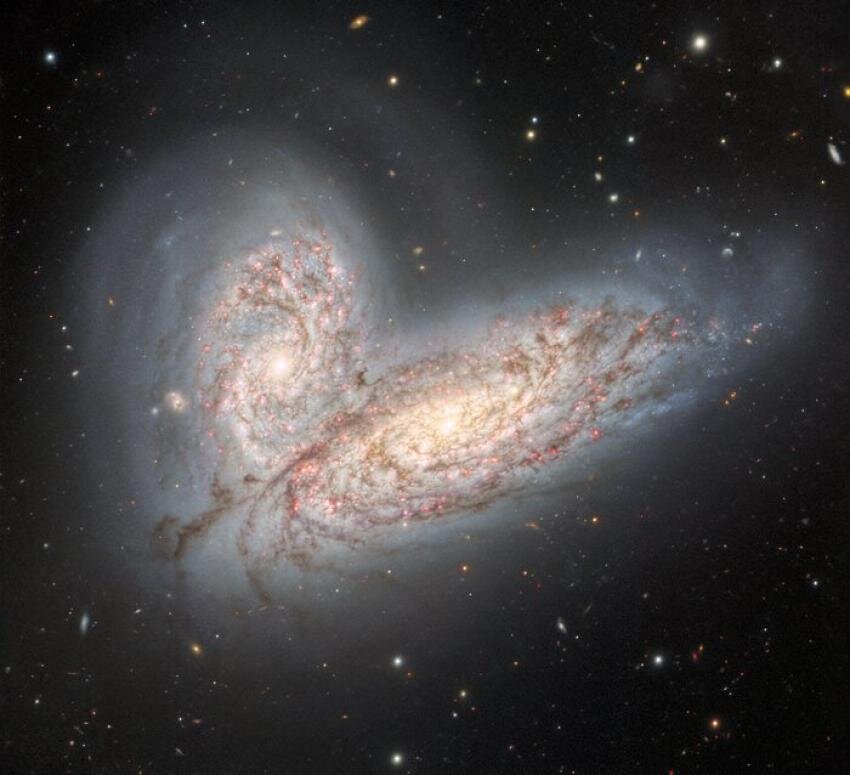
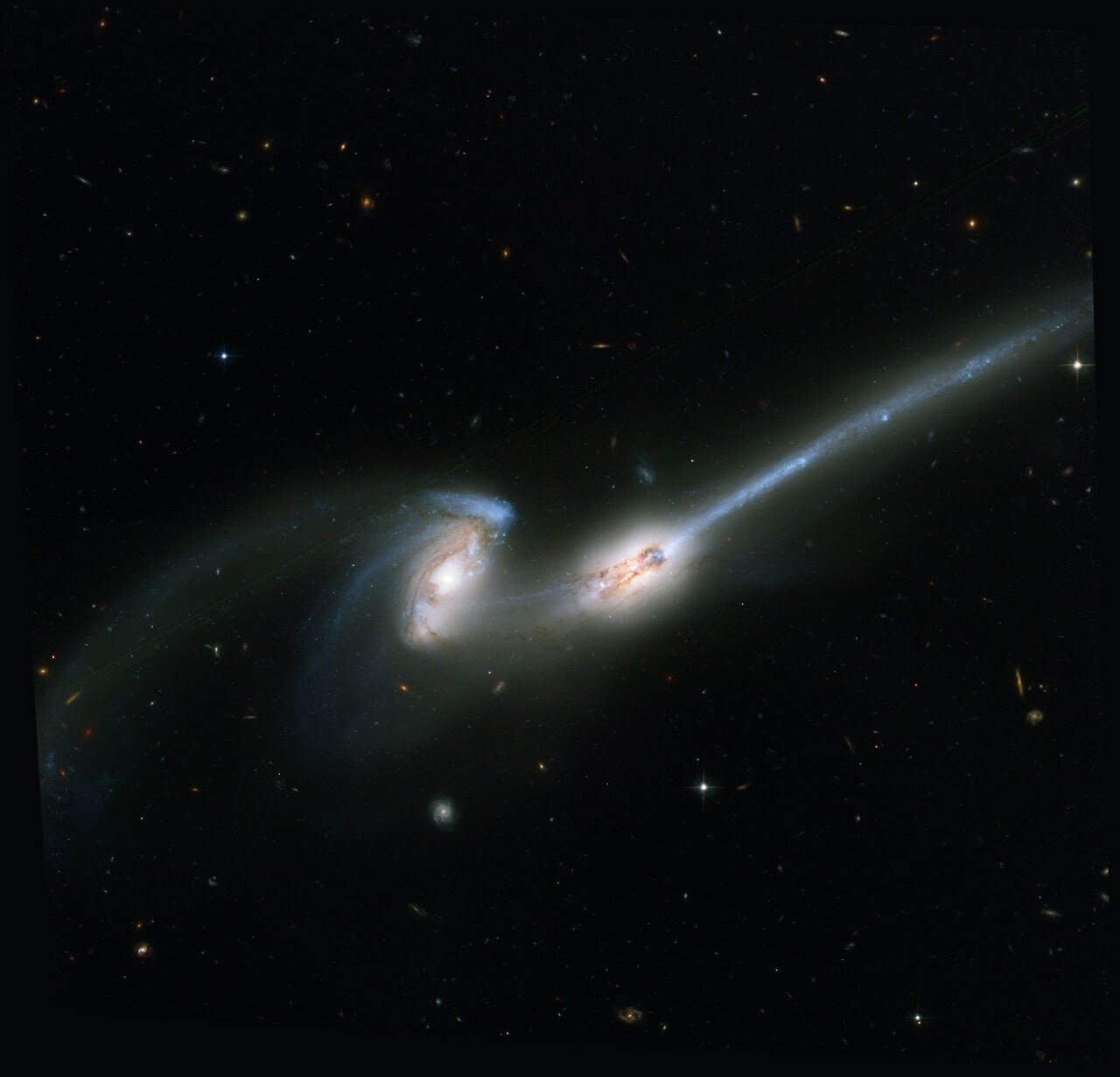
Astronomers have long wondered why spiral galaxies like the Milky Way are rare in our galactic neighborhood. A new study using a supercomputer to simulate the evolution of our galactic neighborhood suggests that the Milky Way survived amidst a turbulent past of frequent collisions and mergers. The simulation revealed that our galactic neighborhood has plenty of elliptical galaxies but very few spiral galaxies, indicating that the Milky Way somehow managed to maintain its spiral structure amidst a chaotic scenario of galactic bumper cars over billions of years.
Scientists have long wondered why spiral galaxies like the Milky Way are rare in our galactic neighborhood. Using a supercomputer to simulate the evolution of our cosmic neighborhood, researchers discovered evidence of a turbulent past characterized by frequent collisions and mergers. These collisions and mergers transformed spiral galaxies into elliptical galaxies, explaining the rarity of spiral galaxies in our corner of the cosmos. The study sheds light on the formation of galaxies and how the Milky Way survived amidst a chaotic scenario of galactic bumper cars over billions of years.
Astronomers have long wondered why spiral galaxies like the Milky Way are rare in our galactic neighborhood. A new study using simulations of galactic evolution suggests that our cosmic neighborhood experienced frequent collisions and mergers, resulting in the formation of elliptical galaxies. This explains why there are plenty of elliptical galaxies but few spiral galaxies in our corner of the cosmos, indicating that the Milky Way somehow survived amidst a chaotic scenario of galactic collisions over billions of years.
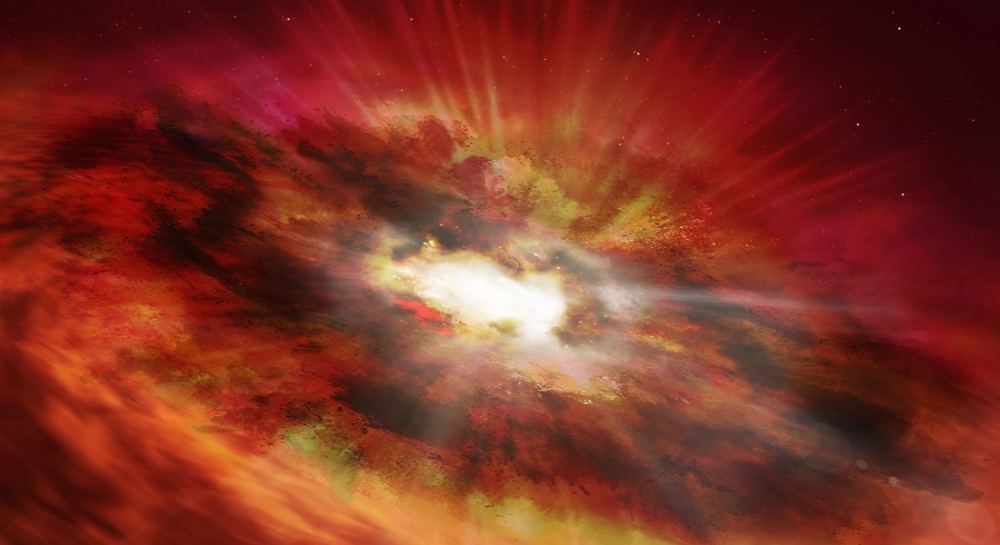
Astronomers in Taiwan are researching the formation of supermassive black holes (SMBH) in early galaxies. They propose that the growth of SMBH primarily occurs through the accretion of giant molecular clouds during galaxy mergers. These clouds fall to the galactic center efficiently, increasing star formation and providing the building blocks for the rapid growth of a central SMBH. The team's simulations show that black holes of a few million solar masses can grow to billions of solar masses within a few hundred million years, explaining why SMBH are observed in the early epochs of cosmic history. The research has implications for understanding galaxy evolution and will be further verified by future observational results.
An Australian astronomer has solved a century-old mystery of galactic evolution by analyzing optical and infrared images of nearby galaxies. The study reveals that spiral galaxies reside between two types of lenticular galaxies: old and dust-poor, and dust-rich, which are formed through galaxy mergers. The research redraws the galaxy sequence and provides an evolutionary pathway through a galaxy wedding sequence. The Milky Way was likely once a dust-poor lenticular galaxy that accreted material and evolved into a spiral galaxy. The study also explains the formation of elliptical-shaped galaxies and the most massive galaxies observed in galaxy clusters.
Scientists have made significant advances in the formation theory of supermassive black holes by using high-resolution simulations of galaxy mergers. They found that the growth of black holes primarily occurs through the accretion of molecular clouds during galaxy mergers. The dynamics of gravitational forces allow massive molecular clouds to efficiently fall into the galactic center, rapidly increasing the formation rate of stars and providing the necessary nutrients for the rapid growth of the black hole. This research provides a deeper understanding of galaxy evolution and offers a possible mechanism for the rapid growth of black holes.
An international consortium of astronomers has presented evidence of low-frequency gravitational waves in the cosmos, detected through pulsar timing arrays (PTAs). These disturbances in spacetime were observed using rapidly spinning neutron stars called pulsars, which serve as cosmic metronomes. While the LIGO experiment previously detected high-frequency gravitational waves from black hole mergers, PTAs provide a new perspective by capturing low-frequency waves generated by supermassive black hole collisions during galaxy mergers. The preliminary results suggest that the final stages of galaxy mergers may be more exciting than anticipated, and with further observations, PTAs could enable multi-messenger astronomy and revolutionize our understanding of cosmic history.