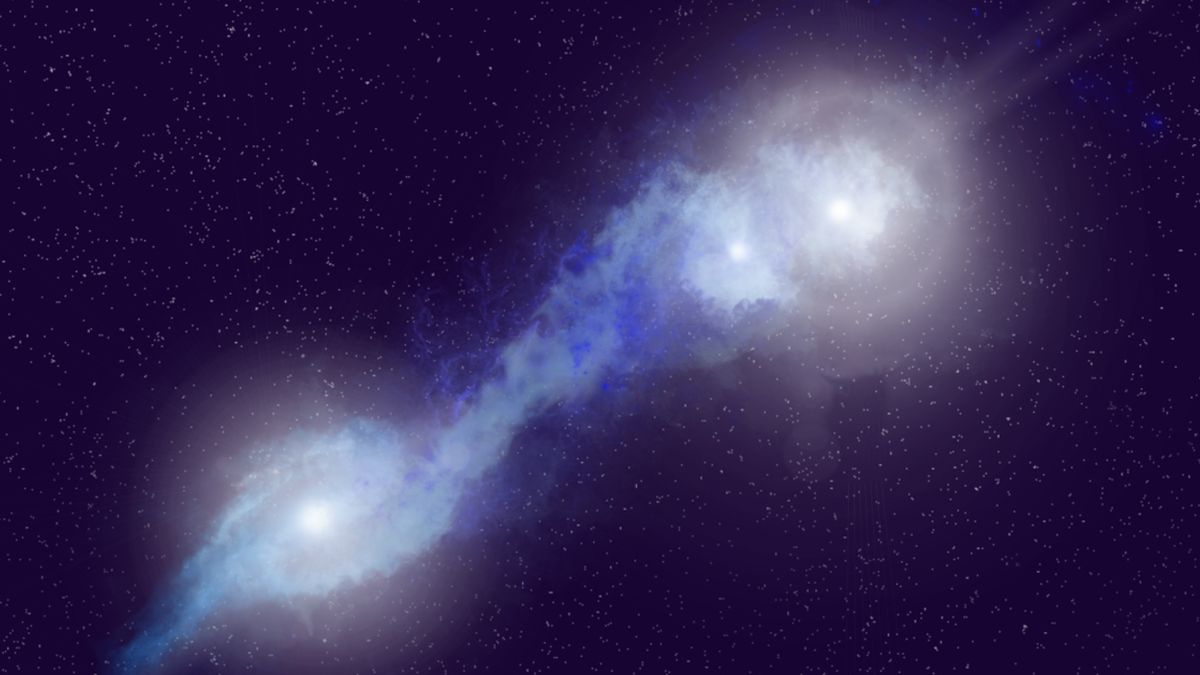
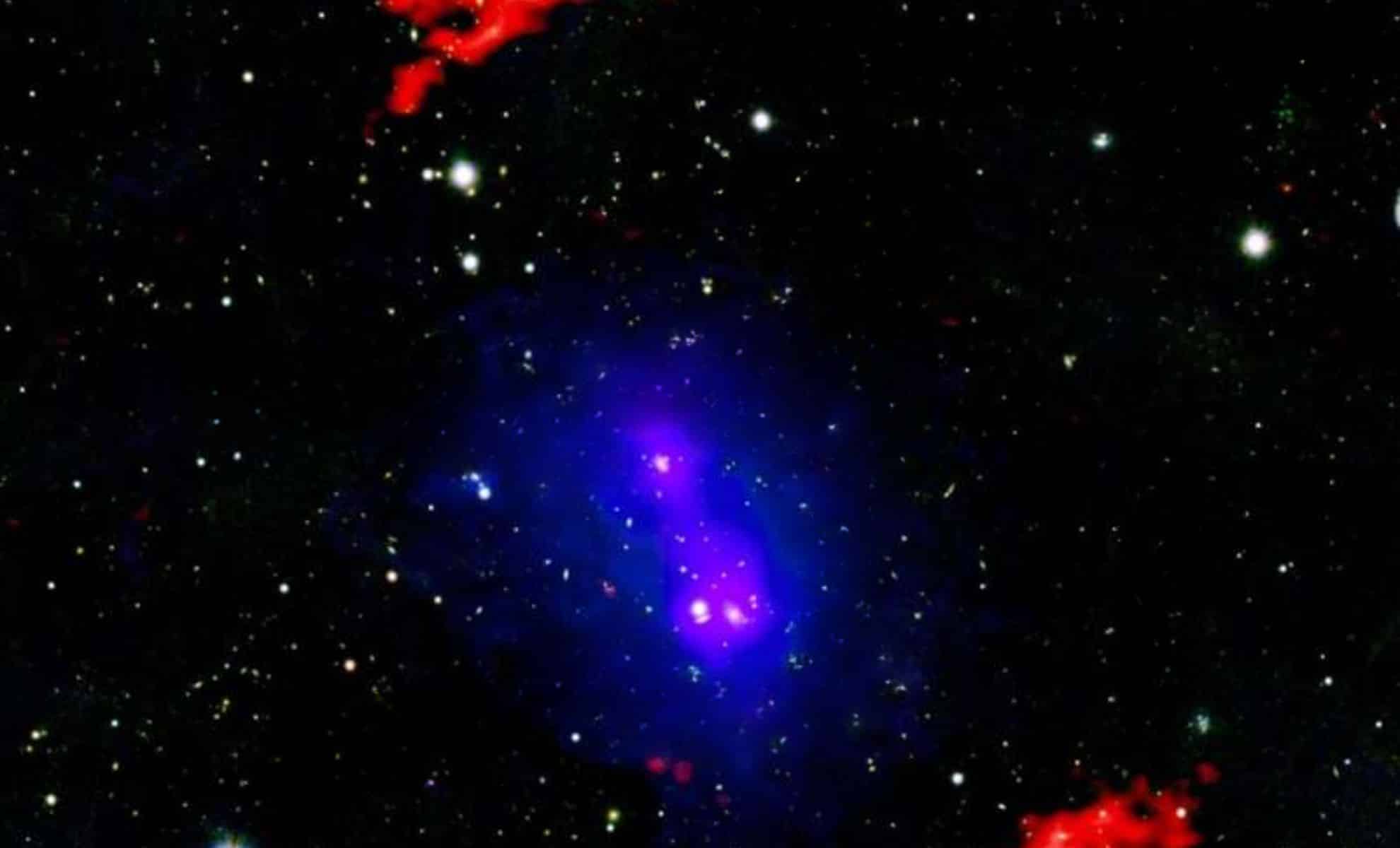
Astronomers have discovered a rare cosmic event involving three galaxies in the process of merging, each hosting an actively feeding supermassive black hole emitting radio jets, providing new insights into galaxy and black hole growth.
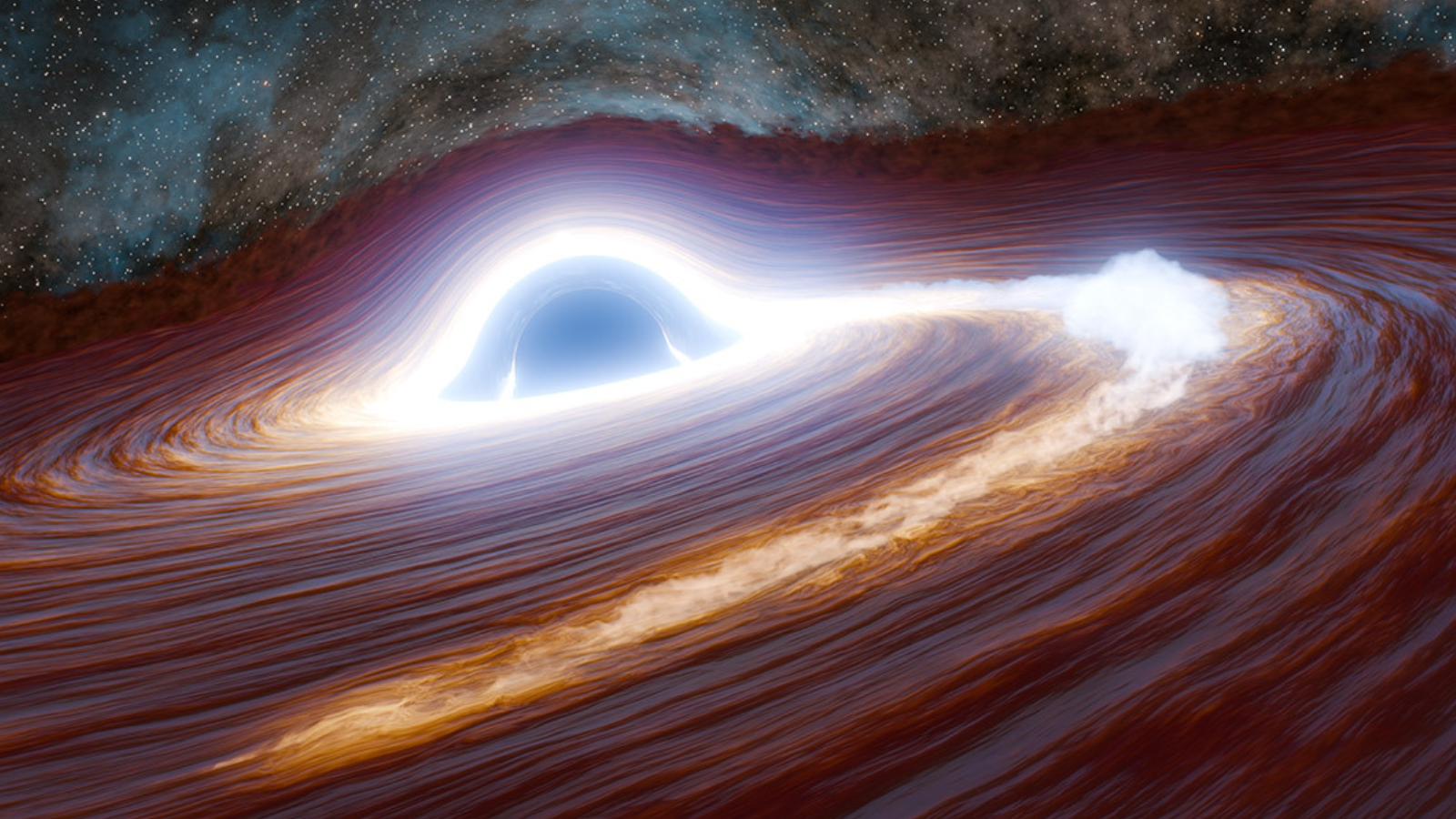
Scientists observed the largest and most distant black hole flare ever, originating from a supermassive black hole in a galaxy 10 billion light-years away, caused by a massive star being torn apart in a tidal disruption event, emitting energy equivalent to 10 trillion suns.
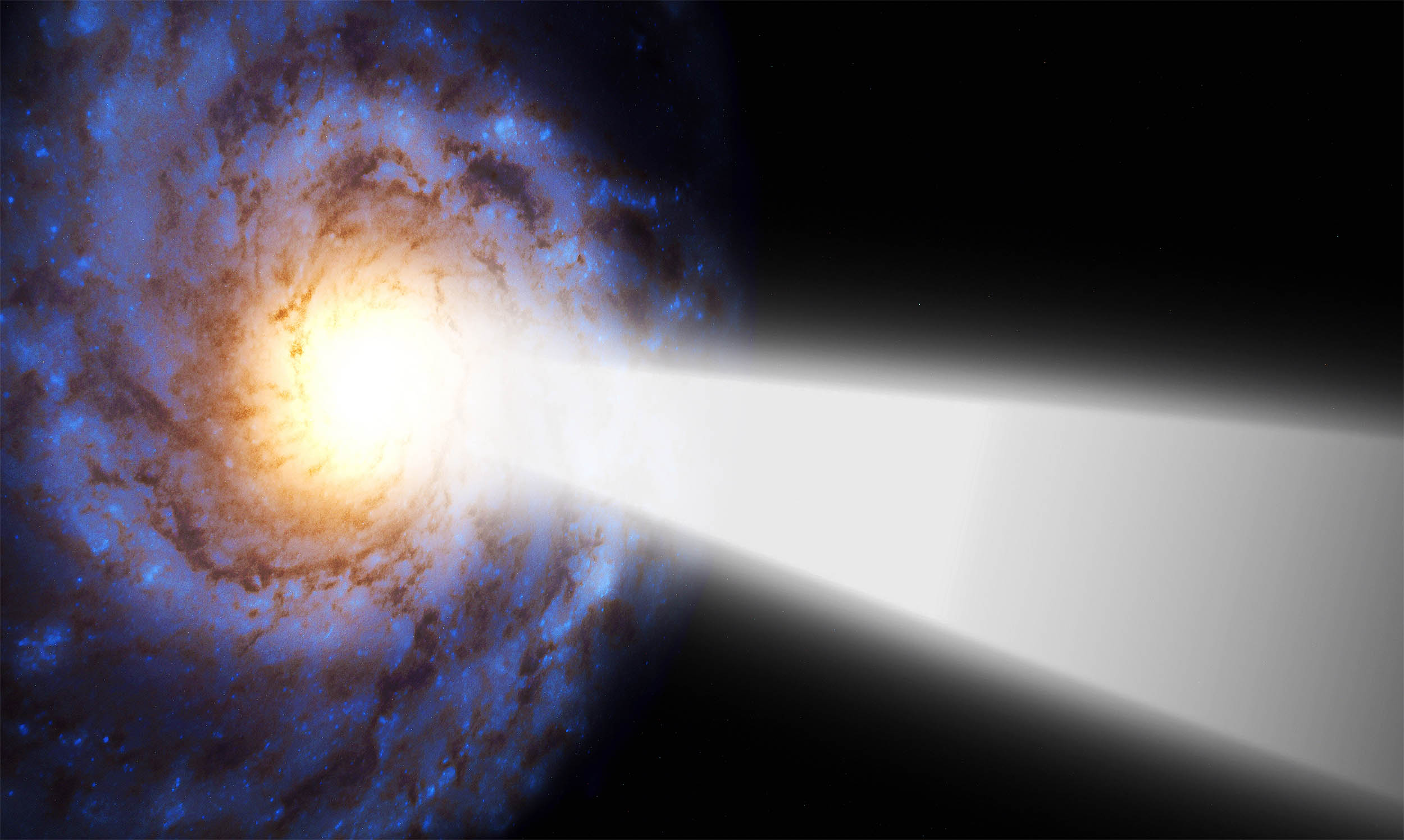
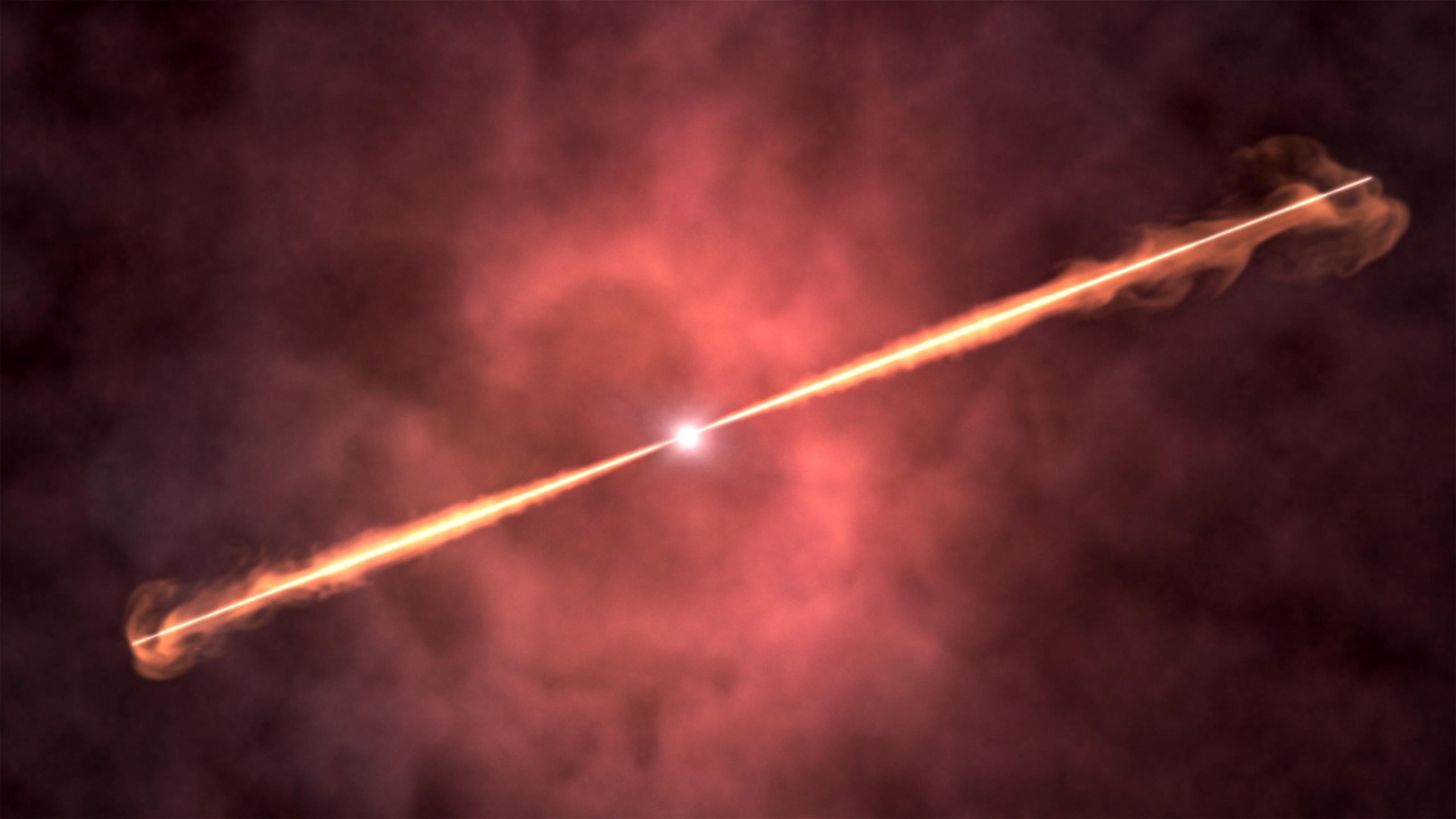
Astronomers have recorded the longest gamma-ray burst ever, GRB 250702B, lasting about 7 hours, which may have been powered by a black hole merging with a star, indicating a potentially new type of cosmic event beyond traditional models.
Astronomers observed a unique gamma-ray burst lasting nearly a day, challenging existing theories and suggesting the involvement of an intermediate-mass black hole, with investigations ongoing to determine its origin and energy output.
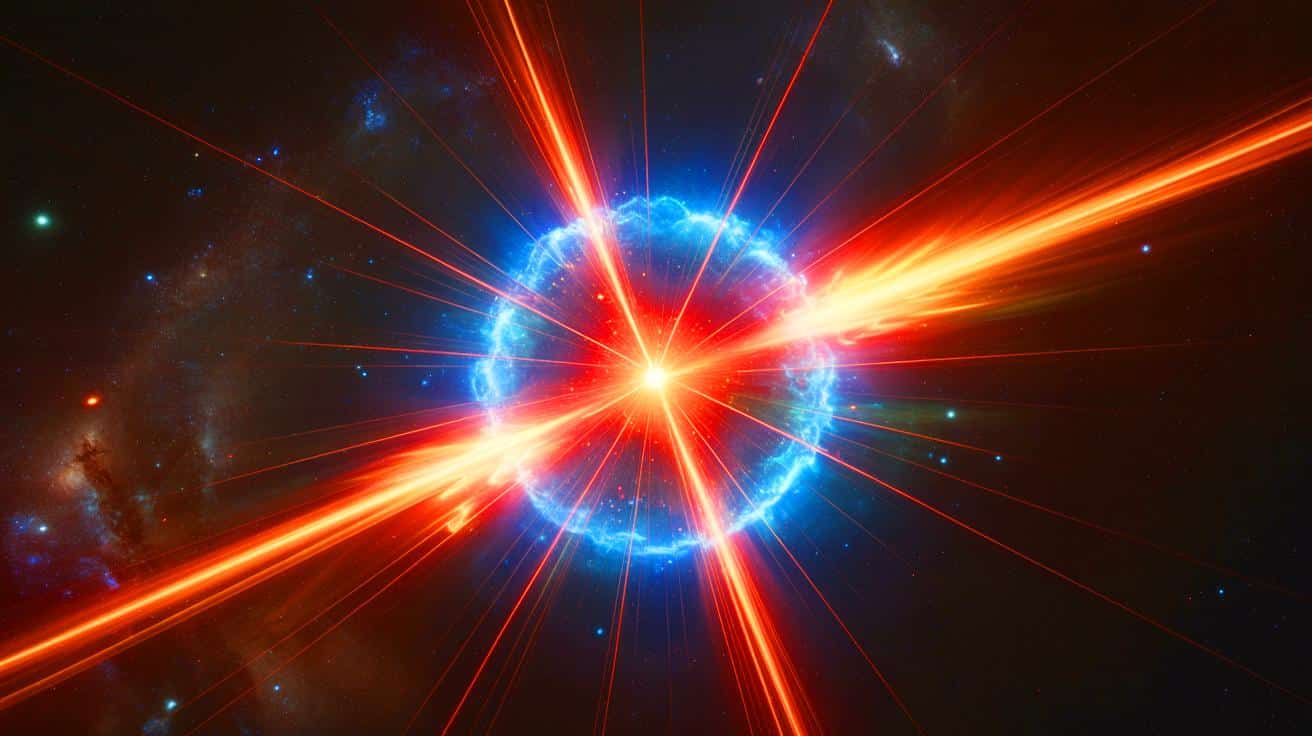
Scientists warn of a 90% chance that a primordial black hole formed after the Big Bang could explode by 2035, potentially releasing observable Hawking radiation and providing groundbreaking insights into the universe's fundamental particles.
A short sci-fi story explores the aftermath of a 21-second global event where millions of human souls disappear, leading to chaos, legal battles, and the emergence of a god-like AI entity called the Twenty-One Second God, raising questions about consciousness, identity, and the nature of divinity.
NASA's Chandra X-ray Observatory has discovered that two galaxy clusters, PSZ2 G181.06+48.47, are on a collision course after their initial impact about a billion years ago, providing a rare opportunity to study large-scale cosmic interactions, shock fronts, and the role of dark matter in galaxy formation.
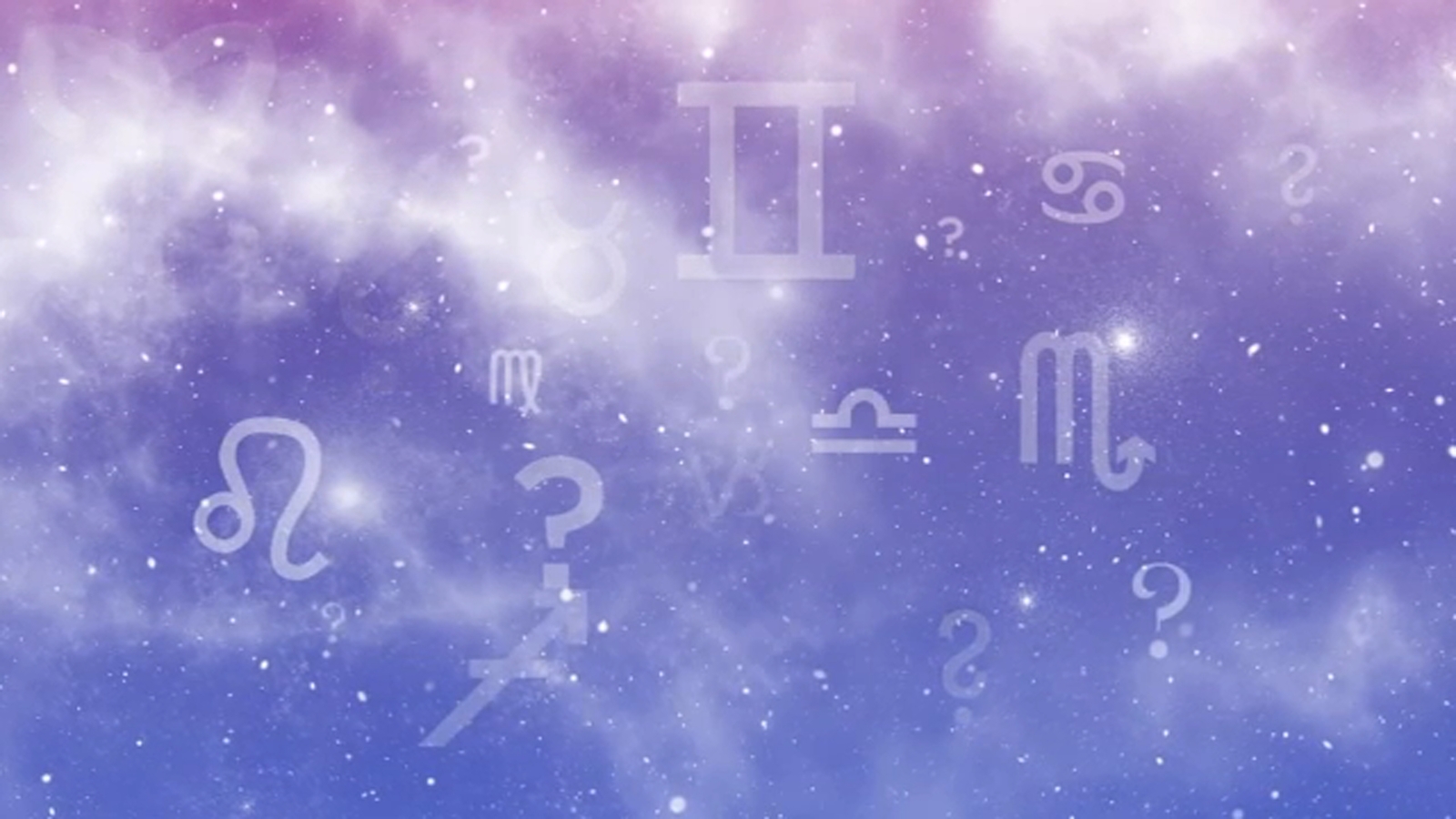
Professional astrologer Ophira Edut explains that the solar eclipse holds astrological significance, representing a moment of profound change and transformation, with its effects varying based on zodiac signs. Aries, Leo, and Sagittarius are urged to reconsider daily routines, while Taurus, Virgo, and Capricorn are prompted to delve into their emotions. For Gemini, Libra, and Aquarius, the focus is on relationships, and for Cancer, Scorpio, and Pisces, it's about security and grounding. Overall, the eclipse signifies unexpected change and the need to let go of outdated aspects of life, with astrologers anticipating a new beginning.
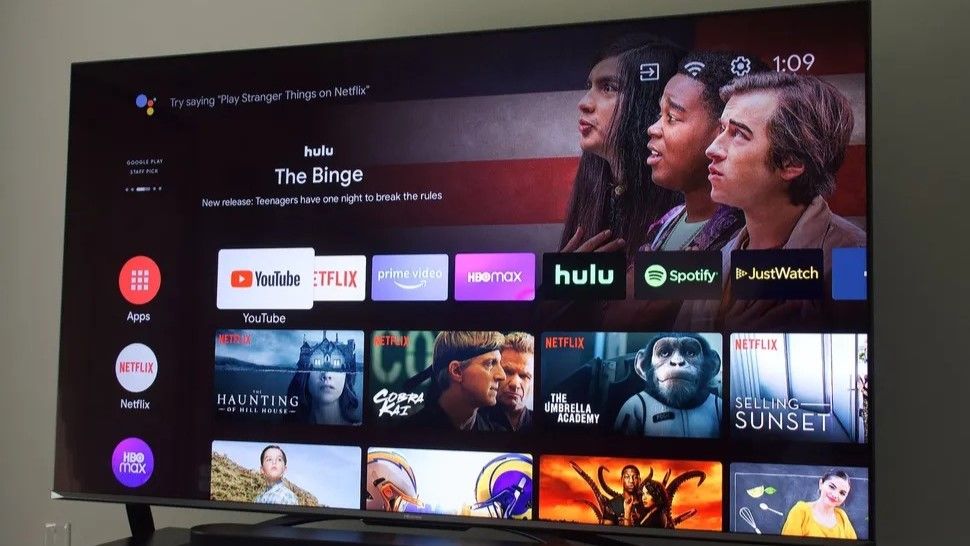
Google TV will offer 15 free, ad-supported channels for viewers to watch the total solar eclipse on April 8 live, with customized eclipse-themed title cards. The eclipse will be visible along a 115-mile-wide path of totality across Northern America, and Google TV users can catch the event on their favorite devices through the For You tab. Additionally, NASA and other groups will livestream the eclipse for those who prefer to watch from home.
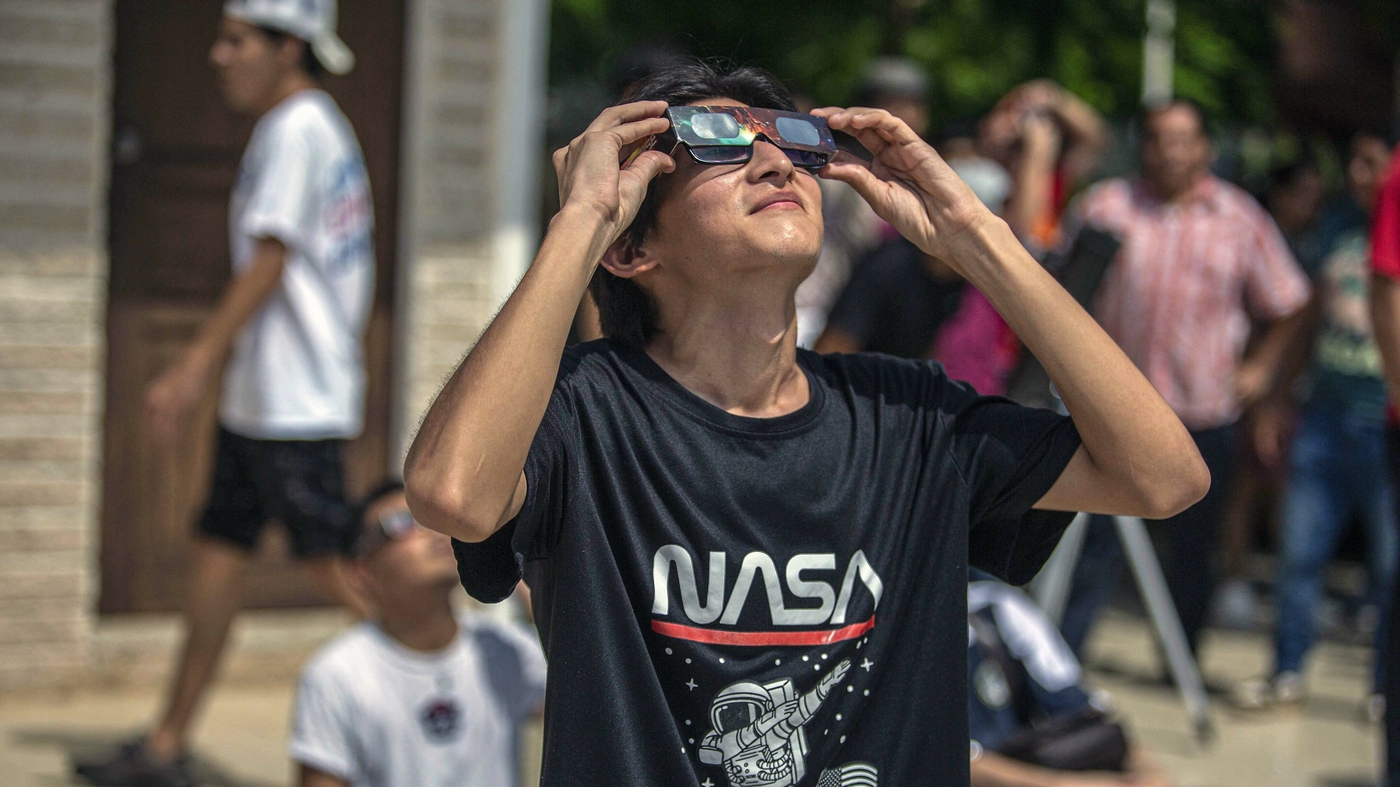
NPR is seeking unique ways people will be celebrating the upcoming total solar eclipse on April 8, which will traverse North America. They are interested in hearing from individuals, classrooms, businesses, and anyone with special plans for the event, and are asking for submissions to gather stories and experiences related to the eclipse.
NASA's Fermi and Swift satellites detected the brightest cosmic event ever recorded, known as the BOAT, a long gamma-ray burst possibly originating from a massive star's core collapse. This event showcases the power of Time-Domain and Multimessenger Astronomy, allowing scientists to study dynamic processes in the universe. Follow-up observations from over 150 telescopes provided insights into the event's origin and composition, while newer signals like GRB 230307A offer further mysteries and opportunities for study. NASA plans to launch new satellites and missions to continue monitoring transient events and unraveling the universe's secrets.
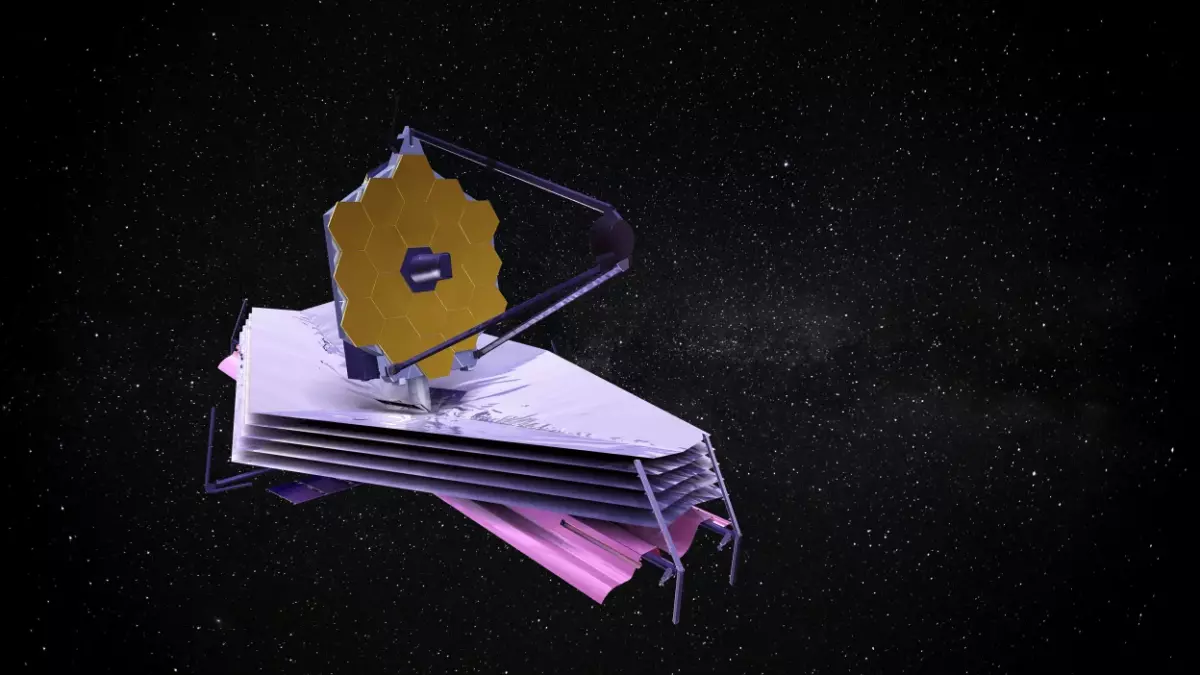
The James Webb Space Telescope has discovered a previously unseen feature in the Beta Pictoris star system, indicating a recent cosmic event within the past 100 years. This finding, made possible by the telescope's infrared vision, suggests that something traumatic happened to the star system, leading to the creation of a dusty tail-like feature. The discovery has sparked interest among astronomers, who are now studying the system to understand the cause of this event and its implications for the Beta Pictoris system's composition and dynamics.
NASA's Fermi telescope has discovered a mysterious gamma-ray pattern just outside the Milky Way, possibly originating from an unidentified cosmic event. The pattern, unrelated to the cosmic microwave background, was found in the southern sky and has a much higher magnitude than the movement of the solar system could account for. This discovery could provide insight into physical processes in the early universe, and researchers suspect it may be linked to a similar feature observed in ultrahigh-energy cosmic rays.
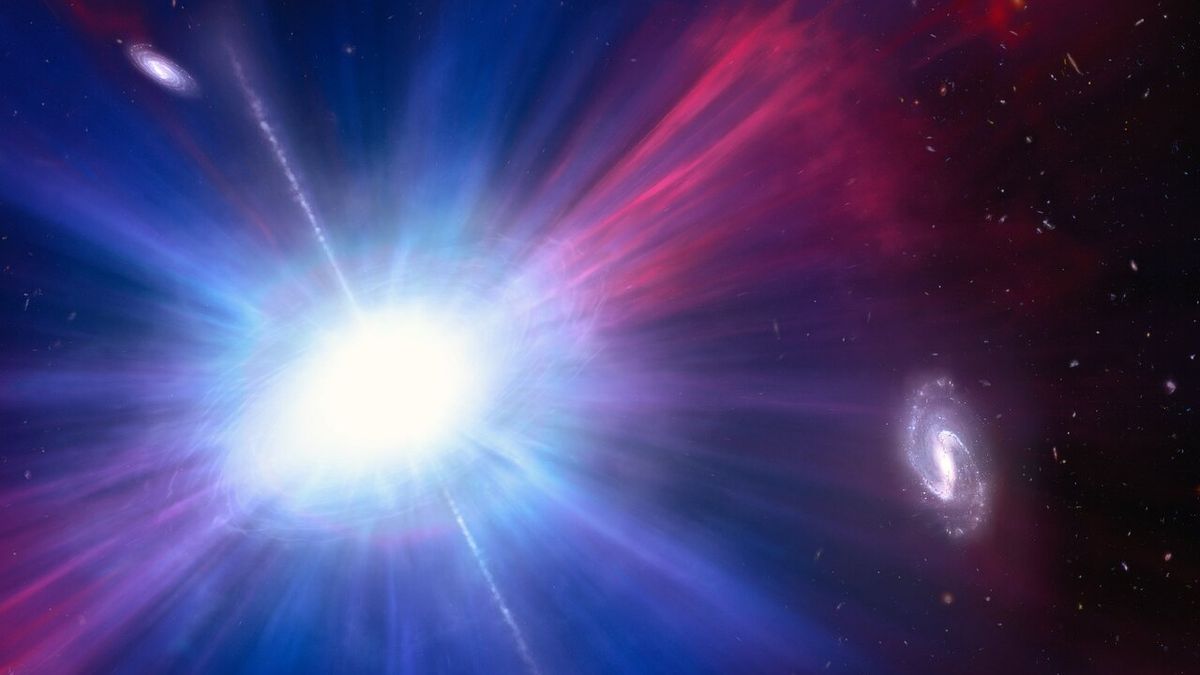
The Hubble Telescope has observed a luminous fast blue optical transient (LFBOT), a rare and mysterious cosmic explosion, in intergalactic space between two galaxies over 3 billion light-years away. This burst of blue light, known as "the Finch," is unlike any previously observed LFBOTs, as it is not located in a galaxy. Astronomers are considering two possible explanations: a star being ripped apart by an intermediate-mass black hole or a kilonova resulting from the collision of two neutron stars. Further research is needed to determine the true nature of this astronomical phenomenon.
Five planets, Mercury, Jupiter, Venus, Uranus, and Mars, will align in an arc formation with the moon in the night sky from March 25th to 30th. Venus will be the easiest to spot, but Uranus may require binoculars. Timing, dark skies, and a clear view of the horizon are key to spotting all five planets in one night. An astronomy app can help identify the planets. Jupiter and Mercury will only be visible for less than an hour after sunset, while Uranus will be visible best after all sunlight has faded from the sky. Mars will appear bright red and high up in the southwest sky.