
Dark stars could tie JWST’s three cosmic puzzles together
TL;DR Summary
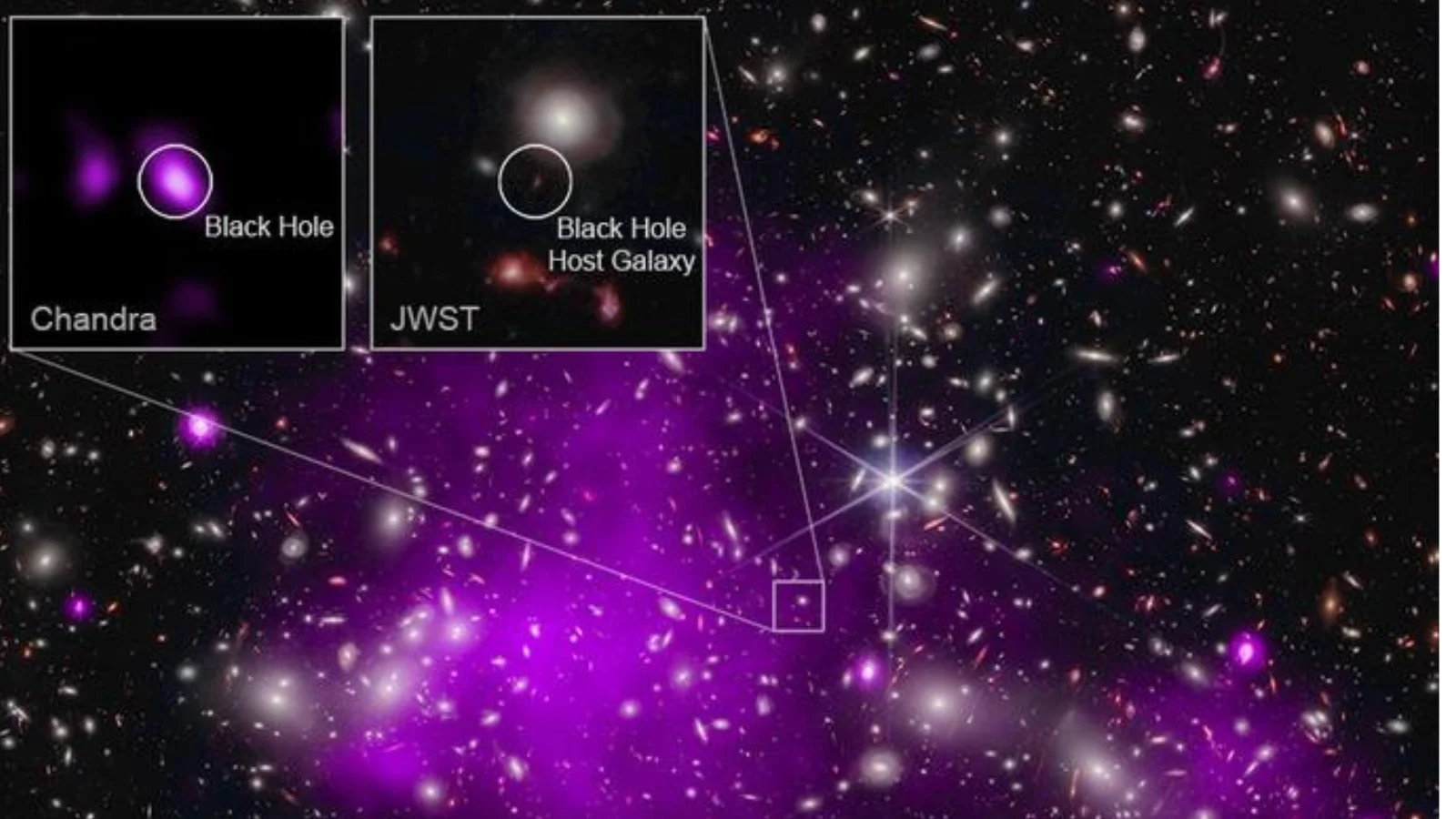
Dark stars—hypothetical early-universe objects powered by annihilating dark matter—could explain three JWST-era mysteries: the overabundance of supermassive black holes in the first billion years, the existence of ultrabright blue ‘monster’ galaxies, and the compact ‘little red dots’. If dark stars exhausted their dark matter and collapsed, they could seed rapid SMBH formation, aligning with JWST observations. The idea remains speculative but is supported by emerging hints, with a December 2025 paper proposing it as a single mechanism to address multiple puzzles.
Topics:science#dark-matter#dark-stars#early-universe#james-webb-space-telescope#space#supermassive-black-holes
- What are 'dark' stars? Scientists think they could explain 3 big mysteries in the universe Space
- Little red dots as young supermassive black holes in dense ionized cocoons Nature
- Black hole butterflies? James Webb telescope spots dozens of black hole 'cocoons' in early universe. Live Science
- Researchers solve mystery of universe's 'little red dots' Phys.org
- Mysterious 'little red dots' in early universe likely gas-shrouded black holes 동아사이언스
Reading Insights
Total Reads
0
Unique Readers
15
Time Saved
75 min
vs 76 min read
Condensed
99%
15,011 → 81 words
Want the full story? Read the original article
Read on Space