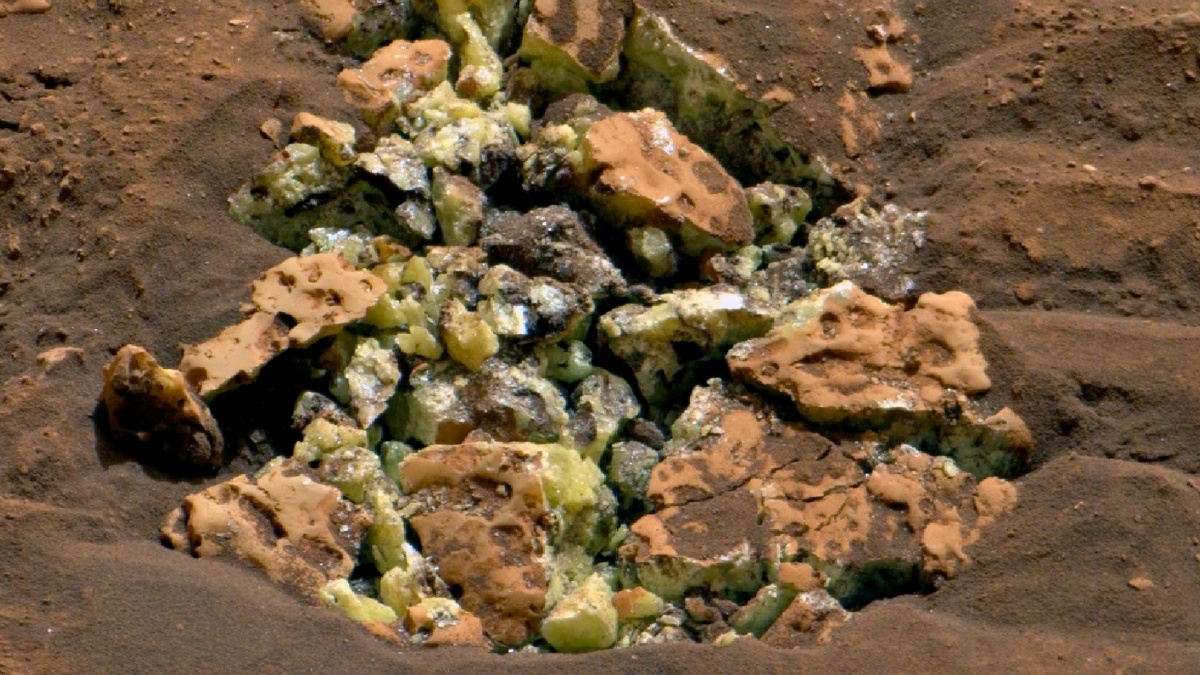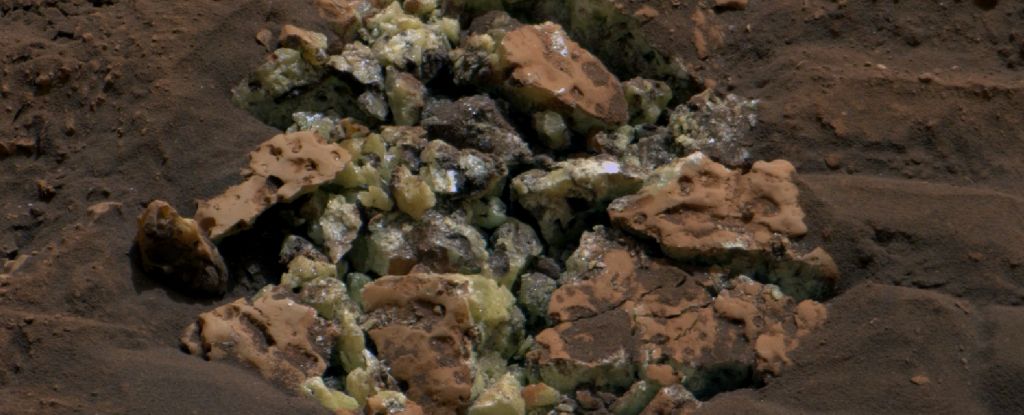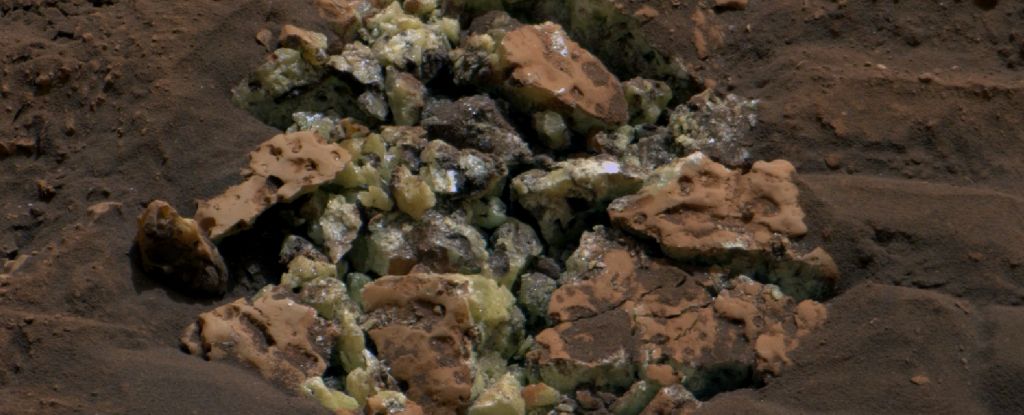
NASA's Curiosity rover discovered pure elemental sulfur in a Martian rock, a surprising find that suggests unknown geological processes, and continues to explore the ancient waterway of Gediz Vallis, revealing new insights into Mars's history and potential habitability.
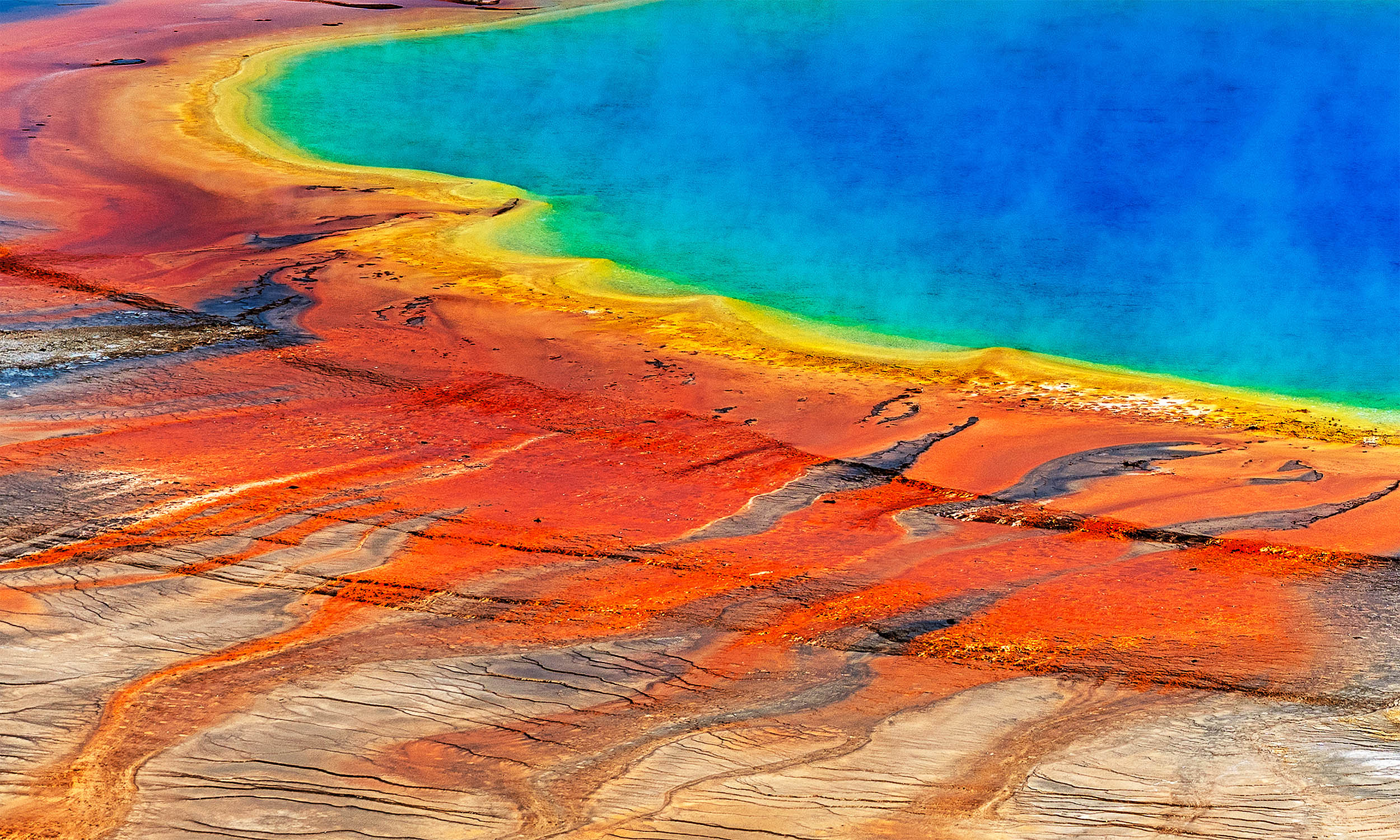
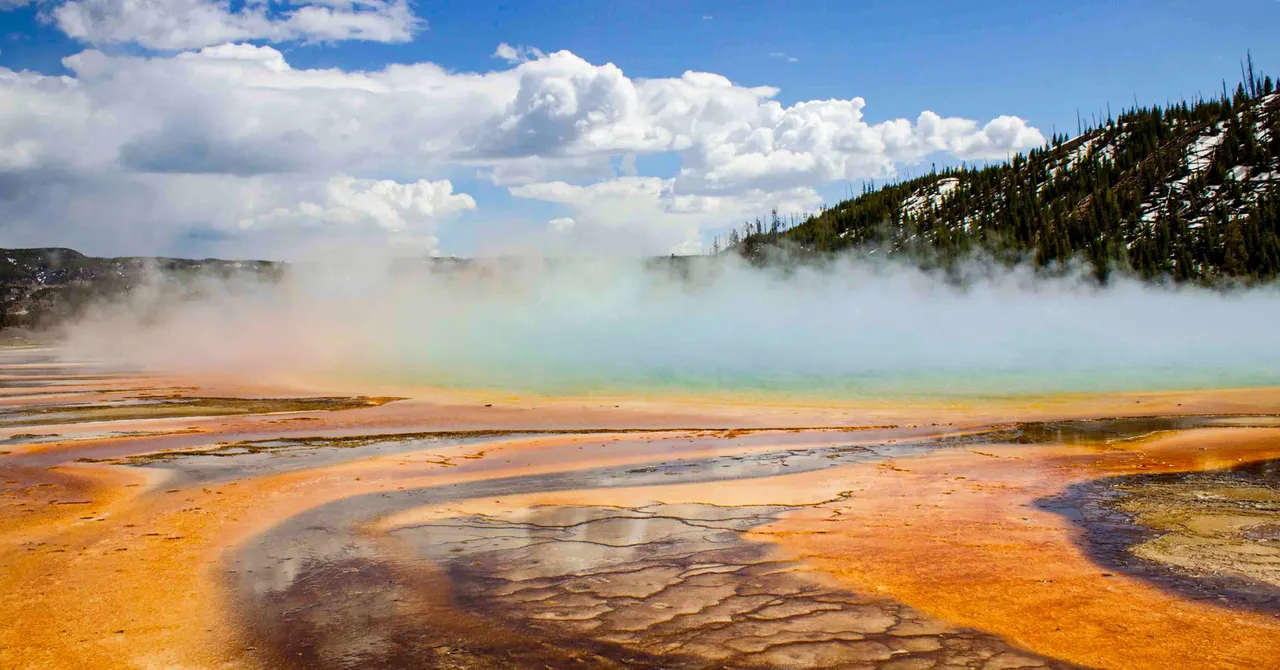
Researchers discovered a Yellowstone bacterium that can simultaneously use oxygen and sulfur to produce energy, challenging traditional views of microbial respiration and highlighting its adaptability in fluctuating environments, with implications for understanding early Earth conditions and environmental management.
Researchers discovered a bacteria, RSW1, capable of simultaneously performing aerobic and anaerobic respiration, using oxygen and sulfur compounds at the same time, which may provide insights into microbial evolution during Earth's oxygenation events.
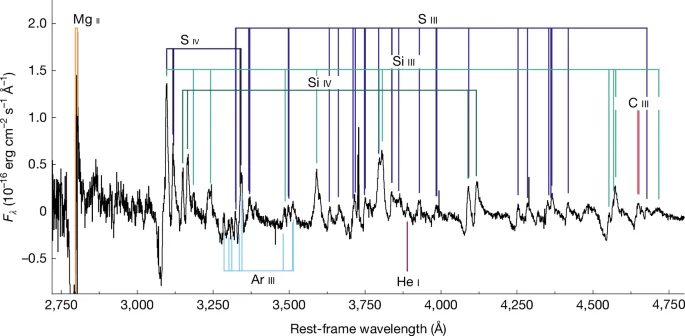
The article discusses the analysis of the extremely stripped supernova SN2021yfj, revealing insights into silicon and sulfur formation sites through spectral data available in public archives, highlighting the importance of spectral analysis in understanding supernovae composition and evolution.
NASA's Curiosity rover discovered pure elemental sulfur in a rock on Mars, a first on the planet, suggesting unknown geological processes. The find, along with the surrounding area rich in sulfur-like objects, raises questions about Mars's geological history and the presence of sulfur in its environment, which is vital for life. The discovery was accidental when the rover cracked open the rock, revealing the surprising mineral, and ongoing analysis aims to understand how sulfur accumulated there.
A study led by Sawsan Wehbi at the University of Arizona suggests that the traditional understanding of genetic code evolution is flawed. The research indicates that early life forms preferred smaller amino acids and those binding to metals, with sulfuric amino acids joining later. This challenges the consensus based on the Urey-Miller experiment and suggests that the genetic code evolved through stages, with earlier codes now extinct. The findings have implications for astrobiology, particularly in sulfur-rich environments like Mars and Europa.
NASA's Curiosity rover has discovered pure elemental sulfur on Mars for the first time, after accidentally cracking open a rock in the Gediz Vallis Channel. This unexpected find raises new questions about Mars's geologic history and its potential to have harbored life, as sulfur is a key element for life on Earth. The discovery challenges current understanding of Martian geology and suggests that elemental sulfur might be more widespread in the region than previously thought. Curiosity continues to explore the area, aiming to unlock more secrets of the Red Planet's past.
NASA's Curiosity rover accidentally discovered pure elemental sulfur on Mars after cracking open a rock in the Gediz Vallis Channel, marking the first time sulfur has been found in its elemental form on the planet. This unexpected find suggests that elemental sulfur may be more abundant in the area than previously thought, challenging current understanding of Mars's geological history. The discovery highlights the potential for further insights into Mars's past conditions and the ongoing exploration of its surface.
Astronomers have discovered that the missing sulfur in planetary nebulas, the remnants of dead stars, is not actually absent but rather hidden in plain sight. The sulfur seems to have been overlooked due to poor-quality data for the light emitted through the nebula. By analyzing a large dataset of planetary nebulas, researchers found a strong correlation between sulfur and other elements, effectively resolving the anomaly. This discovery highlights the importance of high-quality data in scientific research and provides new insights into the chemical compositions of these stellar remnants.
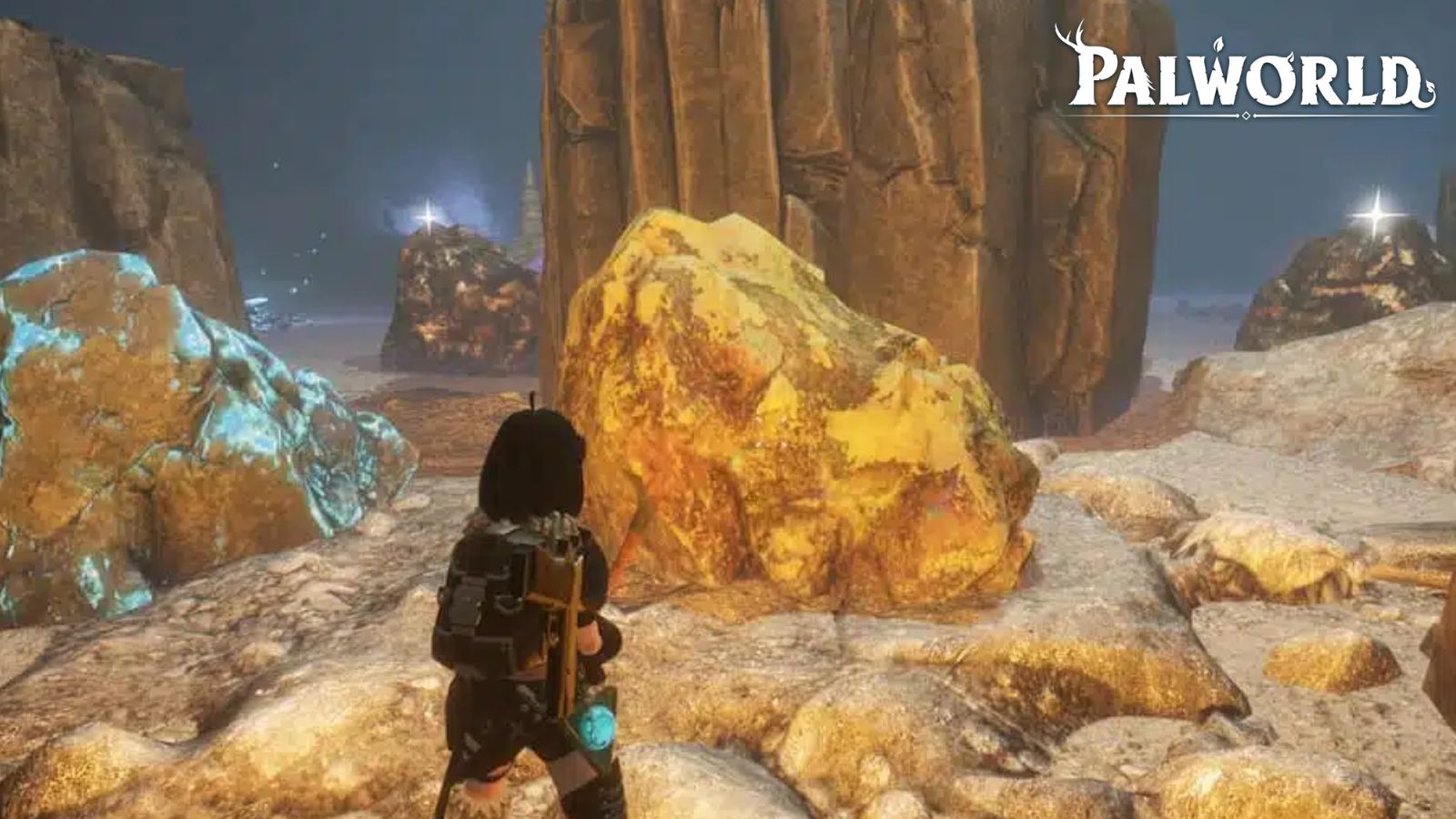
Sulfur is a valuable and elusive resource in Palworld, used for crafting gunpowder. It can be found in underground dungeons and desert biomes, where players can spot yellowish nodes and mine them with a Pickaxe. This guide provides tips on obtaining Sulfur and offers additional Palworld-related content.
India's Chandrayaan-3 lander has provided scientists with valuable new data from the Moon, including an unexpected discovery of higher levels of sulfur in the lunar soil near the south pole. The presence of sulfur could have implications for future lunar exploration, as it could potentially be used as a resource for building materials and energy production. The measurements also offer insights into the geologic history of the Moon and its formation. Further analysis and calibration of the data are underway, while the lander hibernates through the lunar night.
India's Chandrayaan-3 lander has provided scientists with valuable data, including the unexpected discovery of higher-than-anticipated levels of sulfur in the lunar soil near the moon's south pole. The presence of sulfur suggests that the highland soils at the lunar poles may have fundamentally different compositions compared to those at the equatorial regions. This finding has implications for future lunar exploration and the potential for in-situ resource utilization, as sulfur could be used to create solar cells, batteries, fertilizer, and sulfur-based concrete for construction on the moon. The data collected by Chandrayaan-3's rover, Pragyan, will help scientists understand the moon's geologic history and evolution.
The Indian Space Research Organization (ISRO) announced that its lunar rover, Pragyaan, has detected sulfur and several other elements near the Moon's south pole, marking the "first-ever in-situ measurements" of resources in that region. The discovery of sulfur, along with aluminum, iron, calcium, chromium, titanium, manganese, oxygen, and silicon, provides valuable insights into the elemental composition of the lunar surface. The rover's Laser-Induced Breakdown Spectroscopy (LIBS) instrument was used to analyze rocks by creating localized plasma through laser heating. The ISRO is now searching for hydrogen, which could indicate the presence of water ice. This achievement is a positive step for India's space agency following a failed lunar landing attempt in 2019.
India's Chandrayaan-3 moon rover, Pragyan, has discovered traces of sulfur in the soil of the lunar south pole using the Laser-Induced Breakdown Spectroscopy (LIBS) instrument. This finding is significant as sulfur could potentially be used in building materials, solar cells, and batteries for future moon missions and human settlements. The discovery of sulfur adds to the understanding of the chemical composition of the lunar south pole and its potential resources, including water ice. The mission is also using LIBS to search for hydrogen, another key element of interest.
A $6 acne treatment from De La Cruz, available on Amazon, has gained popularity on TikTok for its effectiveness in treating various types of acne, including cystic, fungal, and hormonal acne. The 10-minute wash-off mask contains a 10% concentration of sulfur, which has antibacterial properties and promotes skin exfoliation. Users claim that the treatment reduces inflammation, pain, and raised blemishes in just one night or a few days. It is also considered a less-drying alternative for sensitive skin. However, sulfur may cause dryness, so it is recommended to use it in combination with a moisturizer. Many positive reviews attest to its effectiveness in treating acne and other skin conditions.