Tag

Microbiology

All articles tagged with #microbiology

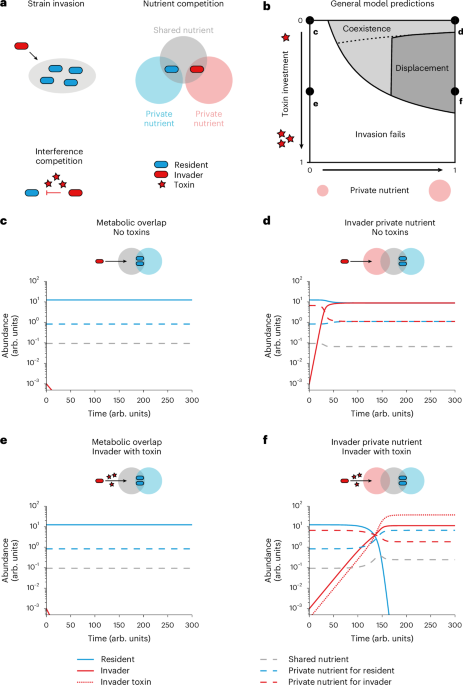
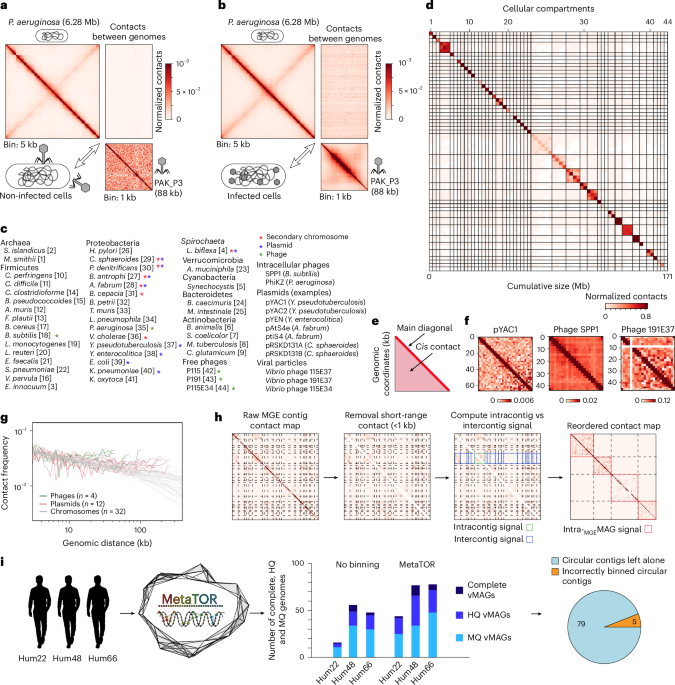
Microbiome Dynamics: Ecological Competition and Strain Displacement

Originally Published 2 months ago — by Nature

Featured image for Microbiome Dynamics: Ecological Competition and Strain Displacement
Source: Nature

The article explores how ecological competition, including nutrient and interference competition via bacterial toxins, influences strain displacement in microbiomes, supported by mathematical modeling and experiments with engineered and natural E. coli strains, highlighting the importance of private nutrients and interference mechanisms for successful invasion and displacement within diverse bacterial communities.

Microbiology Should Be a Medical School Prerequisite

Originally Published 5 months ago — by STAT

Featured image for Microbiology Should Be a Medical School Prerequisite
Source: STAT

The article argues that microbiology should be a mandatory prerequisite for medical students to ensure they have a solid foundation in understanding pathogens, antimicrobial resistance, and infectious diseases, which are crucial across all medical fields and especially vital in the context of rising antimicrobial resistance and recent pandemics.

Scientists Discover Microbe Blurring the Line Between Life and Death

Originally Published 6 months ago — by Indian Defence Review

Featured image for Scientists Discover Microbe Blurring the Line Between Life and Death
Source: Indian Defence Review

Scientists have discovered Sukunaarchaeum mirabile, a unique organism that blurs the line between viruses and cellular life, with a minimal genome and dependence on hosts, challenging traditional definitions of life and offering new insights into microbial evolution.

Scientists Discover Organism Blurring the Line Between Living and Non-Living

Originally Published 6 months ago — by Indian Defence Review

Featured image for Scientists Discover Organism Blurring the Line Between Living and Non-Living
Source: Indian Defence Review

Scientists in Canada and Japan discovered Sukunaarchaeum mirabile, an organism that blurs the line between virus and living cell, challenging traditional definitions of life and offering new insights into microbial evolution and the origins of life.

Newly Found Symbionts Reveal Unexpected Metabolic Abilities

Originally Published 1 year ago — by Phys.org

Featured image for Newly Found Symbionts Reveal Unexpected Metabolic Abilities
Source: Phys.org

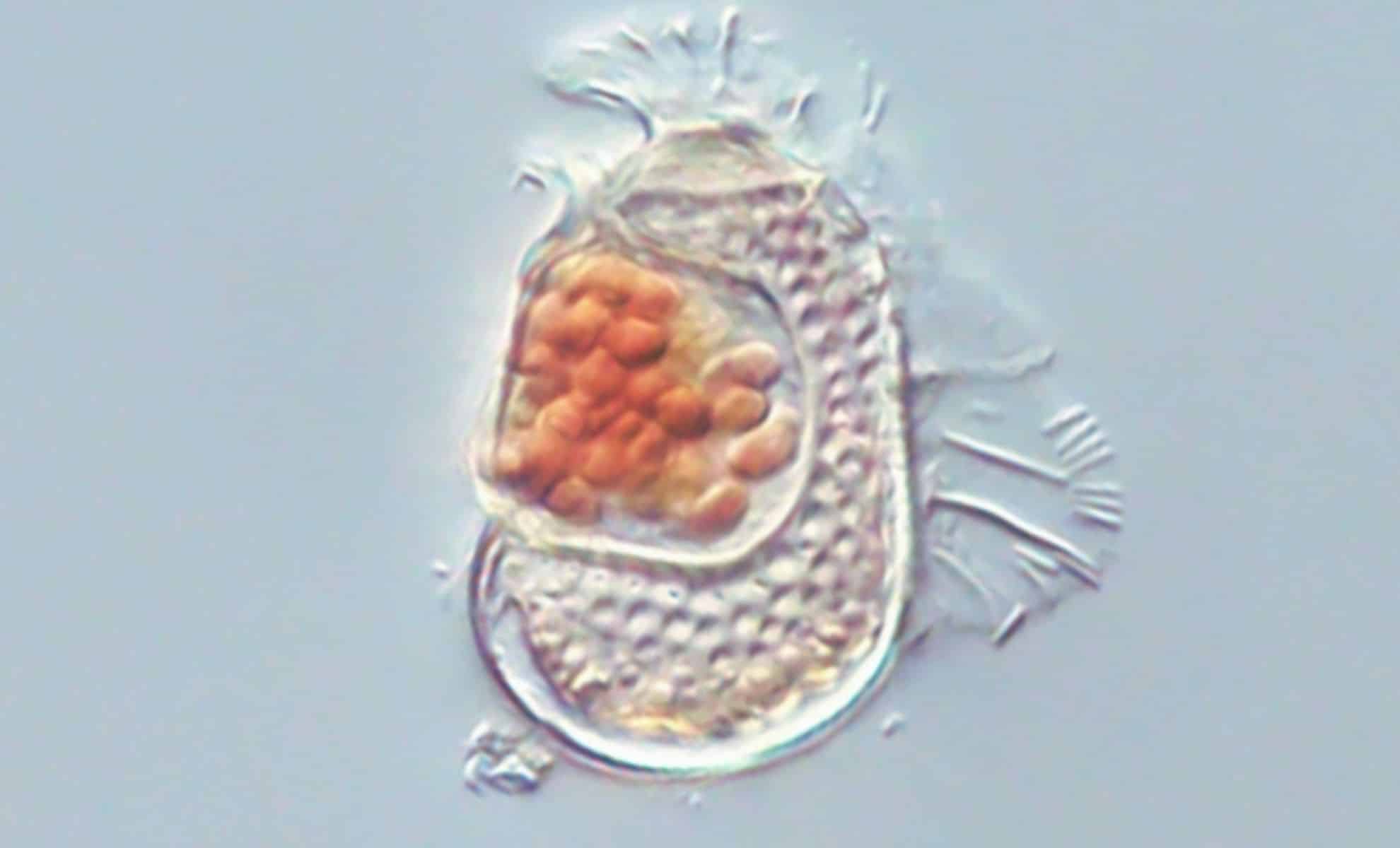
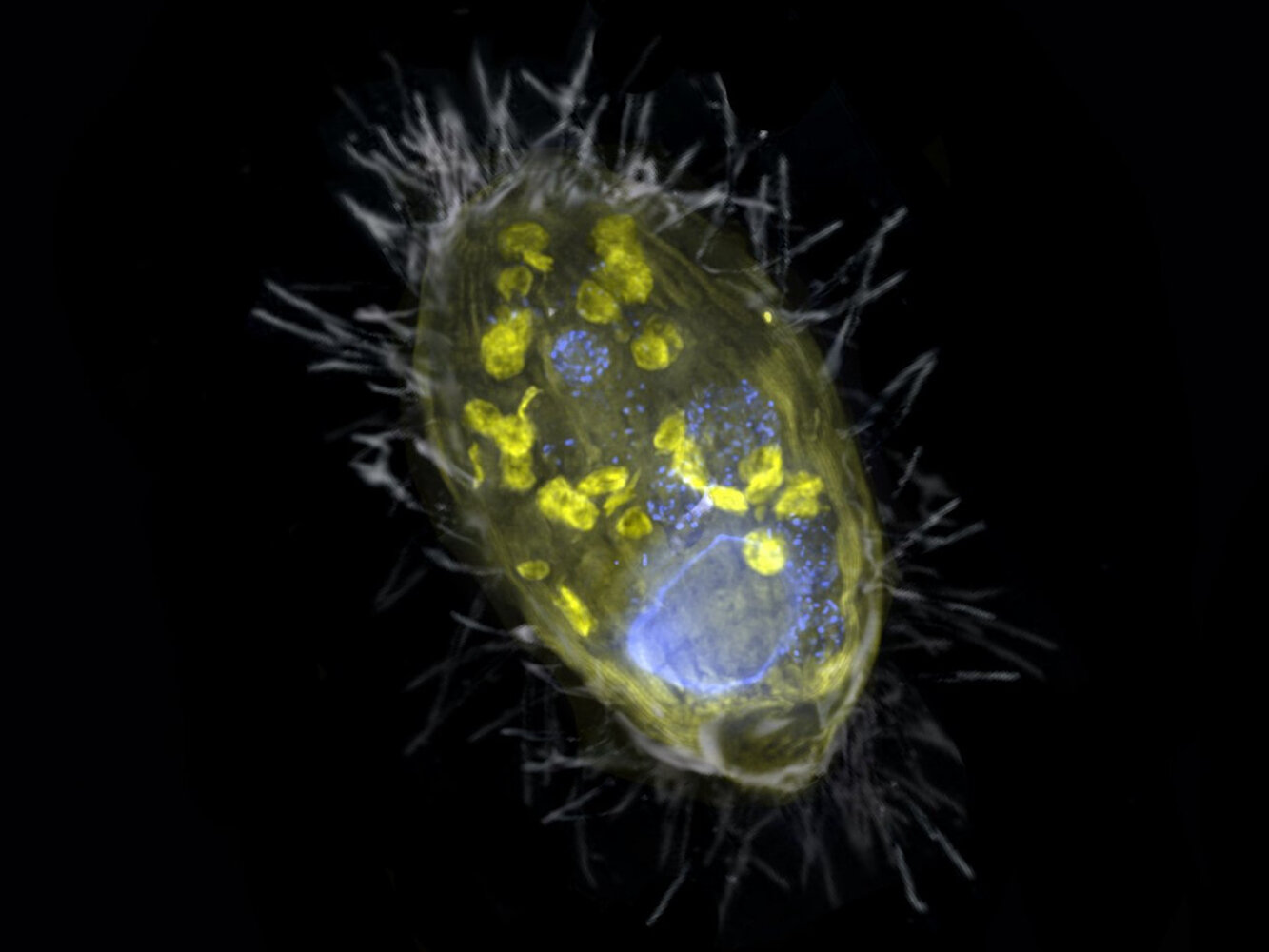
Scientists at the Max Planck Institute for Marine Microbiology have discovered new mitochondria-like symbionts that live inside ciliates and perform unique metabolic functions, including nitrate respiration. These symbionts, found globally in various environments, have expanded to include new species capable of both anaerobic and aerobic respiration. This discovery has significant implications for understanding microbial evolution and the nitrogen cycle, as these symbionts can impact nutrient removal and greenhouse gas production.

Middle Schooler Uncovers Cancer-Fighting Compound in Goose Poop

Originally Published 1 year ago — by ScienceAlert

Featured image for Middle Schooler Uncovers Cancer-Fighting Compound in Goose Poop
Source: ScienceAlert

A middle school student in Chicago discovered a new cancer-fighting compound, orfamide N, from a bacterium isolated from goose poop during a science outreach program. This bacterium, Pseudomonas idahonensis, also showed antibiotic properties, inhibiting the growth of certain bacteria. The discovery highlights the potential of educational programs in contributing to scientific research and the ongoing search for new antibiotics and cancer treatments.

Microbe Discovery Offers Clues to Life's Origins and Energy Conversion

Originally Published 1 year ago — by SciTechDaily

Featured image for Microbe Discovery Offers Clues to Life's Origins and Energy Conversion
Source: SciTechDaily

Scientists have discovered a new microbe in California's The Cedars that converts carbon dioxide into energy-rich chemicals through a unique metabolic pathway, offering insights into early life processes and potential applications in biofuel production and carbon sequestration. This archaeon, named Met12, uses a novel gene, MmcX, to enhance its energy metabolism, which could be harnessed to improve microbial manufacturing efficiency. The findings also provide clues about the origins of life and the potential for life in extreme environments, both on Earth and extraterrestrial.

Life on Earth May Have Begun 4.2 Billion Years Ago, Study Reveals

Originally Published 1 year ago — by Interesting Engineering

Featured image for Life on Earth May Have Begun 4.2 Billion Years Ago, Study Reveals
Source: Interesting Engineering

New research suggests that life on Earth may have begun as early as 4.2 billion years ago, with the Last Universal Common Ancestor (LUCA) emerging shortly after the planet's formation. This complex organism, which had an early immune system, is considered the root of all modern cellular life. The study, published in Nature Ecology & Evolution, used genetic and fossil data to trace LUCA's existence and its role in Earth's early ecosystem.

"Microbial Mergers: Low Nutrients Change Viral Infection Dynamics"

Originally Published 1 year ago — by Phys.org

Featured image for "Microbial Mergers: Low Nutrients Change Viral Infection Dynamics"
Source: Phys.org

A study by researchers at The Ohio State University reveals that low-nutrient conditions significantly alter how viruses infect bacteria, resulting in different virocells compared to nutrient-rich environments. This finding highlights the importance of studying microbial interactions under natural conditions to better understand their roles in ocean geochemistry and climate change.

"Discovery of 13 New Papillomaviruses in Antarctica Amid "Zombie Virus" Fears"

Originally Published 1 year ago — by NDTV

Featured image for "Discovery of 13 New Papillomaviruses in Antarctica Amid "Zombie Virus" Fears"
Source: NDTV

Researchers from Arizona State University discovered 13 new viruses from the papillomavirus family in the Antarctic, with two capable of infecting humans, during a study of Weddell seals. The findings, published in the journal Virology, aim to aid future understanding of papillomavirus evolution. Lead author Melanie Regney emphasized the significance of studying Antarctica's virome due to its pristine nature and minimal human impact. The team's genome sequencing revealed 13 novel papillomaviruses, 11 of which are entirely new viral types, contributing to the broader understanding of viruses in the environment.

"Melting Glaciers Unleashing Ancient Zombie Viruses: A Global Warming Concern"

Originally Published 1 year ago — by ScienceAlert

Featured image for "Melting Glaciers Unleashing Ancient Zombie Viruses: A Global Warming Concern"
Source: ScienceAlert

As Tibetan glaciers melt, ancient viruses dating back 15,000 years are being discovered, raising concerns about their potential release into the environment. Researchers have identified dozens of unique viruses from ice core samples, shedding light on their functions and genetic signatures. These viruses likely originated from soil or plants and may have facilitated nutrient acquisition for their hosts. While the release of ancient viruses is a concern, the melting ice also poses a threat by releasing massive reserves of sequestered methane and carbon. The study provides insights into past environmental changes and the evolution of viruses in extreme environments, highlighting the need for further exploration in this area.