NASA's analysis of samples from asteroid Bennu revealed the presence of sugars and a unique 'space gum' substance, providing insights into the building blocks of life and the early solar system's formation, which could have played a role in the origin of life on Earth.
New research challenges the long-held belief that a specific protein motif was the fundamental building block of early life, suggesting it is just one of many possible structures and reshaping our understanding of protein evolution and the origins of life.
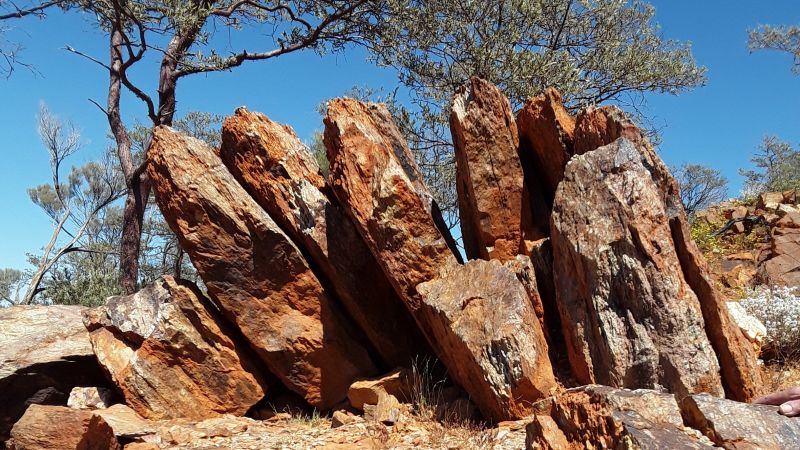
A study of ancient zircon crystals from the Australian outback reveals that Earth had dry land and fresh water 4 billion years ago, challenging the belief that the planet was entirely ocean-covered at that time. This discovery suggests that the conditions necessary for life existed much earlier than previously thought, providing new insights into Earth's early history and the origins of life.
Scientists at the Salk Institute have discovered an RNA enzyme that can accurately replicate and evolve RNA strands, providing strong evidence for the RNA World hypothesis and shedding light on the origins and complexity of life. This breakthrough brings researchers closer to synthesizing RNA-based life in the laboratory, offering insights into early evolution and the potential for autonomous RNA life. The study underscores the critical role of replication fidelity in enabling evolution and paves the way for future experiments testing other ideas about the origins of life.
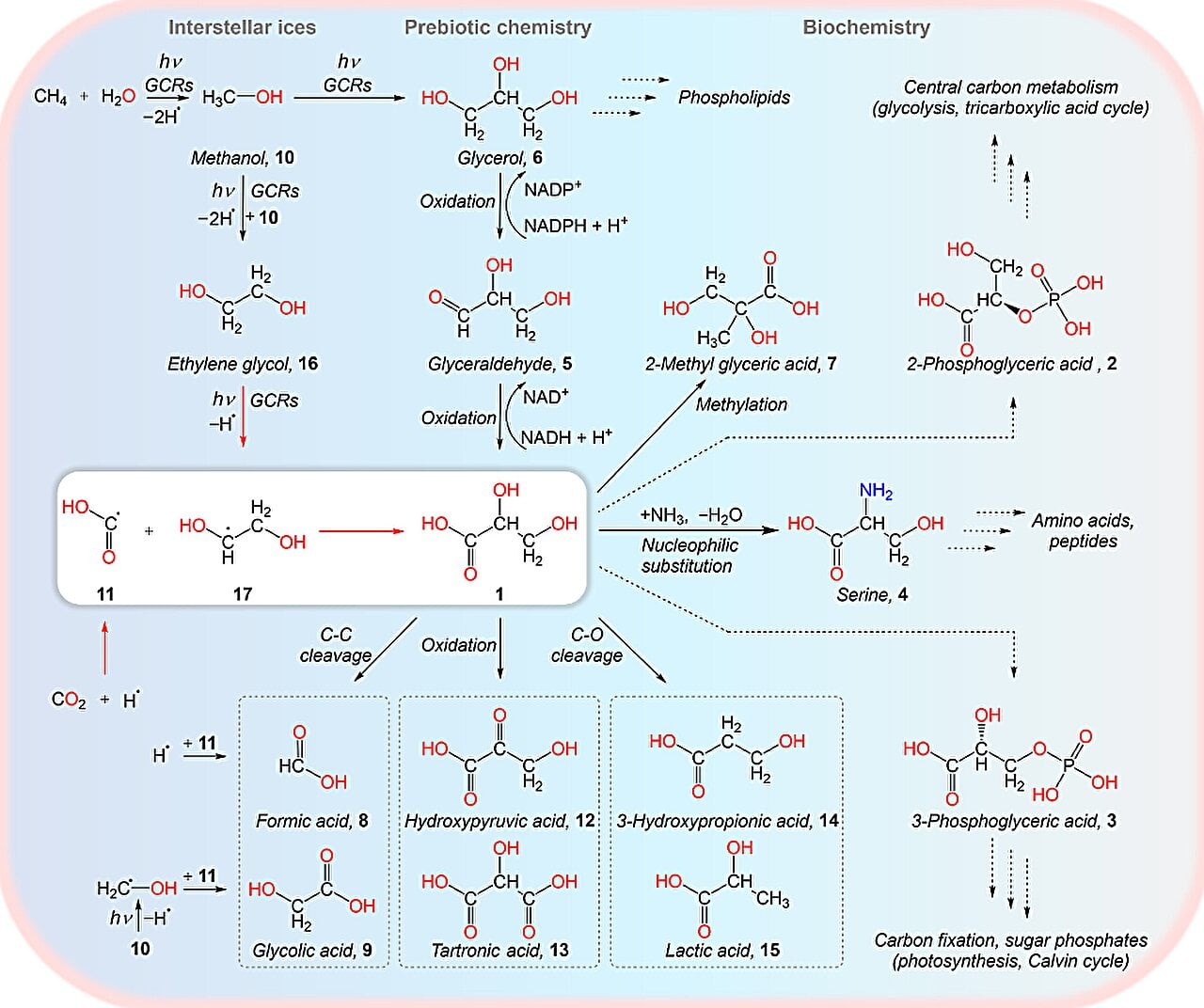
Researchers at the University of Hawaiʻi at Mānoa have synthesized glyceric acid, a critical molecule for the metabolism of living organisms, for the first time in low-temperature conditions mimicking deep space. This discovery sheds light on the potential formation of important biomolecules in interstellar ices and their possible role in the development of life on planets like Earth. The study suggests that molecules like glyceric acid could have been synthesized in molecular clouds and star forming regions before being delivered to Earth via comets or meteorites, contributing to the building blocks of life. The findings provide valuable insights into the origins of life and the interconnected chemistry of our bodies with the chemistry of space.
New research at the Salk Institute provides compelling evidence supporting the RNA World hypothesis, suggesting that the origins of life may have involved molecular-scale evolution in RNA. The study unveils an RNA enzyme capable of making accurate copies of other functional RNA strands and allowing new variants to emerge over time, bringing scientists closer to re-creating RNA-based life in the laboratory. The findings highlight the critical importance of replication fidelity in making evolution possible and pave the way for future experiments testing other ideas about the origins of life.
Scientists from Tohoku University have suggested that the origins of life on Mars could be linked to the presence of atmospheric formaldehyde, which could have led to the formation of biomolecules when the planet had liquid water. Their study, published in Scientific Reports, used a computer model to simulate Mars' conditions and concluded that the atmosphere likely contained formaldehyde due to the presence of carbon dioxide, hydrogen, and carbon monoxide. This research provides encouraging signs for the potential existence of past life on the Red Planet.
Scientists from Tohoku University have suggested that the origins of life on Mars could be linked to the presence of atmospheric formaldehyde, which could have led to the formation of biomolecules when the planet had liquid water. Their study, published in Scientific Reports, used a computer model to simulate Mars' conditions and concluded that the presence of carbon dioxide, hydrogen, and carbon monoxide in the atmosphere could have facilitated the formation of organic compounds. This research provides encouraging signs for the potential existence of past life on the Red Planet.
Scientists from Tohoku University have suggested that the origins of life on Mars could be linked to the presence of atmospheric formaldehyde, which could have led to the formation of biomolecules when the planet had liquid water. Their study, published in Scientific Reports, used a computer model to simulate Mars' conditions billions of years ago and concluded that the atmosphere likely contained formaldehyde due to the presence of carbon dioxide, hydrogen, and carbon monoxide. This research provides encouraging signs for the potential existence of past life on the Red Planet.
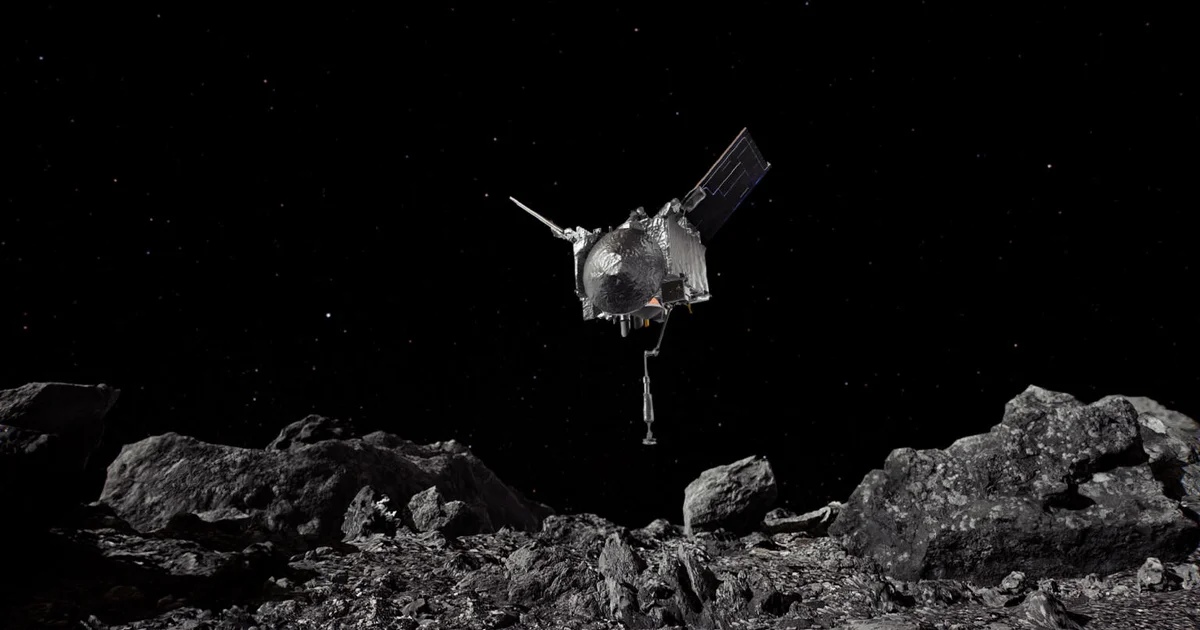
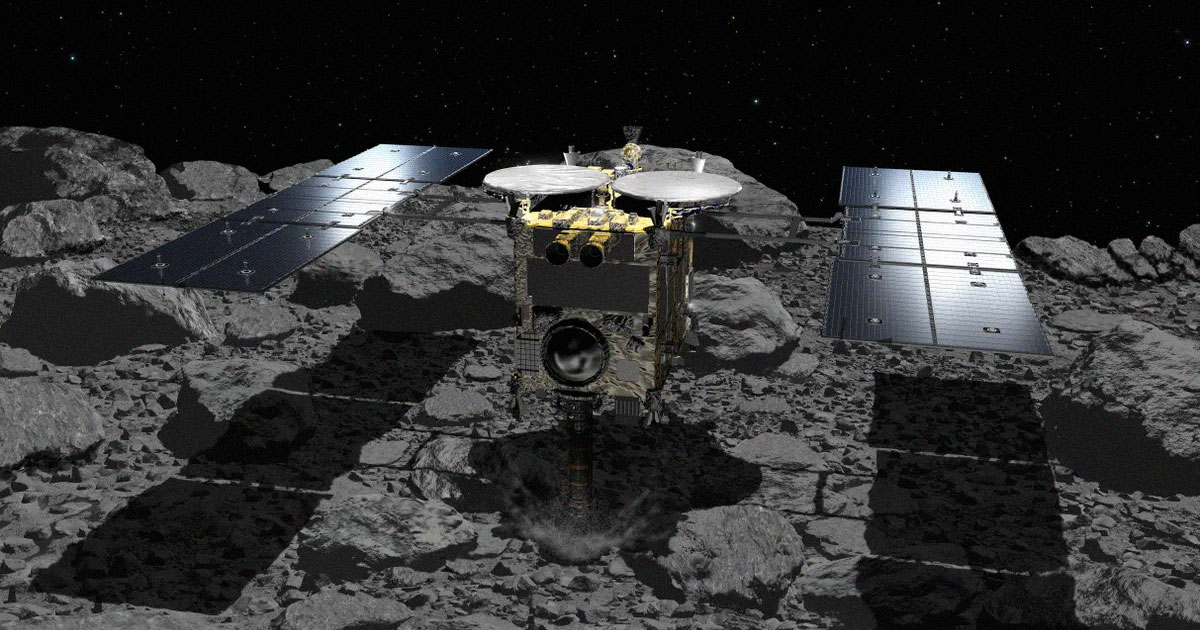
NASA's OSIRIS-REx spacecraft collected a surprising 4.3 ounces (122 grams) of material from the asteroid Bennu, potentially containing some of the earliest precursors for life. The sample, the first ever retrieved by a NASA mission, was initially hindered by stuck fasteners on the capsule, but after disassembly, scientists managed to retrieve the full amount. The material, dating back 4.5 billion years, may hold primordial elements that contributed to the origins of life on Earth, similar to findings from the asteroid Ryugu.
NASA's OSIRIS-REx spacecraft collected a surprising 4.3 ounces (122 grams) of rocky space rubble from the asteroid Bennu, more than double the expected amount, potentially containing some of the earliest precursors for life. After encountering difficulties disassembling the capsule, scientists managed to retrieve the full sample, which includes 4.5 billion-year-old rocks and primordial elements believed to have sparked life on Earth. This marks the first time a NASA mission has retrieved a space rock, and researchers are hopeful for finding biological precursors within the sample.
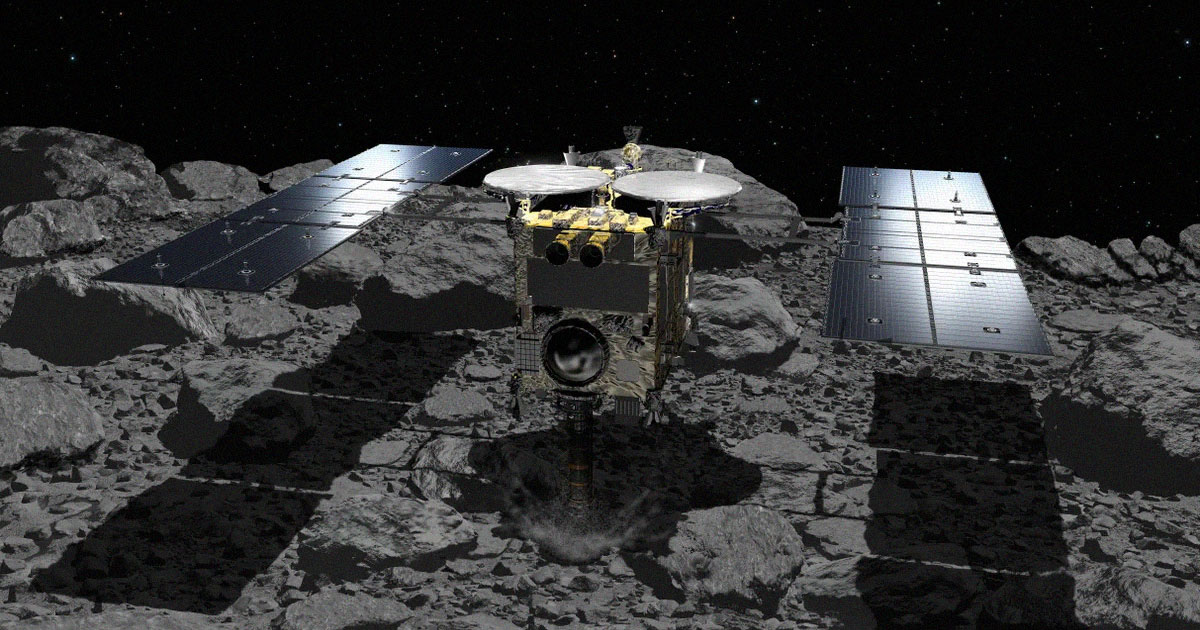
Researchers studying samples from the near-Earth asteroid Ryugu, collected by Japan's Hayabusa 2 spacecraft, have discovered cometary organic matter, potentially shedding light on the origins of life on Earth. The samples contain melt splashes with carbonaceous materials resembling primitive organic matter, suggesting that cometary matter may have been transported to the near-Earth region from the outer solar system. This finding aligns with NASA's discovery of the building blocks of life on asteroid Bennu, indicating the potential for organic matter from space to have played a role in the development of life on Earth.
Scientists studying samples from the Ryugu asteroid have discovered cometary organic matter, potentially providing insights into the origins of life on Earth. The samples contain melt splashes with carbonaceous materials resembling primitive organic matter, suggesting that cometary matter was transported to the near-Earth region from the outer solar system. This finding aligns with NASA's discovery of the building blocks of life on asteroid Bennu, indicating the potential for organic matter from space to have contributed to life on Earth.
The origins of life on Earth remain a mystery due to the lack of a universally agreed-upon definition of life. To study its origins, a simple working definition of life as that which is subject to Darwinian evolution is proposed. Life must store information, self-replicate, and catalyze reactions to succeed at evolution. The complex interplay of DNA, RNA, and proteins allows for the propagation of life, but their interconnected nature suggests that they could not have arisen independently.
The origins of life on Earth remain a mystery, with no universally agreed-upon definition of life. To study its beginnings, a simple working definition is proposed: life is subject to Darwinian evolution. For life to evolve, it must store information, self-replicate, and catalyze reactions. This is achieved through a triad of molecular tools: DNA, RNA, and proteins. The interconnected nature of these components suggests that the evolution of life is the result of billions of years of fine-tuning and refinement.