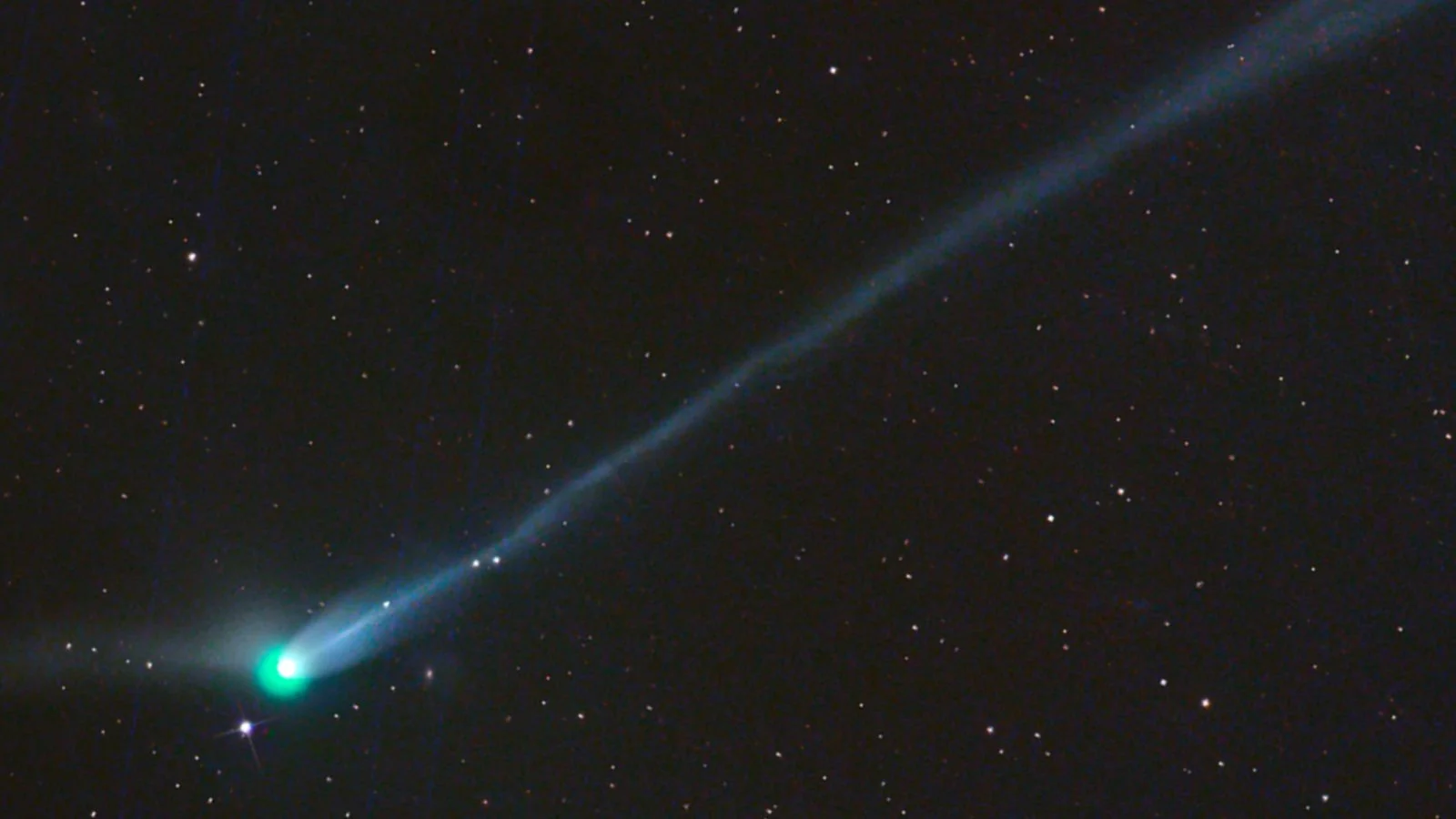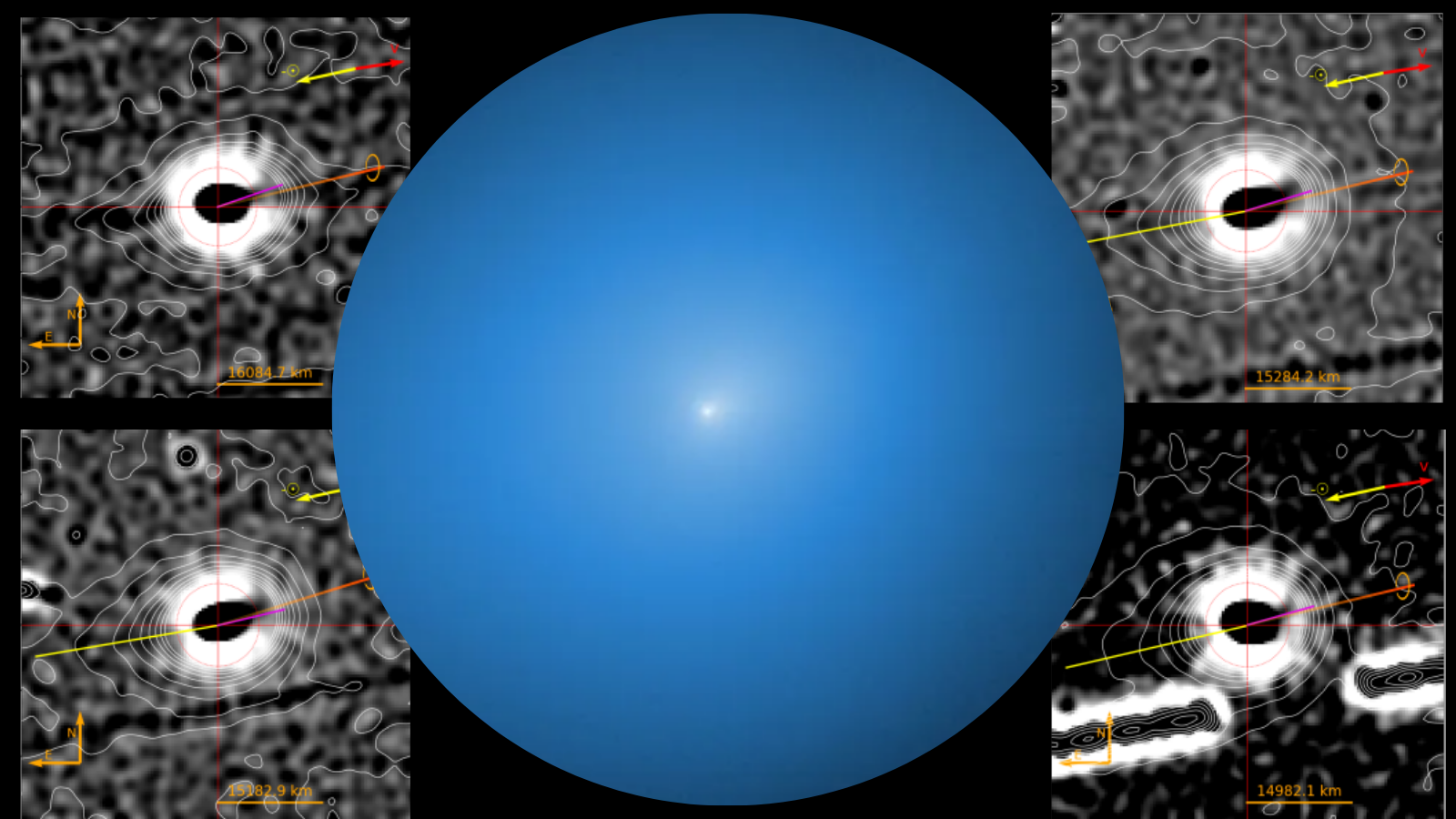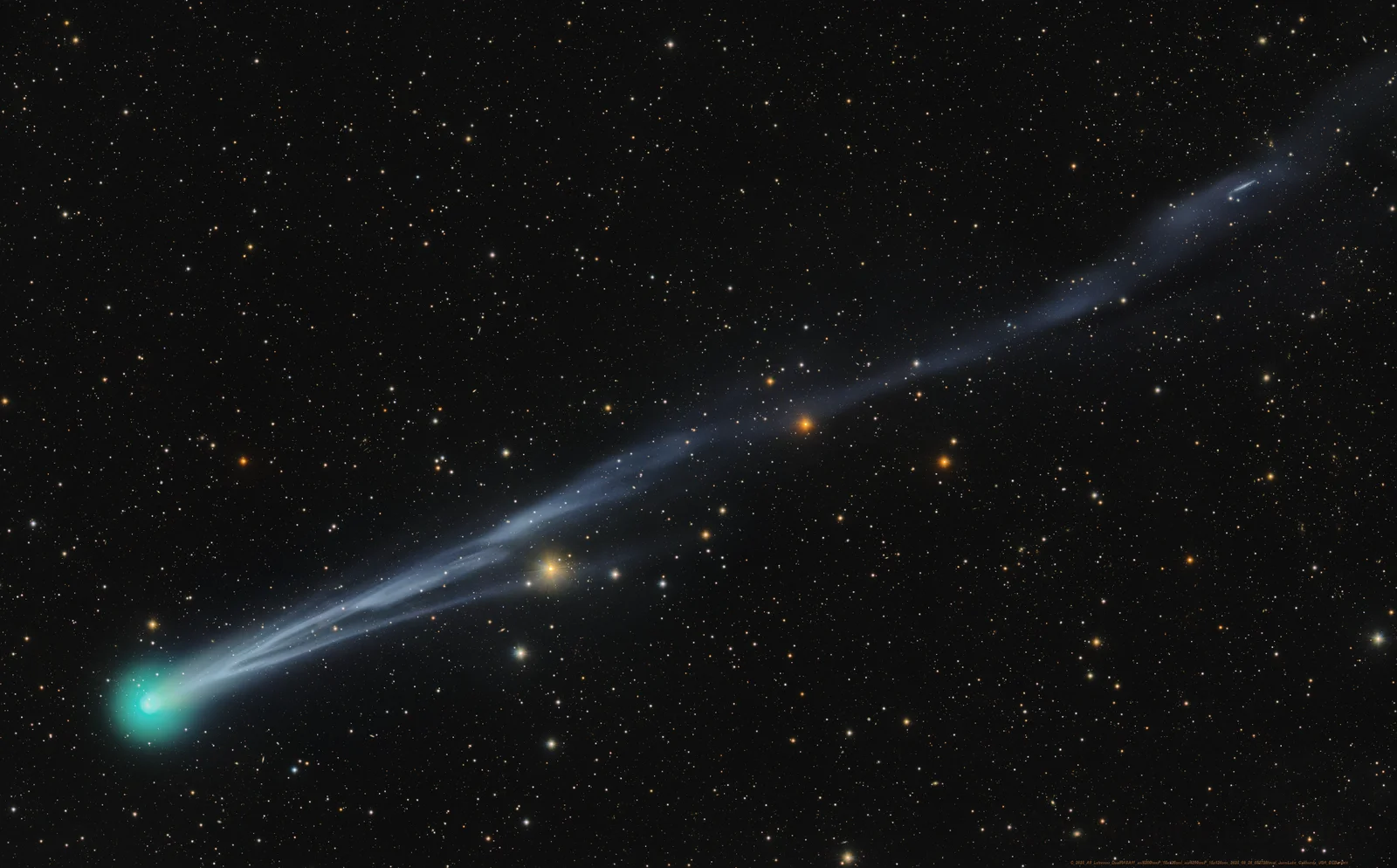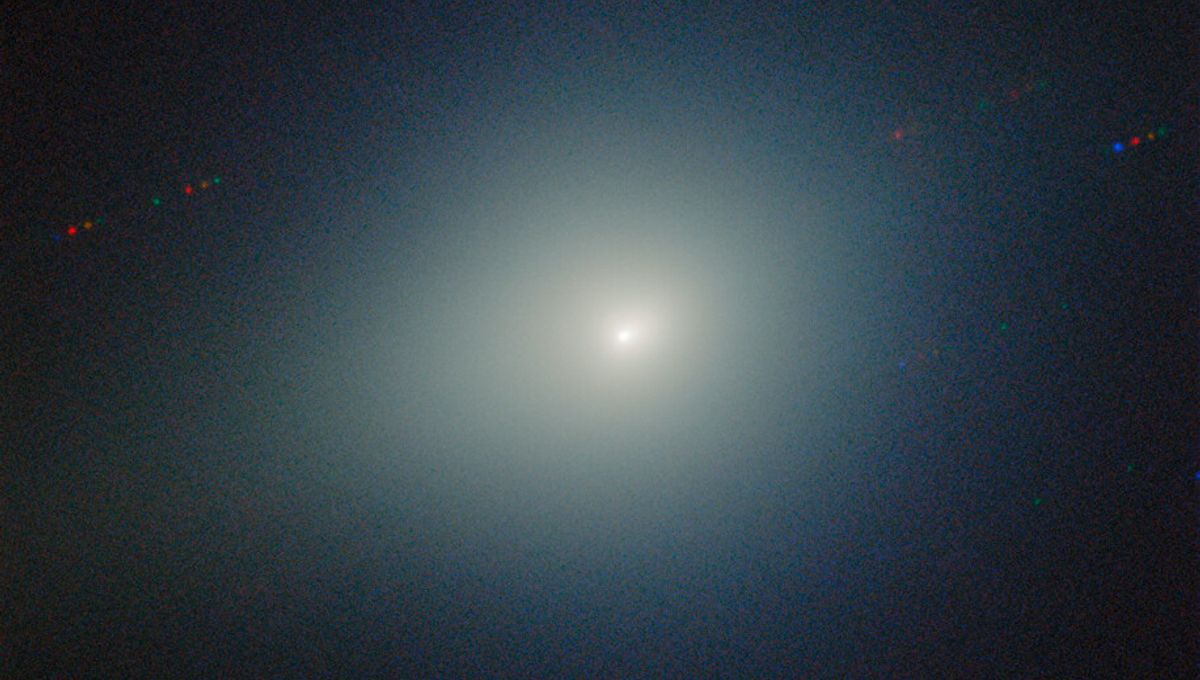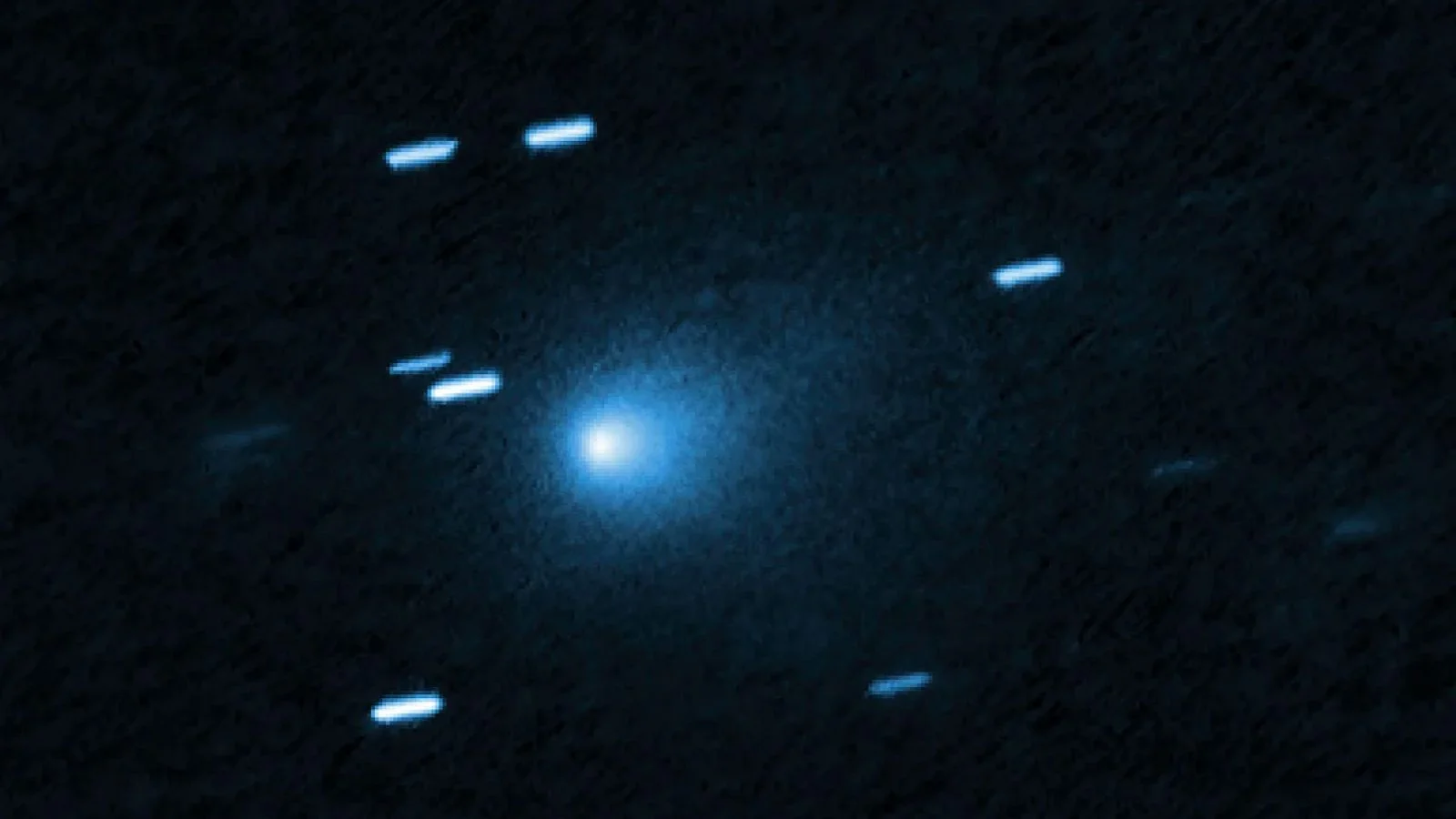
Interstellar comet 3I/ATLAS exhibits unusual wobbling jets in its sun-facing anti-tail, with a rotation period of about 15.5 hours, providing insights into the physical behavior of a pristine body from another planetary system as it approaches the sun and heads out of the solar system.
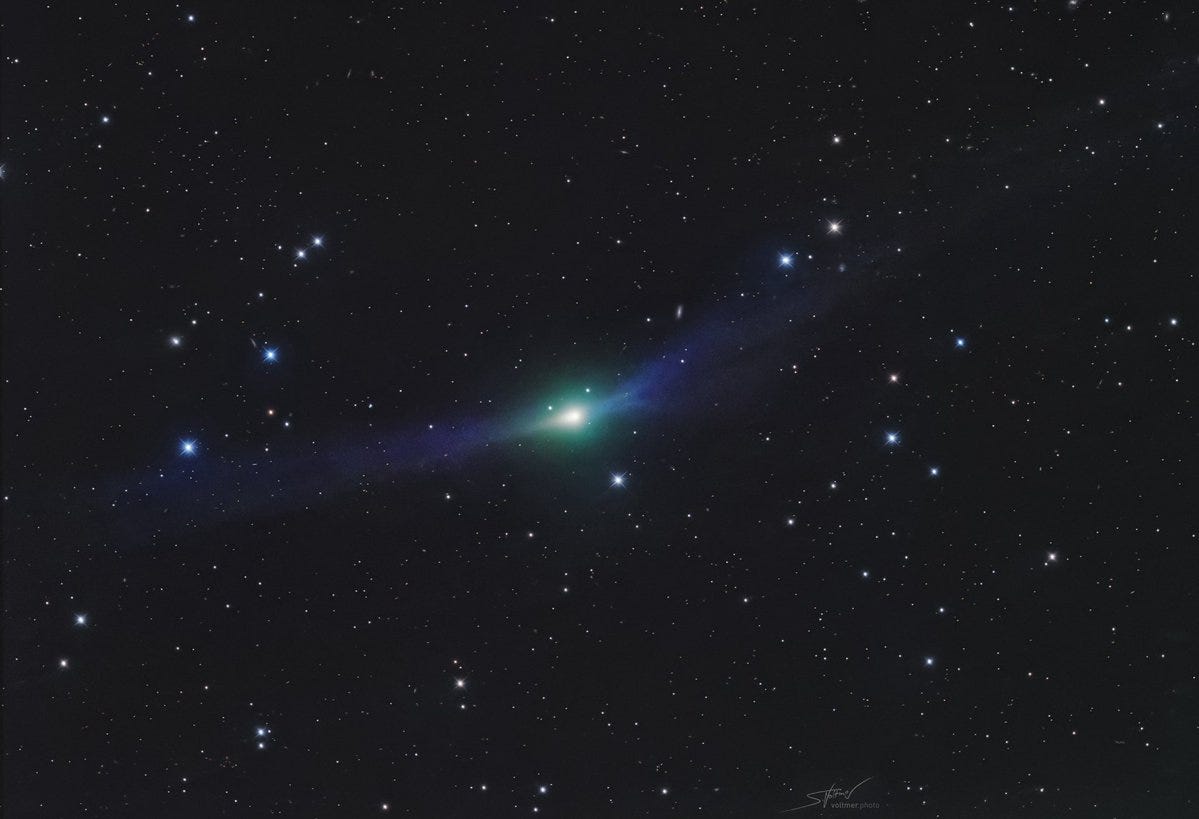
2025 was notable for the appearance of three significant comets, including the interstellar 3I/ATLAS, which was the third interstellar object observed in our solar system, along with Comet Lemmon and Comet SWAN, each providing spectacular sights and scientific insights, despite some breaking apart or fading after their close approaches to the sun.
Astronomer Avi Loeb discusses the interstellar object 3I/ATLAS, which recently passed Earth without incident, highlighting its long journey through the galaxy, unique features like a long anti-tail, and the importance of continued space exploration beyond the Moon and Mars. He emphasizes that 3I/ATLAS is likely a natural comet from another star, and underscores the need for vigilance against AI-generated fake content in science communication.
Comet 3I/ATLAS, an interstellar visitor from beyond the Milky Way, made its closest approach to Earth on December 19, coming within 168 million miles, and is now heading back to the outer solar system. Its trajectory suggests it originated from an older, thick disk region of the galaxy, making it potentially the oldest comet observed. Its unexpected brightening near the sun has intrigued scientists, and data from this encounter will enhance understanding of interstellar objects and galactic history.
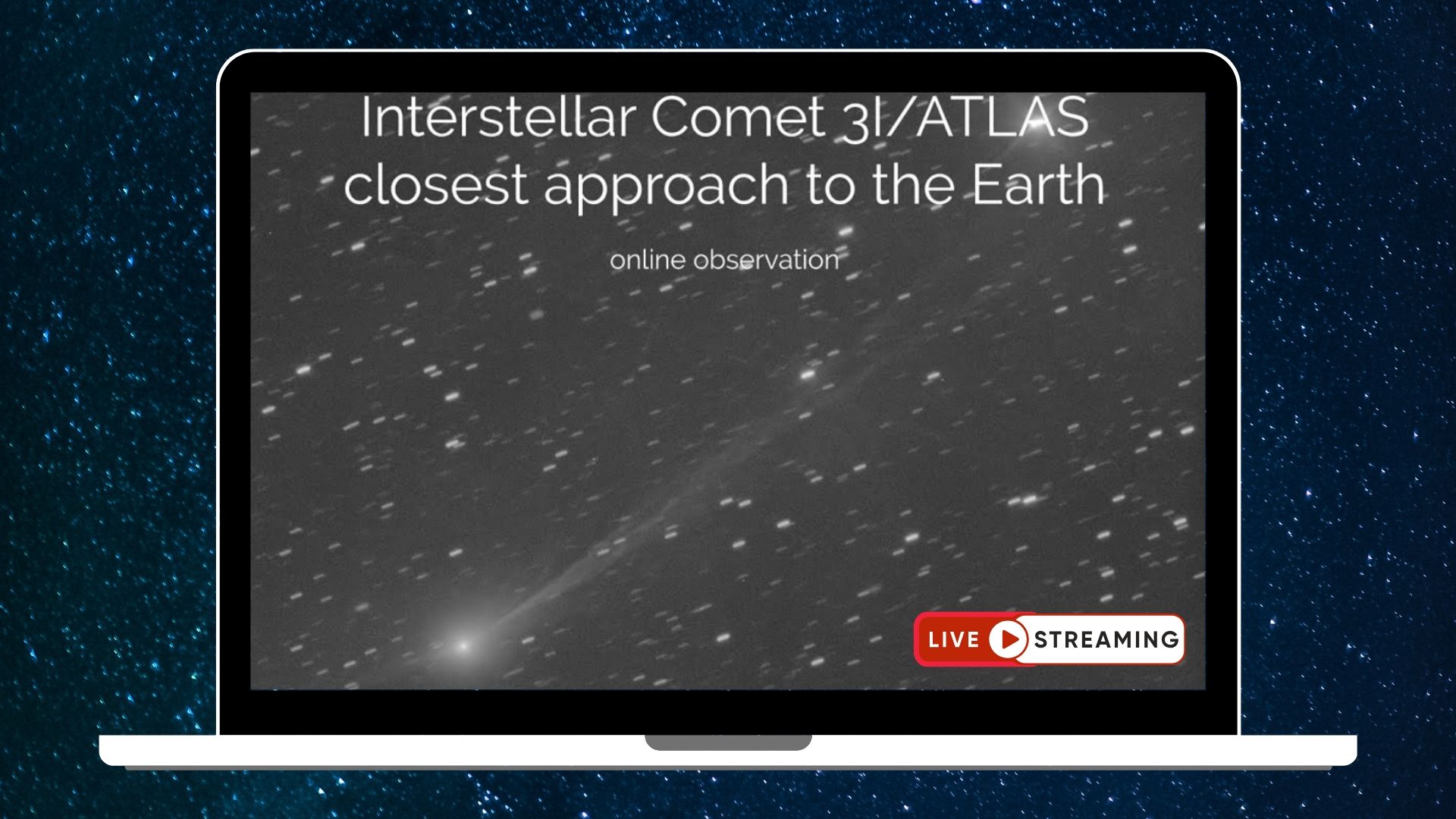
Interstellar comet 3I/ATLAS will be closest to Earth at 1 a.m. EST on December 19, passing about 168 million miles away, providing a rare scientific opportunity to study material from another star system, with a live online stream available for skywatchers.
Interstellar comet 3I/ATLAS will make its closest approach to Earth on December 19, 2025, at about 1.8 AU away, and viewers can watch the event live online, as the comet is too faint for naked-eye observation. This rare interstellar visitor, only the third confirmed passing through our solar system, offers scientists a unique opportunity to study its composition and behavior.
Interstellar comet 3I/ATLAS is experiencing a small, normal non-gravitational acceleration caused by outgassing as it approaches the Sun, which affects its orbit but does not indicate any artificial propulsion or spacecraft activity.
Interstellar comet 3I/ATLAS will make its closest approach to Earth on December 19, 2025, providing a rare opportunity for observation and study due to its unusual composition and behavior, which may offer insights into interstellar space and cometary science.
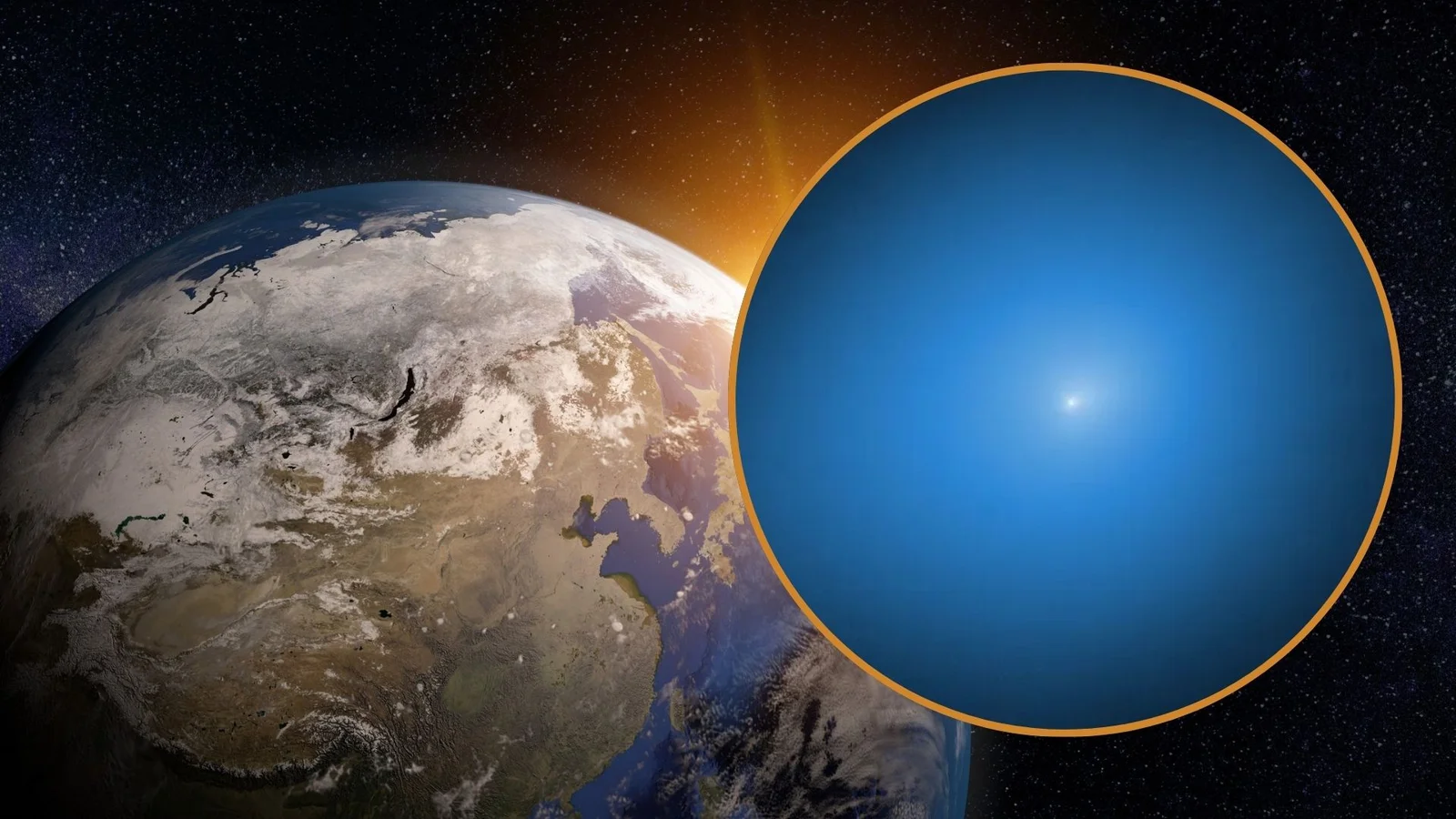
Astronomers have discovered a new comet, C/2025 V1, which is approaching Earth and is not related to the interstellar object 3I/ATLAS, despite some similarities and speculations. The comet likely originates from the Oort Cloud within our solar system and will reach its closest point to Earth on December 19.
Astronomers have discovered a new comet, C/2025 V1 (Borisov), which will make its closest approach to Earth on Nov. 11, but it is not related to the interstellar object 3I/ATLAS, despite some similarities and speculations. The comet likely originates from the Oort Cloud within our solar system and is too faint to be seen without a telescope.
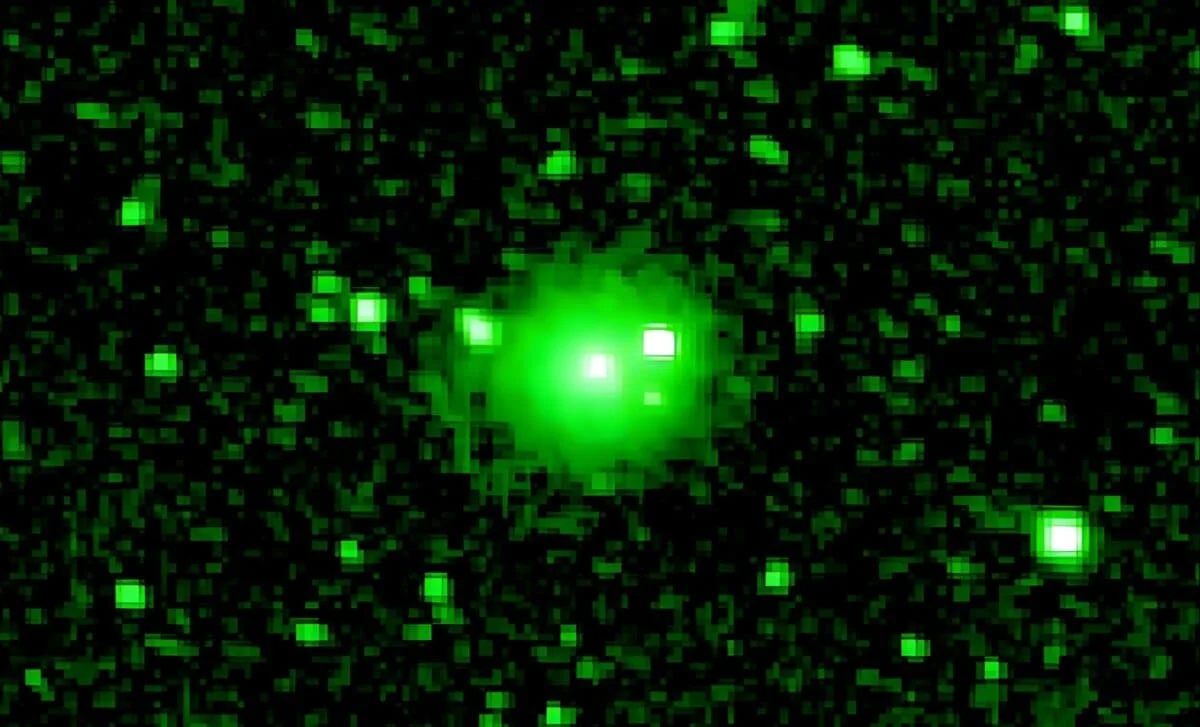
A new image of interstellar comet 3I/ATLAS shows it glowing green due to diatomic carbon, with its tail hidden from view. The comet, possibly the oldest ever observed and only the third interstellar visitor, is undergoing changes as it passes perihelion, providing valuable insights into its composition and origins. Despite some speculation, it is confirmed to be a natural comet from another star system.
U.S. Congresswoman Anna Paulina Luna urges NASA to release unreleased images and data of the interstellar comet 3I/ATLAS to better understand its nature and behavior, amid speculation about its characteristics and potential alien origin, with calls for additional observations from Mars and Jupiter missions.
Comet 3I/ATLAS, an interstellar object, has reappeared after passing behind the sun, and amateur astronomers can now observe it with small telescopes as it moves away from the sun, providing new opportunities for scientific study.
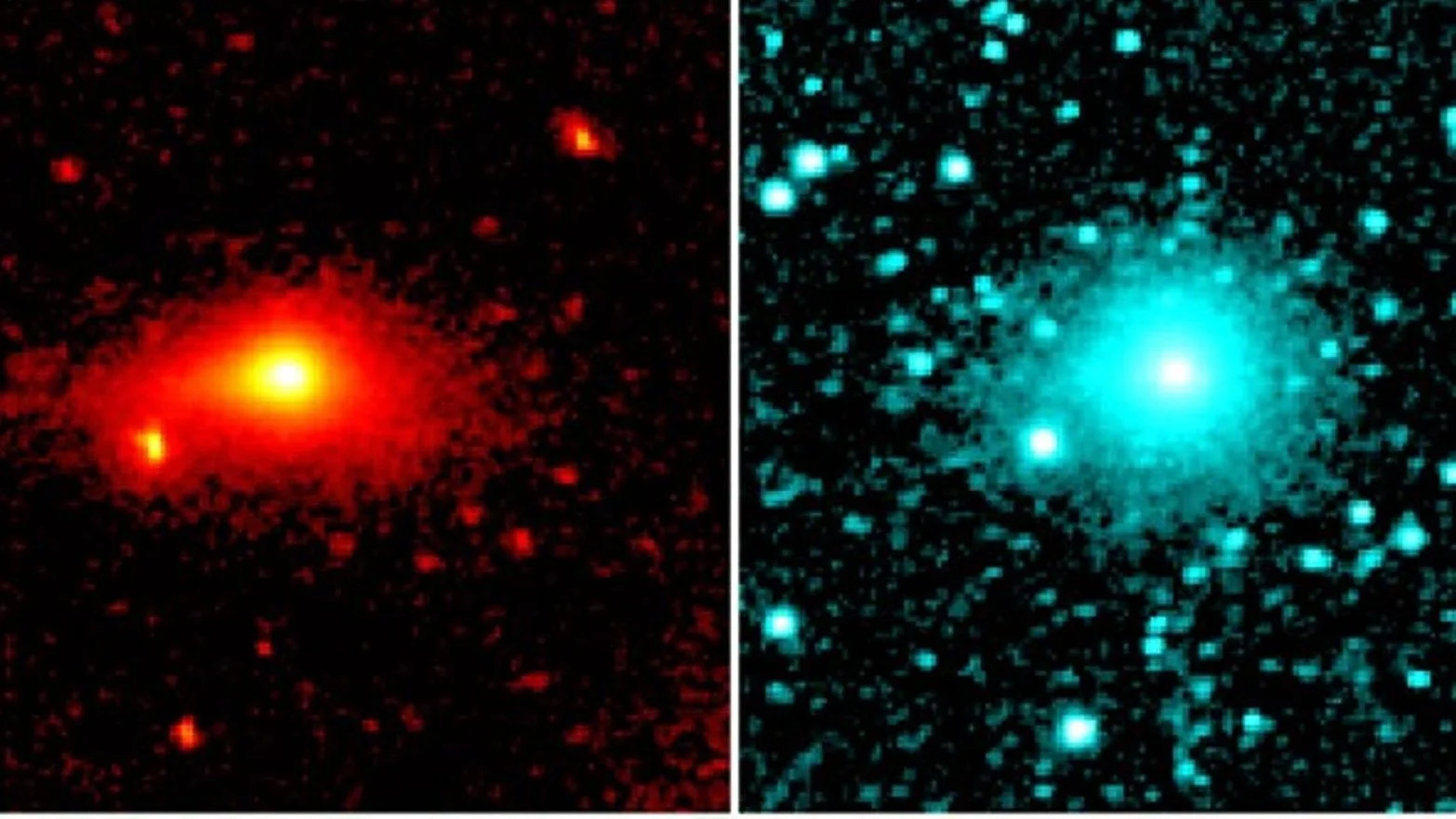
The interstellar comet 3I/ATLAS is accelerating and turning blue near the Sun, with scientists debating whether its unusual features are natural or indicative of an internal engine, while observations continue to determine its nature and potential artificial origin.
Comet 3I/ATLAS, an interstellar object entering our solar system, is unexpectedly brightening rapidly near the sun, baffling scientists who are unsure of the cause. This behavior may reveal differences in its composition or origin compared to typical comets, and further observations are needed to understand its nature.