Tag

Geology

All articles tagged with #geology

Seven-Year-Old Discovers Ultra-Rare Cotterite in Cork Field

Originally Published 13 hours ago — by The Irish Times

Featured image for Seven-Year-Old Discovers Ultra-Rare Cotterite in Cork Field
Source: The Irish Times

Seven-year-old Ben O’Driscoll found a pearly mineral in a field near Rockforest East, Cork, which geologist Patrick Roycroft identified as cotterite, one of the world’s rarest quartz forms and the first cotterite discovery in about 150 years. With only a few dozen known specimens worldwide, all from a single Rockforest vein, the find—now dubbed the Ben O’Driscoll Cotterite—highlights Ireland’s hidden mineral history and the value of curiosity.

Ancient Bedrock Unveils Earth's Violent Origins and Early Life

Originally Published 1 day ago — by The Daily Galaxy

Featured image for Ancient Bedrock Unveils Earth's Violent Origins and Early Life
Source: The Daily Galaxy

Scientists have found evidence suggesting that rocks in Canada's Nuvvuagittuq Greenstone Belt could be over 4.3 billion years old, potentially making them the oldest known rocks on Earth and offering insights into Earth's early crust and conditions, though the dating results are still debated among geologists.

3 Billion-Year-Old Rock Reveals Hidden Gas Reserves

Originally Published 5 days ago — by Earth.com

Featured image for 3 Billion-Year-Old Rock Reveals Hidden Gas Reserves
Source: Earth.com

An ancient rock formation in South Africa's Witwatersrand Basin has been trapping helium for over 3 billion years, providing a valuable and rare resource crucial for medical and scientific applications. The study of this helium deposit offers insights into its formation, migration, and potential longevity, which could influence future helium exploration and supply management globally.

Century-Old Desert Rocks Move on Their Own, Revealing the Mystery

Originally Published 7 days ago — by The Daily Galaxy

Featured image for Century-Old Desert Rocks Move on Their Own, Revealing the Mystery
Source: The Daily Galaxy

Scientists finally uncovered the mystery of the moving rocks in Death Valley's Racetrack Playa, revealing that delicate sheets of ice, formed overnight and melted in the sun, along with light winds, gently push the rocks across the desert floor, leaving trails that have puzzled observers for over a century.

Geologists Discover Record-Breaking $5.7 Trillion Iron Ore Deposit

Originally Published 9 days ago — by The Daily Galaxy

Featured image for Geologists Discover Record-Breaking $5.7 Trillion Iron Ore Deposit
Source: The Daily Galaxy

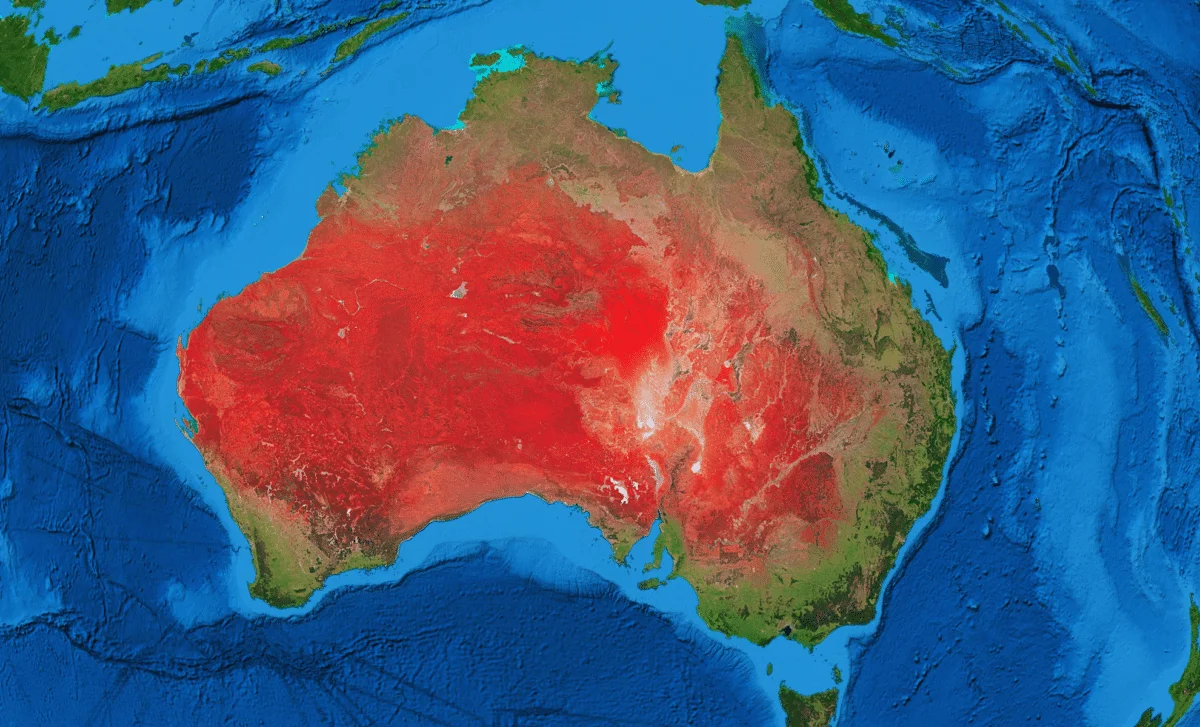
A groundbreaking geological study in northwestern Australia has revealed that the world's largest iron ore deposit formed between 1.4 and 1.1 billion years ago, much later than previously thought, and is linked to tectonic activity related to supercontinent cycles, challenging existing models of ore formation and opening new avenues for mineral exploration.

Ancient Earth Rocks Rewrite Continental History

Originally Published 10 days ago — by Indian Defence Review

Featured image for Ancient Earth Rocks Rewrite Continental History
Source: Indian Defence Review

A study in Nature Communications reveals that Earth's oldest rocks, dating back 3.7 billion years, suggest that continental crust formation occurred much later than previously thought, around 3.5 billion years ago, and support the theory that Earth and the Moon share a common origin from the same primordial material, reinforcing the Giant Impact Hypothesis.

Scientists Discover Hidden Tunnels in Desert Rocks

Originally Published 10 days ago — by The Daily Galaxy

Featured image for Scientists Discover Hidden Tunnels in Desert Rocks
Source: The Daily Galaxy

Scientists have discovered mysterious, fossilized micro-tunnels in desert rocks across Namibia, Oman, and Saudi Arabia, which are believed to be the work of an unknown, possibly extinct microorganism that once digested its way through solid rock, raising new questions about microbial influence on geology and Earth's carbon cycle.

NASA's Curiosity Rover Breaks Rock on Mars, Sparks New Questions

Originally Published 11 days ago — by CPG Click Petróleo e Gás

Featured image for NASA's Curiosity Rover Breaks Rock on Mars, Sparks New Questions
Source: CPG Click Petróleo e Gás

NASA's Curiosity rover accidentally discovered pure sulfur crystals in a Martian rock, challenging previous understanding of Mars' geological history and suggesting complex environmental conditions, with future investigations planned in a region with underground mineral formations.

The Truth About Digging Through the Earth

Originally Published 20 days ago — by The Daily Galaxy

Featured image for The Truth About Digging Through the Earth
Source: The Daily Galaxy

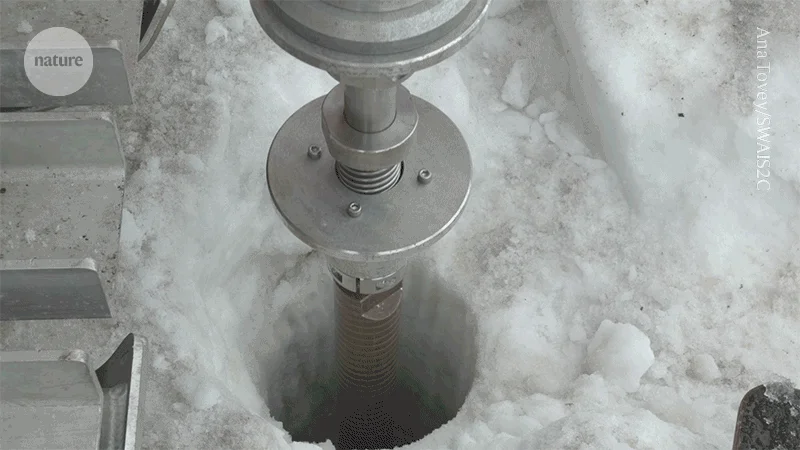
Drilling straight through the Earth is currently impossible due to extreme heat and pressure, with the deepest borehole reaching only about 12 kilometers, far from penetrating the Earth's crust or core. The immense temperatures and pressures at the Earth's interior would destroy drilling equipment and make such a project unfeasible with current technology.

Zealandia: Earth's Hidden 8th Continent Discovered Beneath the Pacific

Originally Published 20 days ago — by The Daily Galaxy

Featured image for Zealandia: Earth's Hidden 8th Continent Discovered Beneath the Pacific
Source: The Daily Galaxy

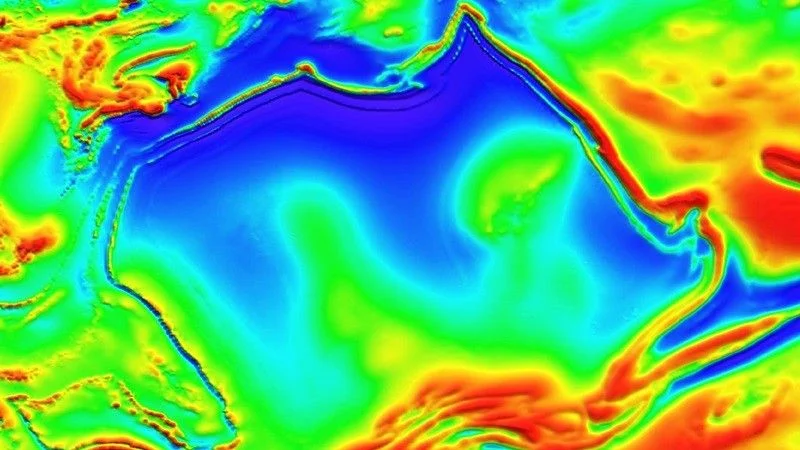
Zealandia, Earth's long-lost eighth continent, has been officially recognized after decades of scientific debate, covering nearly 1.9 million square miles mostly submerged beneath the southwest Pacific Ocean, with significant implications for geology, resource claims, and our understanding of plate tectonics.

The Vanishing Lake: Once the Largest Water Body, Now Gone

Originally Published 22 days ago — by The Daily Galaxy

Featured image for The Vanishing Lake: Once the Largest Water Body, Now Gone
Source: The Daily Galaxy

Paratethys was the largest lake in Earth's history, formed 12 million years ago due to tectonic activity in Europe, and it repeatedly shrank and refilled over 5 million years due to climate fluctuations, profoundly impacting regional ecosystems and evolution before draining away around 6.7 million years ago.