Tag

Astrochemistry

All articles tagged with #astrochemistry

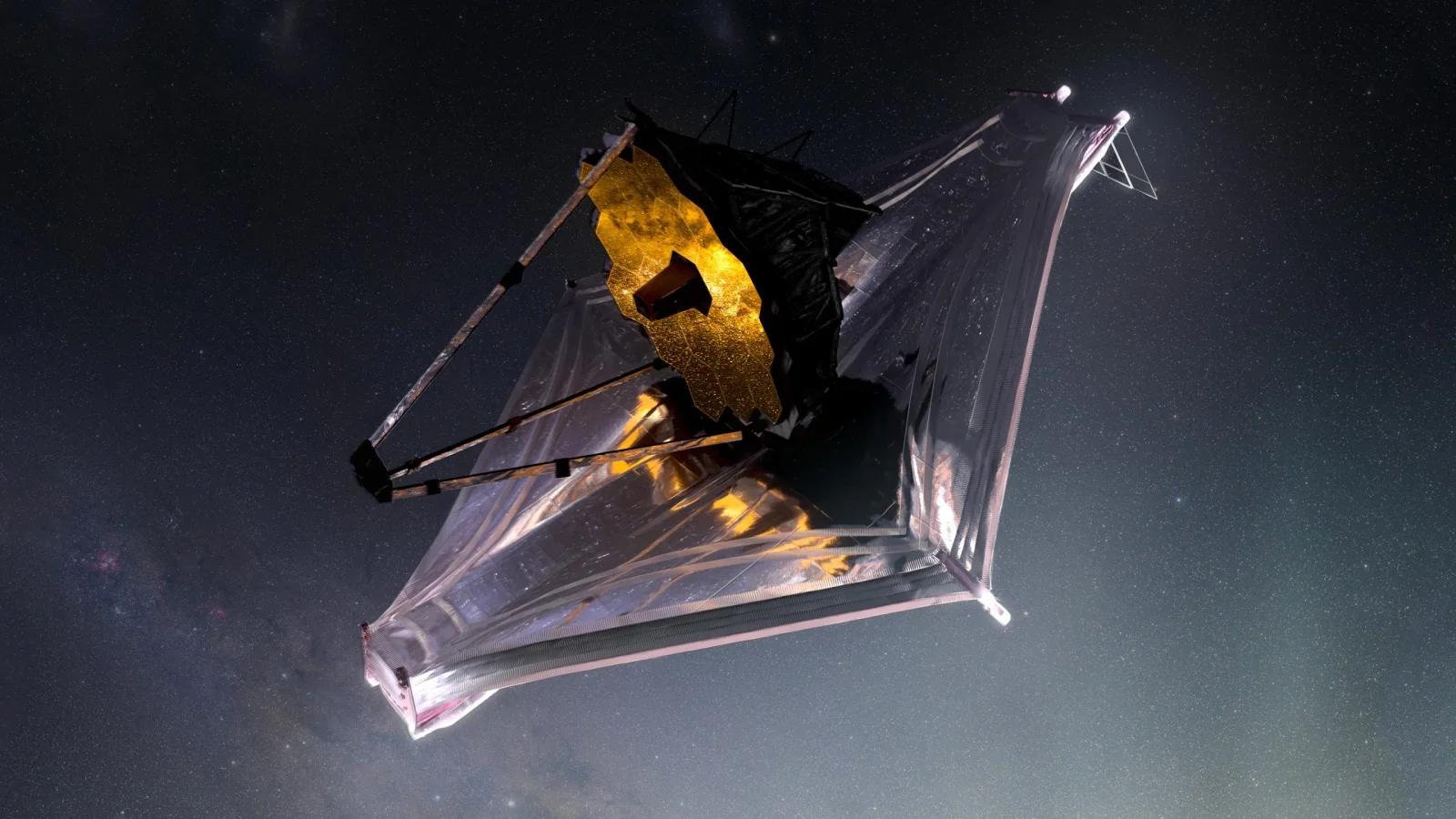
JWST Discovers Hidden Galactic Cores as Cosmic Organic Molecule Factories
astronomy1 day ago

JWST Discovers Hidden Galactic Cores as Cosmic Organic Molecule Factories

JWST spectroscopic data of the ultraluminous infrared galaxy IRAS 07251-0248 reveal a rich mix of small organic molecules (benzene, methane, acetylene, diacetylene, triacetylene) and solid carbon-rich grains in its buried nucleus, along with the first outside-the Milky Way detection of the methyl radical CH3. The chemistry appears driven by cosmic rays fragmenting carbonaceous materials and PAHs, producing a diverse organic inventory far exceeding models’ predictions. This implies deeply obscured galactic nuclei can act as factories of organic molecules, with potential implications for prebiotic chemistry and galactic chemical evolution. Findings published in Nature Astronomy showcase JWST’s power to probe extreme, dust-shrouded environments.
Interstellar Comet 3I/ATLAS Flare Reveals Molecules From Another Star
space22 days ago

Interstellar Comet 3I/ATLAS Flare Reveals Molecules From Another Star

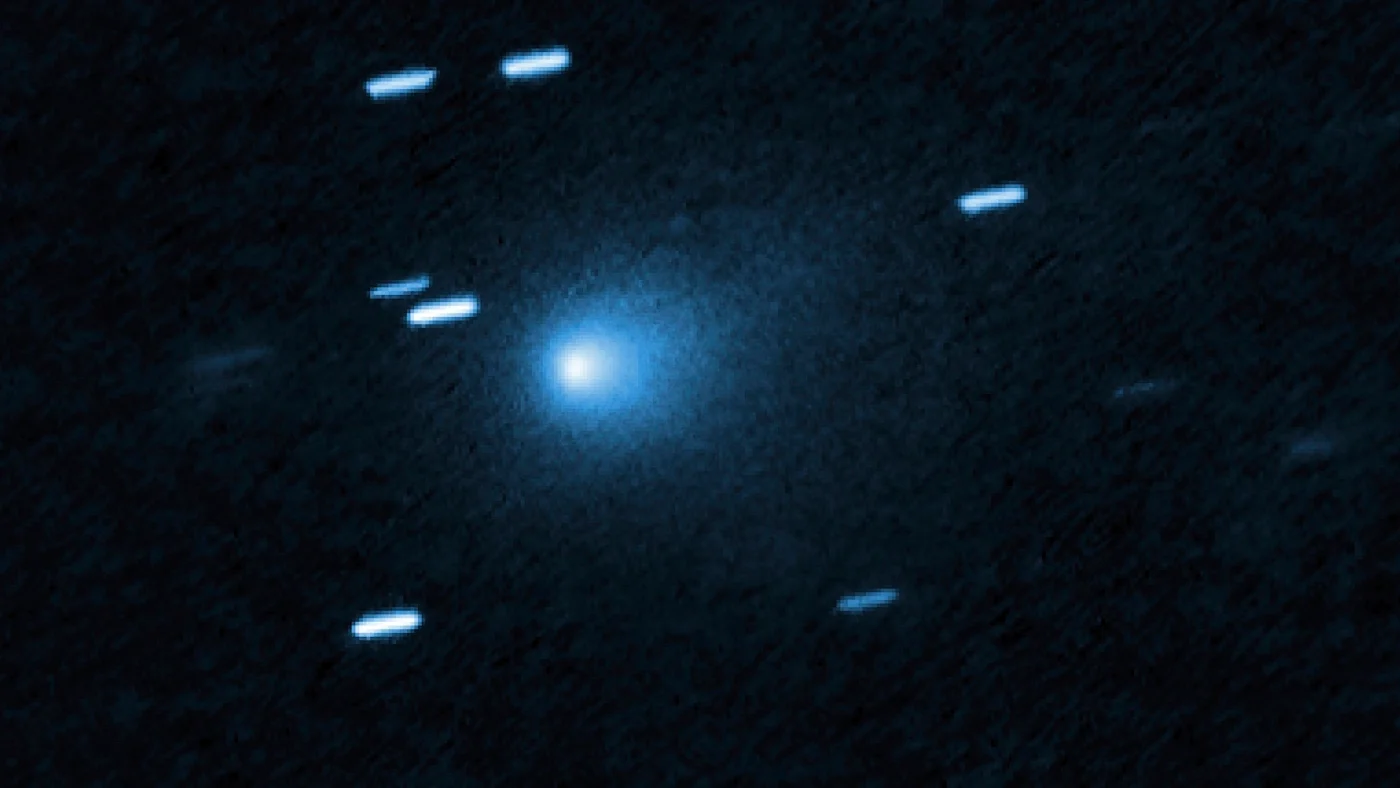
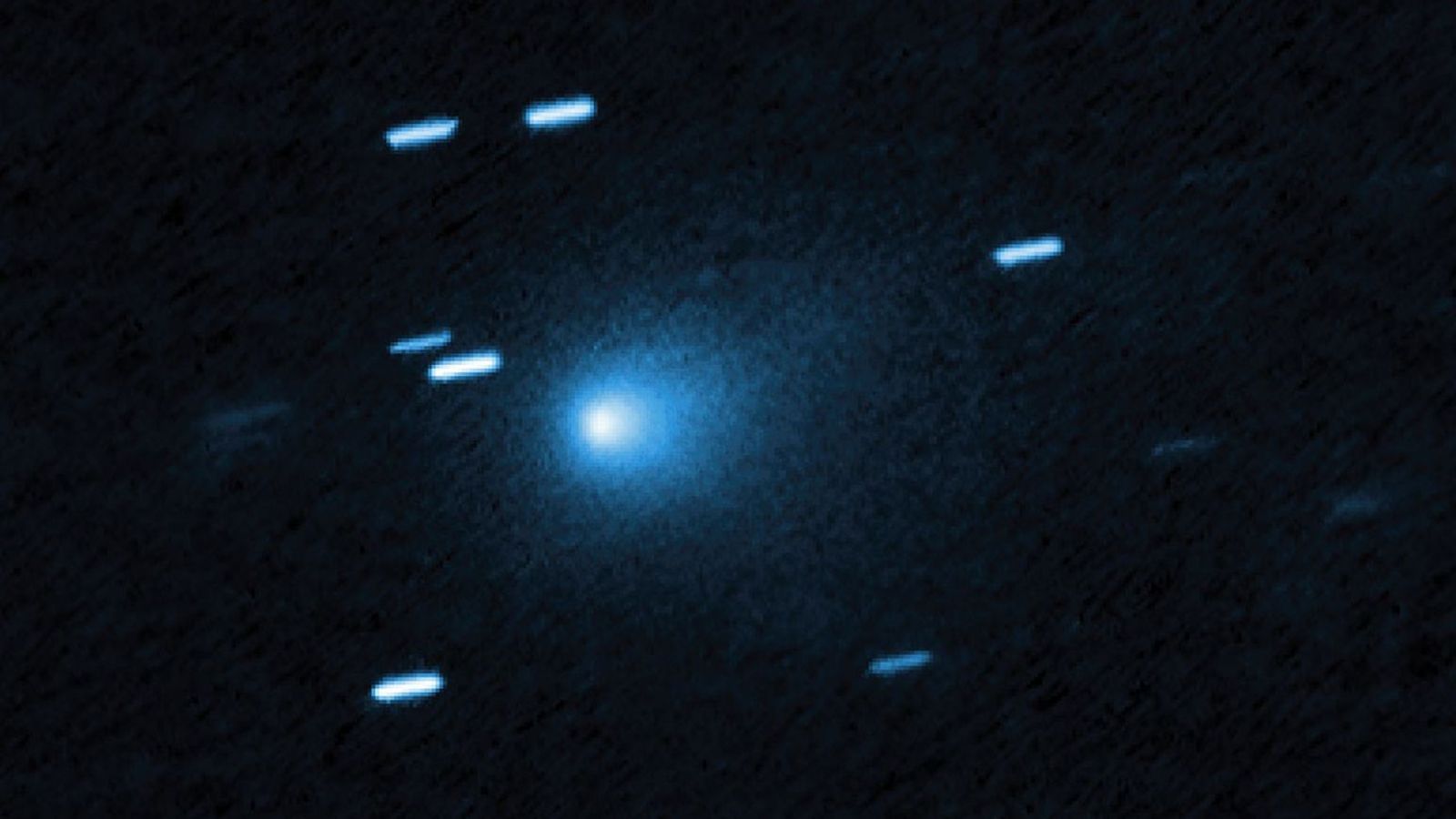
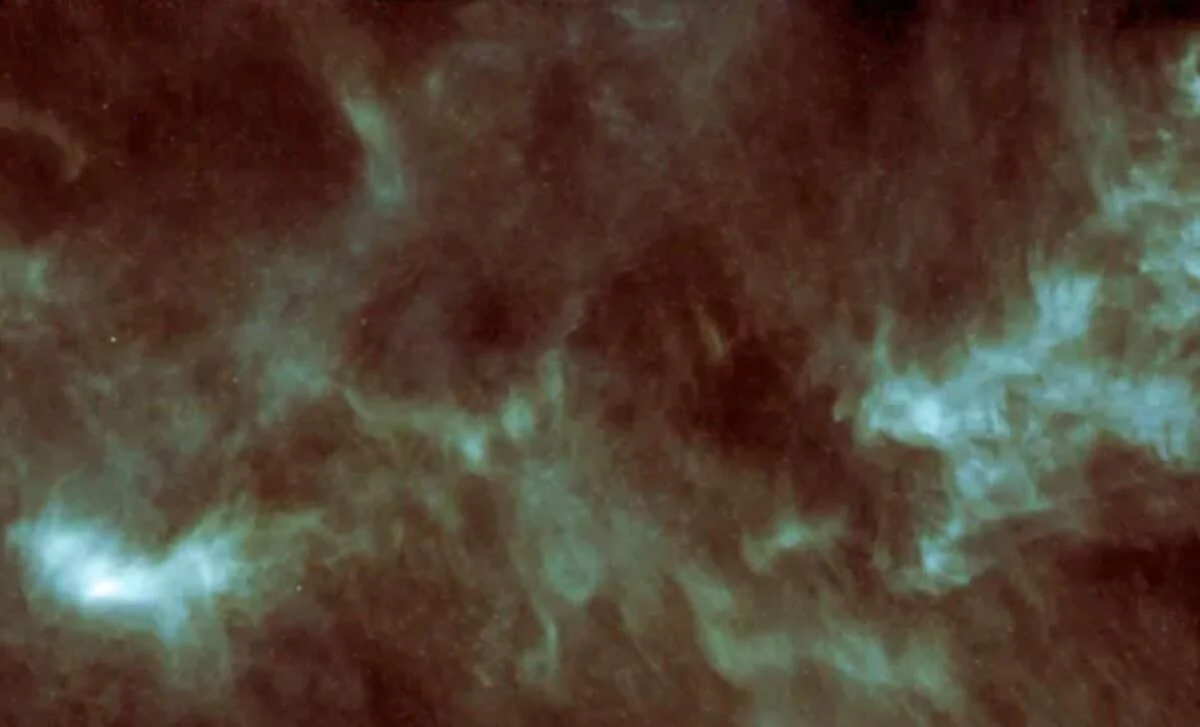
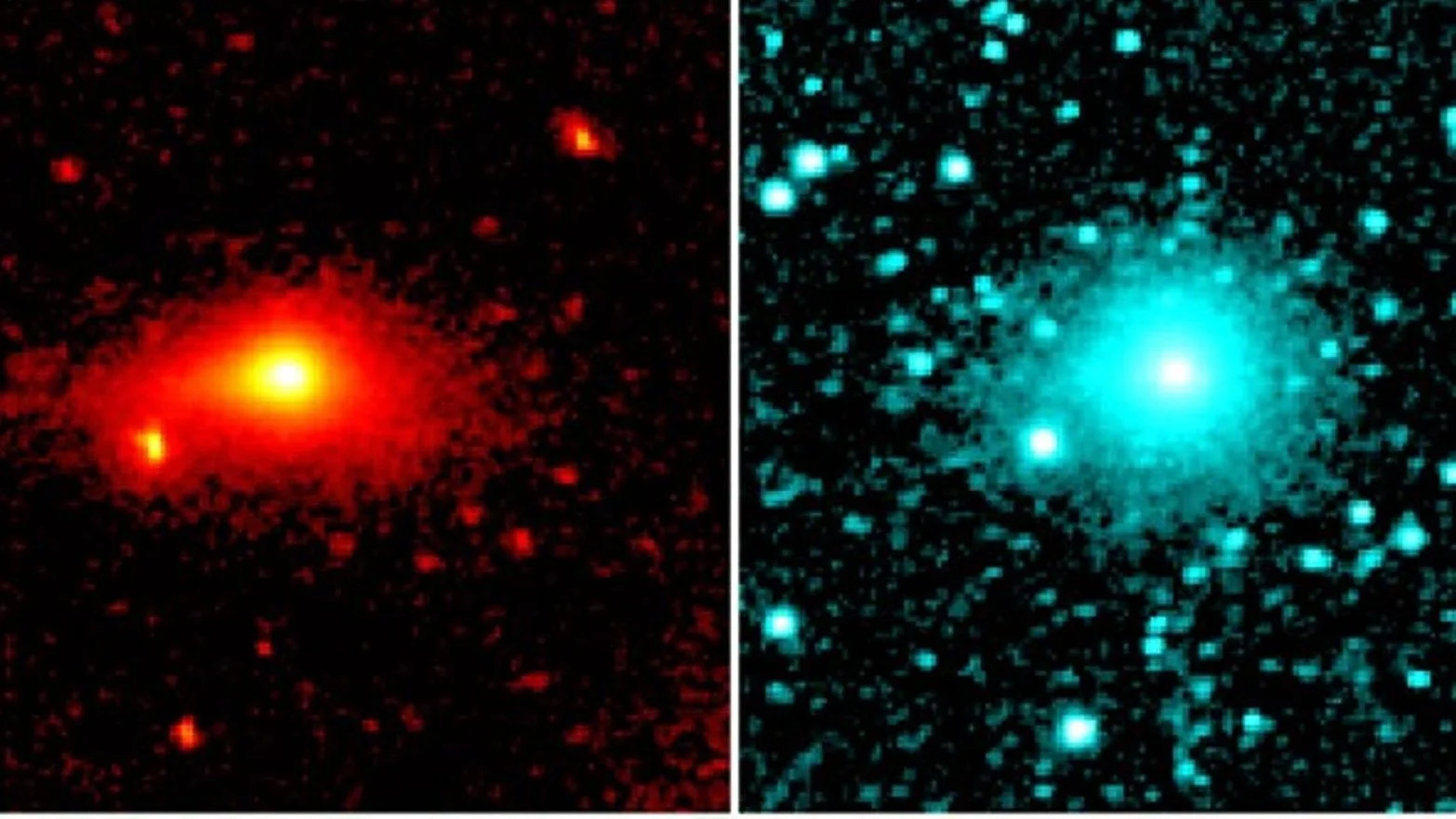
NASA’s SPHEREx infrared telescope observed interstellar comet 3I/ATLAS flare up as it was exiting the solar system in December 2025, revealing a coma rich in water vapor, carbon dioxide and complex organics (including methane, methanol and cyanide) and a pear-shaped dust tail. The observations suggest sunlight penetrated buried ices, triggering a delayed release of materials formed around another star. 3I/ATLAS is only the third confirmed interstellar object, discovered in 2025, with the findings published in February 2026 in the Research Notes of the American Astronomical Society.

Lab-made cosmic dust sheds light on life's beginnings
science22 days ago

Lab-made cosmic dust sheds light on life's beginnings

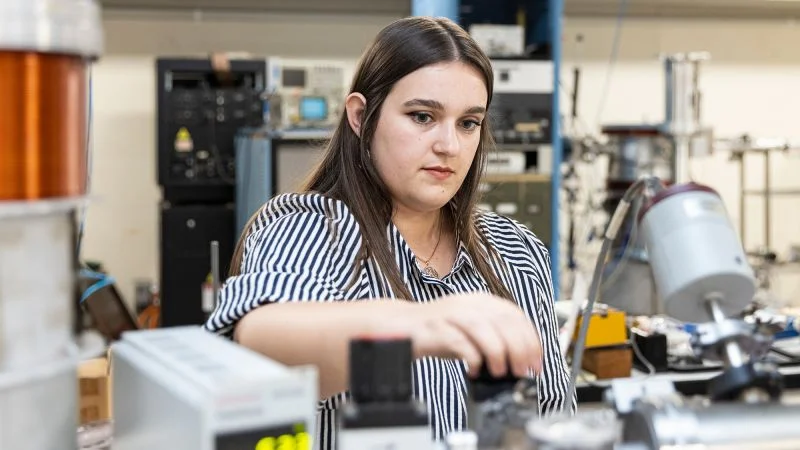
A University of Sydney doctoral student creates tiny cosmic-dust analogues in the lab by exciting a mix of nitrogen, carbon dioxide and acetylene with 10,000 volts of electricity, reproducing conditions around stars to study how dust catalyzes organic molecules and potentially seeded life; the team aims to build a database of dust types to compare with meteorites and astronomical observations.

Ring-Shaped Sulfur Molecule Detected in Interstellar Space, Linking Space Chemistry to Life's Origins
space25 days ago

Ring-Shaped Sulfur Molecule Detected in Interstellar Space, Linking Space Chemistry to Life's Origins

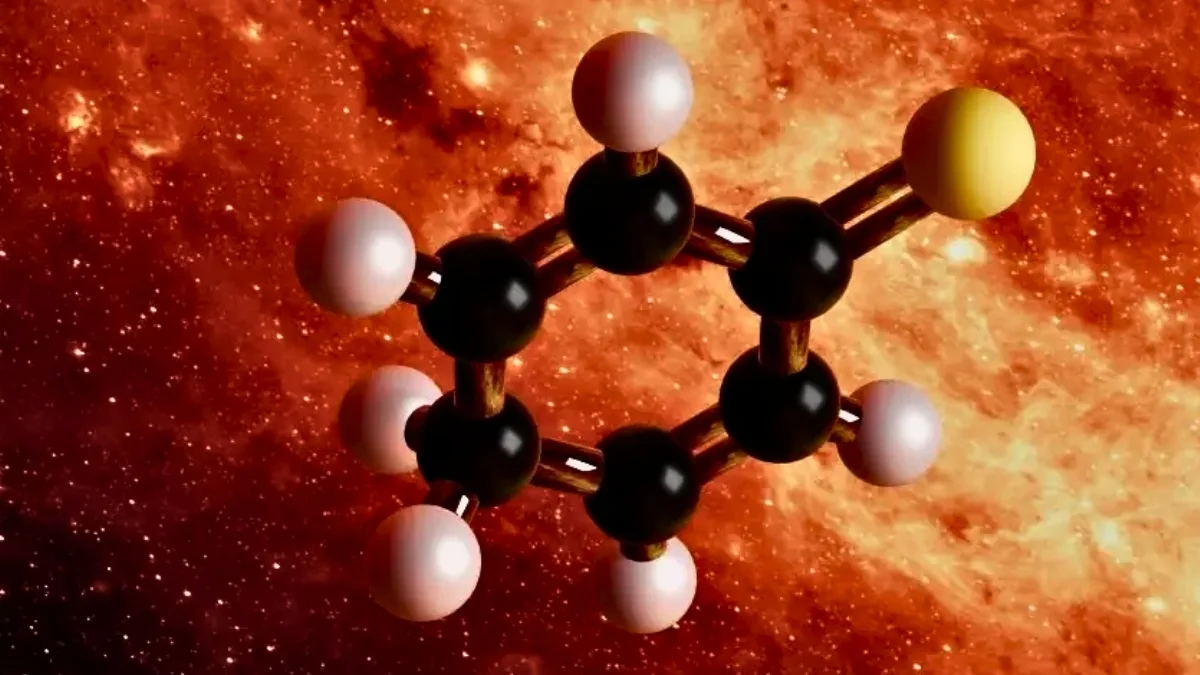
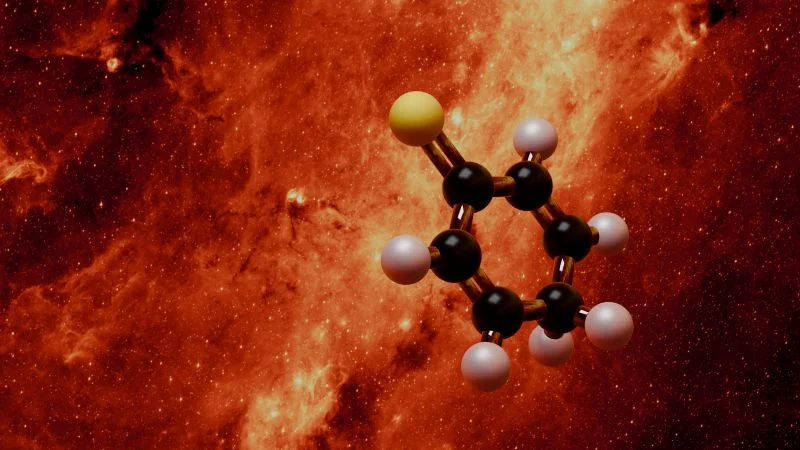
Astronomers detected thiepine (C6H6S), the largest sulfur-bearing molecule observed in interstellar space, in the G+0.693–0.027 molecular cloud near the Galactic center. By lab-synthesizing the molecule and matching its spectral fingerprint with observations from the IRAM 30m and Yebes 40m telescopes, researchers confirmed its presence and reinforced the idea that complex sulfur chemistry in star-forming regions could lay the groundwork for prebiotic molecules, linking space chemistry to the origins of life. The finding, published in Nature Astronomy, expands known interstellar sulfur chemistry and suggests more complex molecules await discovery.

Large sulfur-bearing molecule found in space hints at cosmic roots of life
science28 days ago

Large sulfur-bearing molecule found in space hints at cosmic roots of life

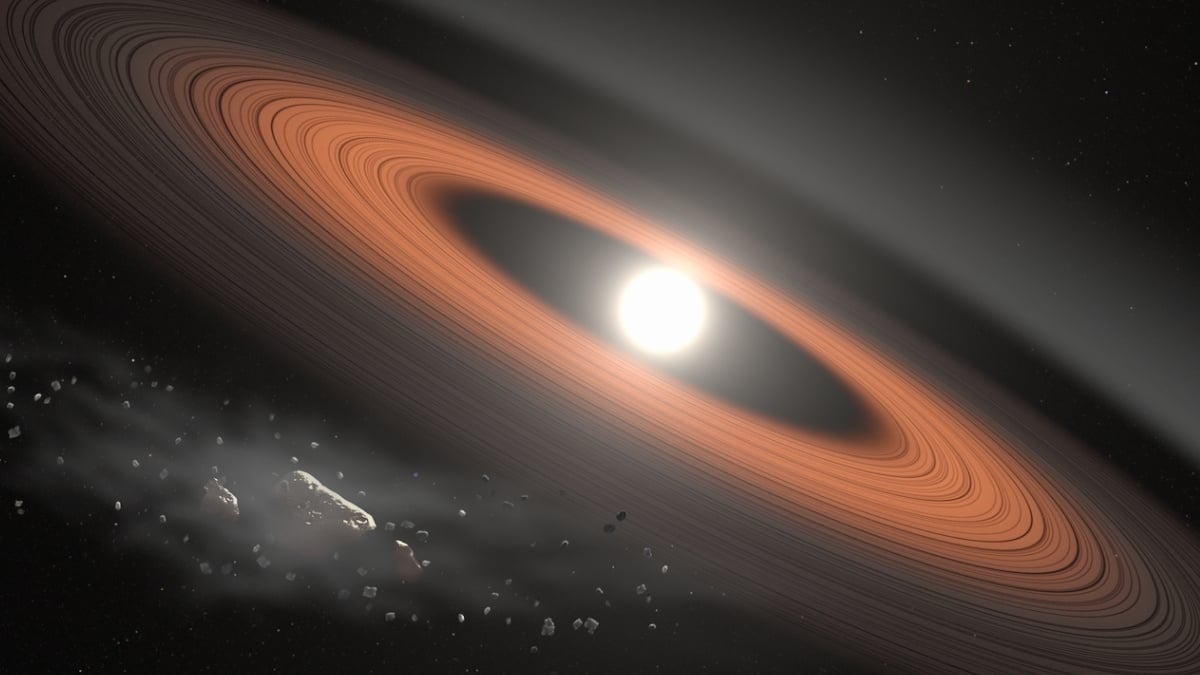
Astronomers have identified the largest sulfur-containing molecule ever seen in interstellar space—a 13-atom compound called 2,5-cyclohexadiene-1-thione—within a molecular cloud about 27,000 light-years from Earth. The discovery, made using radio telescopes IRAM-30m and Yebes and confirmed by a laboratory-synthesized radio fingerprint, fills a gap between simple space chemistry and the complex molecules tied to life. Researchers say sulfur-bearing molecules may be far more common in space than previously thought and could be delivered to early Earth via comets and meteorites, helping to bootstrap the chemistry that led to life. The finding suggests many more such sulfur-rich molecules could be detected in the future.

Ice-Formed Hydrogen Cyanide Could Jump-Start Life Across the Solar System
science1 month ago

Ice-Formed Hydrogen Cyanide Could Jump-Start Life Across the Solar System

Researchers modeling frozen hydrogen cyanide find it converts to hydrogen isocyanide, enabling two pathways to prebiotic molecules like amino acids and nucleobases, even in extreme cold. The work suggests cyanide-based chemistry could have seeded life on early Earth and may occur on icy worlds such as Titan or in other planetary atmospheres across the solar system.

Frozen HCN Crystals Could Have Fueled Life’s Origins
science1 month ago

Frozen HCN Crystals Could Have Fueled Life’s Origins

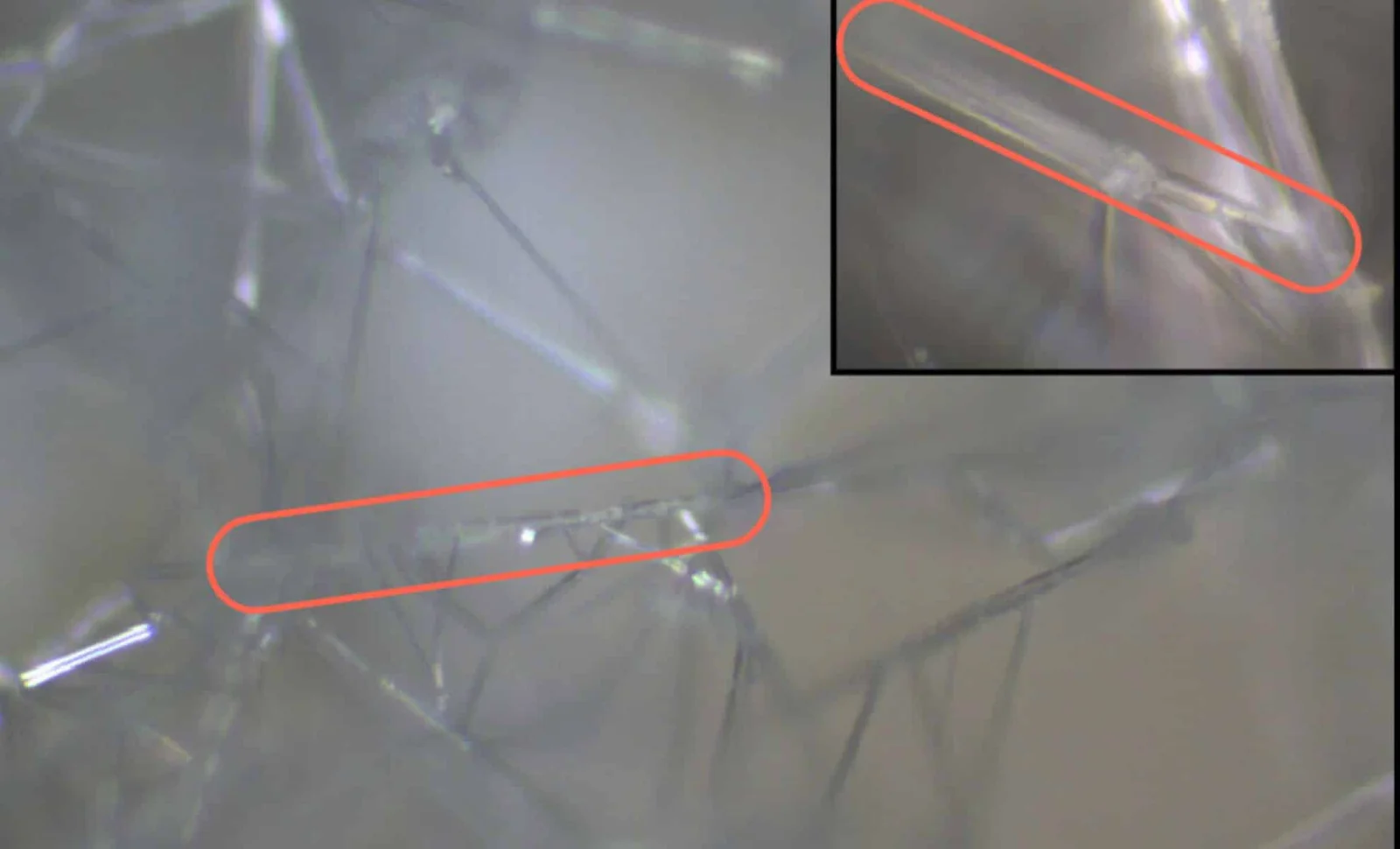
A study in ACS Central Science shows that frozen hydrogen cyanide forms needle-like crystal surfaces that generate strong electric fields and catalyze reactions, including HCN→HNC isomerization, at cryogenic temperatures. This surface catalysis could drive early prebiotic chemistry and help explain HNC’s abundance in cold space environments like Titan and comets, suggesting solid HCN crystals may have acted as tiny reaction engines in the origins of life.

Interstellar Comet 3I/ATLAS's Solar Encounter Sparks Scientific Interest
science4 months ago

Interstellar Comet 3I/ATLAS's Solar Encounter Sparks Scientific Interest

Scientists are excited about the interstellar comet 3I/ATLAS, which is only the third such object observed entering our solar system. Notably, nickel vapor was detected in its gas, suggesting it may be older than our solar system and providing valuable insights into distant planetary systems and their chemistry. Observations continue as the comet approaches the sun, offering a rare opportunity to study material from outside our solar system.

JWST Uncovers Organic Building Blocks in Distant Galaxy
science4 months ago

JWST Uncovers Organic Building Blocks in Distant Galaxy

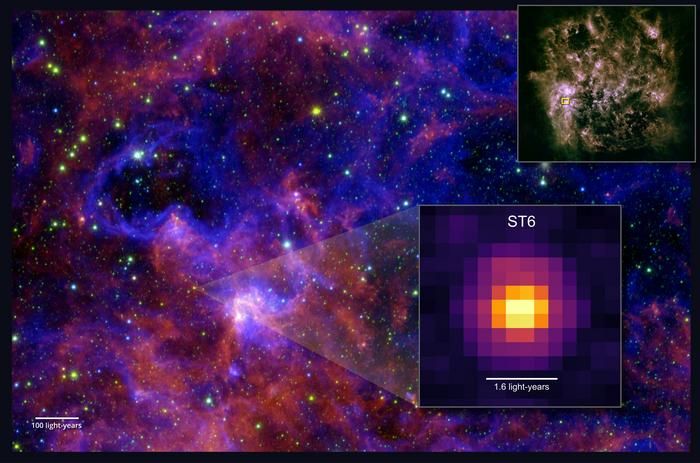
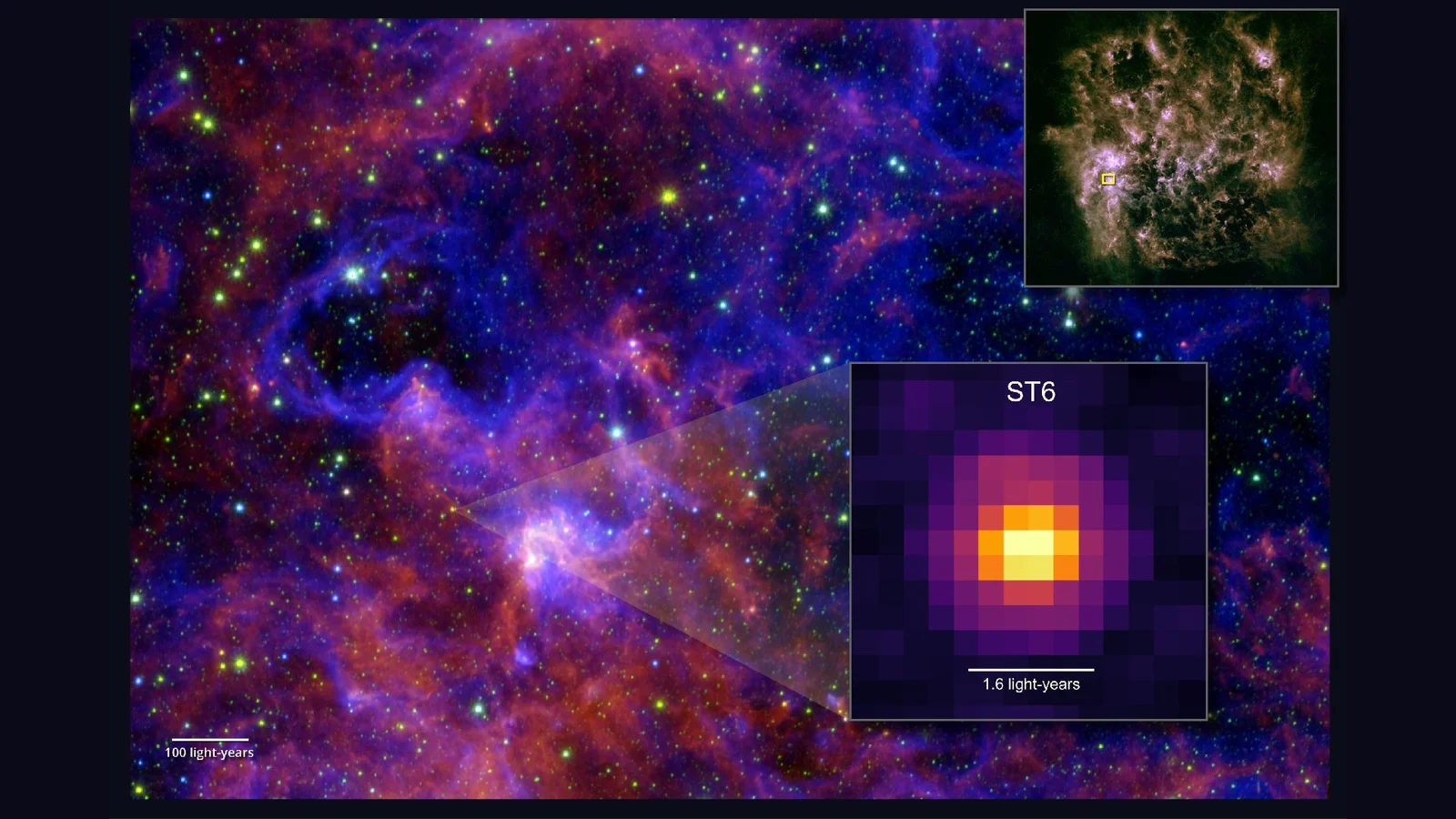
Researchers using the James Webb Space Telescope have detected complex organic molecules, considered the 'seeds of life,' in icy environments beyond our galaxy, specifically in the Large Magellanic Cloud, indicating that such molecules can form in harsh, low-metallicity conditions similar to early universe galaxies, which may have implications for the origins of life elsewhere in the universe.