Tag

Silicon

All articles tagged with #silicon

health1 year ago

Simple Dietary Changes May Lower Alzheimer's and Dementia Risk

A recent claim suggests that drinking silicon-rich sparkling water may help reduce the risk of Alzheimer's disease by promoting the excretion of aluminum, a potential risk factor for the condition. While some experts, like Professor Chris Exley, support the idea that silicon-rich water can improve cognitive function, others caution against assuming all sparkling waters are beneficial due to added sugars or artificial sweeteners. The exact cause of Alzheimer's remains unclear, involving genetic, environmental, and lifestyle factors.

technology1 year ago

"Apple's iPhone 17 Pro Set to Unleash Next-Generation 2nm Chip Technology"

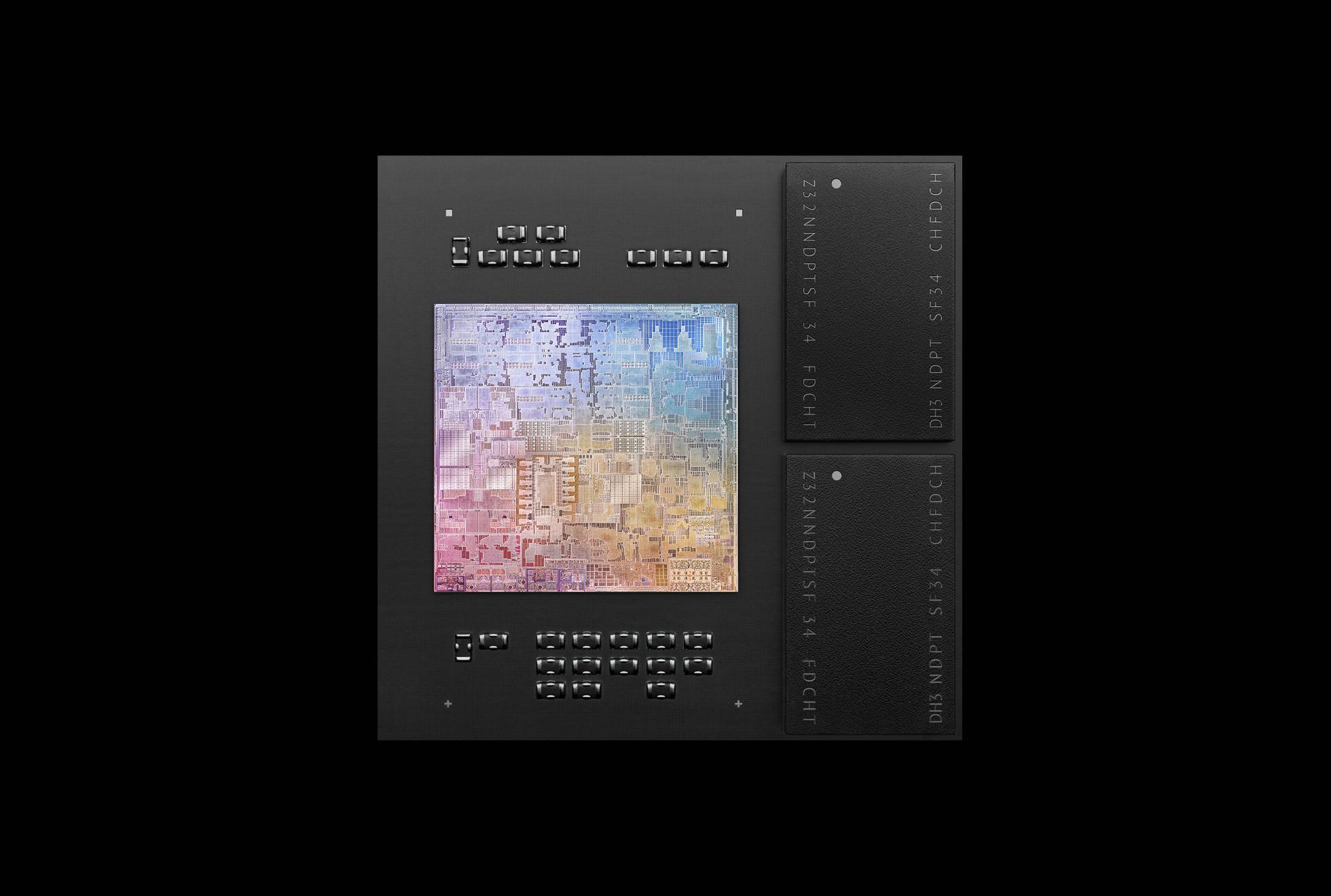
TSMC is progressing with the development of 2nm and 1.4nm chips for future Apple silicon, with trial production of the 2nm node set to begin in the second half of 2024 and small-scale production in the second quarter of 2025. Apple is expected to adopt these new chip technologies, with historical trends showing advanced chip designs appearing in iPhones before moving to other Apple devices. The M1 series of Apple silicon chips is based on the A14 Bionic and uses TSMC's N5 node, while the M2 and M3 series use N5P and N3B, respectively. Each successive TSMC node surpasses its predecessor in terms of transistor density, performance, and efficiency.

technology1 year ago

"Apple Silicon Vulnerability Exposes Cryptographic Keys in Unfixable CPU Exploit"

A new side-channel vulnerability, dubbed GoFetch, has been discovered in the architecture of Apple Silicon processors, allowing malicious apps to extract cryptographic keys. The issue stems from how processors equipped with data memory-dependent prefetchers implement certain cryptographic operations, mixing data and addresses at the hardware level. The vulnerability affects Apple Silicon chips and 13th generation and newer Intel architectures. The researchers were able to mount end-to-end attacks on Apple hardware containing M1 processors and found similar exploitable behavior in base-model M2 and M3 Apple Silicon CPUs. Disabling the vulnerable feature may seriously degrade performance, and the only alternative fix is to rely on third-party cryptographic programs to improve their implementations.

technology2 years ago

"Advancing Electronics: 2D Route to 3D Integration"

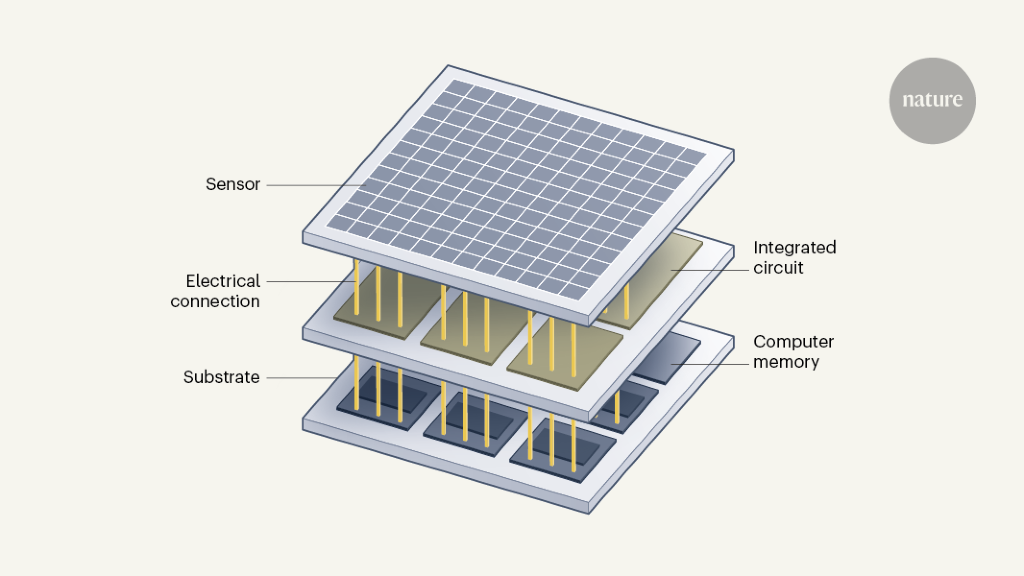
Researchers have demonstrated the feasibility of building 3D computer chips from 2D semiconductors, addressing the limitations of silicon-based chips as devices become more powerful. The use of ultrathin layers of non-silicon semiconductors presents a promising solution to the challenges faced by the semiconductor industry, offering a potential pathway for the development of more advanced and efficient electronic devices.

technology2 years ago

Inside Apple's Silicon Lab: A Rare Glimpse into the Tech Giant's Innovation Hub [Video]

A new report and video from CNBC provide an inside look into Apple's silicon lab and the team working on Apple Silicon. Apple executives, including John Ternus and Johny Srouji, discuss the company's in-house technology development, the benefits of optimizing chips for their own products, and the success of Apple Silicon in devices like the MacBook Air. While Apple is reportedly working on making its own 5G modems, Srouji remains focused on building the best products and technology, even if it means buying off-the-shelf components.

science-and-technology2 years ago

"Mastering Friction: Unleashing Control at All Scales"

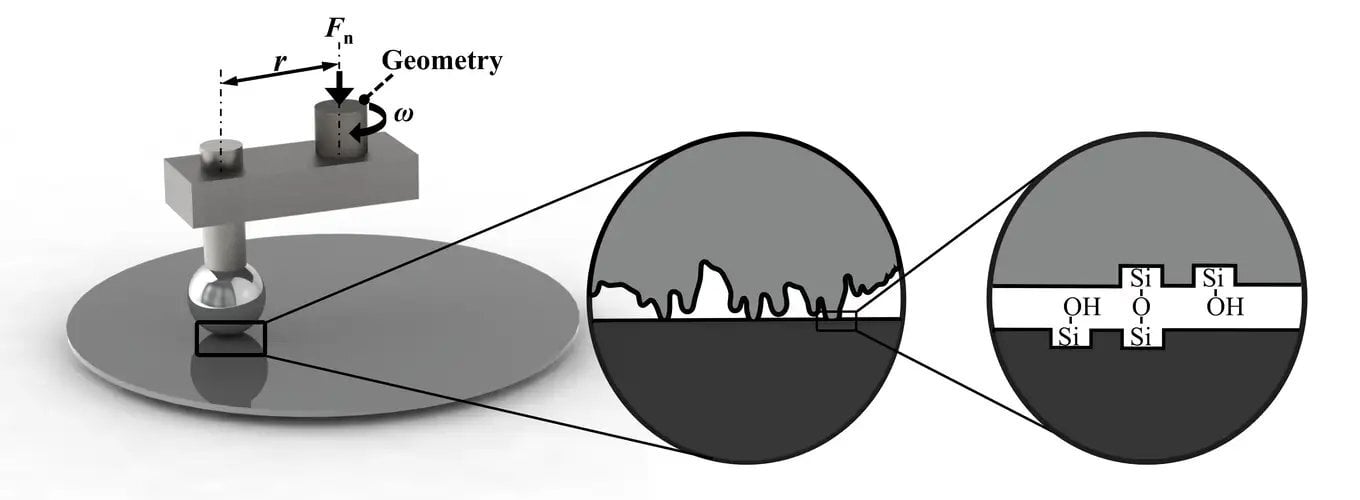
New research demonstrates that the amount of friction between two silicon surfaces, even at large scales, is determined by the forming and rupturing of microscopic chemical bonds between them. This discovery opens up possibilities for controlling friction using surface chemistry techniques, which could have significant implications for reducing energy consumption, material wear, and increasing positioning precision in machinery.

technology2 years ago

Apple's M3 Lineup: A Game-Changer for Mac Users

Apple has announced its new M3 processing platform, which will be featured in the 2023 iMac and MacBook Pro models. The 24-inch iMac, starting at $1,299, will exclusively use the M3 chip, while the more powerful M3 Pro and M3 Max chips will be available in the updated MacBook Pro models. The design of the iMac remains the same, with a slim all-in-one display and a range of color options. The display technology and resolution also remain unchanged, but the new iMac features Wi-Fi 6E, Bluetooth 5.3, and up to four USB Type-C ports. The M3 chip offers improved performance with eight processing cores and eight GPU cores, with the option to upgrade to a more powerful configuration. The base model of the 2023 iMac starts at the same price as the previous model, with additional customization options available.