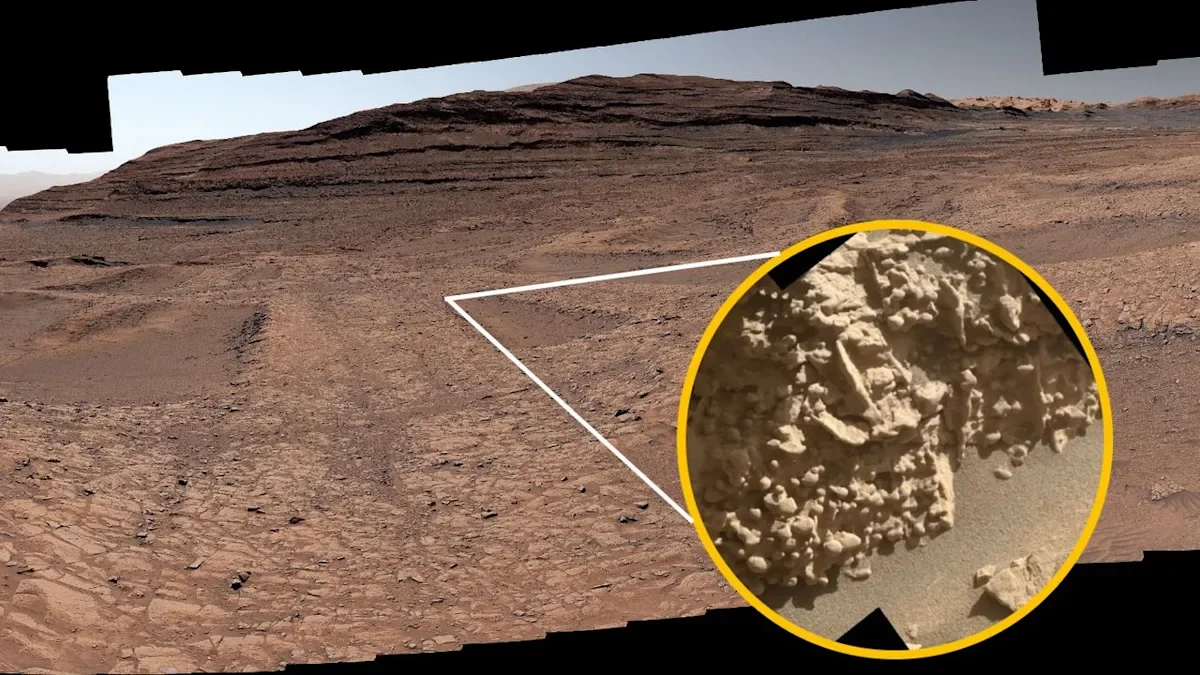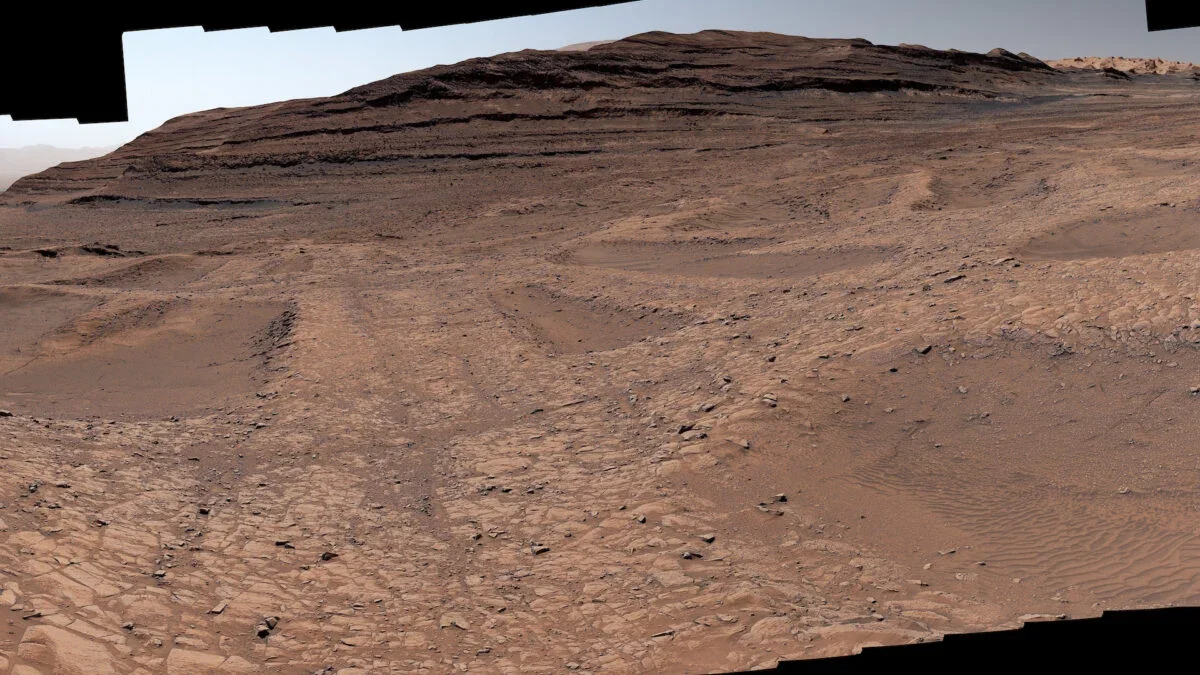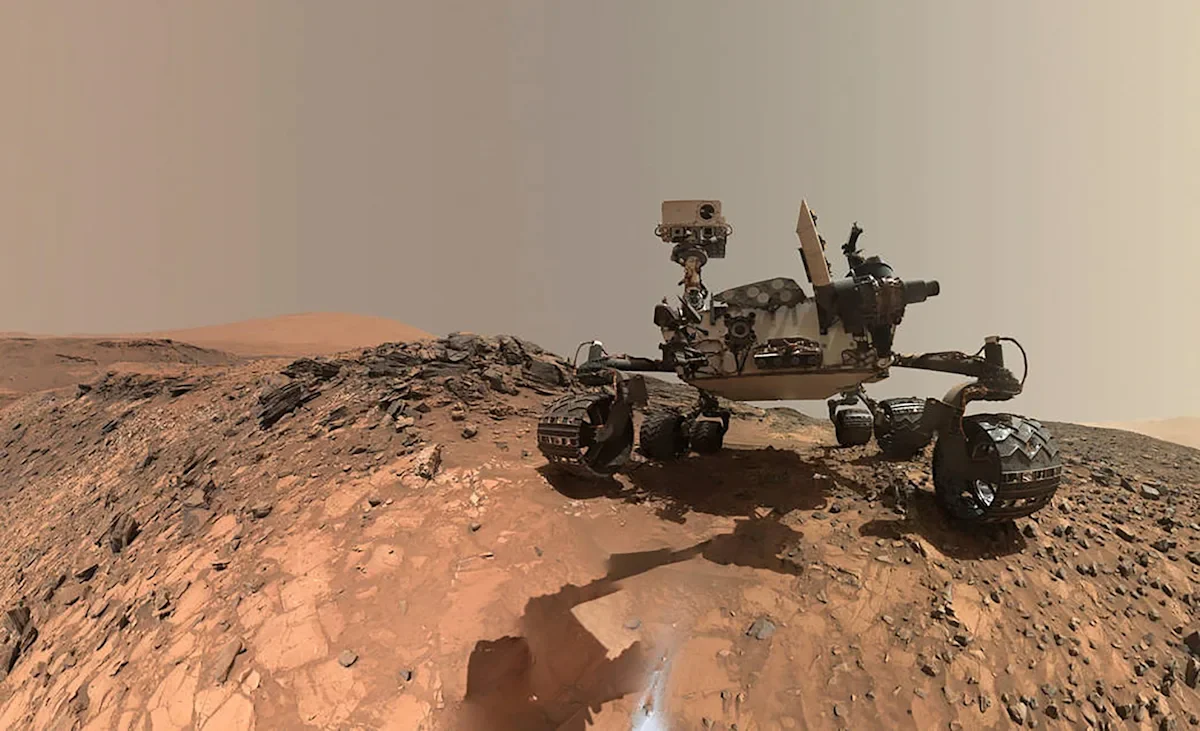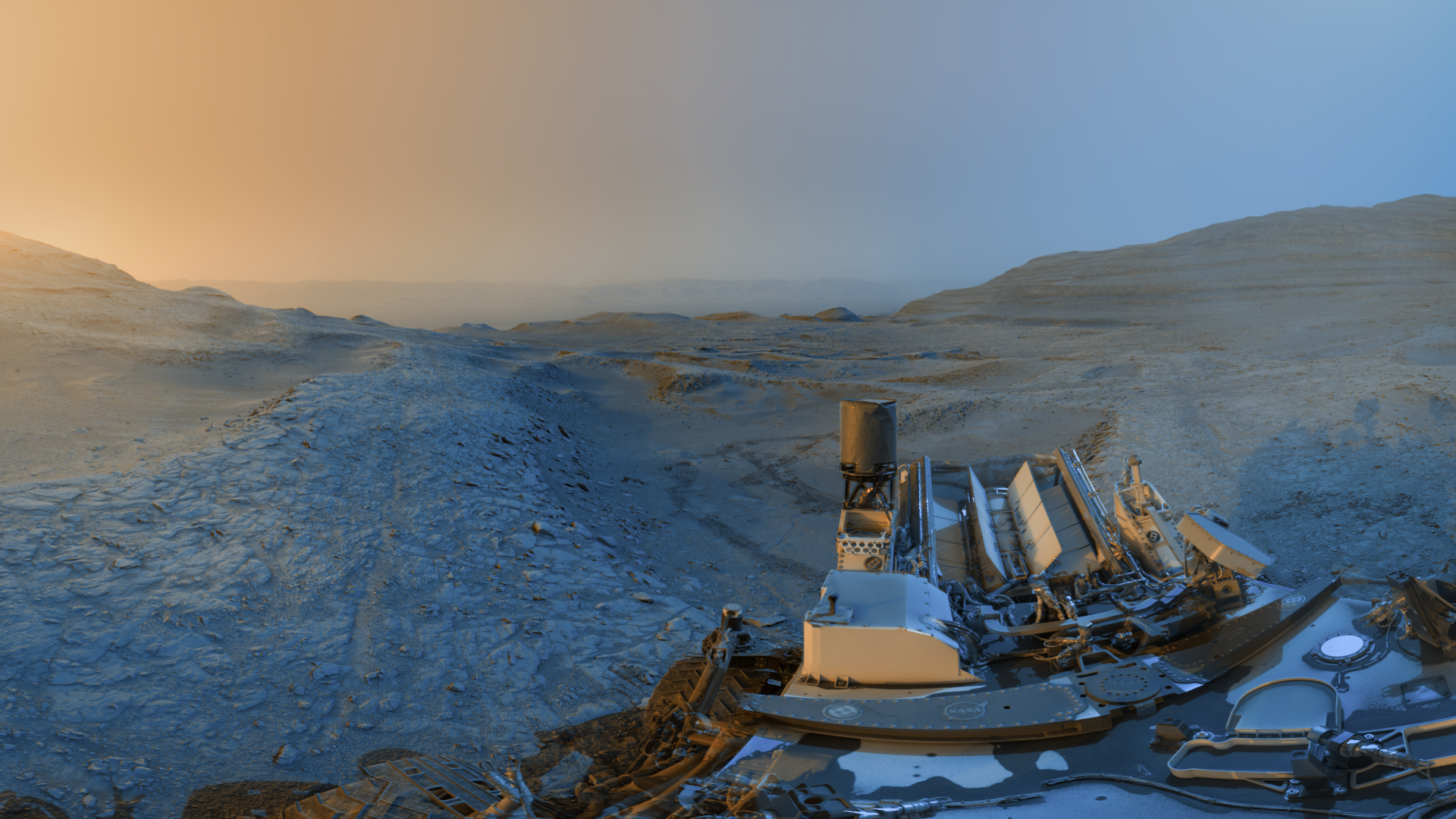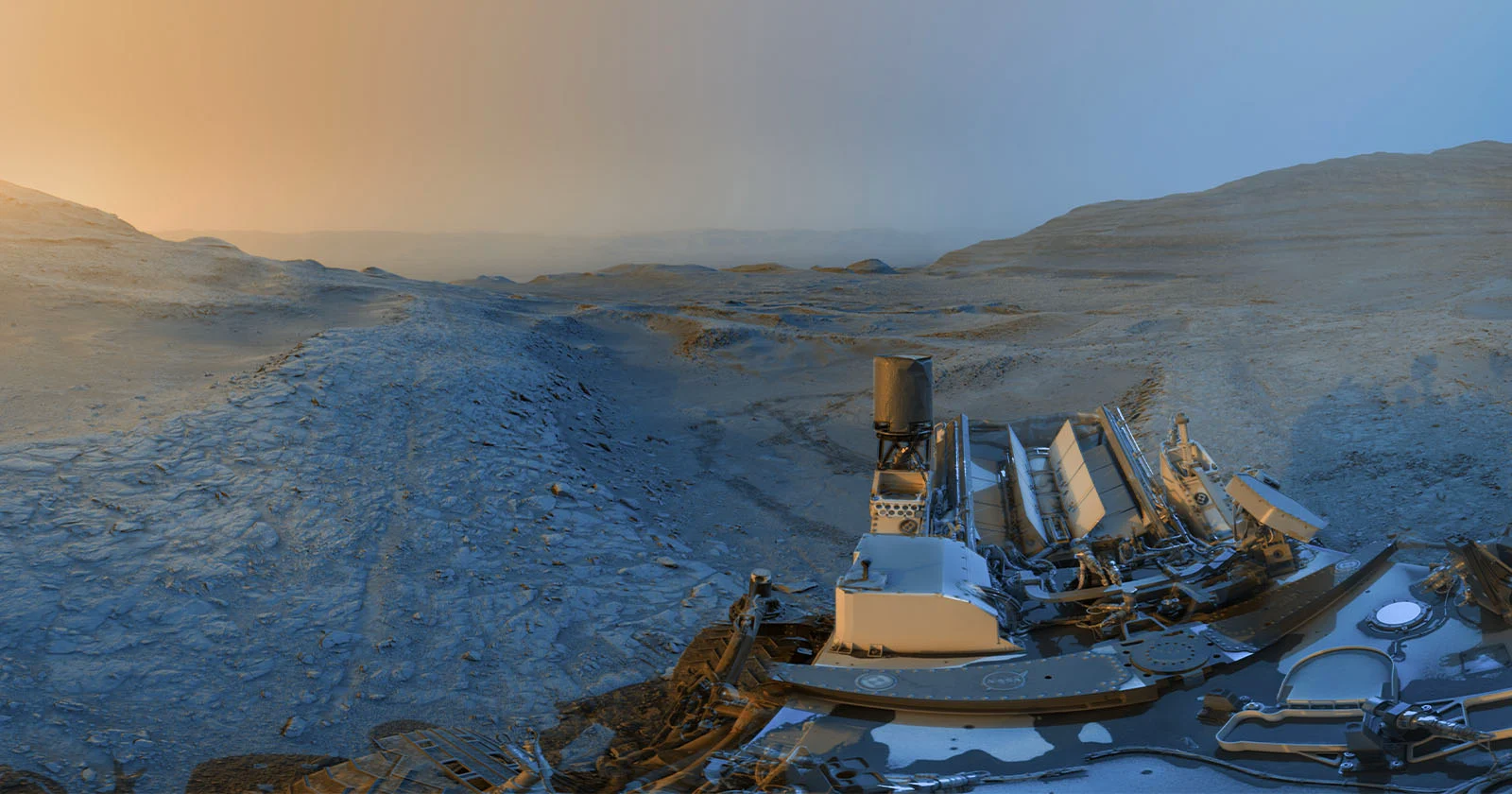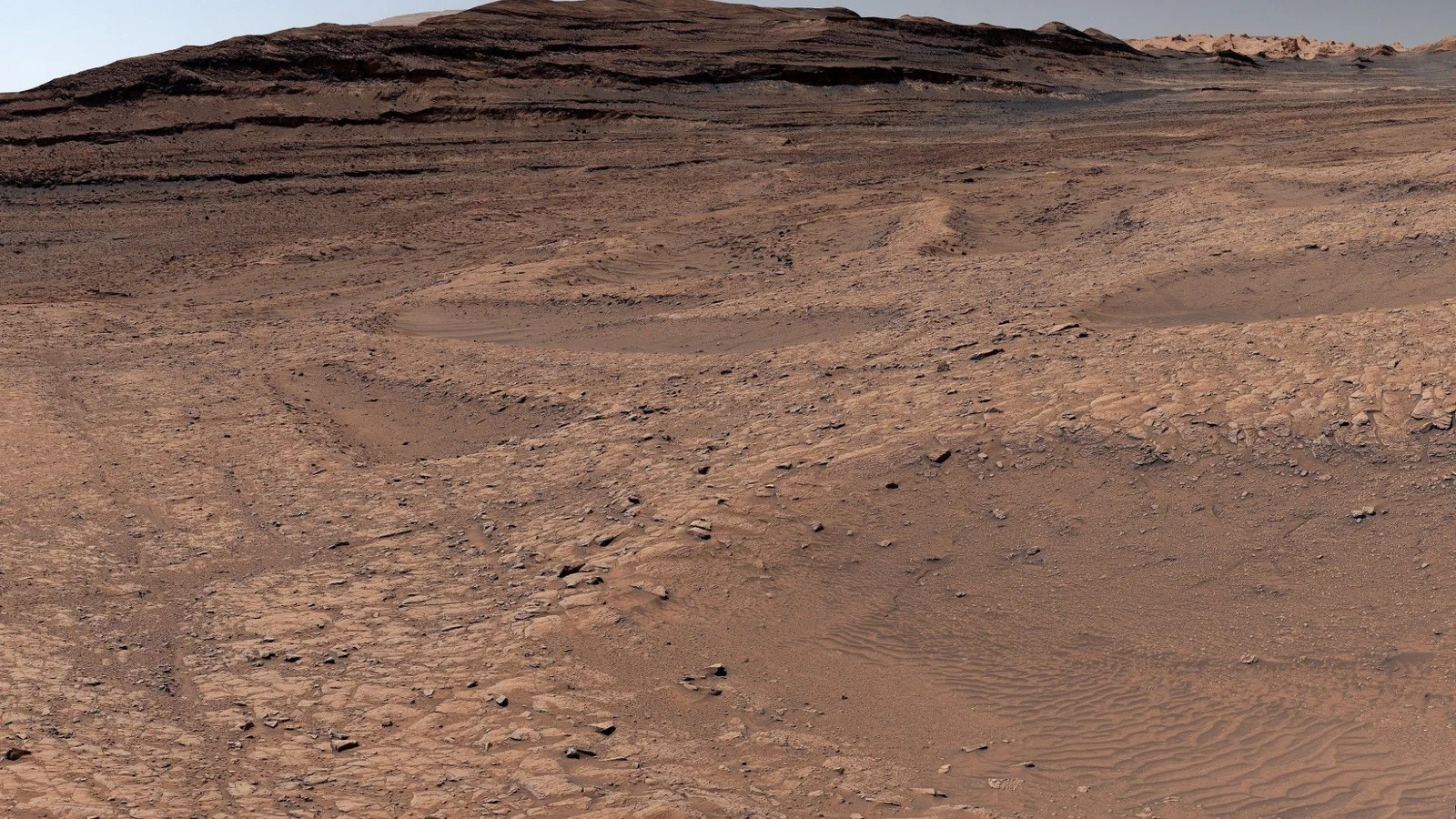
NASA's Curiosity rover captured a stunning panoramic view from Mount Sharp on Mars, highlighting ancient water-related geological features and continuing its scientific mission after over a decade on the planet.
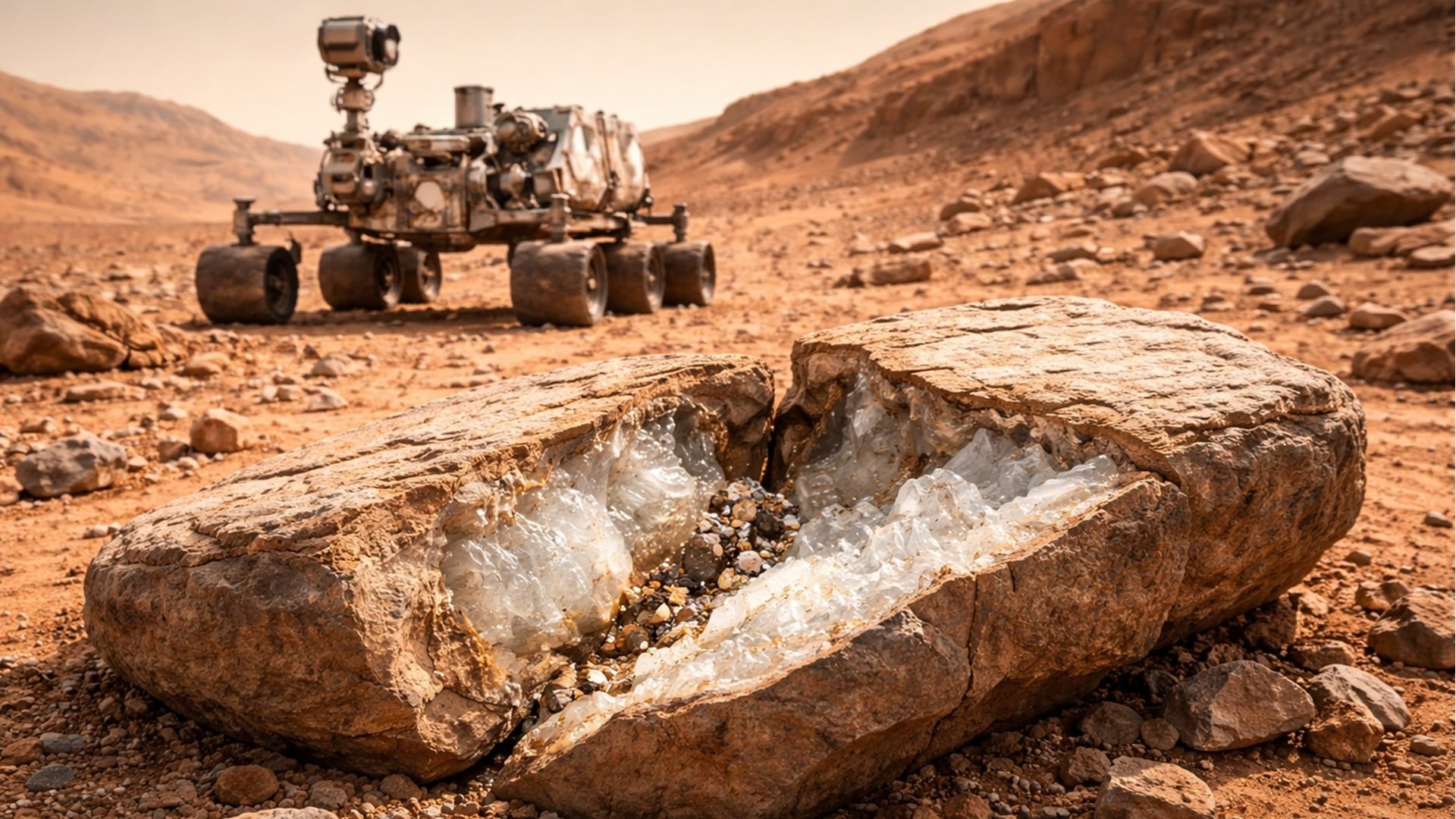
NASA's Curiosity rover accidentally discovered pure sulfur crystals in a Martian rock, challenging previous understanding of Mars' geological history and suggesting complex environmental conditions, with future investigations planned in a region with underground mineral formations.
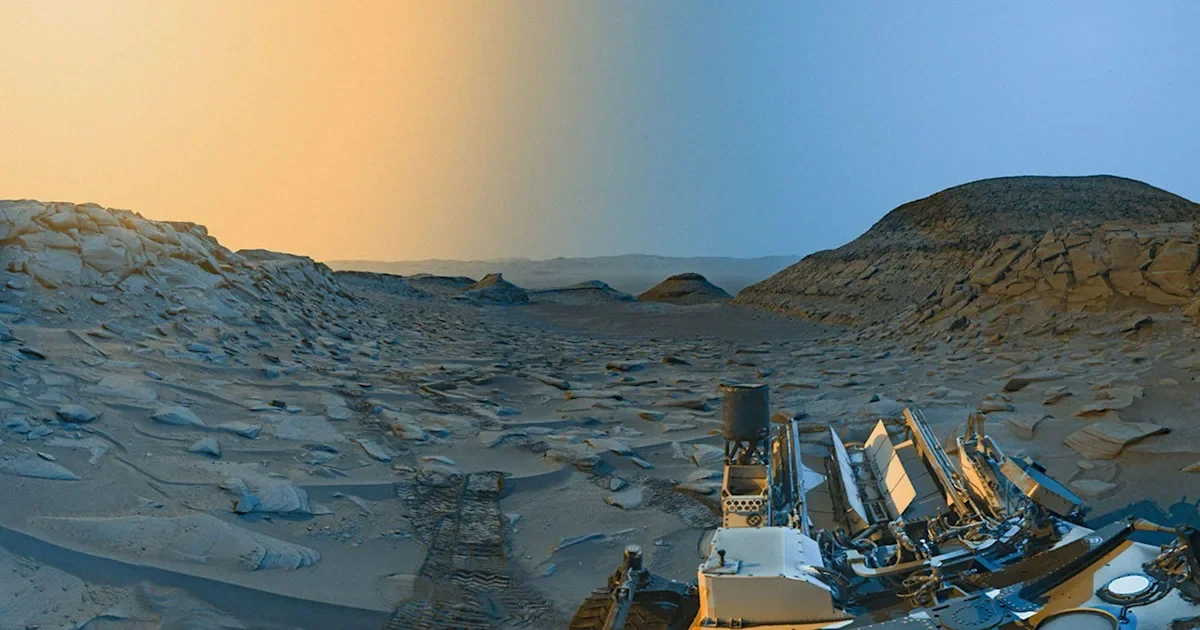
NASA's Curiosity rover created a panoramic 'postcard' of Mars by combining images taken at different times of day, revealing the planet's geological features and its watery past, with artistic color enhancements to highlight the scene.
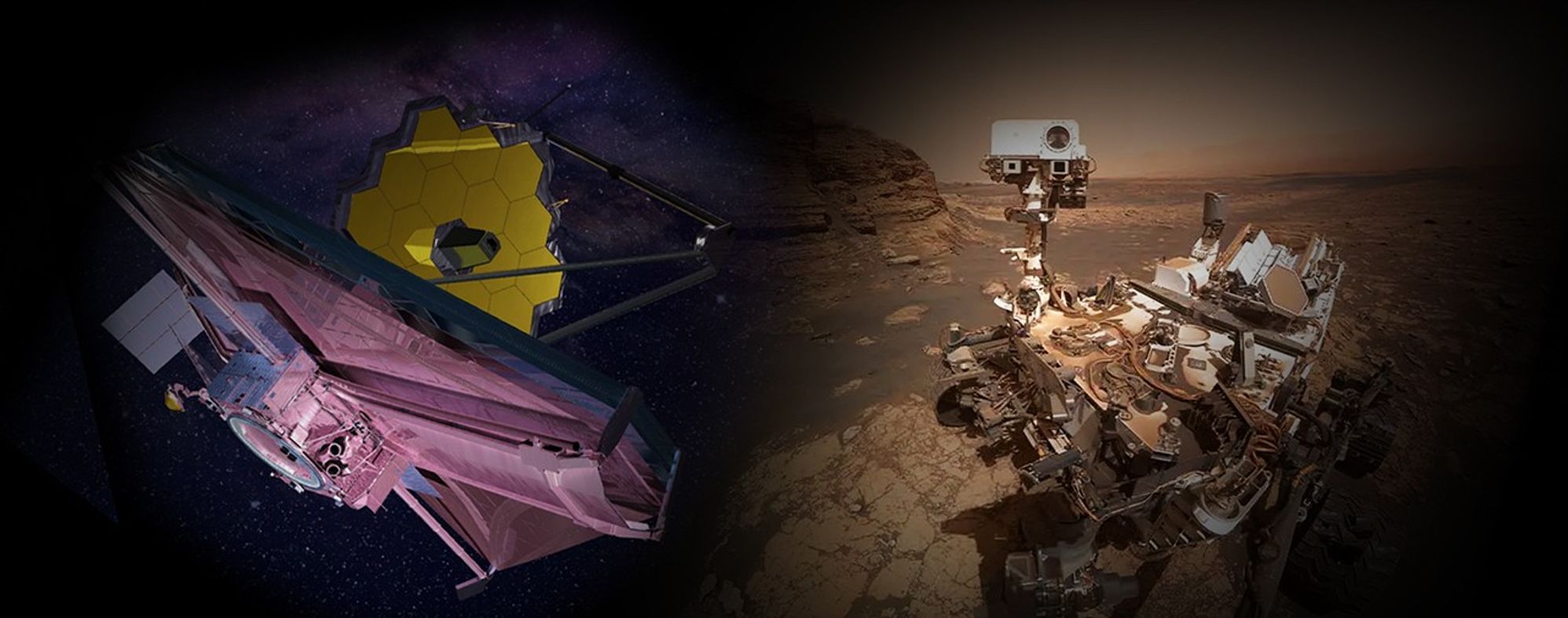
NASA's James Webb Space Telescope and Curiosity rover have been inducted into TIME's 'Best Inventions Hall of Fame' for their groundbreaking contributions to space exploration and understanding the universe, highlighting their global impact over the past 25 years.
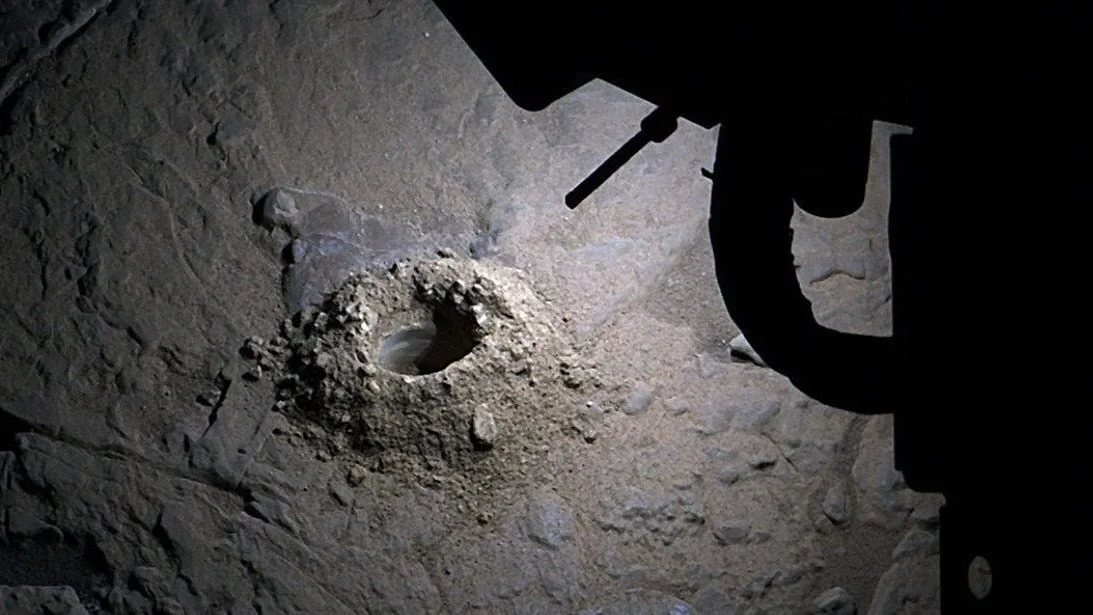
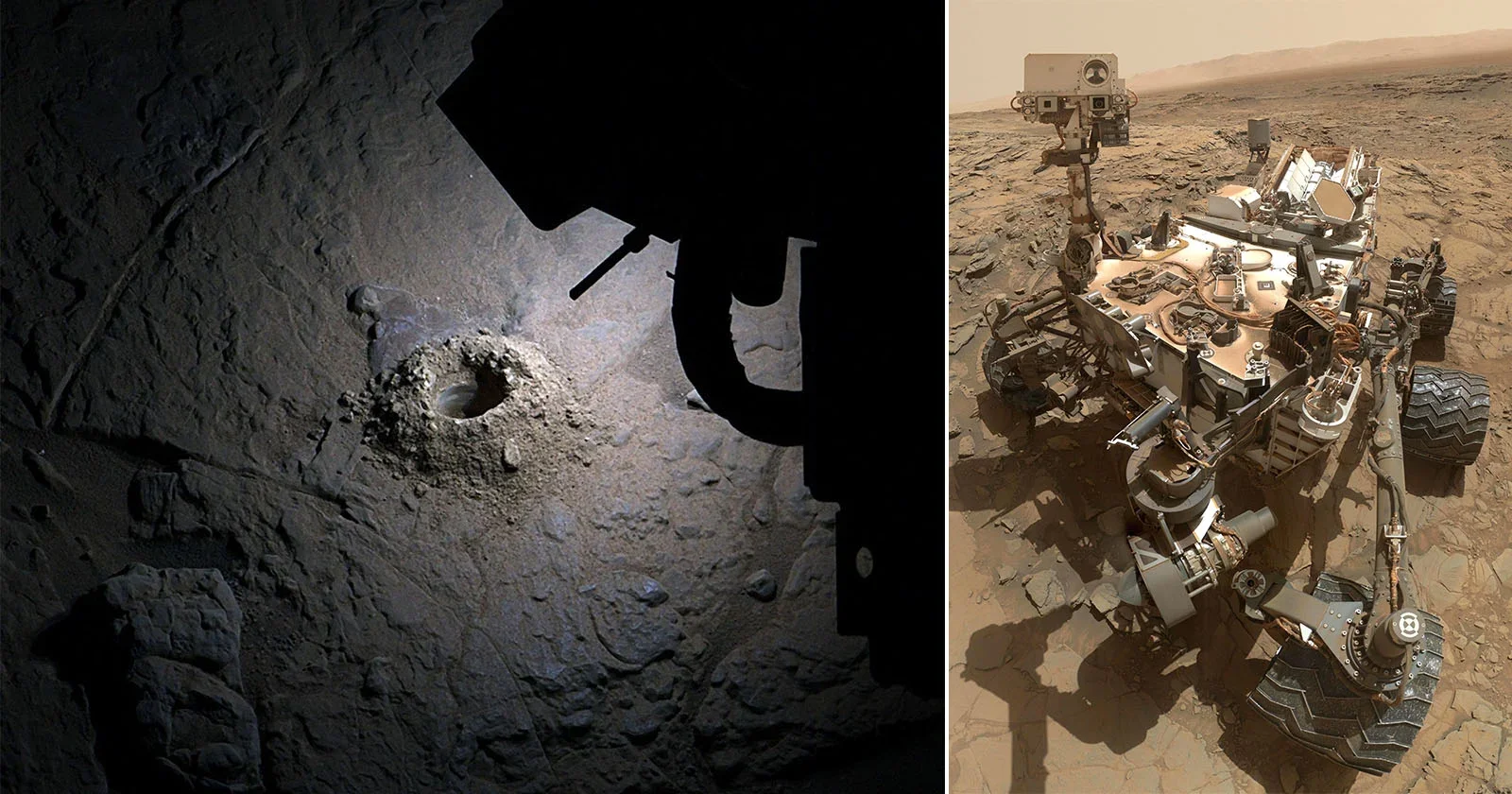
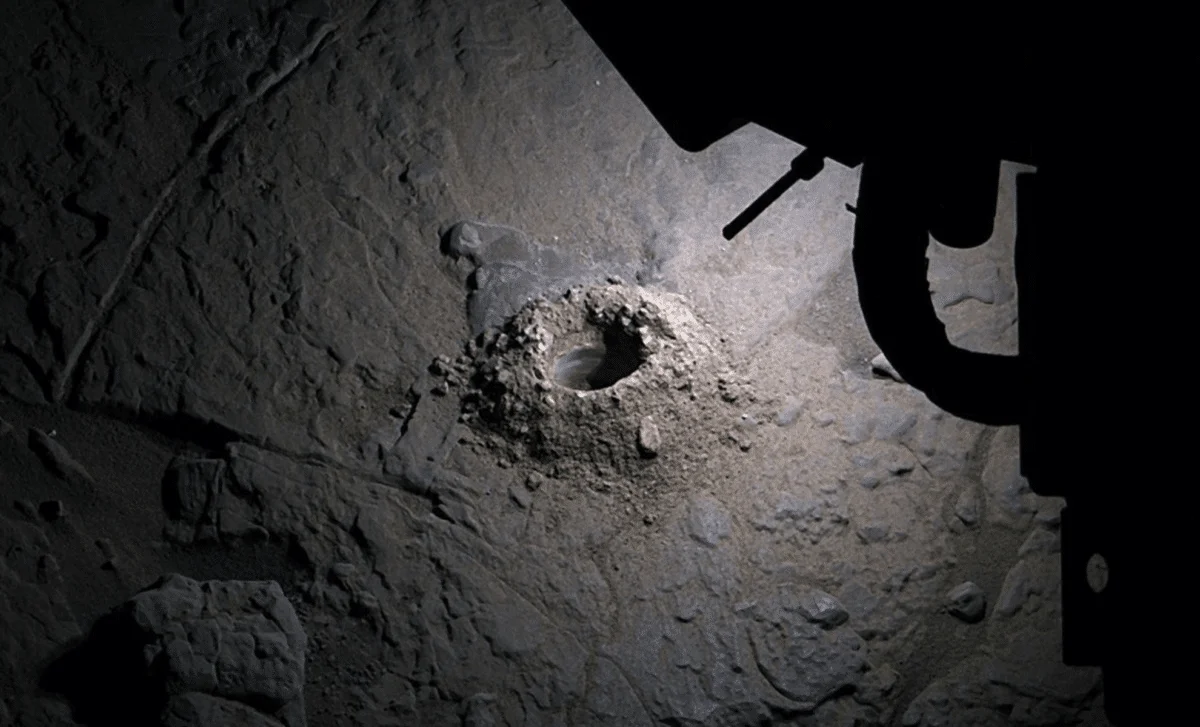
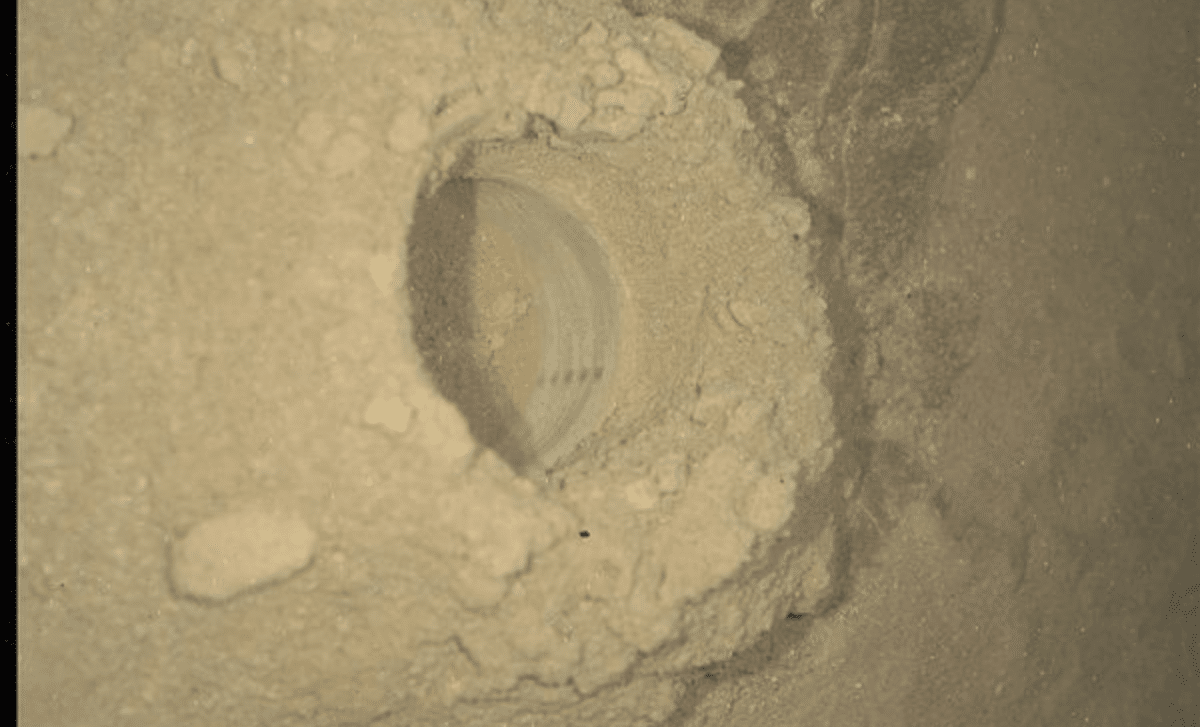
NASA's Curiosity rover has made significant progress in Mars exploration, including creating a detailed 360-degree panorama of the Nevado Sajama site, analyzing organic compounds in drilled samples, and returning to nighttime imaging of drill holes, all while preparing for future investigations before the holiday break.
NASA's Curiosity rover has made unprecedented discoveries in Gale Crater, revealing complex mineral patterns and geological features that suggest Mars once had conditions suitable for life, and is now entering a new autonomous exploration phase to study previously unexamined regions.
NASA's Curiosity rover discovered pure elemental sulfur in a Martian rock, a surprising find that suggests unknown geological processes, and continues to explore the ancient waterway of Gediz Vallis, revealing new insights into Mars's history and potential habitability.
A study analyzing oxygen isotopes in rocks sampled by NASA's Curiosity Rover suggests that 3.7 billion years ago, Gale Crater on Mars had a warm, dry environment with significant evaporation, providing insights into the planet's past habitability and water cycle.
NASA's Curiosity rover has captured images of intriguing 'boxwork' terrain on Mars near Mount Sharp, which may have formed from mineral-rich fluids and erosion, providing clues about Mars' watery past and potential habitability.
NASA's Curiosity rover captured images of an intersection of three ridges on Mars, called 'Ayopaya,' within Gale Crater, revealing ancient water flow patterns and providing insights into Mars's environmental history and potential past habitability.
NASA's Curiosity rover has reached a stable and scientifically valuable location in Gale Crater on Mars, enabling detailed analysis of ancient water-related mineral formations and geological fractures that could reveal insights into Mars' past climate and water history. The rover is now conducting high-resolution imaging and chemical analyses, preparing for autonomous exploration and atmospheric studies to better understand the planet's habitability and environmental conditions.
NASA's Curiosity rover recently captured images of rocks in Gale crater on Mars that resemble fossilized coral, but scientists believe they are shaped by wind erosion rather than being actual fossils, providing insights into Mars' geological history and past water activity.
NASA's Curiosity rover has discovered rock formations on Mars that resemble fossilized eggs or dinosaur nests, offering clues about the planet's ancient environment and potential habitability. The region, known as The Boxworks on Mount Sharp, contains unique mineral-rich structures that record Mars' geological history and water activity, raising questions about past life possibilities.
This week’s top science images include the 13th anniversary of NASA's Curiosity rover on Mars, the preservation of ancient Siberian tattoos, a massive private library in India, a SpaceX launch to the ISS, and the discovery of new truffle species with the help of sniffer dogs.
NASA's Curiosity Rover has discovered a coral-shaped rock on Mars, estimated to be billions of years old, which suggests past water activity and potential habitability on the planet. The rock's unique shape was formed by mineral deposits and wind erosion over billions of years, providing insights into Mars' geological history.