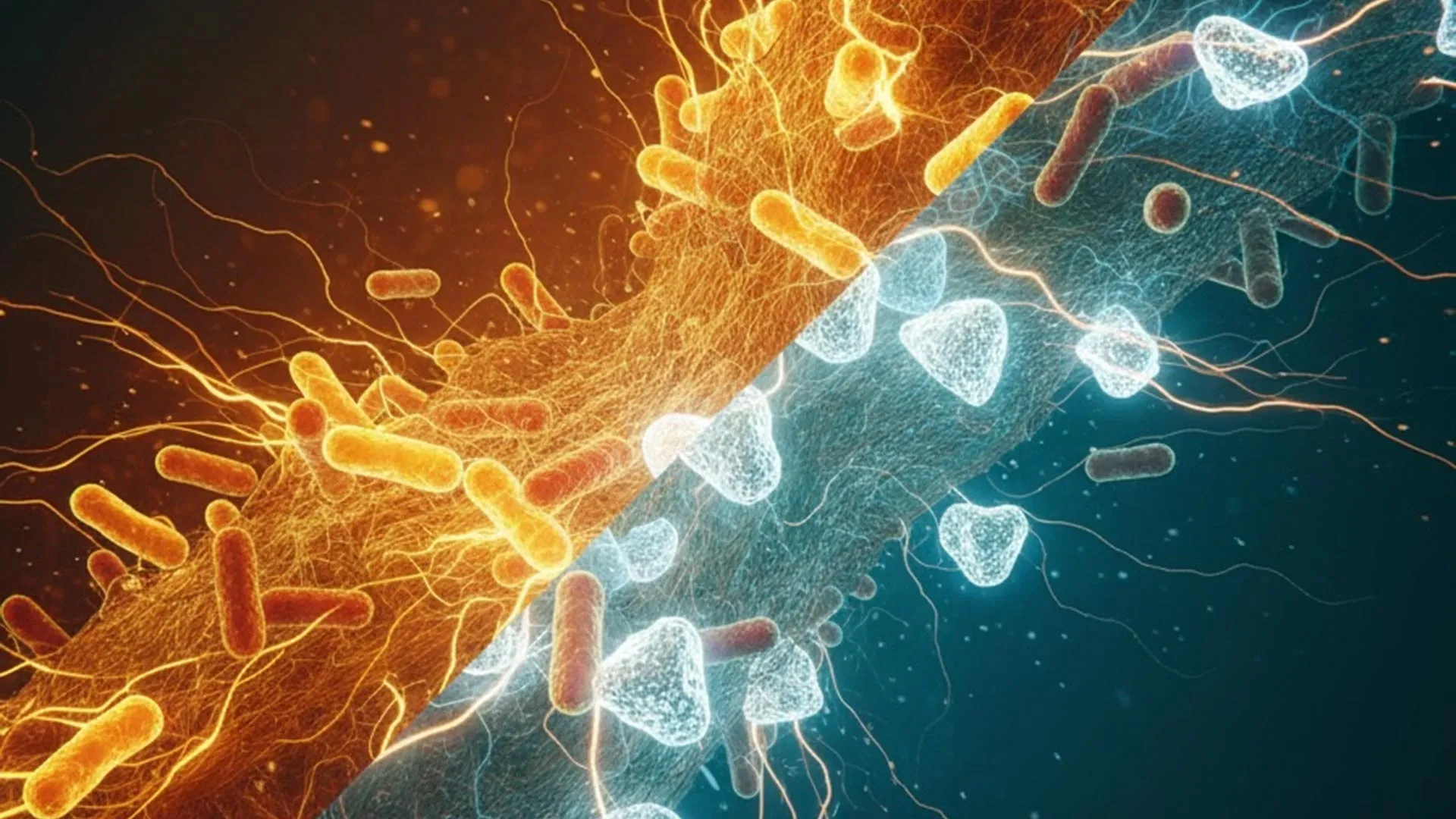
UKHSA says 59 confirmed Burkholderia stabilis infections, including one death, are linked to non-sterile wet wipes and is urging the public to stop using them and dispose of affected brands to prevent further cases.
The UK Health Security Agency (UKHSA) has urged the public to stop using non-sterile alcohol-free wipes in response to a Burkholderia stabilis outbreak that has 59 confirmed cases and one death; authorities also named four brands to avoid and dispose of immediately as a precaution.
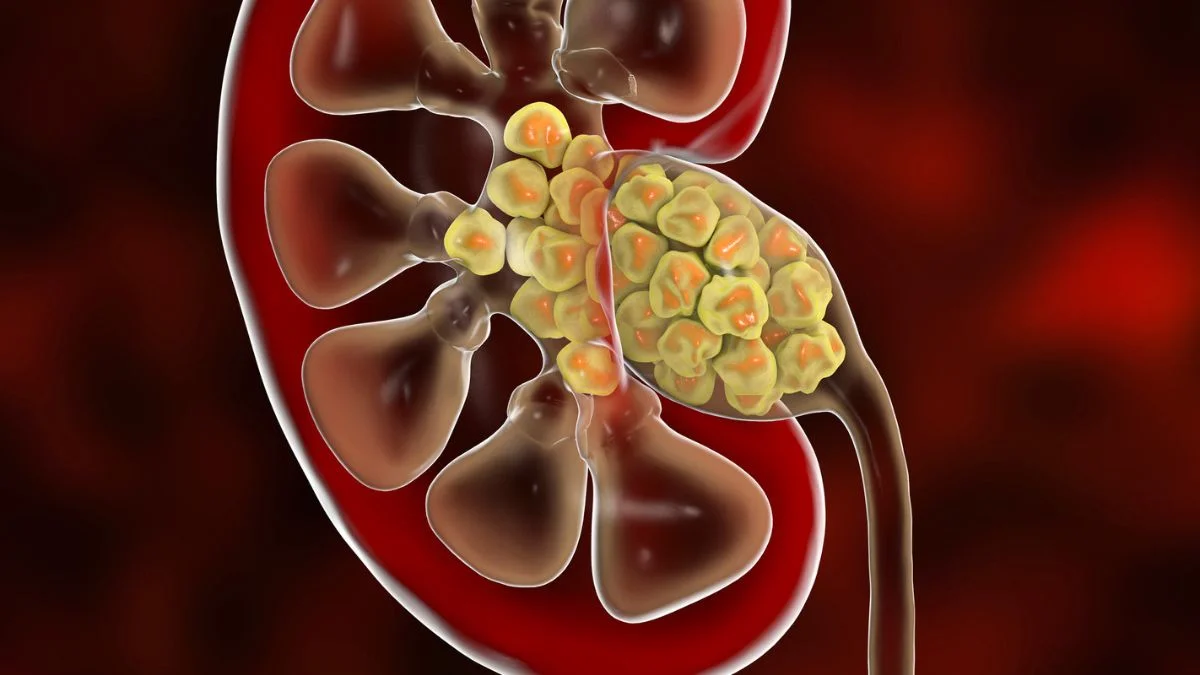
A UCLA-led study finds calcium oxalate kidney stones harbor bacteria and even internal biofilm, suggesting microbes may contribute to stone formation rather than stones forming purely by chemistry. This challenges the view that stones are noninfectious and implies infections in the kidney, ureter, or bladder could drive recurrence; targeting the microbial environment may reduce future stones. Findings come from electron and fluorescence microscopy of human stones and were published in PNAS (2026).
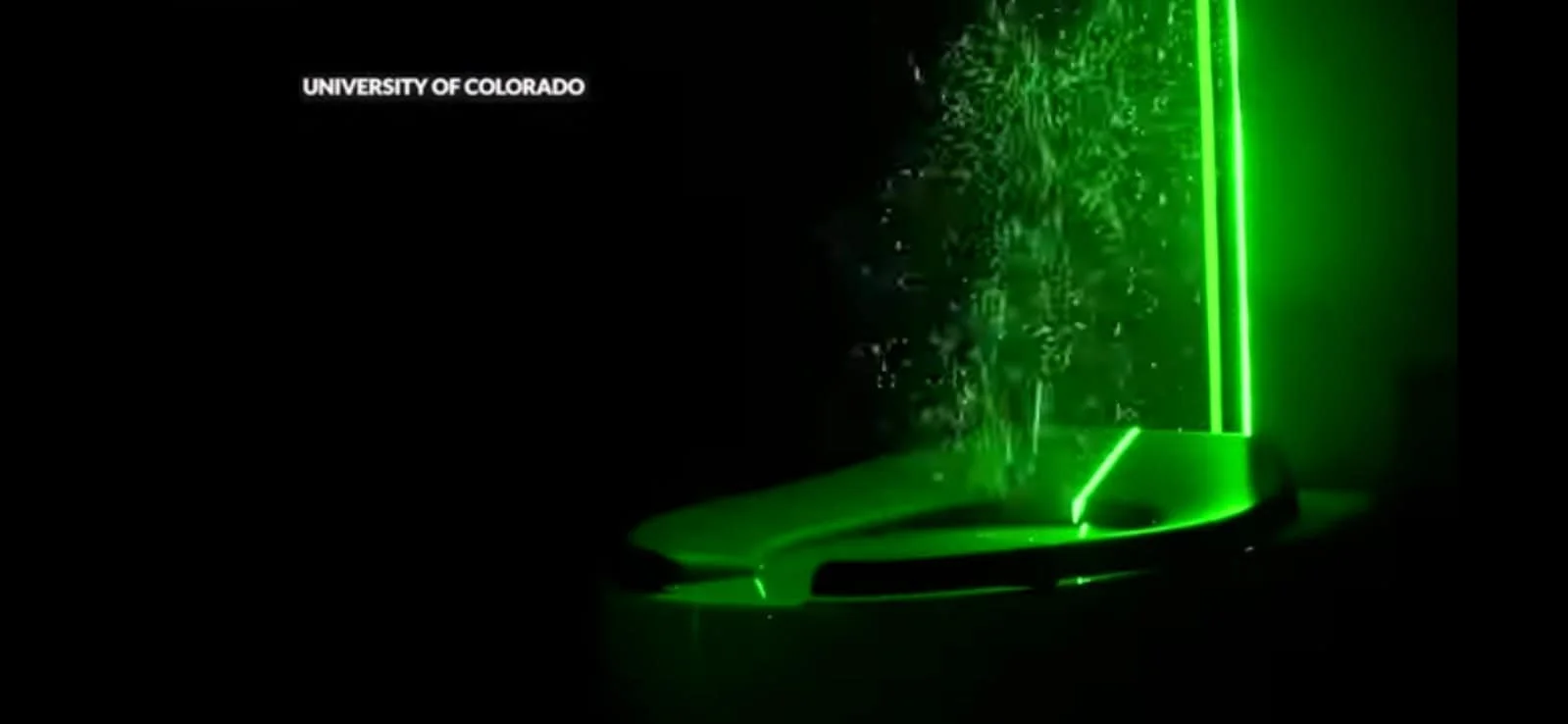
Flushing toilets creates toilet plumes that spread aerosols in the bathroom, and toothbrushes can collect these droplets and harbor biofilms. Studies show common brushes in communal bathrooms carry fecal bacteria, though oral microbes from the user can outcompete some contaminants; closing the lid doesn’t fully prevent spread and covers can trap moisture, promoting other pathogens. The recommended defenses are chemical disinfection or soaking, regular toothbrush replacement, and keeping brushes far from the toilet (ideally in a drying cabinet). Upgrading to vacuum toilets would help, but for now the goal is reducing cross-contamination rather than achieving sterility.
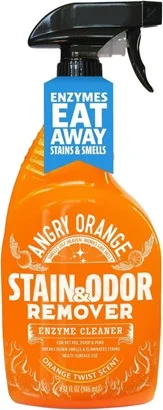
Thrasio is recalling Angry Orange Enzyme Stain Removers after detecting potential bacterial contamination, including Pseudomonas aeruginosa. About 1.5 million units in the U.S. (roughly 43,700 in Canada) sold from 2019–2025 are affected. Consumers should stop using the recalled products and obtain a full refund by emailing a photo of the product marked with “recalled” and their initials; dispose of the product in household trash without emptying it. No injuries have been reported. The products were sold at major retailers and online. Recall date: January 22, 2026.
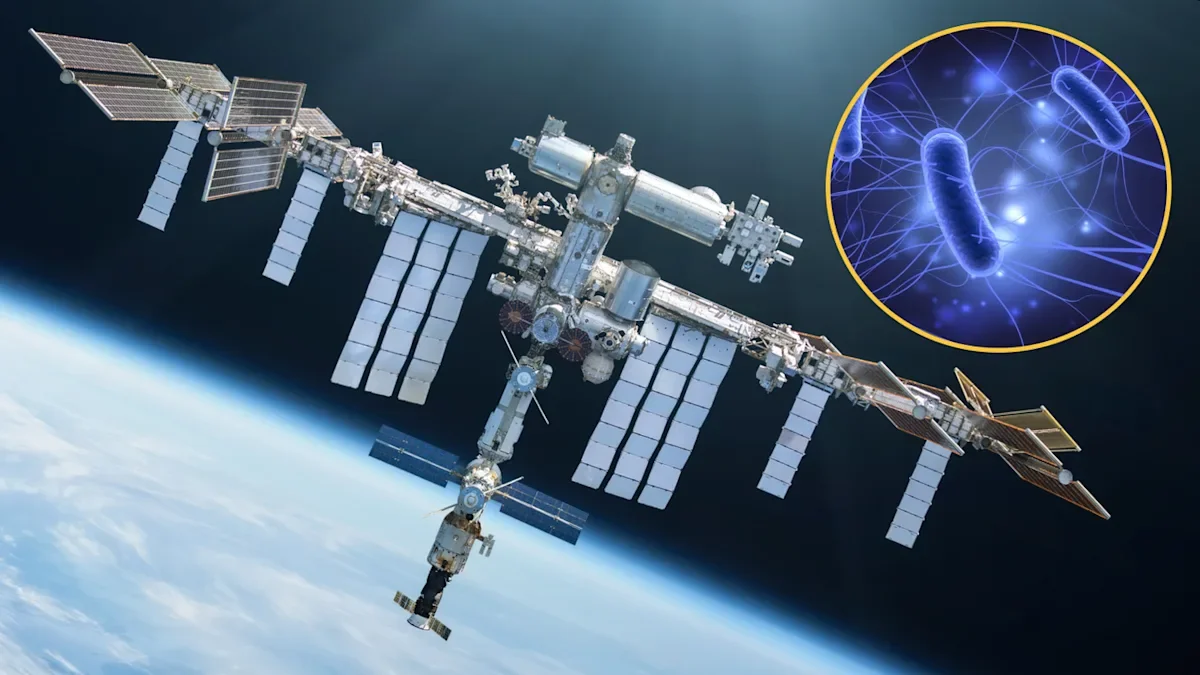
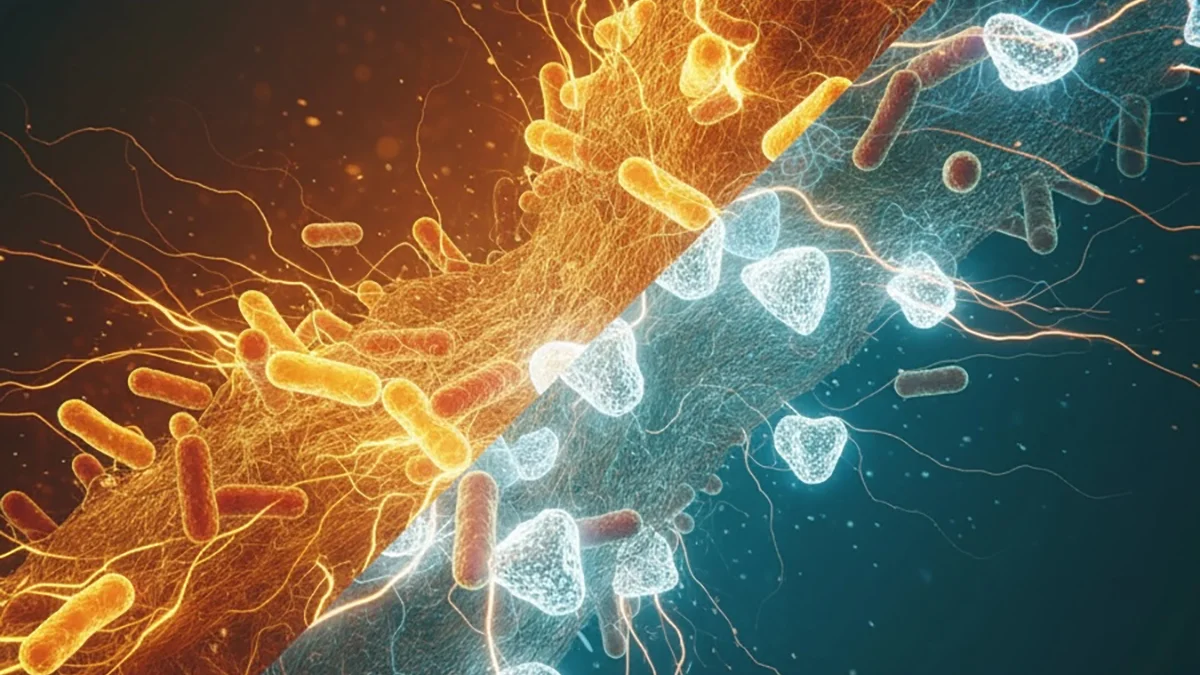
Researchers comparing E. coli infected with the T7 phage aboard the International Space Station to Earth controls found microgravity altered infection dynamics and drove space-exposed bacteria and phages to accumulate distinct mutations. The ISS-evolved phages developed changes in receptor-binding proteins that improved their ability to infect bacteria, and when tested back on Earth they showed increased activity against common urinary tract infection–causing E. coli strains, suggesting space conditions could inform future phage therapies despite practical costs.
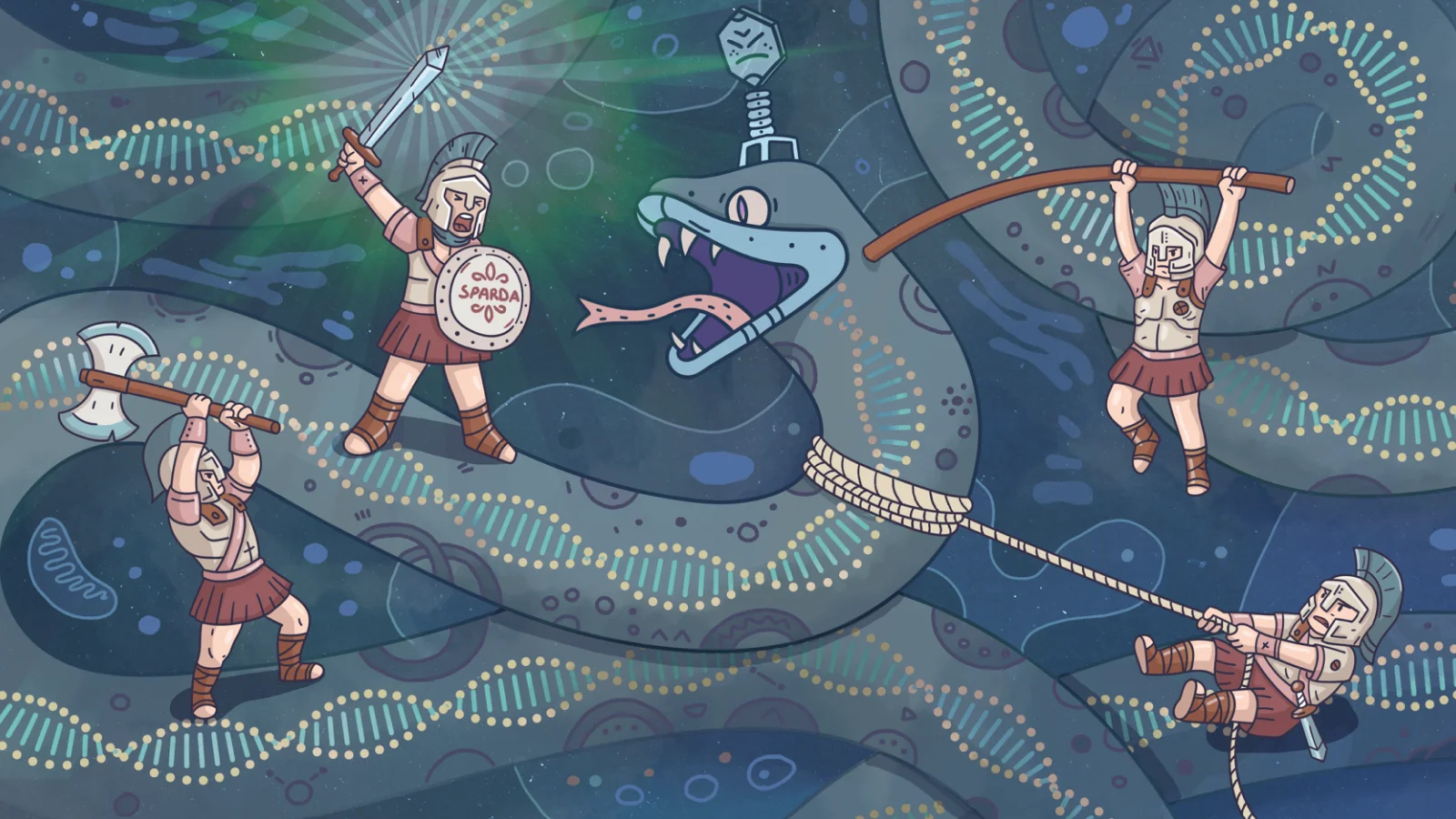
Live Science reports on SPARDA, a kamikaze-like bacterial defense system that sacrifices infected cells to prevent the spread of invaders. Scientists mapped SPARDA’s beta-relay switches in argonaute proteins with AlphaFold, revealing a self-destruct mechanism that activates in response to threats and can form DNA‑degrading chains. While SPARDA naturally guards bacteria, researchers see potential to repurpose it for diagnostics and other biotech tools, offering a CRISPR‑alternative route that could broaden target flexibility in detecting pathogens.
New research suggests that disrupting bacterial communication in the mouth through quorum sensing inhibitors could promote beneficial bacteria and reduce the risk of tooth decay and gum disease, offering a potential new approach to oral health management.
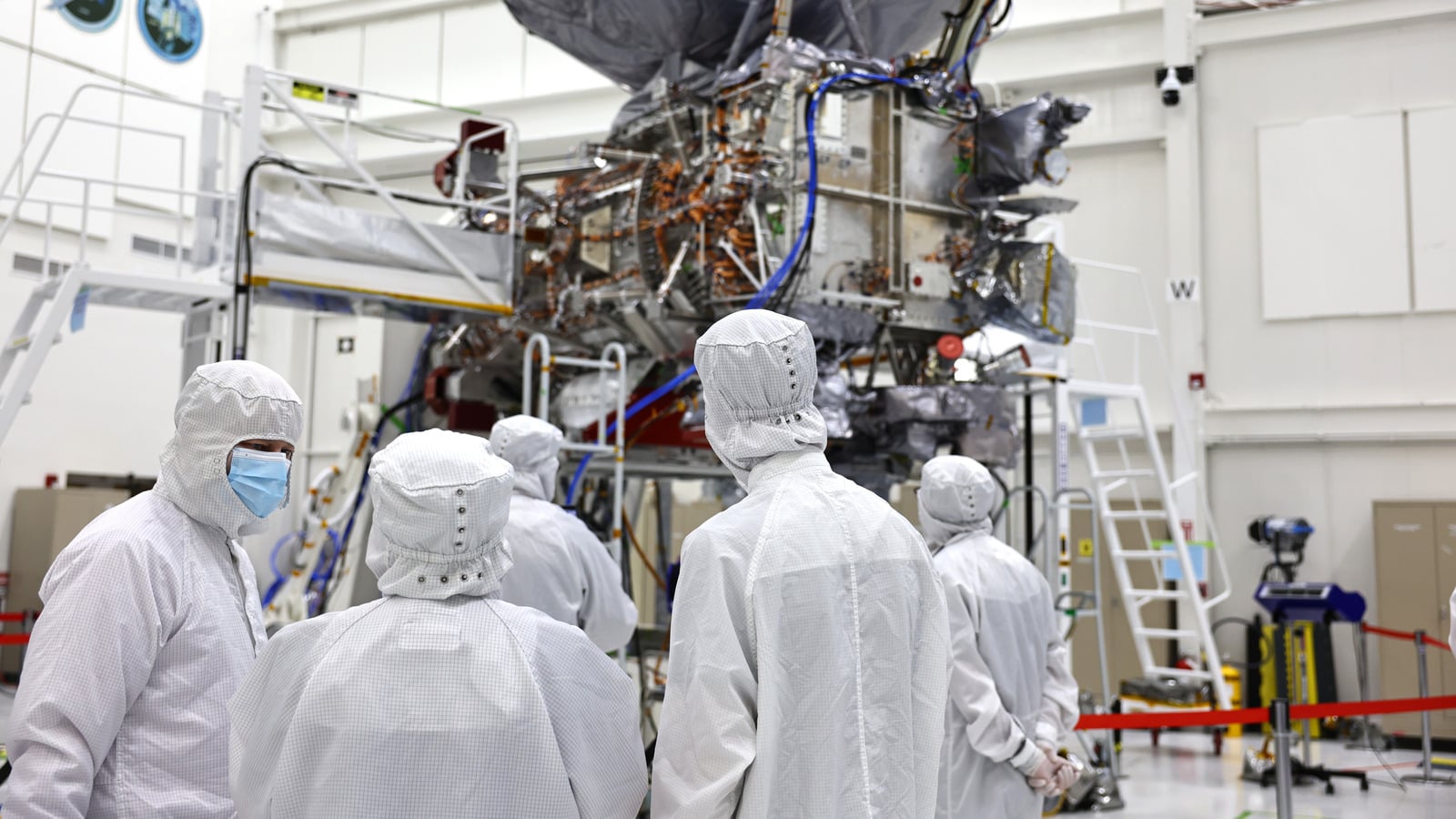
Scientists discovered 26 new bacteria species in NASA's cleanrooms, which could potentially survive space travel and contaminate Mars, raising concerns about planetary protection and the search for extraterrestrial life.
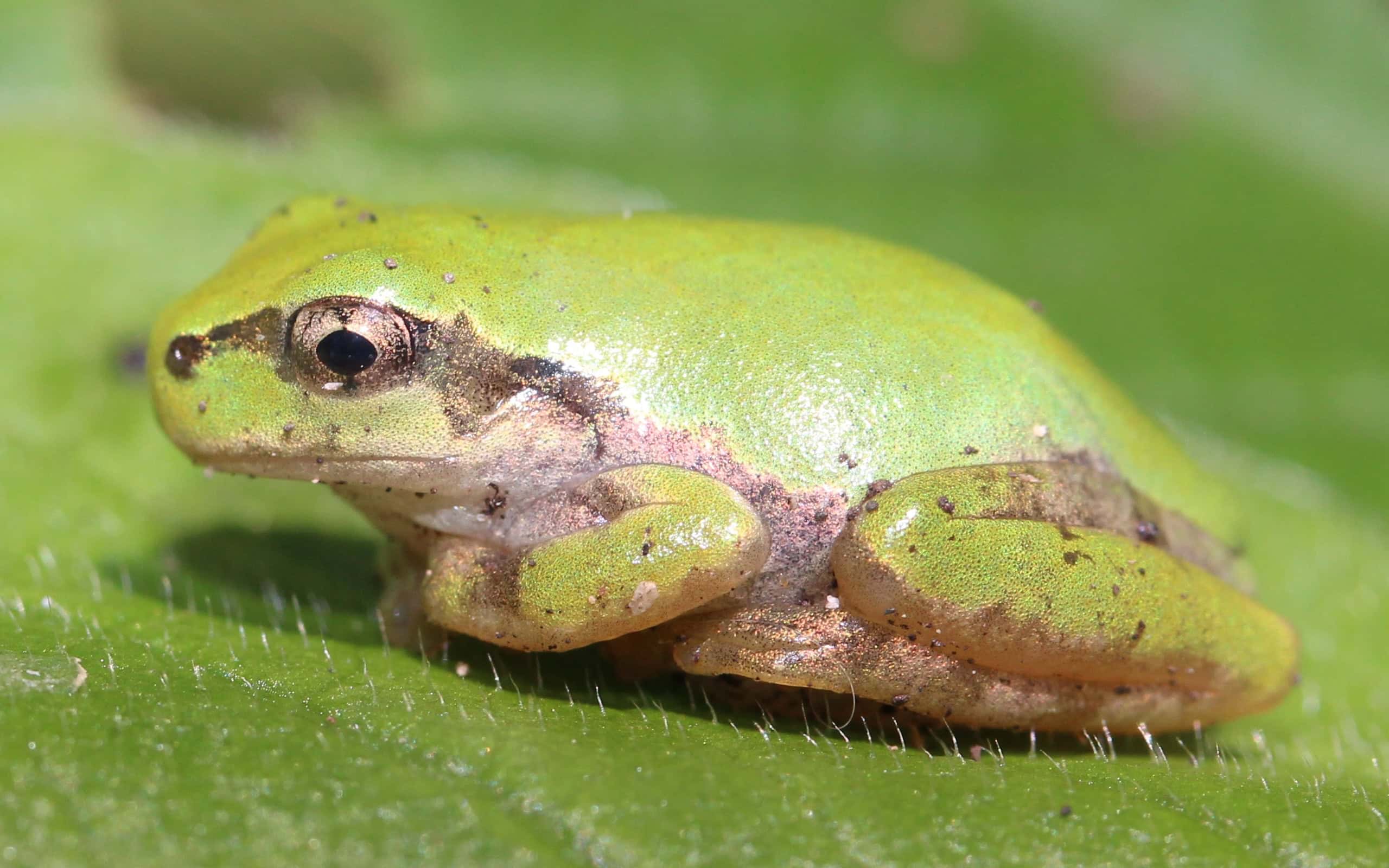
Scientists discovered that bacteria from the Japanese tree frog, Ewingella americana, can shrink and eliminate tumors in mice by attacking cancer cells and boosting the immune response, showing promise as a new cancer treatment, though further testing is needed for human application.
A 2022 mouse study suggests that nose-picking may increase the risk of Alzheimer's by allowing bacteria like Chlamydia pneumoniae to travel from the nose to the brain, potentially triggering Alzheimer's-like pathology, though human implications remain unconfirmed and further research is needed.
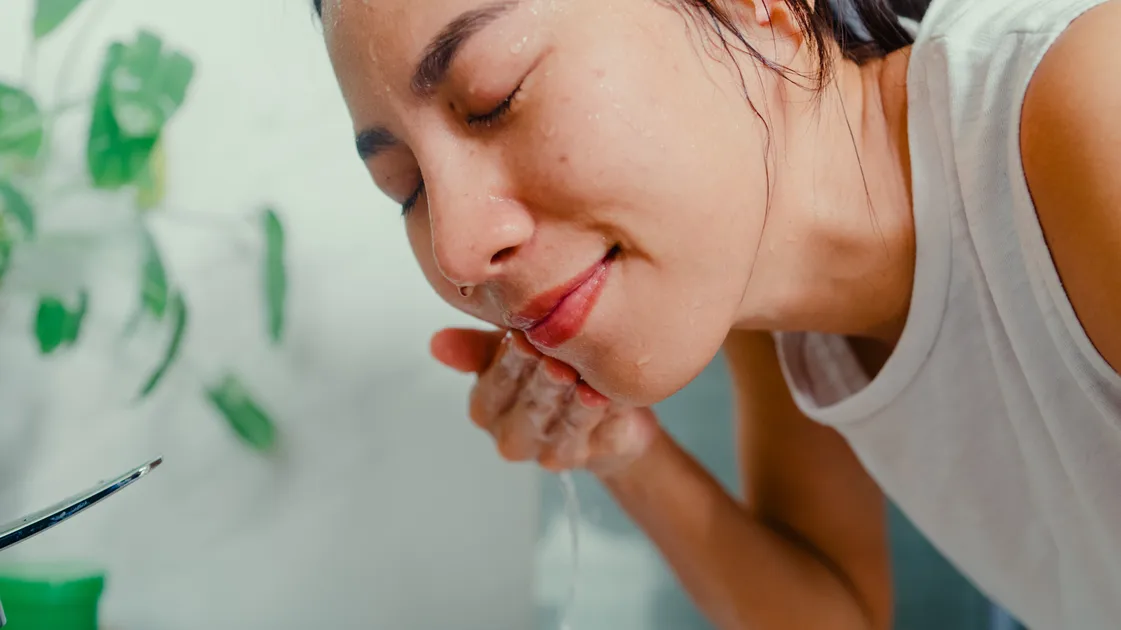
Dermatologists warn against reusing washcloths due to bacteria buildup and recommend using disposable, plant-based Clean Skin Club towels for a hygienic and effective skin cleanse, which many users find improves skin health and reduces irritation.
Researchers discovered that a bacterium from the gut of the Japanese tree frog, Ewingella americana, can completely eradicate aggressive colon tumors in mice by selectively targeting tumor environments, killing cancer cells, and activating the immune system, outperforming standard treatments. While promising, further research is needed to determine safety and efficacy in humans.
Researchers have discovered that disrupting bacterial communication signals in dental plaque using enzymes can promote the growth of beneficial bacteria and potentially prevent gum disease, offering a new approach to maintaining oral health without harming good bacteria.
Food poisoning occurs from consuming contaminated food with harmful bacteria or toxins, with different bacteria causing symptoms in various ways. To prevent it, avoid risky foods like raw oysters and meat, practice good hygiene, keep raw and cooked foods separate, and cook foods thoroughly. Most cases resolve on their own, but dehydration is a common risk, and severe cases require medical attention.