Physicists have for the first time observed how magnetism is distributed within a radioactive molecule's nucleus, specifically in radium monofluoride, using electrons as probes. This breakthrough allows for more precise studies of nuclear asymmetries that could reveal new physics beyond the Standard Model, and demonstrates the potential of molecules in fundamental physics research.
A dangerous unlicensed weight-loss pill called Molecule went viral on Russian TikTok, leading to serious health side effects among young users, including hospitalizations. The pills contain sibutramine, a substance banned in many countries due to health risks, but are still sold illegally online in Russia and other countries. Despite efforts to remove them, sellers continue to distribute Molecule under different names, posing significant health risks especially to vulnerable youth with eating disorders.
Scientists have developed a molecule that prevents the harmful clumping of alpha-synuclein protein, a key factor in Parkinson's disease, showing promise in animal models and potentially paving the way for new treatments to slow or stop disease progression.
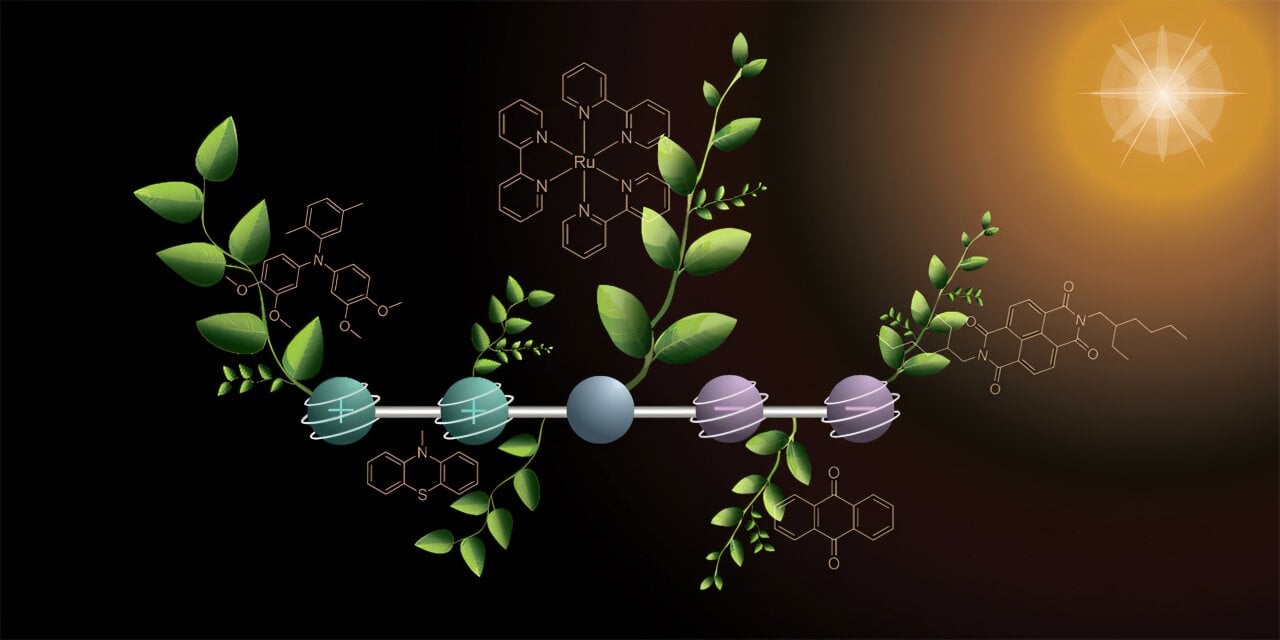
A Swiss research team has developed a novel molecule capable of storing four charges under light, mimicking natural photosynthesis, which could be a key step toward creating carbon-neutral fuels using sunlight.
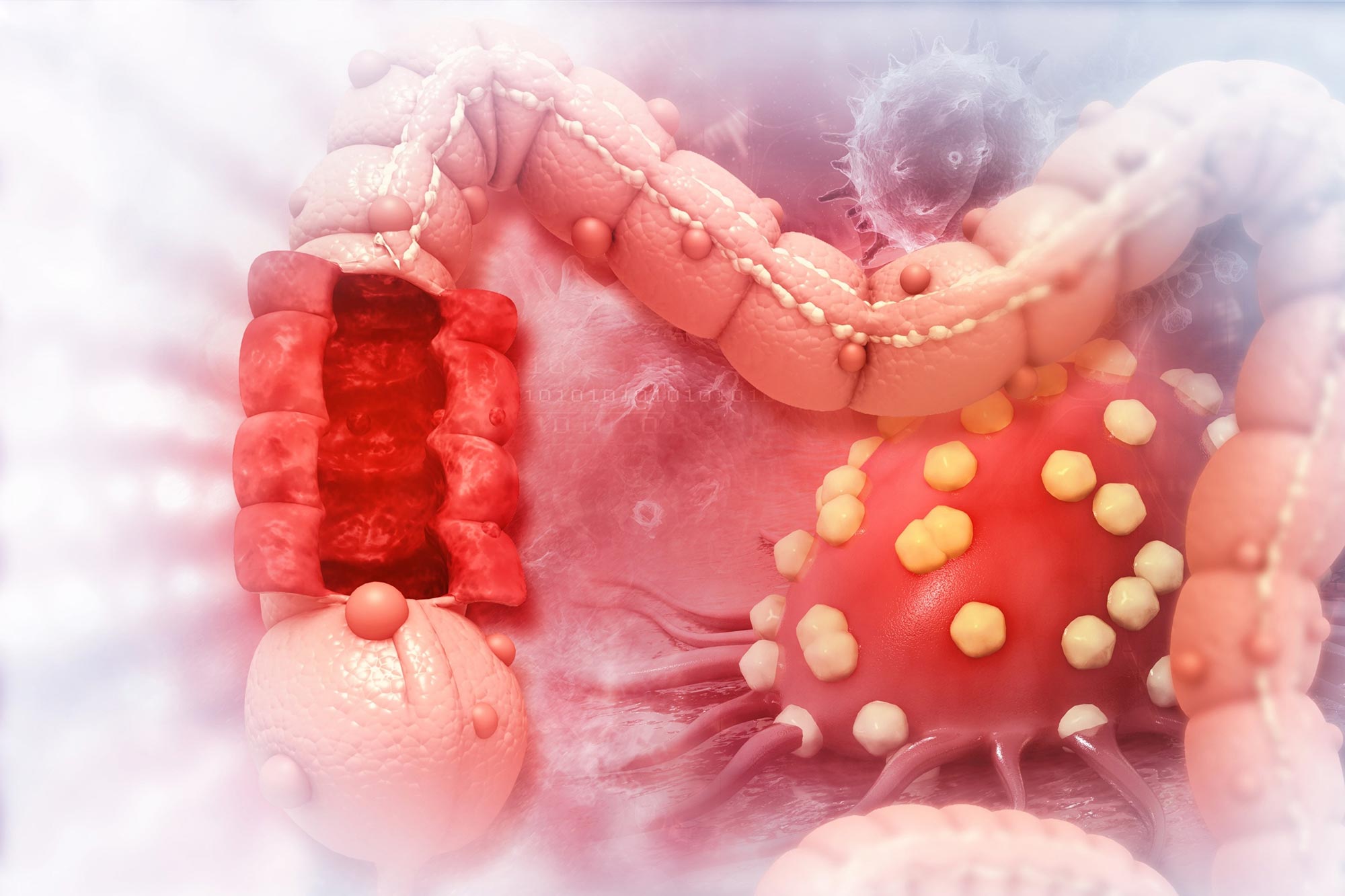
Researchers at Karolinska Institutet have discovered a molecule that promotes intestinal healing and suppresses colorectal cancer growth by activating the Liver X receptor. This finding, published in Nature, could lead to new treatments for inflammatory bowel disease (IBD) and cancer, addressing the need for alternatives to current therapies that often fail to help patients. The study highlights the potential of this molecule to treat chronic bowel disorders resulting from cancer therapies.
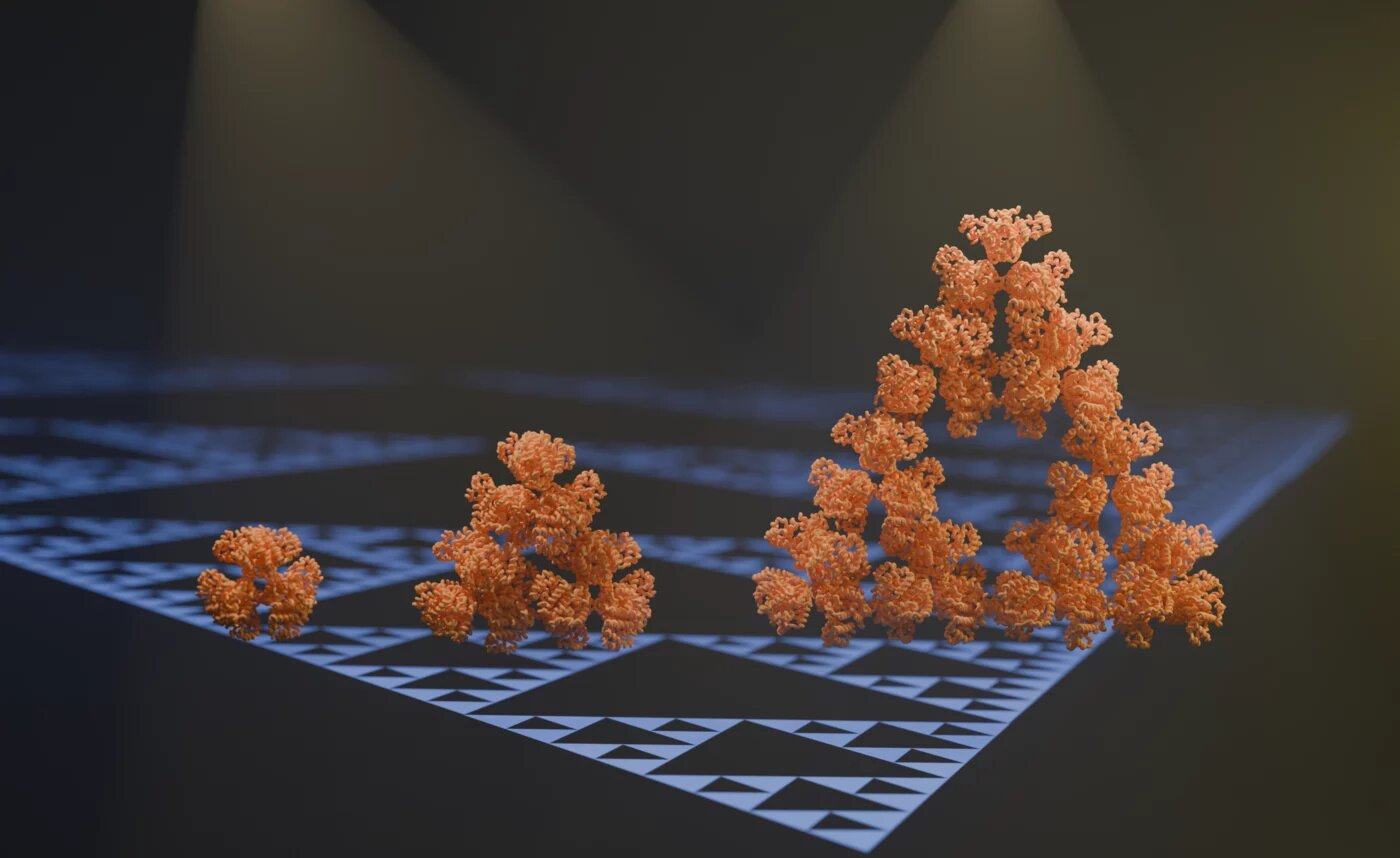
An international team of researchers has discovered the first regular molecular fractal in nature, a microbial enzyme that spontaneously assembles into a pattern known as the Sierpinski triangle. This fractal may represent an evolutionary accident, as genetic manipulation of the bacterium showed no significant impact on its growth. The team also recreated the evolutionary development of the fractal arrangement in the laboratory, suggesting that more surprises and beauty may still lie hidden in undiscovered molecular assemblies of biomolecules.
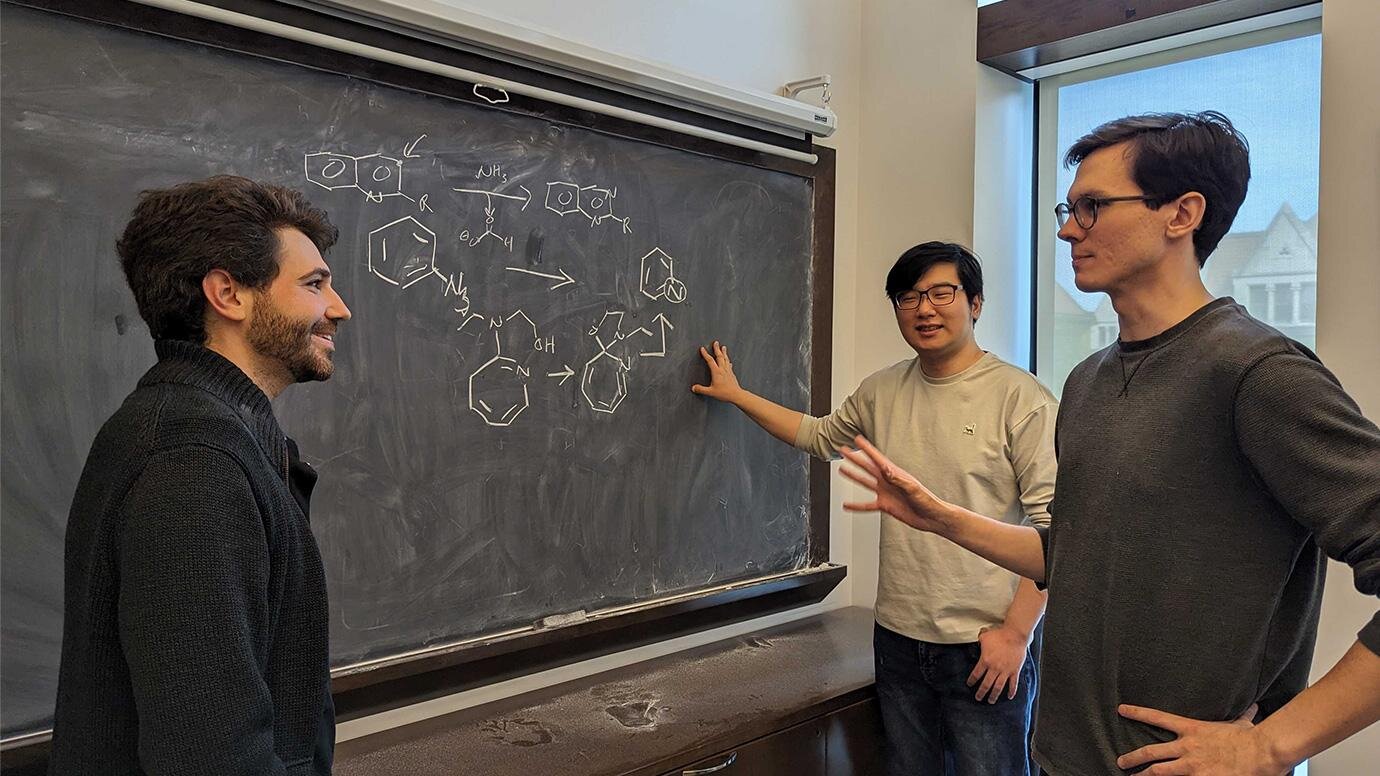
Chemists at the University of Chicago have made a breakthrough in drug discovery chemistry by developing two methods to replace a carbon atom with a nitrogen atom in a molecule. These methods address a long-standing challenge in pharmaceutical chemistry and could make it easier to develop new drugs. One method works on molecules that already have a nearby nitrogen atom, while the other method can remove a carbon atom and replace it with nitrogen. Although the techniques are not perfect yet, they provide a promising way forward for drug development.
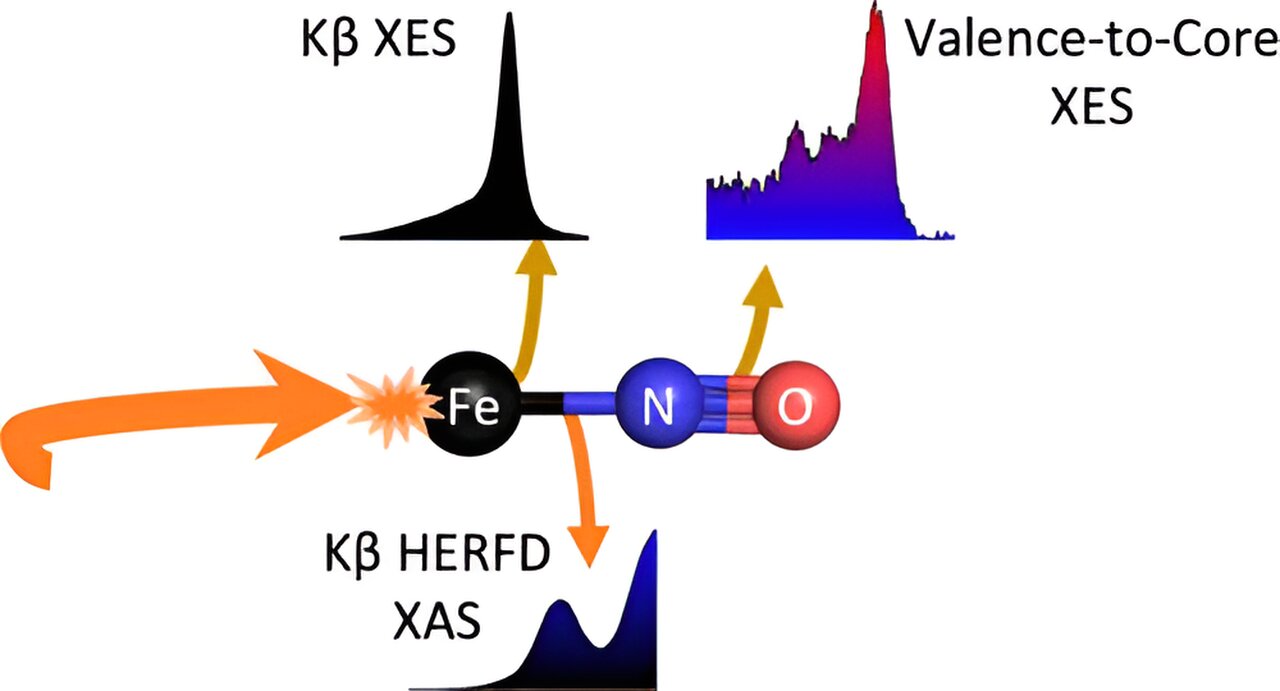
Scientists at SLAC National Accelerator Laboratory have made progress in understanding the production of nitroxide, a molecule with potential biomedical applications. By studying the properties of an iron-nitrosyl complex, they discovered that exposing it to optical light could potentially break its bond and produce nitroxide. This research provides insights into the bond-breaking process and lays the groundwork for future studies on similar molecules. The findings hold promise for developing new therapeutic technologies for cardiovascular conditions, microbial infections, cancer, and other health conditions.
Researchers at the University of Georgia have developed and patented a molecule, called POM-L-BHDU, that shows promise in treating the varicella zoster virus, which causes both chickenpox and shingles. The molecule has also demonstrated effectiveness against oral and genital herpes viruses. Unlike current medications, the molecule is safe for use in cancer patients and can be applied topically, making it a potential cream-based treatment option. The researchers hope to advance the molecule into large-scale synthesis and clinical trials in the next few years.