Tag

Hr 8799

All articles tagged with #hr 8799

JWST Uncovers Sulfur Clues That Redefine How Giant Exoplanets Form
science4 days ago

JWST Uncovers Sulfur Clues That Redefine How Giant Exoplanets Form

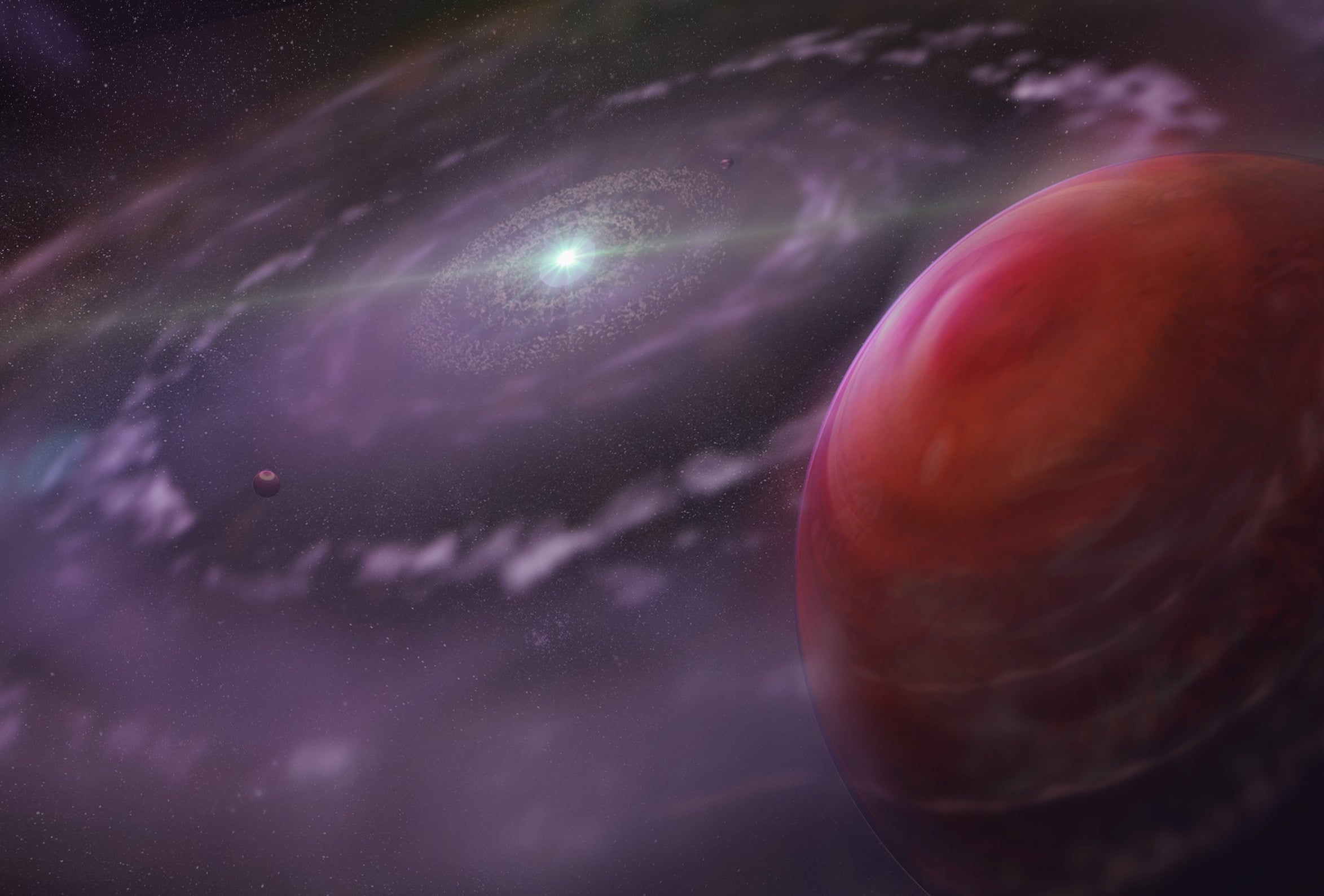
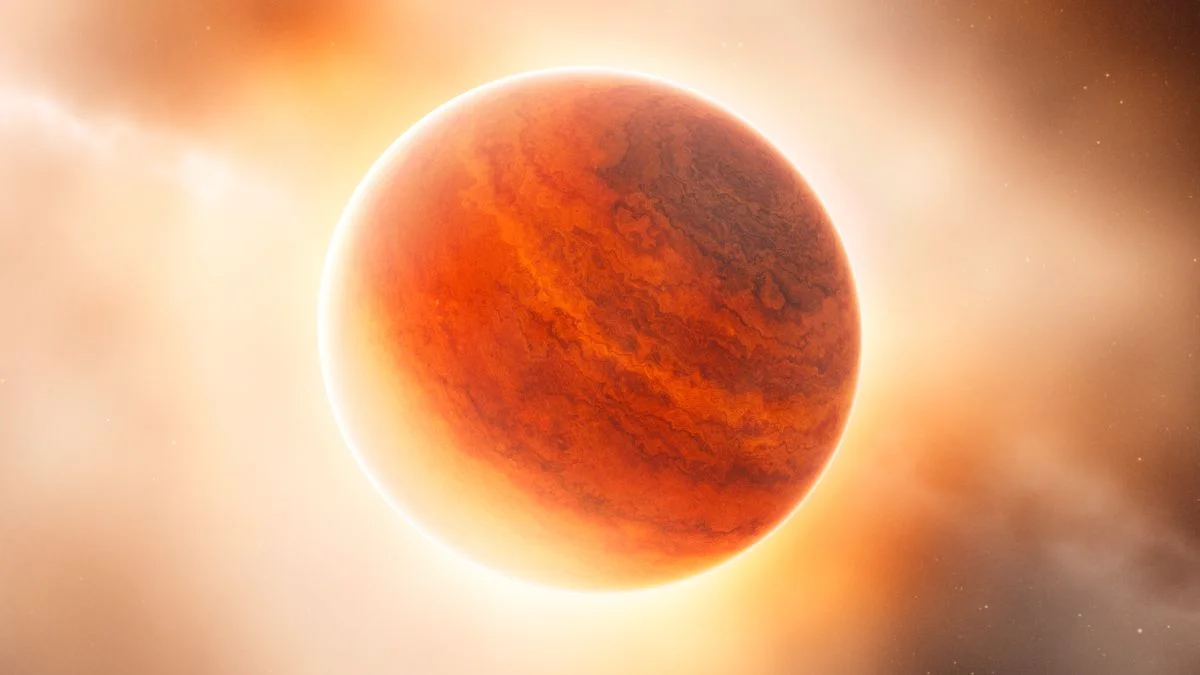
A JWST study of HR 8799’s three inner gas giants detects hydrogen sulfide in their atmospheres, revealing heavy-element enrichment consistent with solid-material accretion during formation. The finding suggests these 5–10 Jupiter-mass planets may have formed in a Jupiter-like way despite their wide, distant orbits, challenging simple core-accretion models and hinting at a more complex, potentially mixed formation path; the results were published in Nature Astronomy.
JWST Discovers Hydrogen Sulfide on Distant Super-Jupiters, Illuminating Planet-Formation Paths
science14 days ago

JWST Discovers Hydrogen Sulfide on Distant Super-Jupiters, Illuminating Planet-Formation Paths

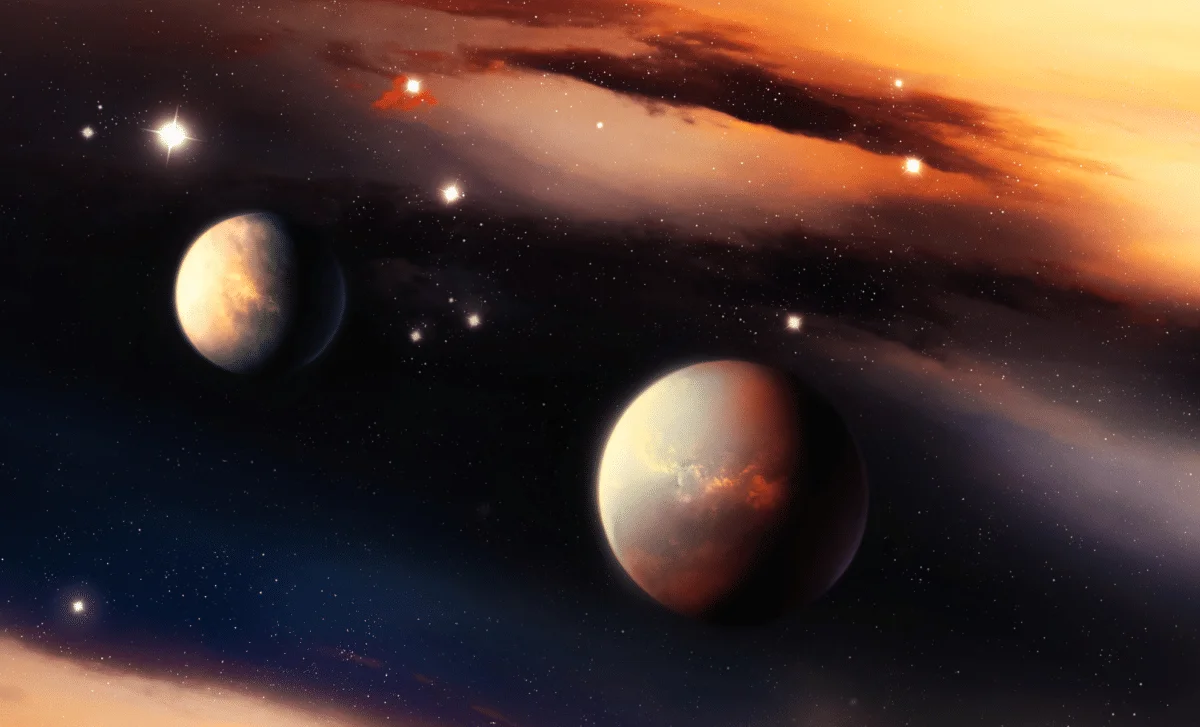
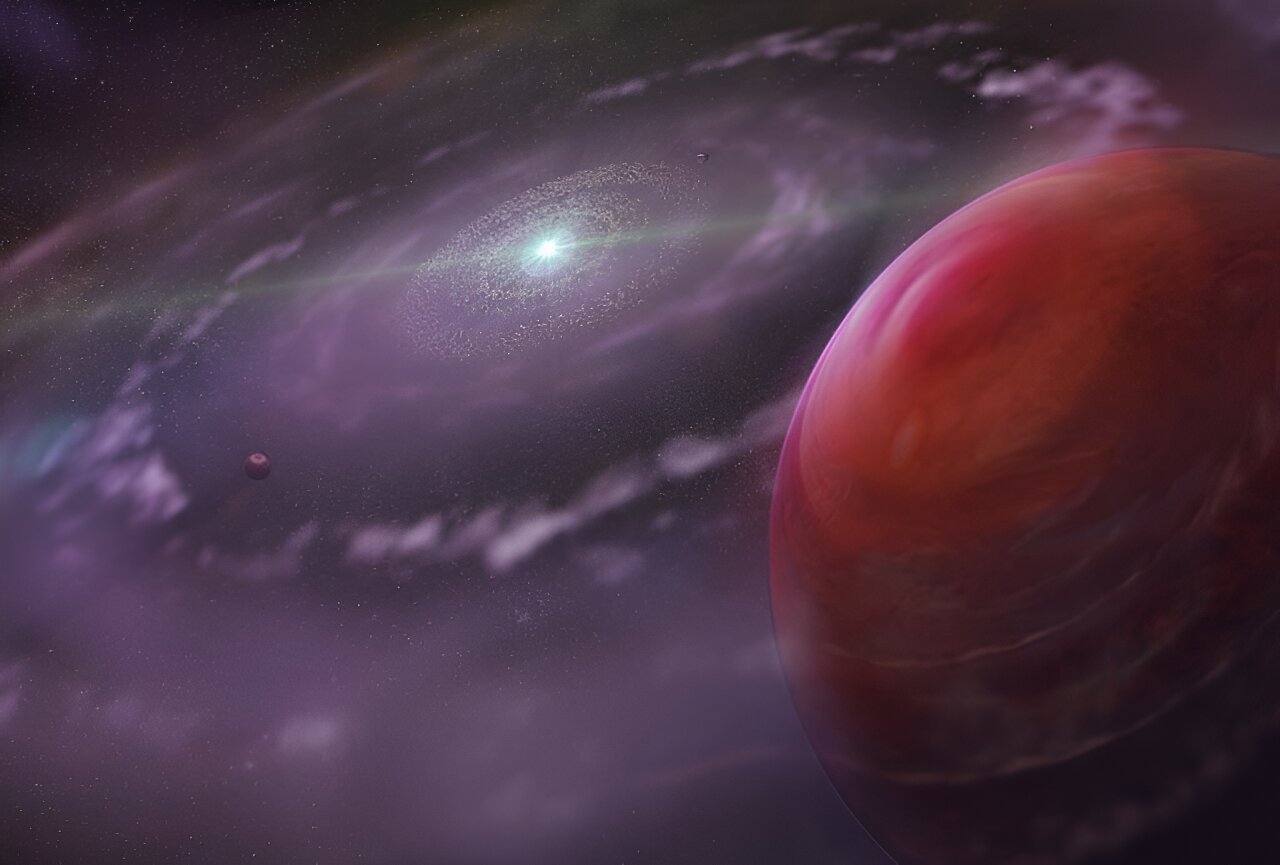
Using the James Webb Space Telescope, astronomers detected hydrogen sulfide in the atmospheres of HR 8799’s inner gas giants (c, d, e), suggesting sulfur came from solid material in their birth disks and signaling a universal pattern of heavy-element enrichment during planet formation. The study also showcases a direct-imaging technique that could, in time, help study Earth-like worlds for biosignatures.

"JWST Discovers Rare Quadruple Exoplanet System"
astronomy2 years ago

"JWST Discovers Rare Quadruple Exoplanet System"

The James Webb Space Telescope (JWST) has observed the HR 8799 system, located 133 light-years away, and detected four exoplanets using its MIRI instrument. The system is young and contains massive planets on wide orbits, making it a rare find. The observations have provided valuable insights into the planetary atmospheres, confirming that they are not brown dwarfs. The JWST also examined the system's debris disk and determined that a previously debated object is a background object. These findings demonstrate the capabilities of the JWST's MIRI instrument in characterizing young exoplanetary systems and lay the groundwork for future observations.

Exploring Exoplanets: From Gaia Enceladus to Habitable Zones
astronomy2 years ago

Exploring Exoplanets: From Gaia Enceladus to Habitable Zones

The James Webb Space Telescope (JWST) has observed the HR 8799 solar system, located 133 light-years away, and detected four exoplanets using its MIRI instrument. The system is young and unique, with the four massive planets on wide orbits. The JWST's observations confirm that these planets are not brown dwarfs and provide insights into their temperatures and atmospheric compositions. The study also clarifies the nature of a background object in the system and highlights the challenges and potential of using the JWST's MIRI instrument for future observations of young exoplanetary systems.