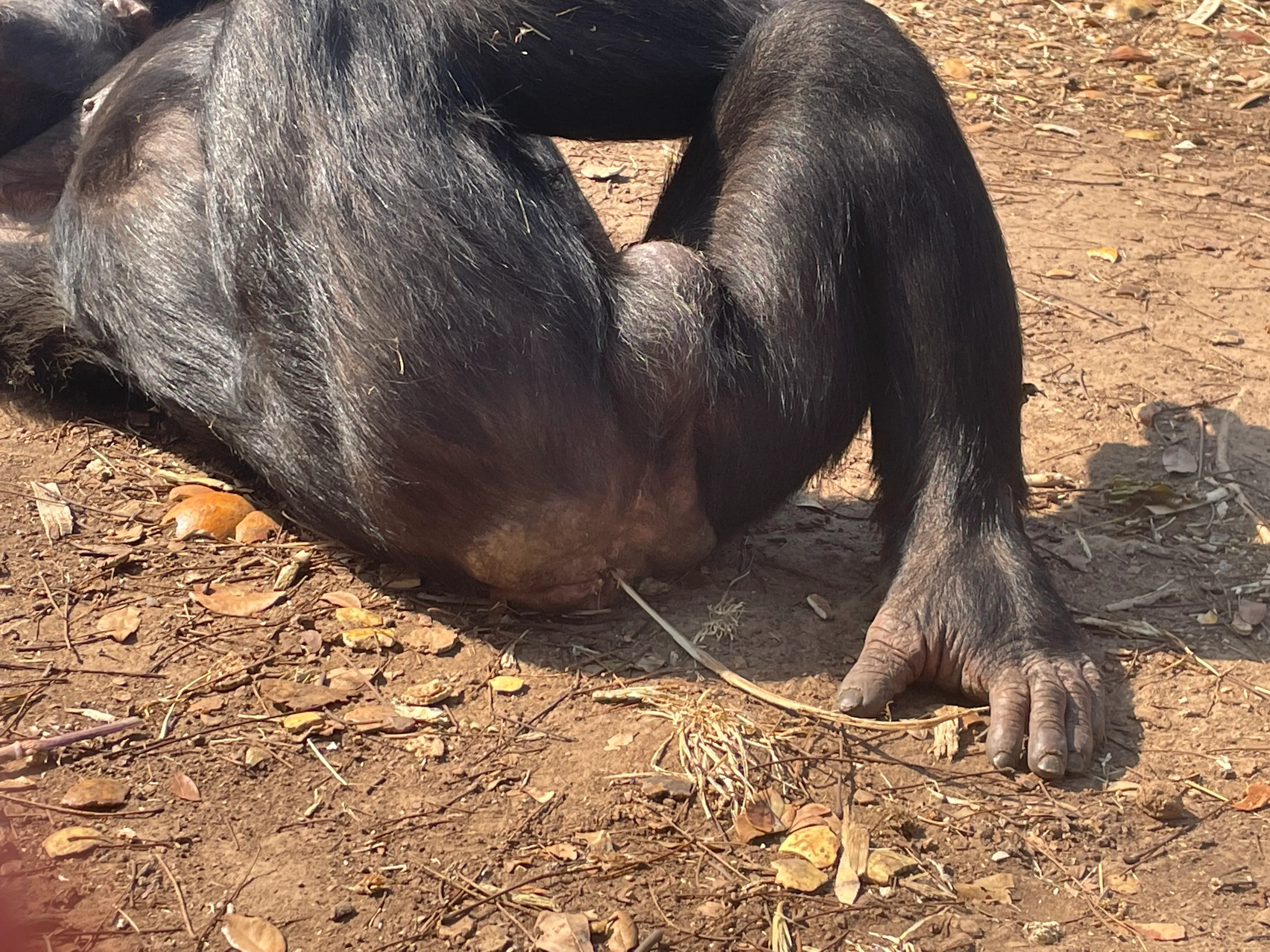
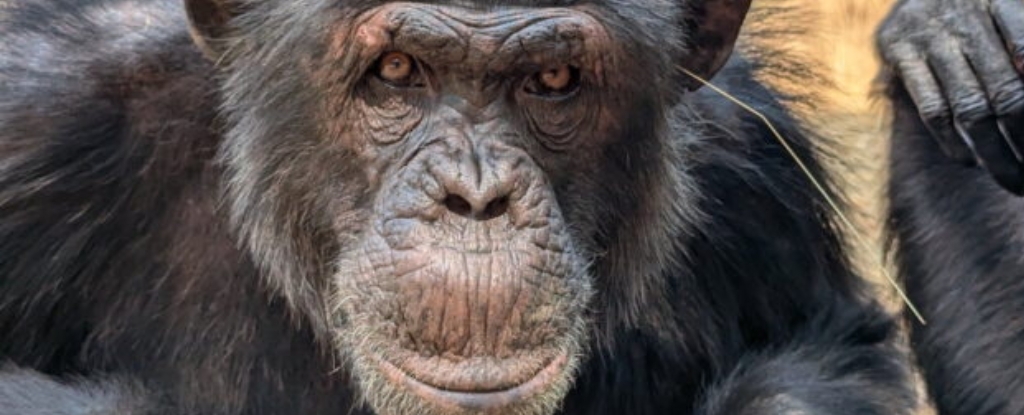
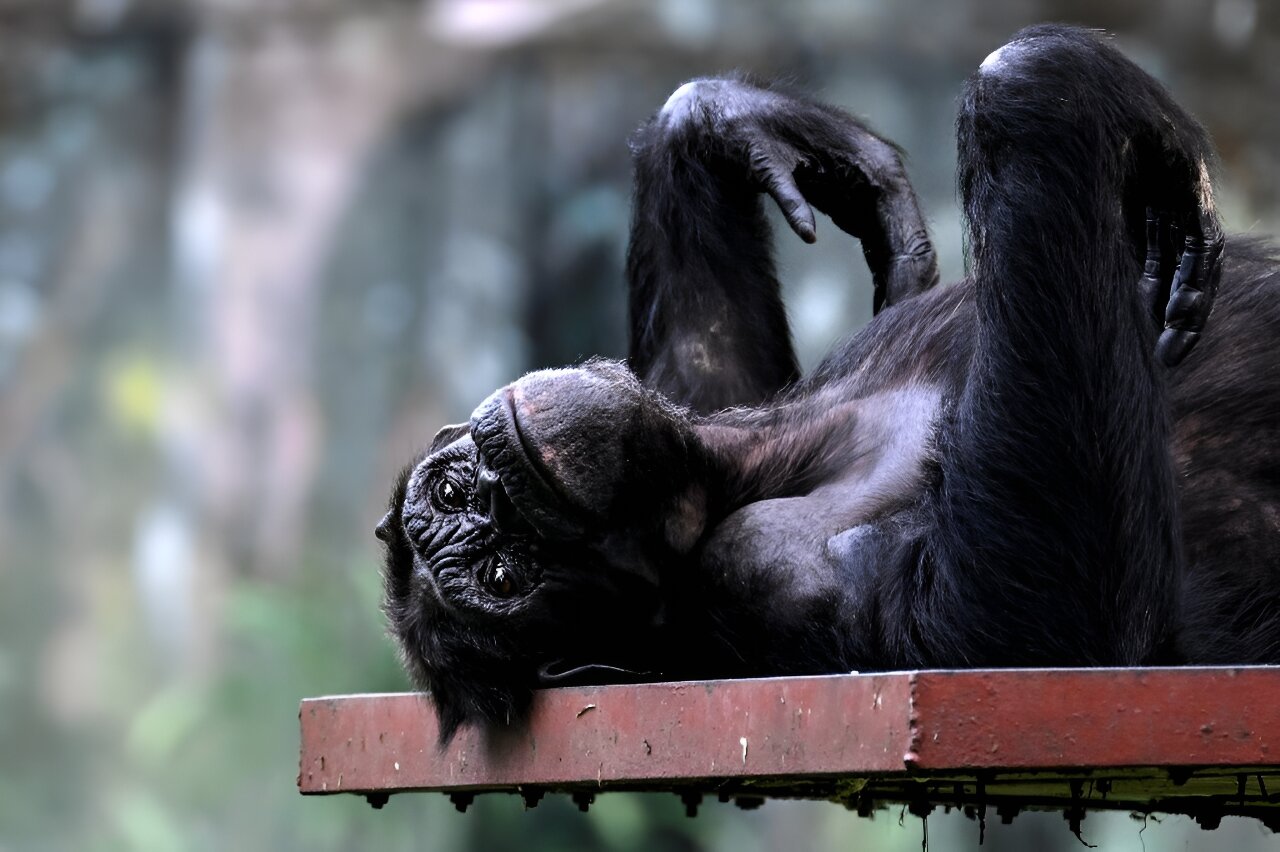
Researchers have observed a new cultural tradition among chimpanzees at Chimfunshi sanctuary, where Juma, a young chimp, invented the behavior of inserting grass into his rectum, which has since spread to others, highlighting the complex social and cultural behaviors in primates.
At a chimp sanctuary in Zambia, a viral trend of chimps sticking grass in their ears and butts has emerged, possibly serving social bonding purposes. This behavior, observed over a decade apart and in different groups, highlights social learning and cultural transmission in captive chimpanzees, similar to trends seen in other animals like orcas and dolphins.
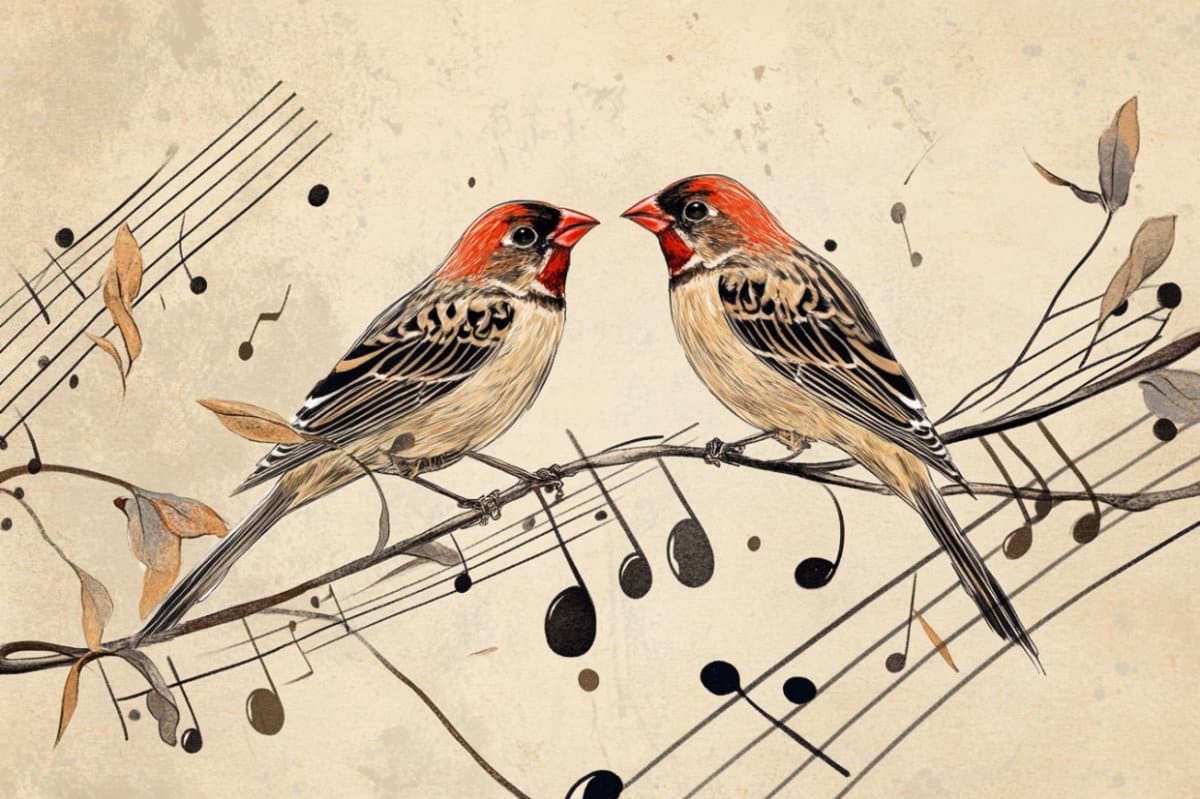
A study on zebra finches shows that the amygdala influences social selectivity in song learning, guiding young birds to prefer certain tutors based on social cues, although it is not essential for the actual imitation of songs.
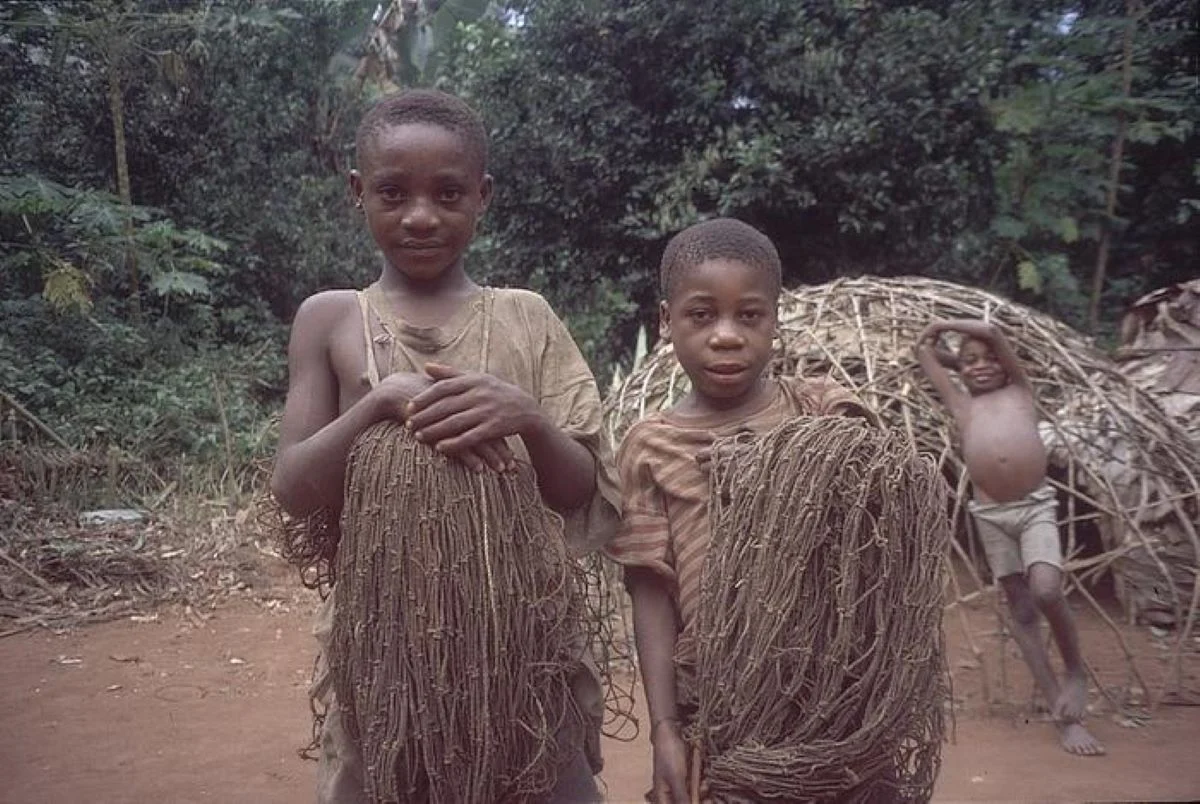
Hunter-gatherer children in the Congo Basin learn essential skills like hunting and childcare by age six through a unique social learning environment that involves parents, peers, and unrelated adults. This broad network fosters cumulative culture, allowing skills to be innovated and passed across generations. Unlike Western societies, where learning is parent- or teacher-centered, these children benefit from egalitarian values and autonomy, promoting self-driven exploration. The study highlights the importance of diverse social interactions in preserving cultural traits over time.
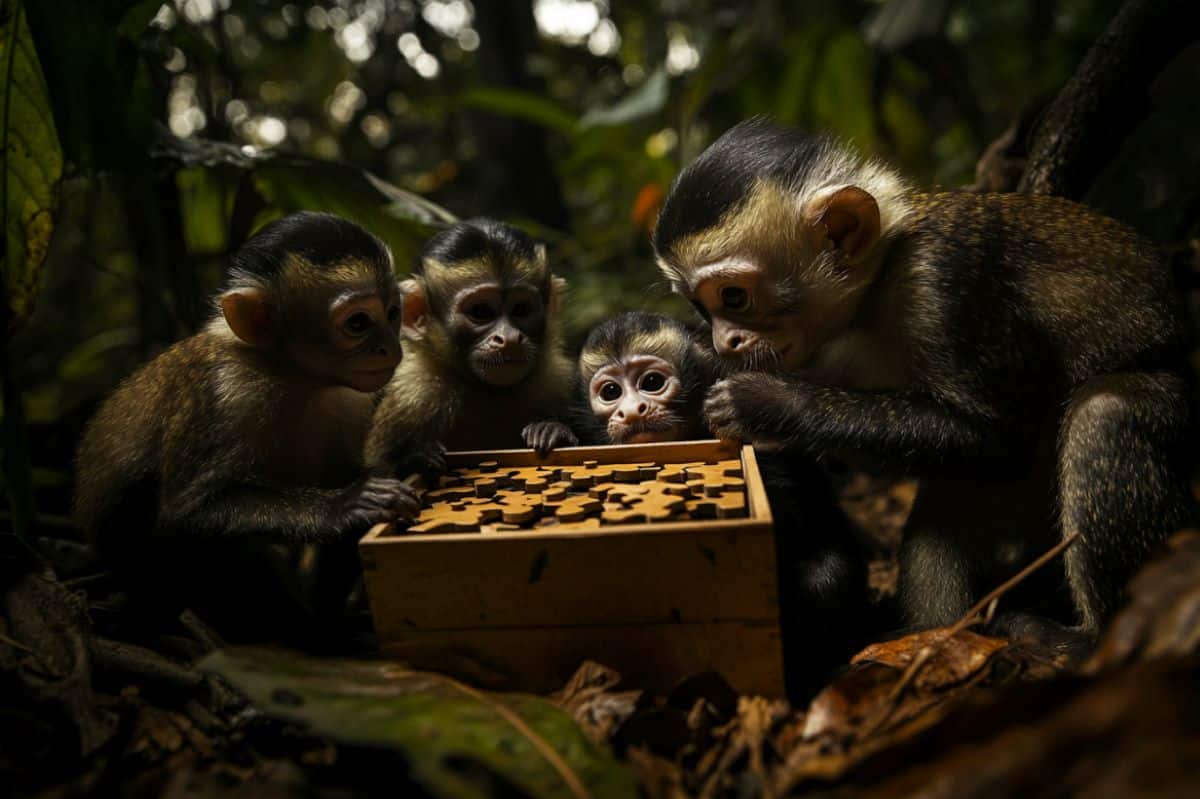
Researchers from Durham University found that social tolerance and group dynamics significantly influence problem-solving and learning in wild bearded capuchin monkeys. By observing interactions with a puzzle-box, they discovered that monkeys learn from tolerant group members and high-status individuals, highlighting the role of social hierarchy in cultural transmission. This study sheds light on the evolution of cultural abilities in primates, including humans.
New research in the Quarterly Journal of Experimental Psychology indicates that trypophobia, the fear of clusters of small holes, is a genuine psychological condition affecting about 1 in 10 people, not just a social media phenomenon. The study found that younger people and women, who are more active on social media, show higher sensitivity to trypophobic stimuli, suggesting social media may heighten awareness but is not the sole cause. The condition may also be linked to an evolved sensitivity to noxious animals or skin pathologies.
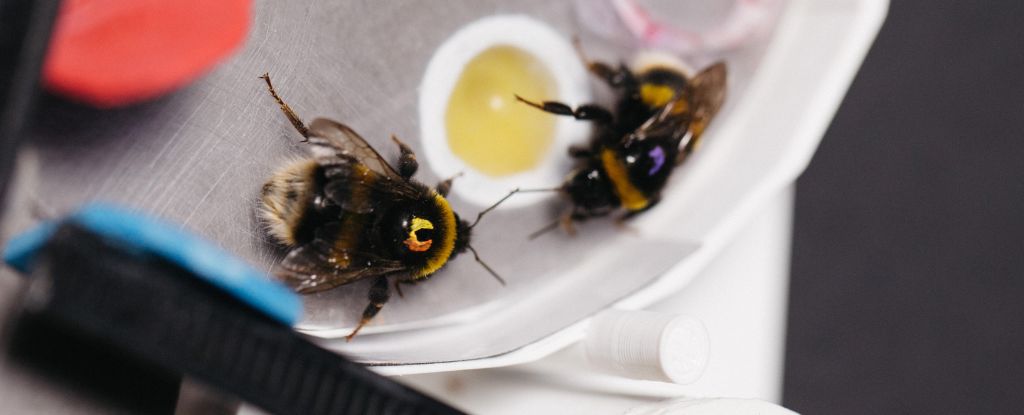
Bumblebees have demonstrated a level of collective intelligence in experiments that was previously thought to be unique to humans. They were trained to open a two-step puzzle box and then taught the solution to other bees, challenging the idea that socially learned behaviors are exclusive to humans. This finding suggests that the ability to learn from others what cannot be learned alone should now be considered a common trait across species, not just humans. The study was published in Nature and sheds light on the underestimated intelligence of bumblebees.
Two studies have shown that bumblebees and chimpanzees are capable of learning complex skills from their peers, challenging the notion that this ability is unique to humans. The research demonstrated that these animals can pass on skills that no individual could have mastered alone, suggesting the presence of cumulative culture in non-human species. The findings have significant implications for our understanding of animal cognition and the evolution of culture.
A study led by Prof. Dr. Grit Hein challenges the notion that empathy is a fixed trait, demonstrating that adults can learn to increase or decrease their empathetic responses by observing others. Using computational modeling and fMRI, the study found that changes in empathy were linked to altered brain activity in the anterior insula, a key region for empathy processing. The research underscores the importance of fostering empathetic environments, suggesting that empathy can be cultivated and is crucial for effective teamwork and client interactions.
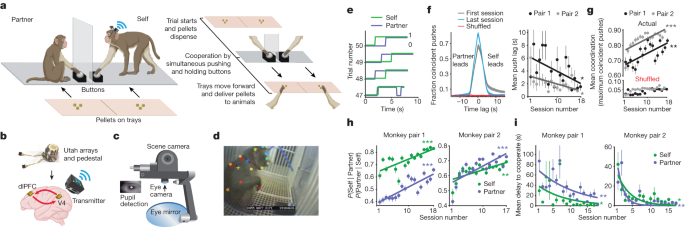
A study on visuo-frontal interactions during social learning in freely moving macaques has been conducted, with the source data and code availability provided. The research explores the neural correlates of social learning and decision-making in macaques, shedding light on the mechanisms underlying social interactions in non-human primates. The study contributes to our understanding of how macaques process social information and make decisions in a group setting, providing valuable insights into the neural basis of social behavior.
A study has identified a dedicated hypothalamic oxytocin circuit that controls aversive social learning in mice. The research, which involved optogenetic and chemogenetic manipulations, revealed that activation of this circuit enhances social fear learning, while its inhibition reduces it. The findings shed light on the neural mechanisms underlying social behavior and may have implications for understanding and potentially treating social anxiety and related disorders in humans. The data and codes associated with the study are available for download from Zenodo, and the research draws on a wide range of previous studies in the field of behavioral neuroscience.
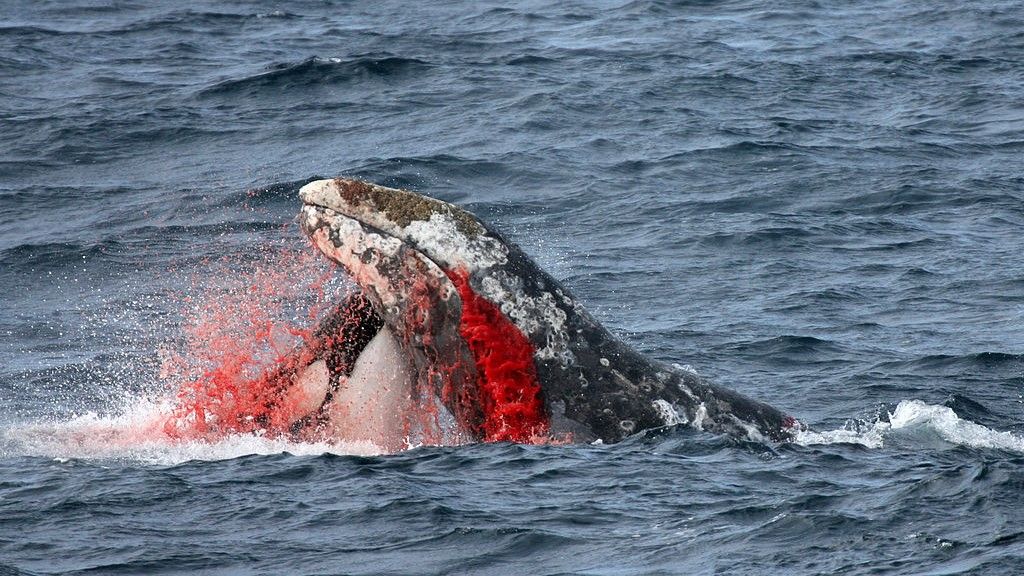
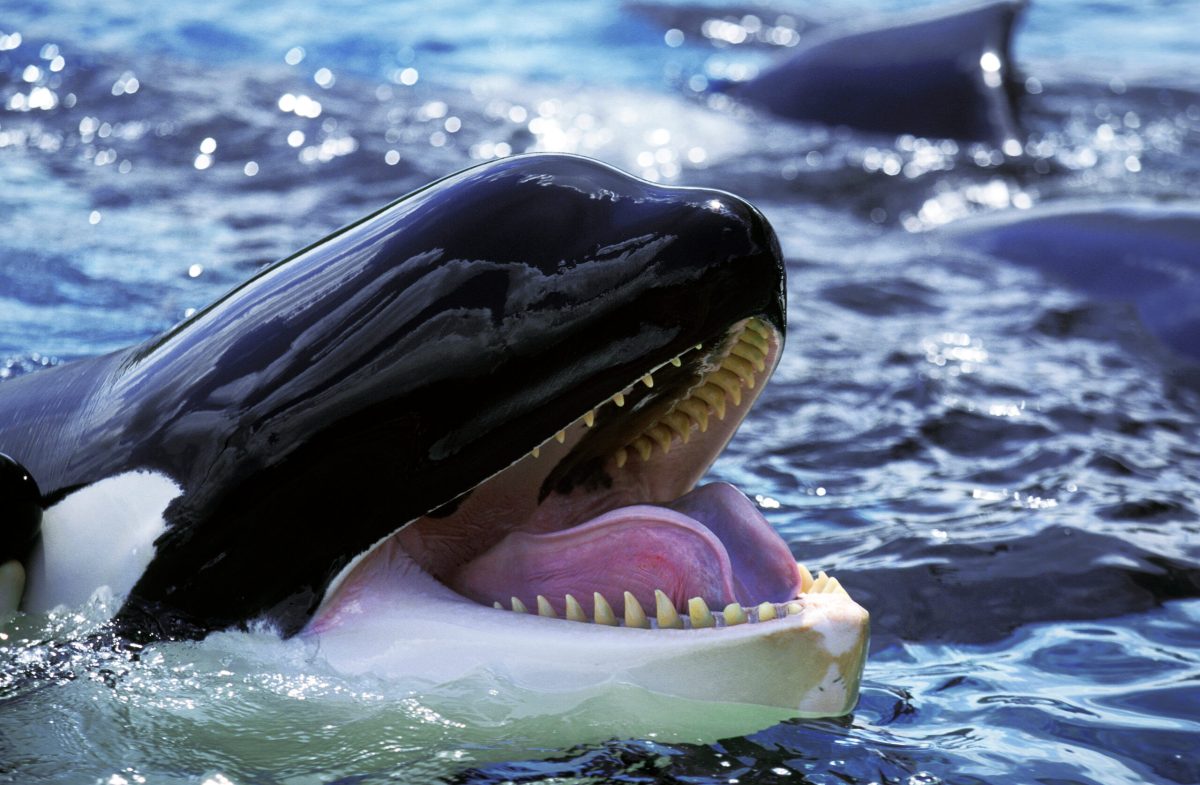
Recent observations of orcas engaging in new and terrifying behaviors, such as attacking blue whales, abducting baby pilot whales, tearing open sharks to feast on their livers, and even ramming and sinking boats, have raised questions about whether orcas are getting smarter. While their brains are not likely changing on an anatomical level, orcas are fast learners and can teach each other new tricks, becoming "smarter" as a group. Some of these behaviors may be age-old but only now being documented, while others may be influenced by frequent interactions with humans and changing environments. Human activities, such as fishing and climate change, may indirectly drive orcas to adapt and rely on social learning to survive.
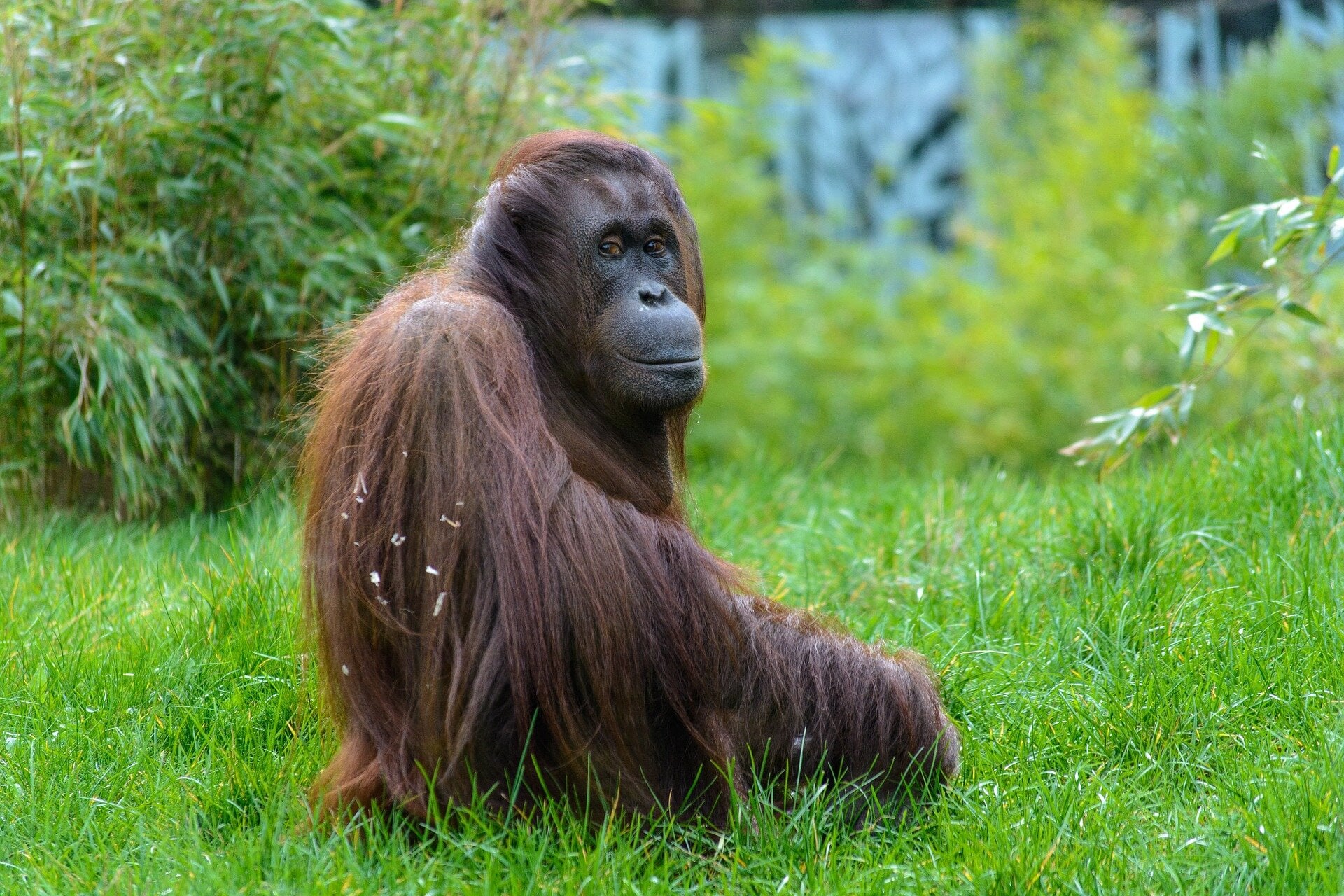
A study has found that migrant male orangutans learn what foods to eat and how to process them by observing and imitating the locals in their new habitat. The researchers observed peering behavior, where the orangutans intensely observed and mimicked the actions of role models. The study suggests that this social learning is crucial for the survival and adaptation of orangutans in new environments. The ability to quickly adapt to novel environments by learning from locals is likely ancestral in our hominin lineage.
An orca rammed a yacht off the Scottish coast, more than 2,000 miles from the previous incidents of orcas attacking boats in Portugese and Spanish waters. Experts suspect the attacks are linked to human activities at sea, such as fishing, noise pollution, and boat traffic. The behavior appears to be spreading through social learning, with orcas imitating each other and reproducing acts they deem advantageous or interesting in some way.
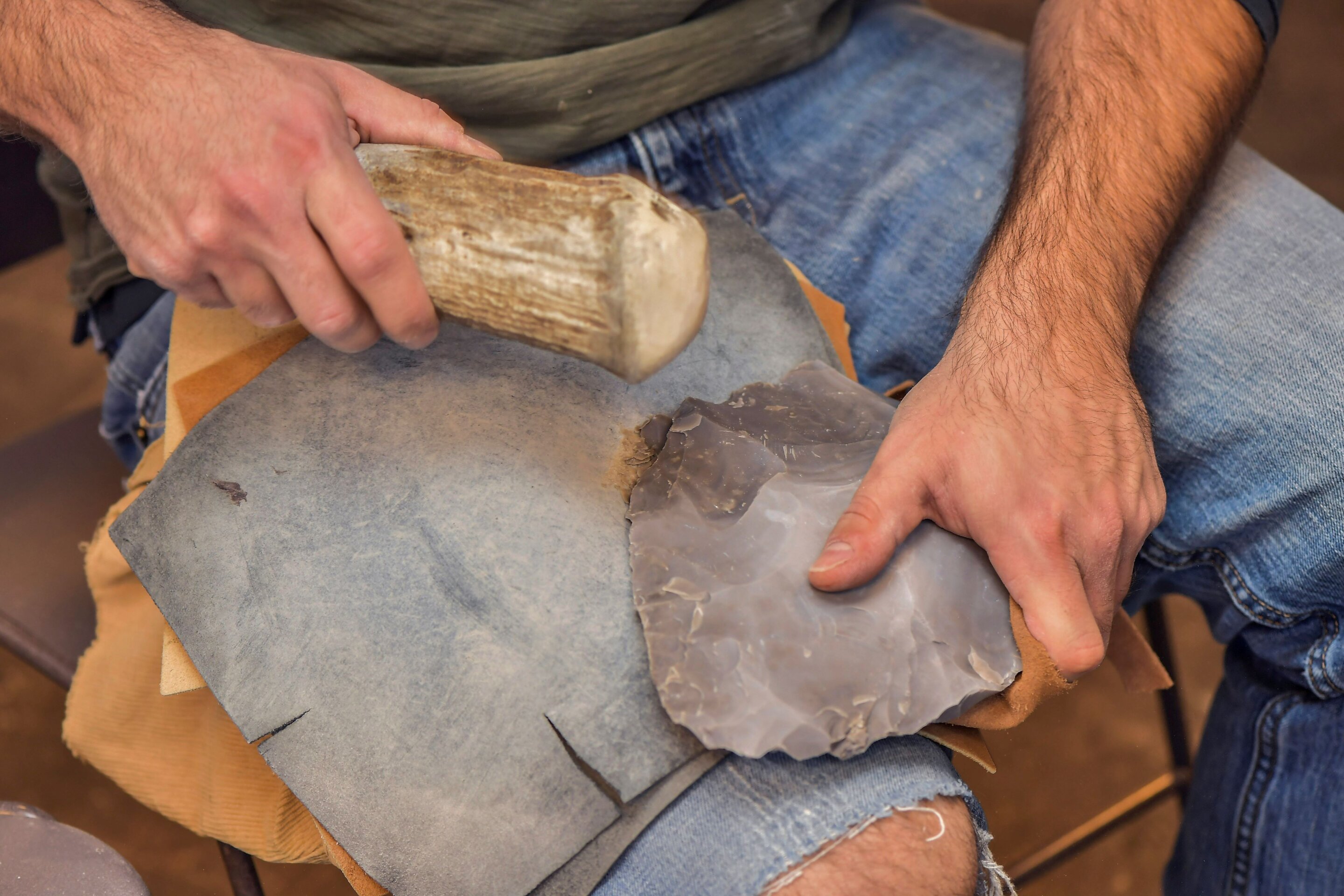
Flintknapping, the process of shaping stone tools, was far more dangerous than previously thought, with injuries ranging from small cuts to life-threatening wounds. Early humans risked these injuries to make stone tools, which were vital to their daily activities and overall survival. The study also suggests that injury risks may have played a role in social learning, as learning from a skilled individual would have reduced the risks associated with individual learning. Stone tools are the best evidence we have to track social learning early in our evolution because they withstand the passage of time.