Tag

Bumblebees

All articles tagged with #bumblebees

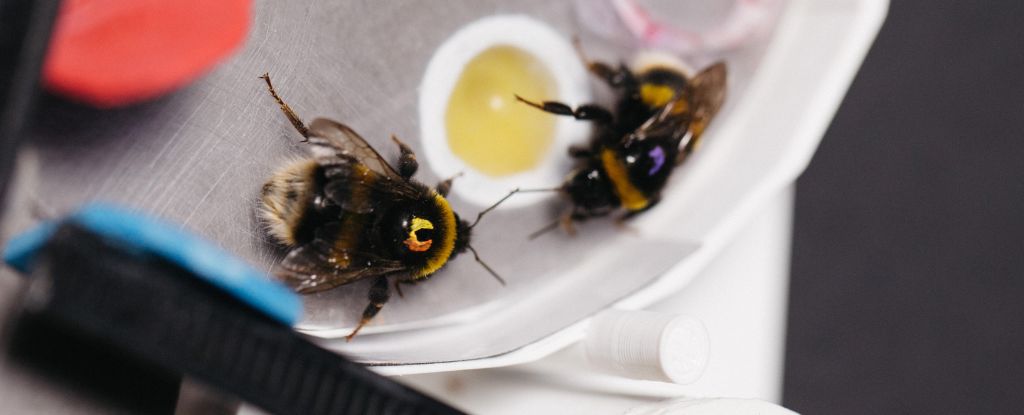
Scientists Discover Bumblebees Can Learn and Interpret Morse Code

Originally Published 2 months ago — by ScienceAlert

Featured image for Scientists Discover Bumblebees Can Learn and Interpret Morse Code
Source: ScienceAlert

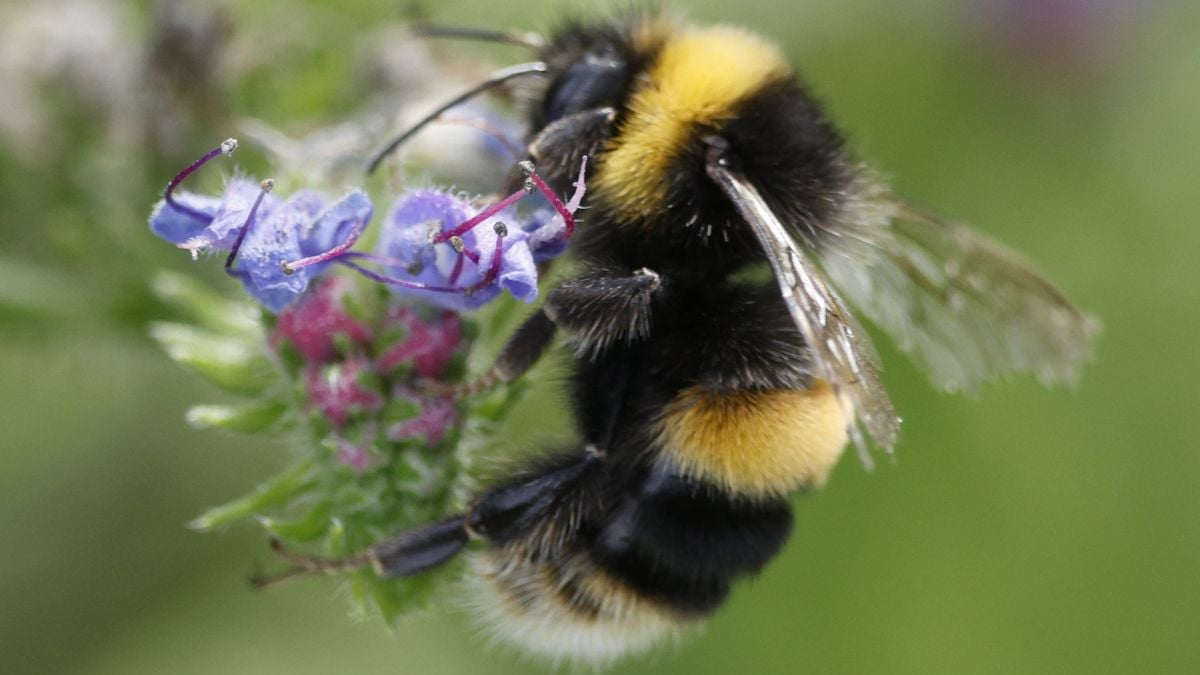
Scientists trained bumblebees to distinguish between different durations of light patterns, similar to Morse code, demonstrating their ability to process temporal information and make decisions based solely on visual cues, revealing complex cognitive abilities in insects.

Simplified Structure of Bumblebee Medicine Boosts Synthetic Production

Originally Published 5 months ago — by Phys.org

Featured image for Simplified Structure of Bumblebee Medicine Boosts Synthetic Production
Source: Phys.org

Researchers at UCT Prague developed a five-step method to synthesize callunene, a natural compound that protects bumblebees from a deadly gut parasite, and discovered that natural callunene is a racemic mixture, enabling direct use of synthetic versions to safeguard pollinator colonies.

"Bumblebees' Surprising Ability to Survive Underwater for a Week"

Originally Published 1 year ago — by Yahoo! Voices

Featured image for "Bumblebees' Surprising Ability to Survive Underwater for a Week"
Source: Yahoo! Voices

A study has found that queen bumblebees can survive underwater for days, suggesting they may be able to withstand increased floods due to climate change. This discovery is seen as encouraging amid concerns about declining bee populations. The study's lead author accidentally discovered this ability while conducting an experiment and further research is needed to understand the long-term impact on the bees' health and colonies. The findings raise questions about whether this resistance to flooding contributes to the hardiness of certain bee species, but more research is needed to determine how common this trait is across different bumblebee species.

"Surprising Collective Intelligence: Bees and Chimpanzees Learn Complex Behaviors Like Humans"

Originally Published 1 year ago — by ScienceAlert

Featured image for "Surprising Collective Intelligence: Bees and Chimpanzees Learn Complex Behaviors Like Humans"
Source: ScienceAlert

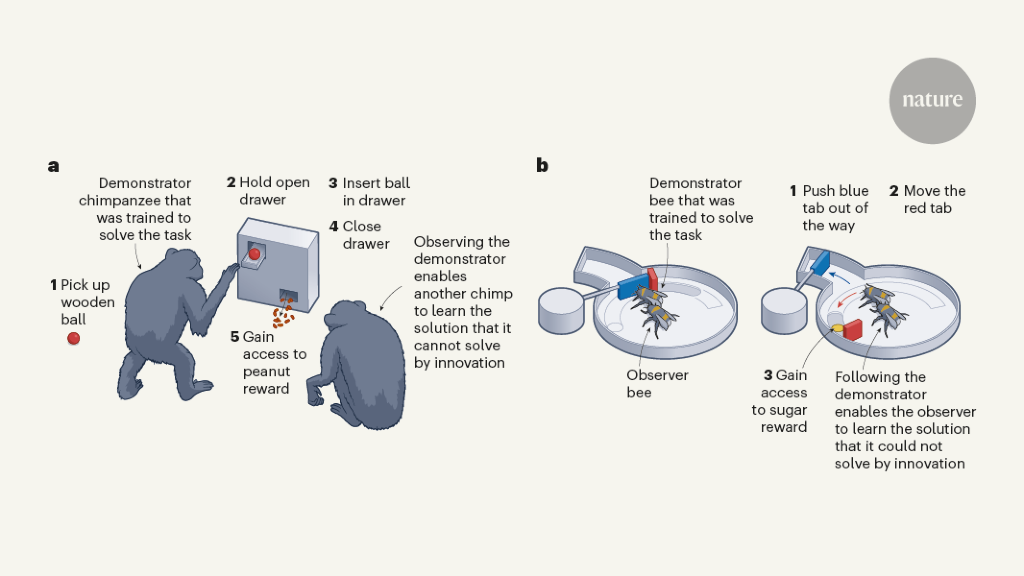
Bumblebees have demonstrated a level of collective intelligence in experiments that was previously thought to be unique to humans. They were trained to open a two-step puzzle box and then taught the solution to other bees, challenging the idea that socially learned behaviors are exclusive to humans. This finding suggests that the ability to learn from others what cannot be learned alone should now be considered a common trait across species, not just humans. The study was published in Nature and sheds light on the underestimated intelligence of bumblebees.

"Social Learning in Bees and Chimpanzees: Passing on Problem-Solving Skills"

Originally Published 1 year ago — by Nature.com

Featured image for "Social Learning in Bees and Chimpanzees: Passing on Problem-Solving Skills"
Source: Nature.com

Two recent studies demonstrate that bumblebees and chimpanzees possess the ability to learn from others, a skill crucial for achieving cumulative culture. This challenges the notion that only humans have the unique capacity to learn from others more than they could alone. The findings shed light on the potential for other animals to exhibit the type of skill necessary for achieving cumulative culture, expanding our understanding of animal learning and culture.

"Bumblebees' Ingenious Defense: Unraveling the Evolutionary Coincidence with Asian Hornets"

Originally Published 2 years ago — by IFLScience

Featured image for "Bumblebees' Ingenious Defense: Unraveling the Evolutionary Coincidence with Asian Hornets"
Source: IFLScience

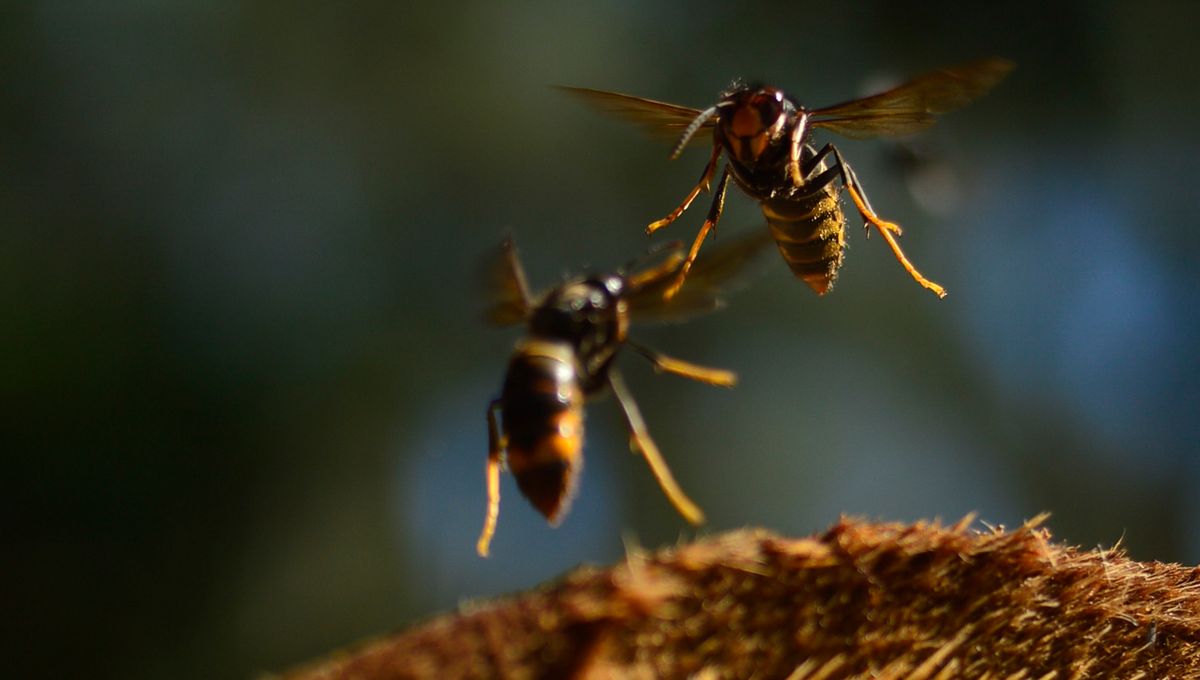
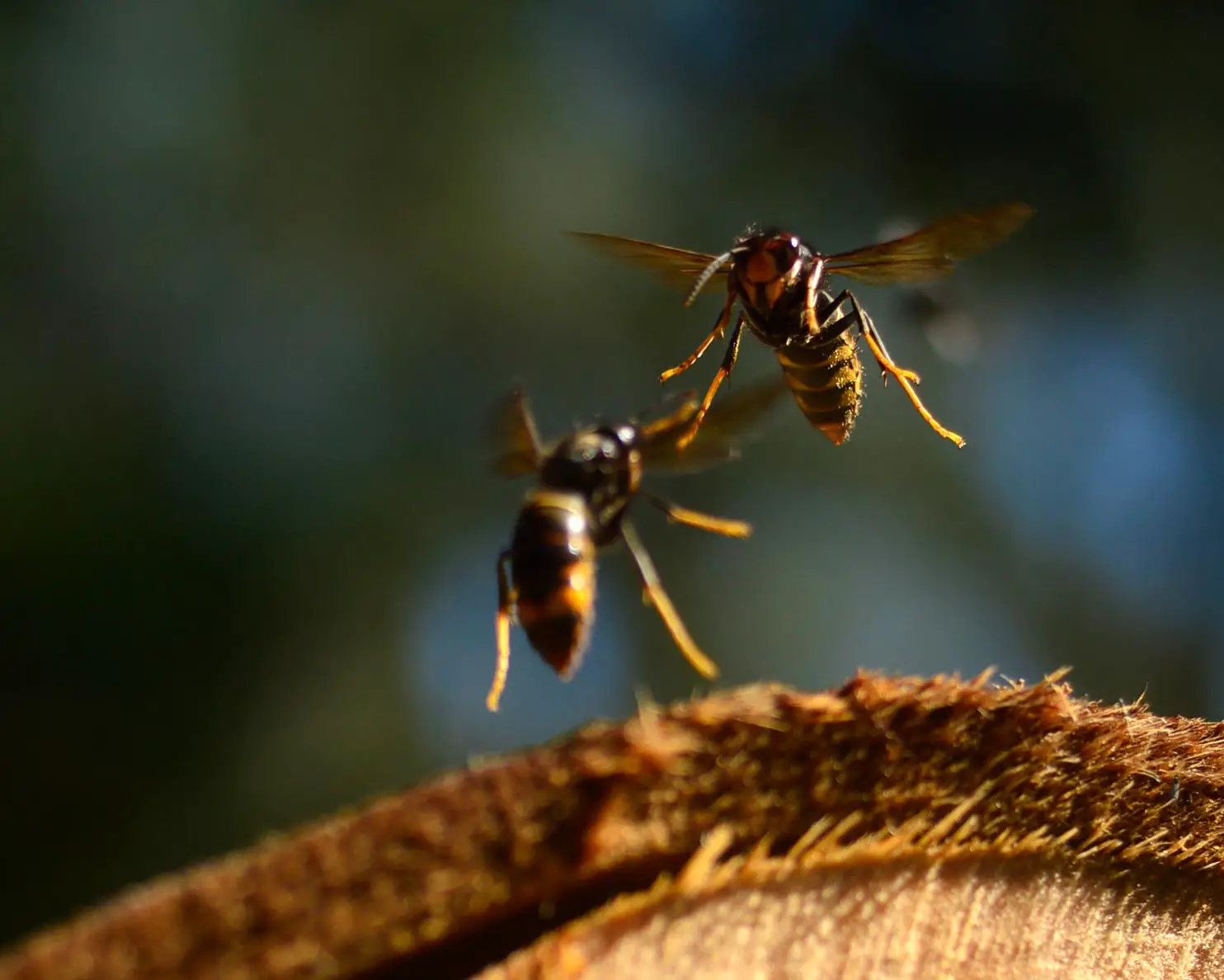
Researchers have discovered that buff-tailed bumblebees have a remarkable defense strategy against invasive Asian hornets. When attacked, the bumblebees drop to the ground, causing the hornets to lose their grip or fall as well. This allows the bumblebees to wrestle with the hornets until they give up and leave. However, despite their successful defense, the presence of Asian hornets still negatively impacts the growth of bumblebee colonies.

"Bumblebees Unleash Top-Tier Combat Skills to Defeat Asian Hornets"

Originally Published 2 years ago — by Good News Network

Featured image for "Bumblebees Unleash Top-Tier Combat Skills to Defeat Asian Hornets"
Source: Good News Network

New research from the University of Exeter reveals that bumblebees have top-tier combat skills when targeted by Asian hornets. The study found that buff-tailed bumblebees drop to the ground when attacked by hornets, carrying the pests down with them. Hornets lose their grip during the fall or the bee fights back until the hornet gives up. The researchers witnessed 120 attacks, with the bee successfully defending itself each time. Asian hornets, also known as yellow-legged hornets, are invasive pests that have spread across mainland Europe and parts of Asia, and have recently been spotted in the US. The findings highlight the importance of protecting pollinators like bees from these threats.

Bumblebees' Surprising Defense Tactics Against Invasive Asian Hornets

Originally Published 2 years ago — by SciTechDaily

Featured image for Bumblebees' Surprising Defense Tactics Against Invasive Asian Hornets
Source: SciTechDaily

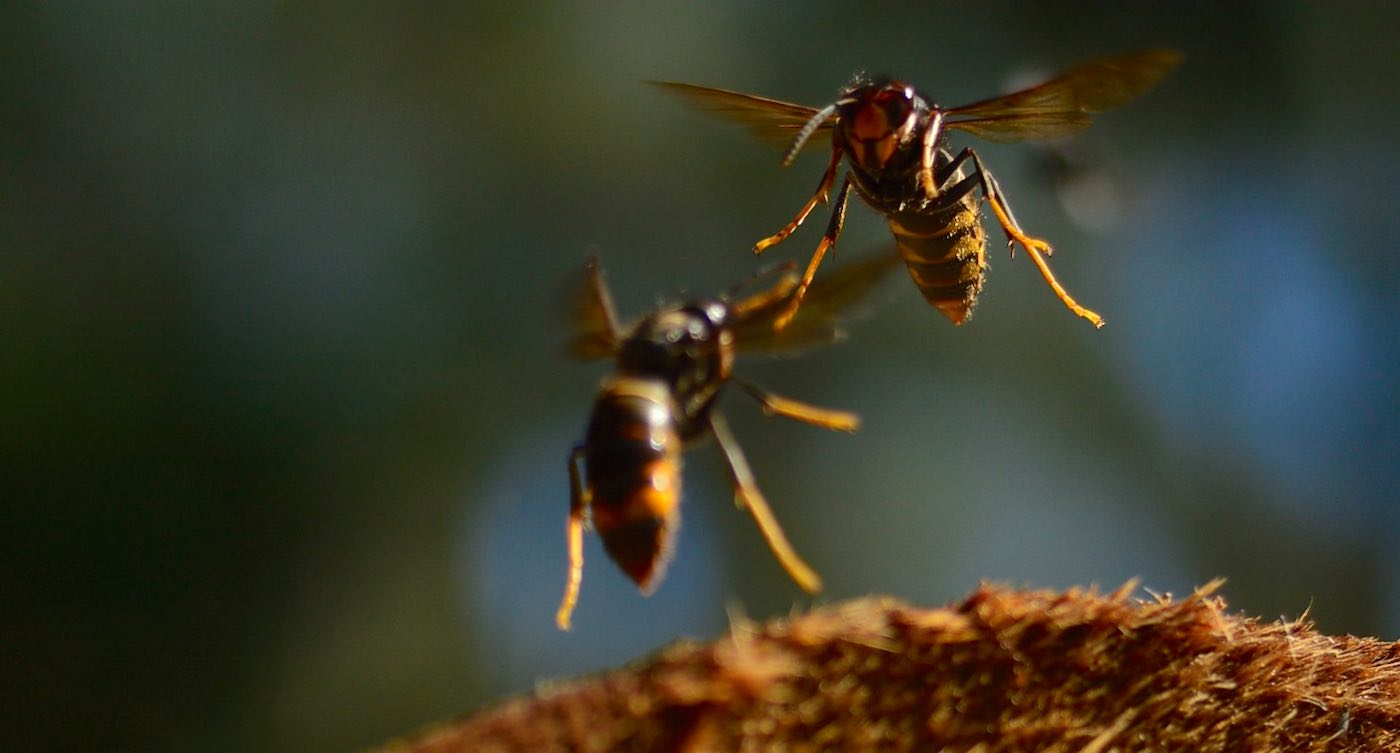
Researchers from the University of Exeter have discovered that buff-tailed bumblebees have a unique defensive strategy against Asian hornets. When attacked, the bumblebees drop to the ground, effectively repelling the hornets. However, bumblebee colonies in hornet-dense areas still experience reduced growth rates, indicating negative impacts. Asian hornets, which have invaded parts of Europe and Asia and recently appeared in the US, pose a threat to pollinators. The study highlights the importance of understanding the interactions between invasive species and native pollinators for effective conservation efforts.

Nematodes Hitchhike on Bumblebees Using Electric Fields

Originally Published 2 years ago — by Ars Technica

Featured image for Nematodes Hitchhike on Bumblebees Using Electric Fields
Source: Ars Technica

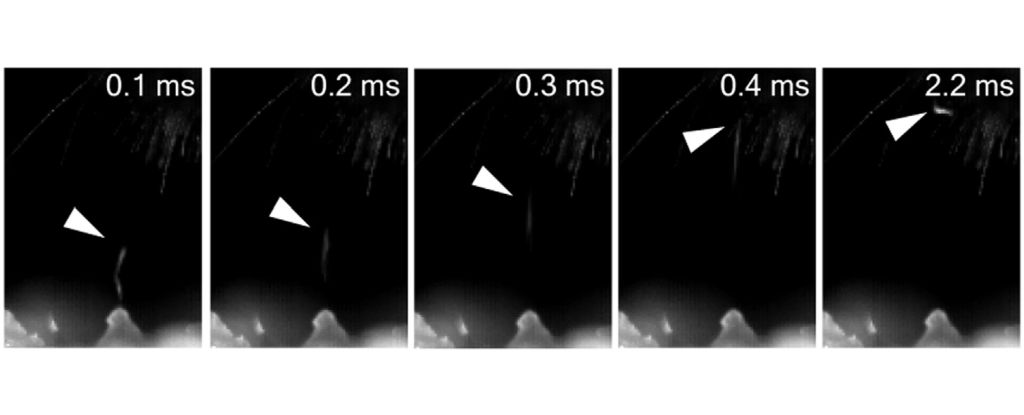
Japanese scientists have discovered that nematodes (C. elegans) use electric fields to leap from the bottom of Petri dishes to the lid and even onto bumblebees. The worms rely on a type of phoresy to achieve range and use a behavior known as "nictation" to attach to passing larger animals. Unlike snails and bugs, flying insects like bumblebees naturally accumulate charge during flight, producing an electric field. The researchers found that the worms only lept to the other electrode when the charge was applied and moved at an average speed of 0.86 meters per second.

Electricity-riding worms hitchhike on bees

Originally Published 2 years ago — by ScienceAlert

Featured image for Electricity-riding worms hitchhike on bees
Source: ScienceAlert

Researchers have discovered that tiny nematodes, including the famous Caenorhabditis elegans, use electrical fields to disperse far afield into new habitats. The worms can piggyback on electrical fields to jump a surprising distance, such as onto the back of a bumblebee for a ride to a new locale. The researchers found that electrostatic force helps power the worms' leaps, and they can hitchhike on passing bees to disperse through the environment. Further studies on the electric field and the behavior of C. elegans are expected to provide more details on the electrical ethology of microorganisms.

The Surprising Superfood Connection Between Bumble Bees and Squash Bees.

Originally Published 2 years ago — by Phys.org

Featured image for The Surprising Superfood Connection Between Bumble Bees and Squash Bees.
Source: Phys.org

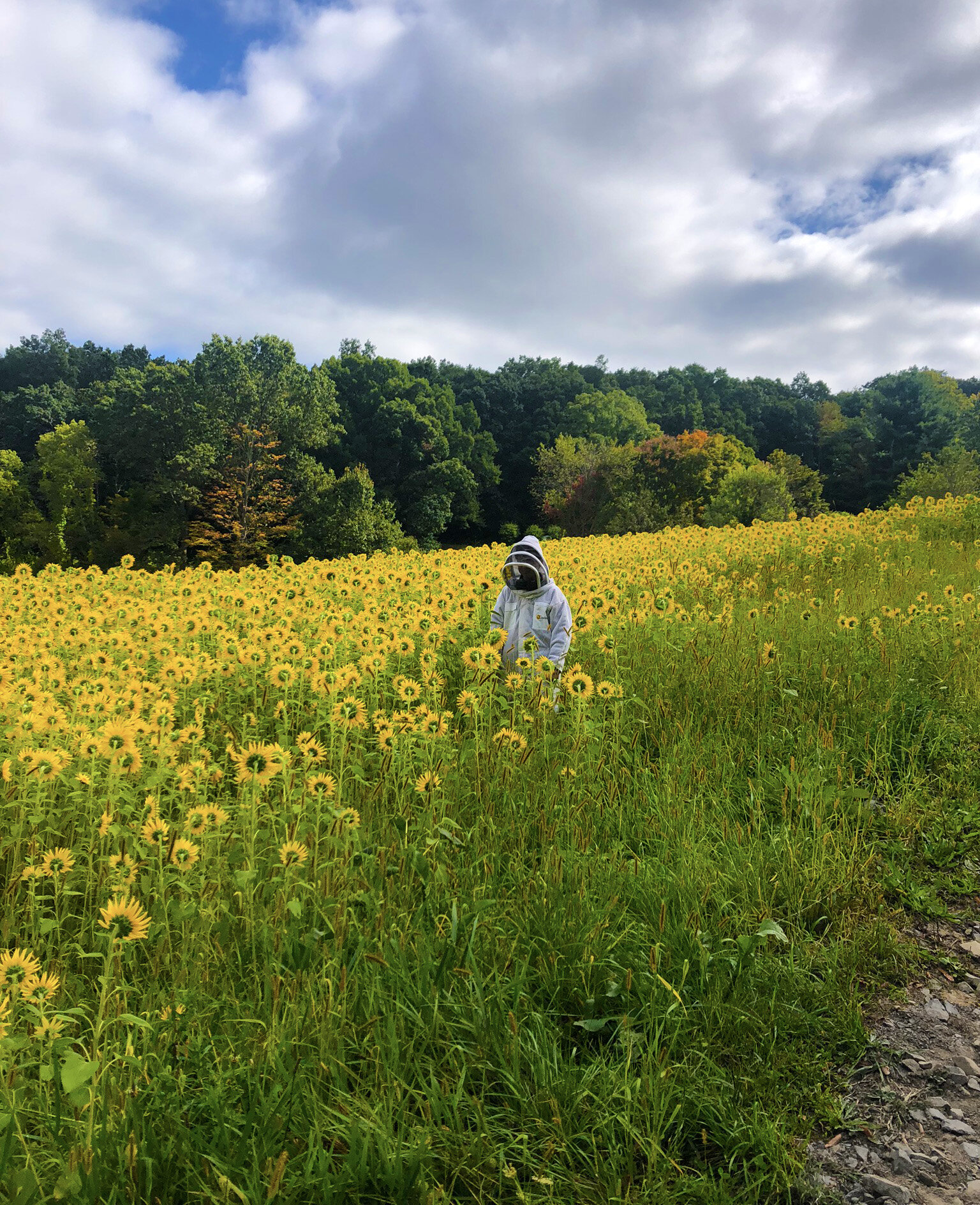
Researchers at the University of Massachusetts Amherst have discovered that the spiny pollen from plants in the sunflower family can reduce infection of a common bee parasite by 81-94% and increase the production of queen bumblebees. The research provides much-needed food for thought in one of the most vexing problems facing biologists and ecologists: how to reverse the great die-off of the world's pollinators.