A children's quiz features questions from kids about bees, boats, early houses, treats, and sharks, hosted by Molly Oldfield, who also has related books and a podcast answering children's curiosities.
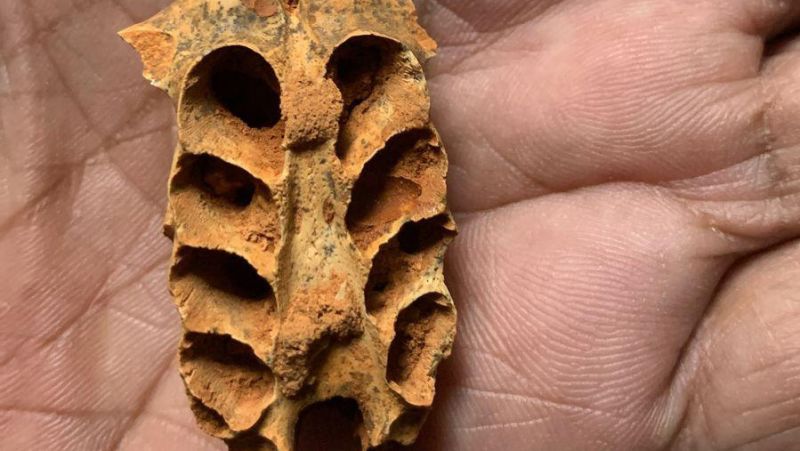
Researchers discovered ancient bee nests inside fossilized bones in a Caribbean cave, revealing a previously unknown behavior of nesting in bones and caves, dating back around 20,000 years, which expands understanding of bee ecology and adaptation.
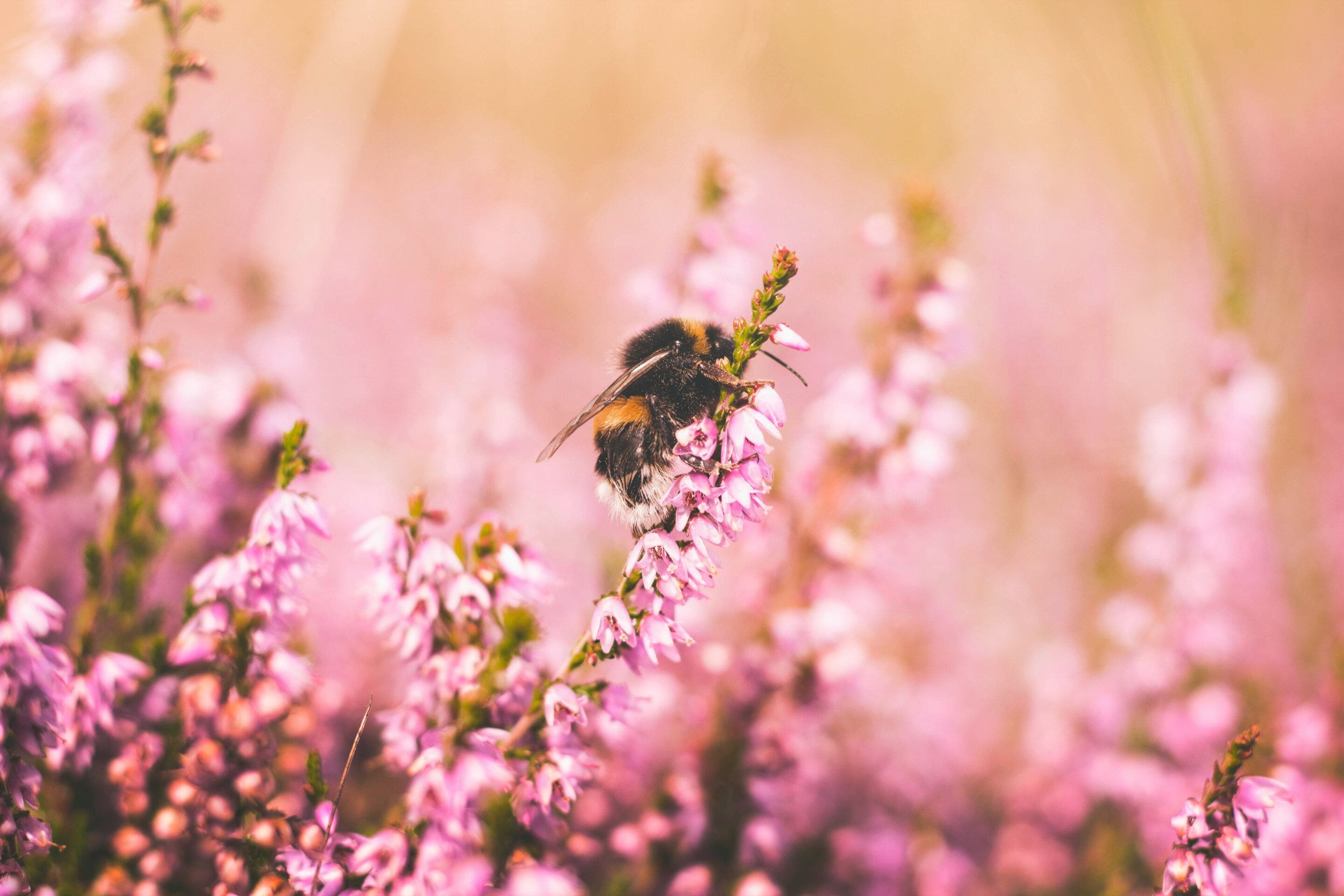
Scientists have discovered that bumblebees can process the duration of light flashes to make foraging decisions, marking the first evidence of such complex time perception in insects, which challenges previous beliefs about insect simplicity and highlights their cognitive abilities.
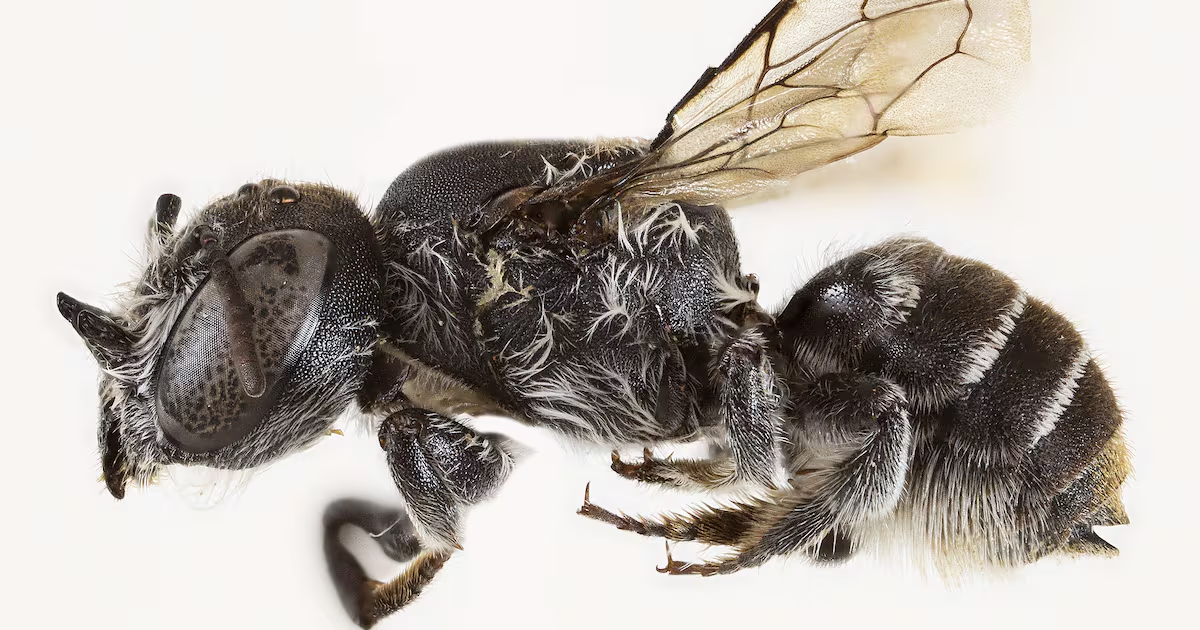
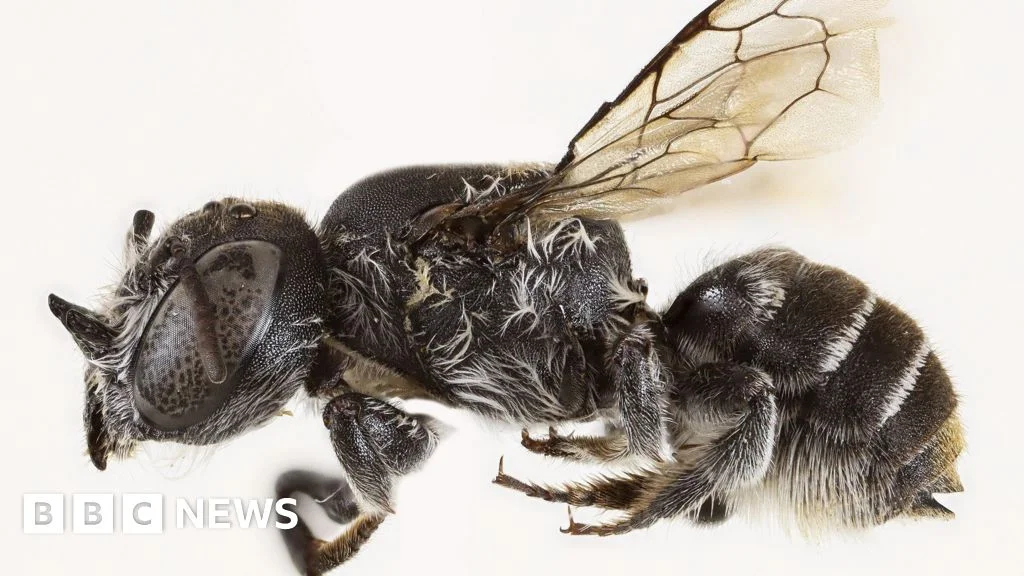
Scientists have discovered a new bee species named 'Lucifer' due to distinctive horn-like structures on females, which may serve as defense mechanisms. The name was inspired by the Netflix series Lucifer, and the discovery highlights the importance of bee conservation and understanding biodiversity.
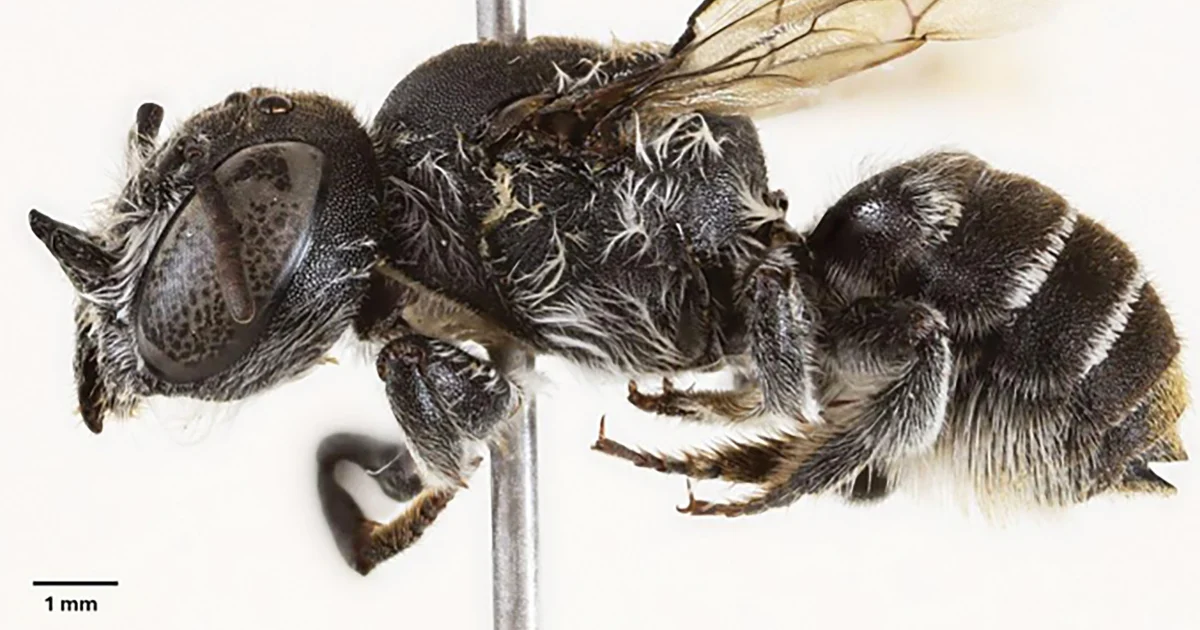
Scientists in Australia discovered a new bee species, Megachile lucifer, with devil-like horns, named after the Netflix show Lucifer. The species was found in Western Australia and is the first new bee in its group in over 20 years. Its horns may serve functions like accessing flowers or defending nests. The discovery underscores the importance of studying native bees, which are under threat from habitat loss and climate change, with many species still undescribed.
Australian scientists discovered a new native bee species with devil-like horns, named Lucifer, found in Western Australia's Bremer Ranges. The female bee's horns may serve various functions, and the discovery highlights the need for habitat protection and better understanding of native pollinators to prevent the loss of endangered plants and ecosystems.
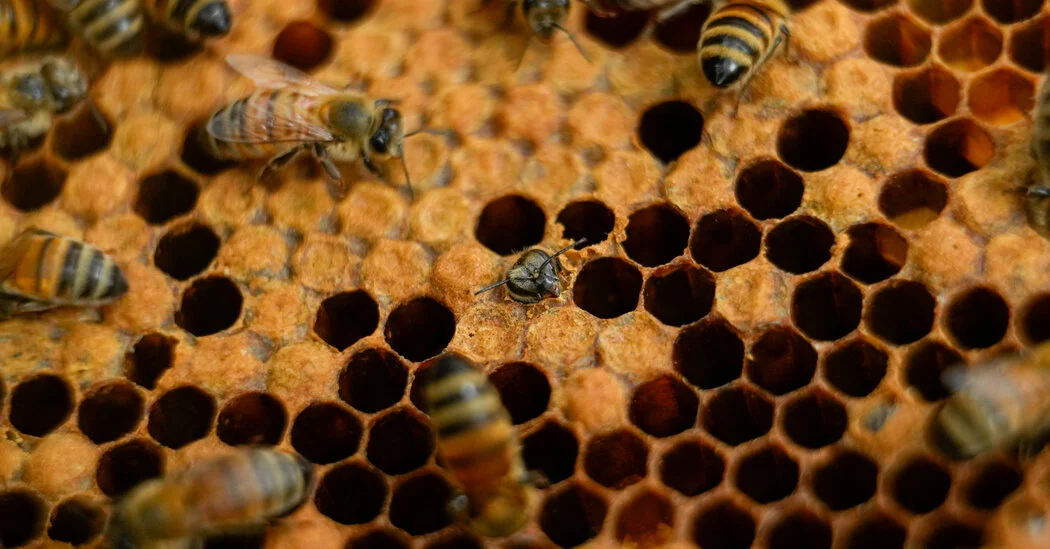
A recent study reveals that honeybees are highly adaptable and efficient in constructing honeycombs even on rough foundations, using their collaborative behavior to create the optimal hexagonal structures that maximize honey storage with minimal wax.
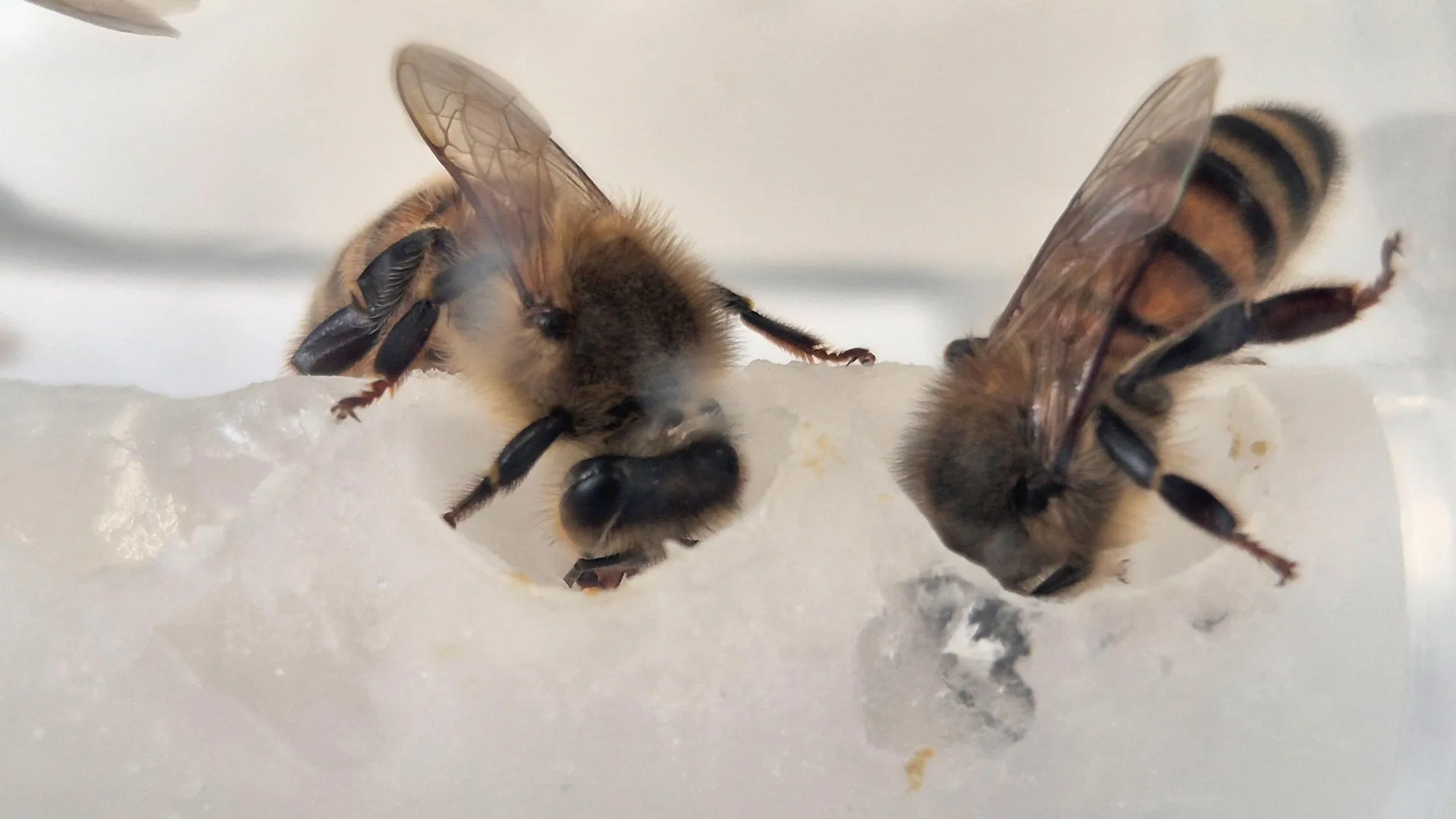
Scientists developed a sterol-enriched yeast supplement that significantly boosts honeybee colony growth, offering a sustainable solution to bee nutrient deficiencies caused by climate change and habitat loss, with potential benefits for agriculture and biodiversity.
A study in the Netherlands found that flower-filled dikes host a diverse and often rare bee population, including species on the red list, and are more effective for bee conservation than agricultural flower strips. Increasing flower diversity on dikes could boost bee populations, benefiting biodiversity and food pollination, with potential for further ecological improvements.
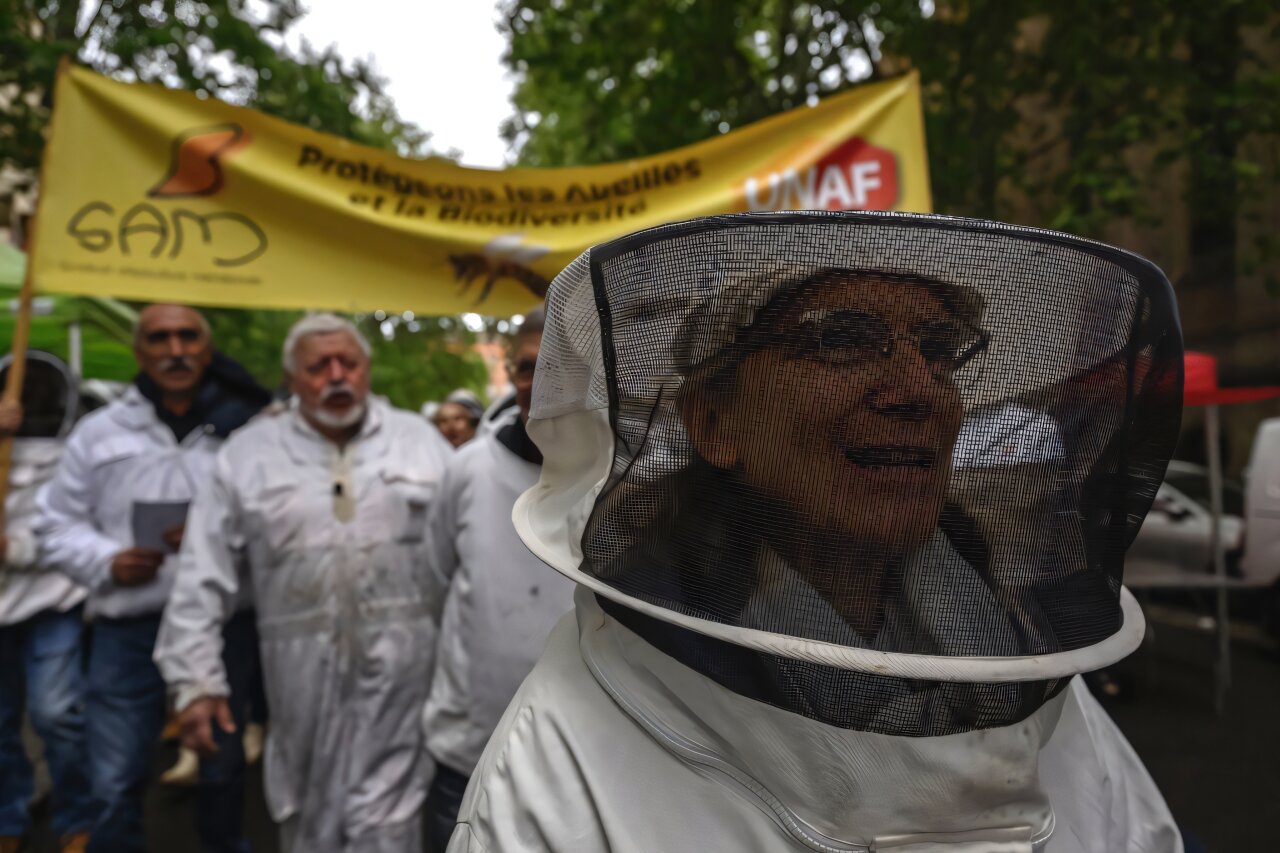
Over a million people in France have signed a petition opposing the reintroduction of the bee-killing pesticide acetamiprid, which is set to be allowed under the new 'Duplomb law'. The law, supported by some farmers and lawmakers, faces significant public opposition due to concerns over its impact on bees, ecosystems, and public health. Despite the petition's size, legislative action remains unlikely unless further parliamentary debate is triggered, with President Macron holding the power to intervene.
Research on bees' flight and cognitive behaviors reveals insights that could revolutionize AI and robotics, leading to more efficient, adaptable systems and innovative agricultural solutions through bio-inspired robotic pollinators.
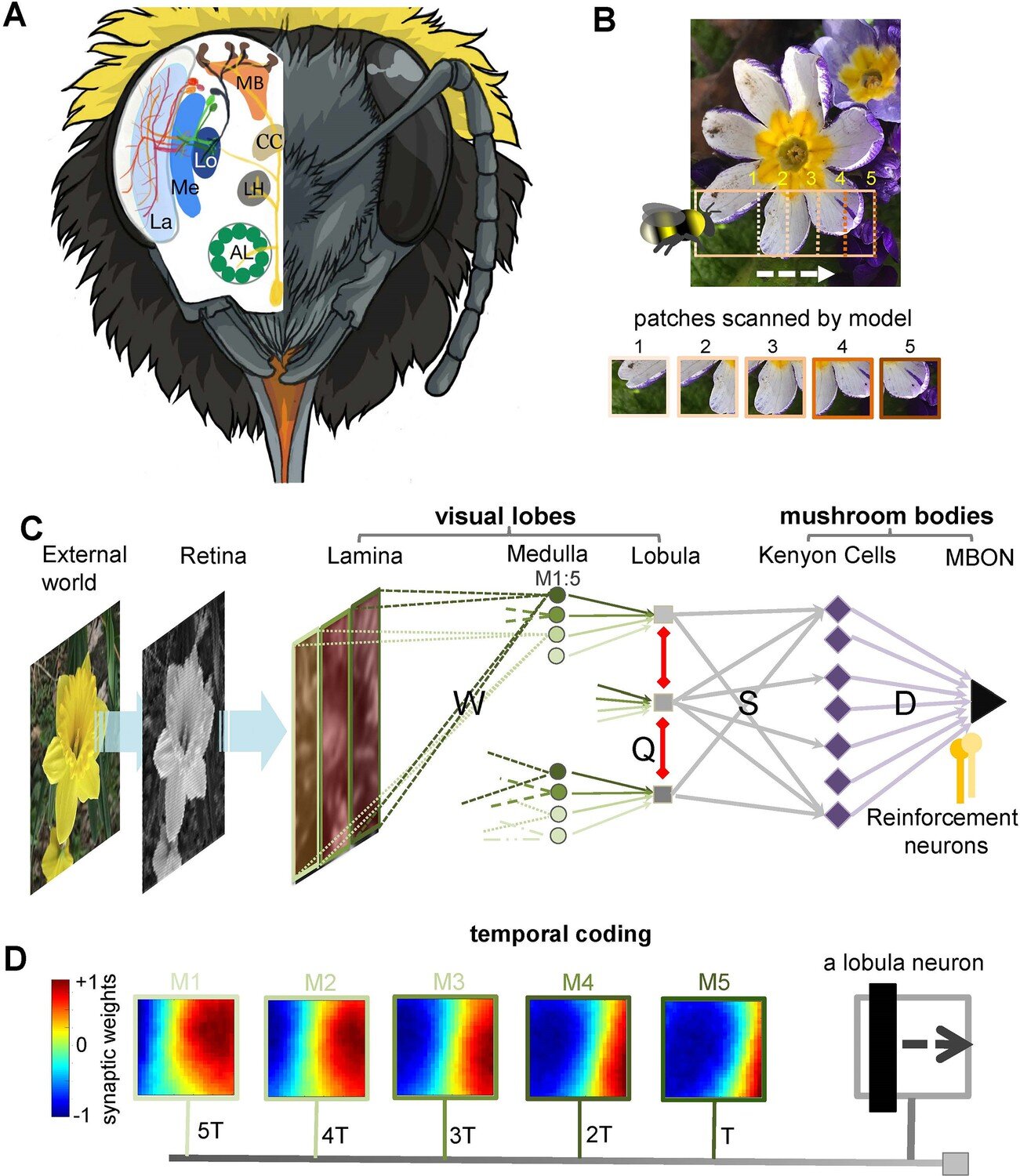
A study from the University of Sheffield reveals that bees use their flight movements to efficiently learn and recognize complex visual patterns, inspiring new approaches in AI and robotics that leverage movement for perception, potentially leading to smarter, resource-efficient machines.
A truck carrying 250 million honeybees overturned in Washington, causing a swarm that temporarily overwhelmed local authorities. Efforts are underway to rescue and contain the bees, with experts emphasizing the importance of quick response and proper planning for such incidents.
A truck carrying approximately 250 million bees overturned in Washington state, releasing the insects into the wild. Authorities and beekeepers are working to rescue and recapture the bees to prevent further swarming and to protect their crucial role in pollination and food production. The incident highlights concerns about bee populations facing threats from various environmental factors.
Approximately 250 million honeybees escaped after an overturned truck in Washington, prompting rescue efforts by beekeepers and authorities to contain and re-hive the insects, with most expected to return to their hives within 24-48 hours.