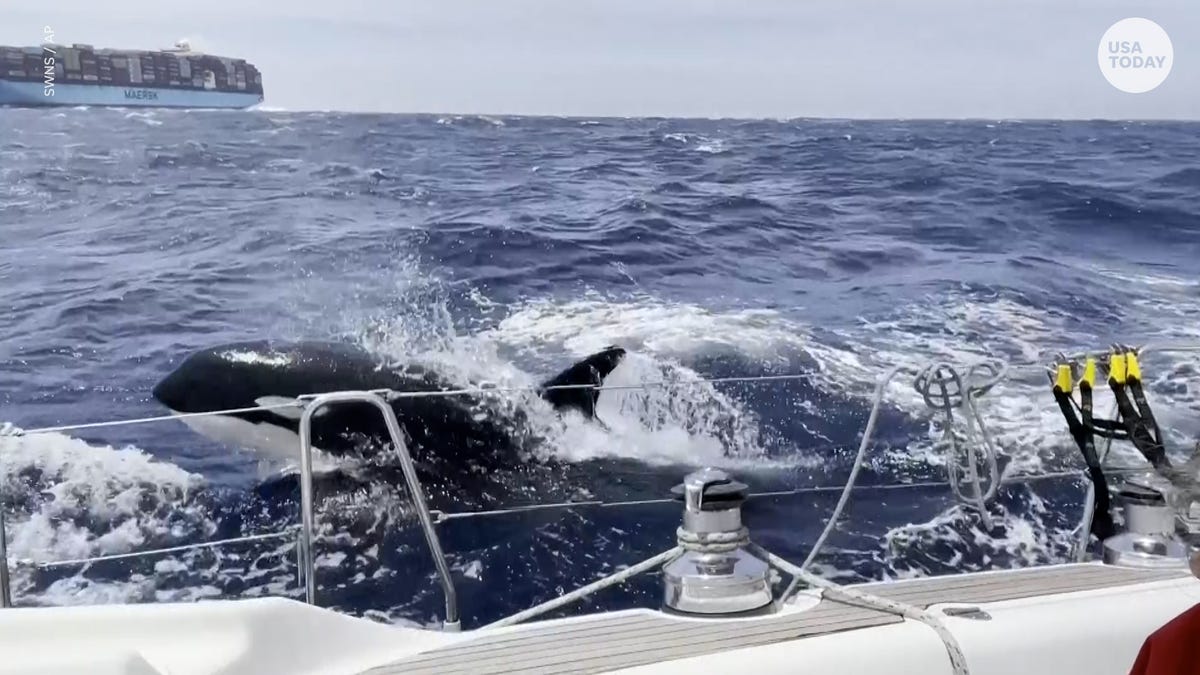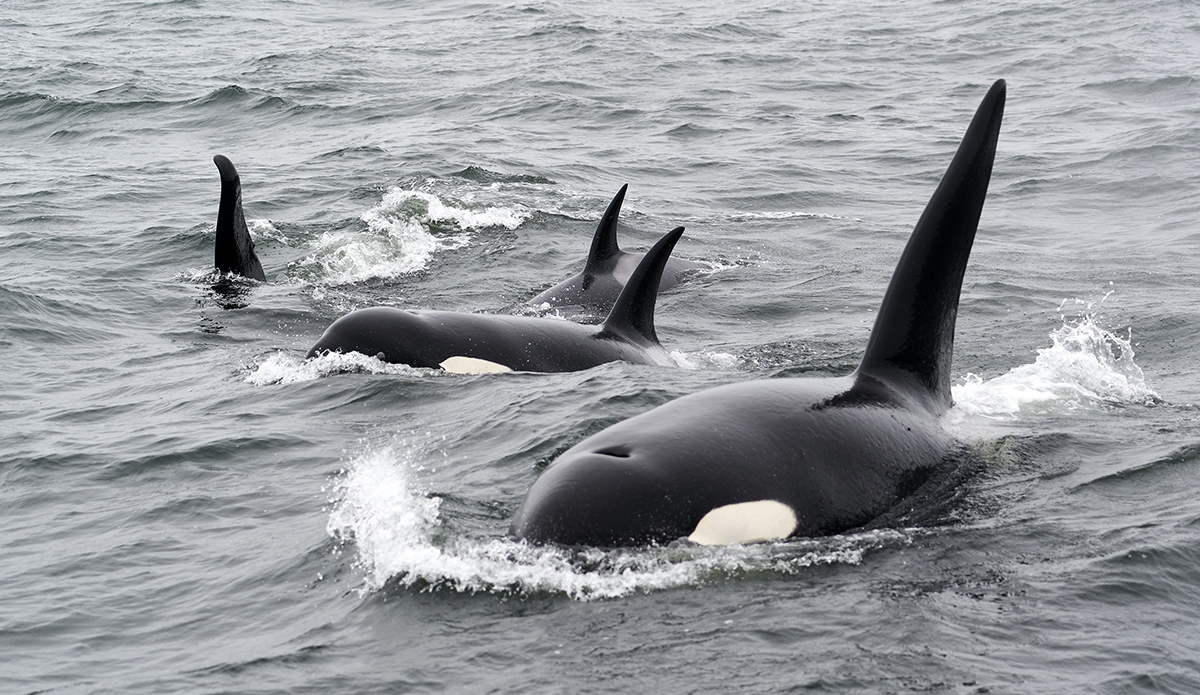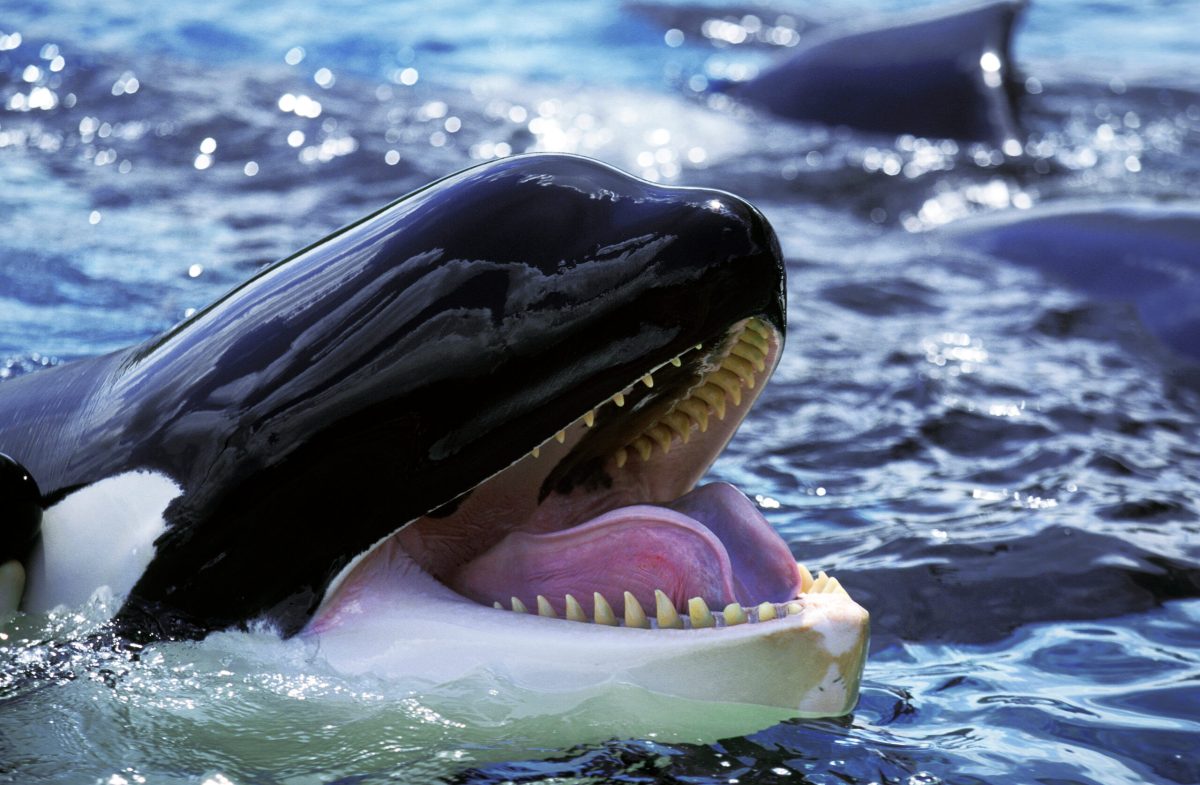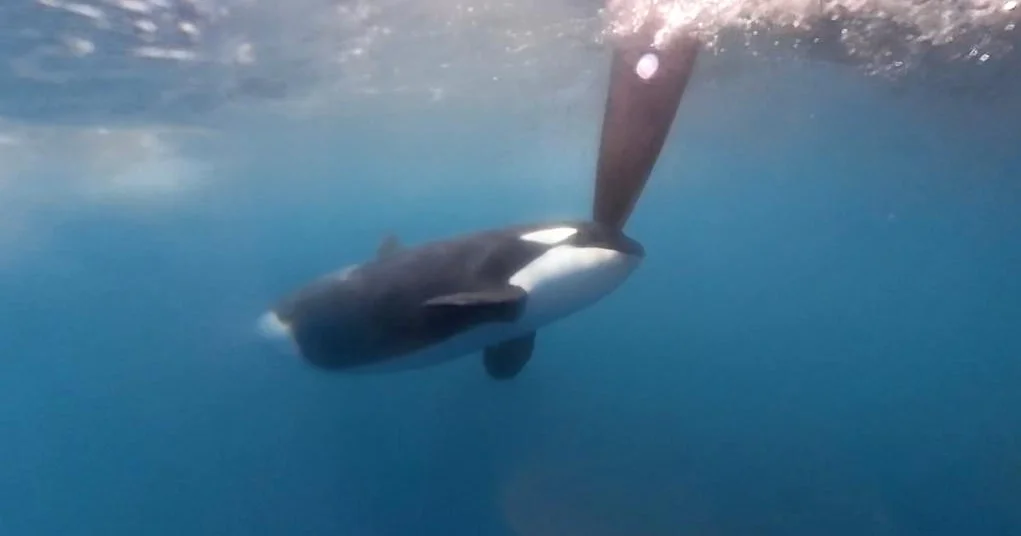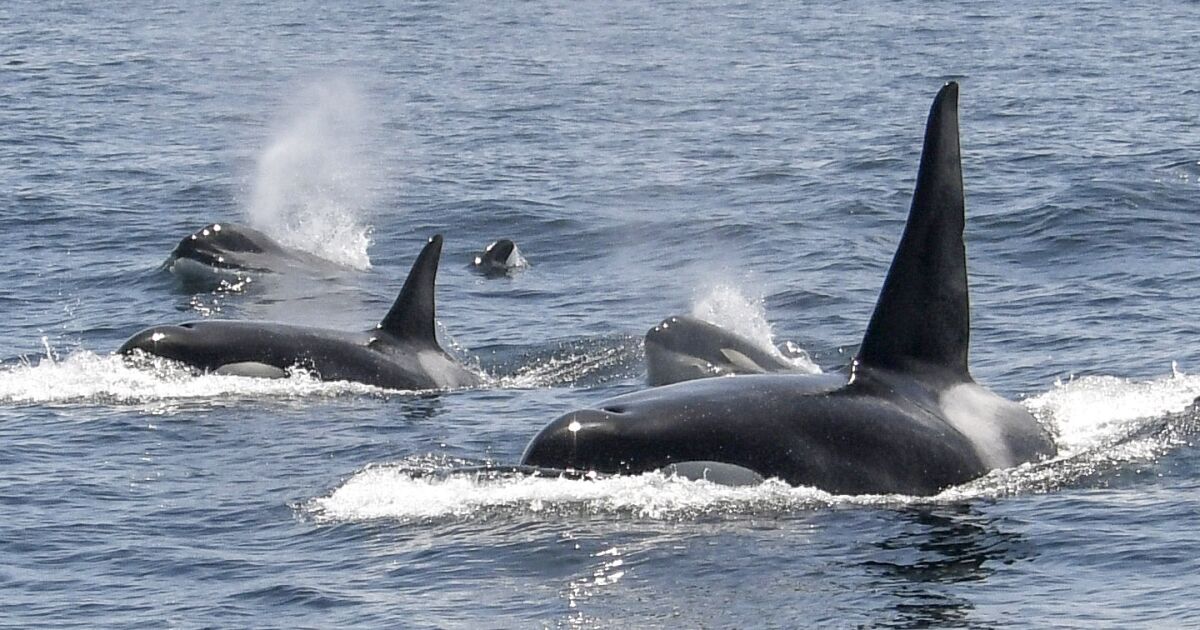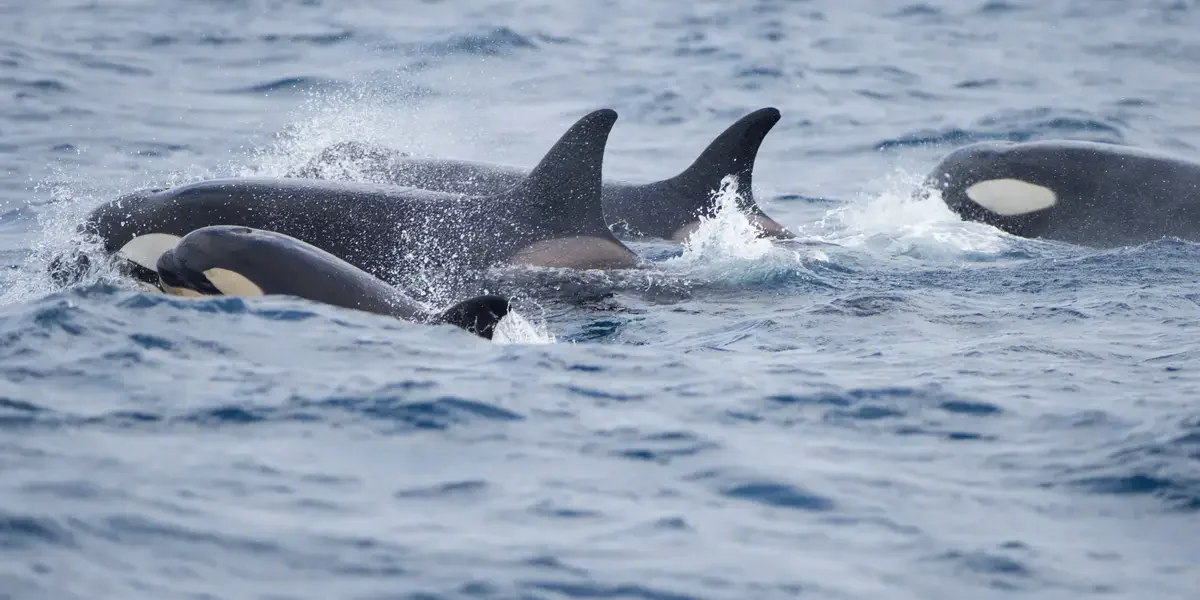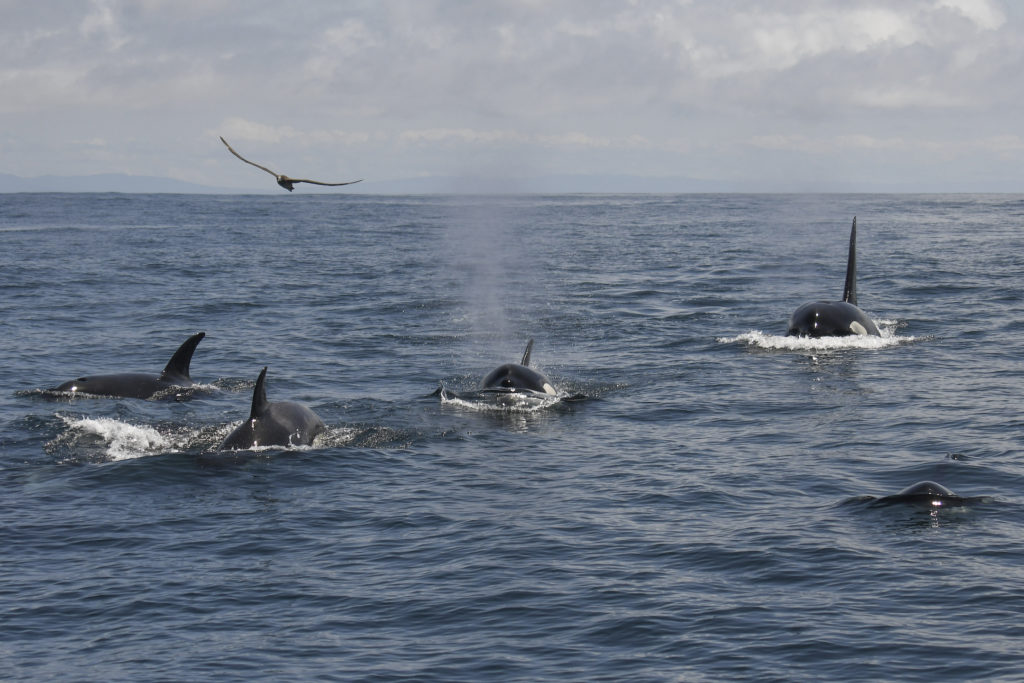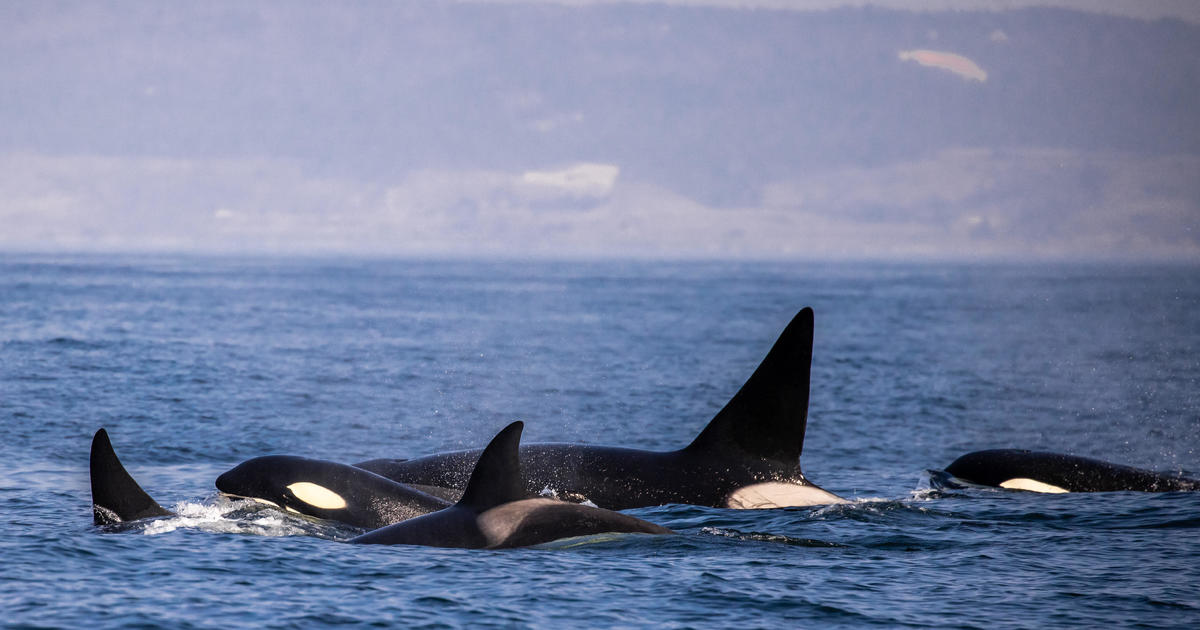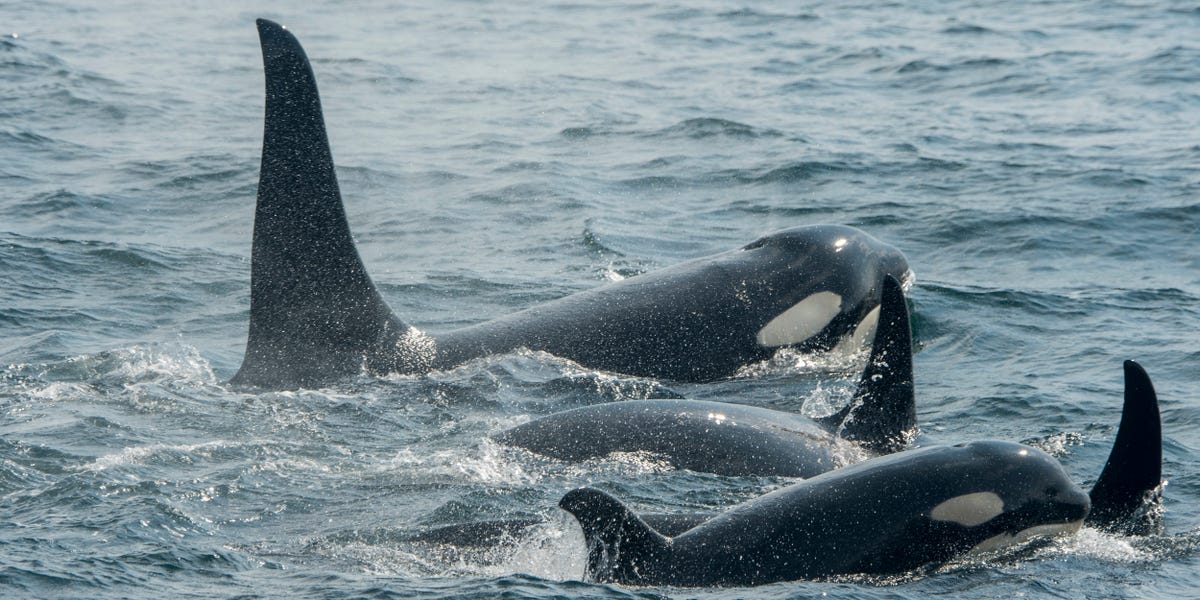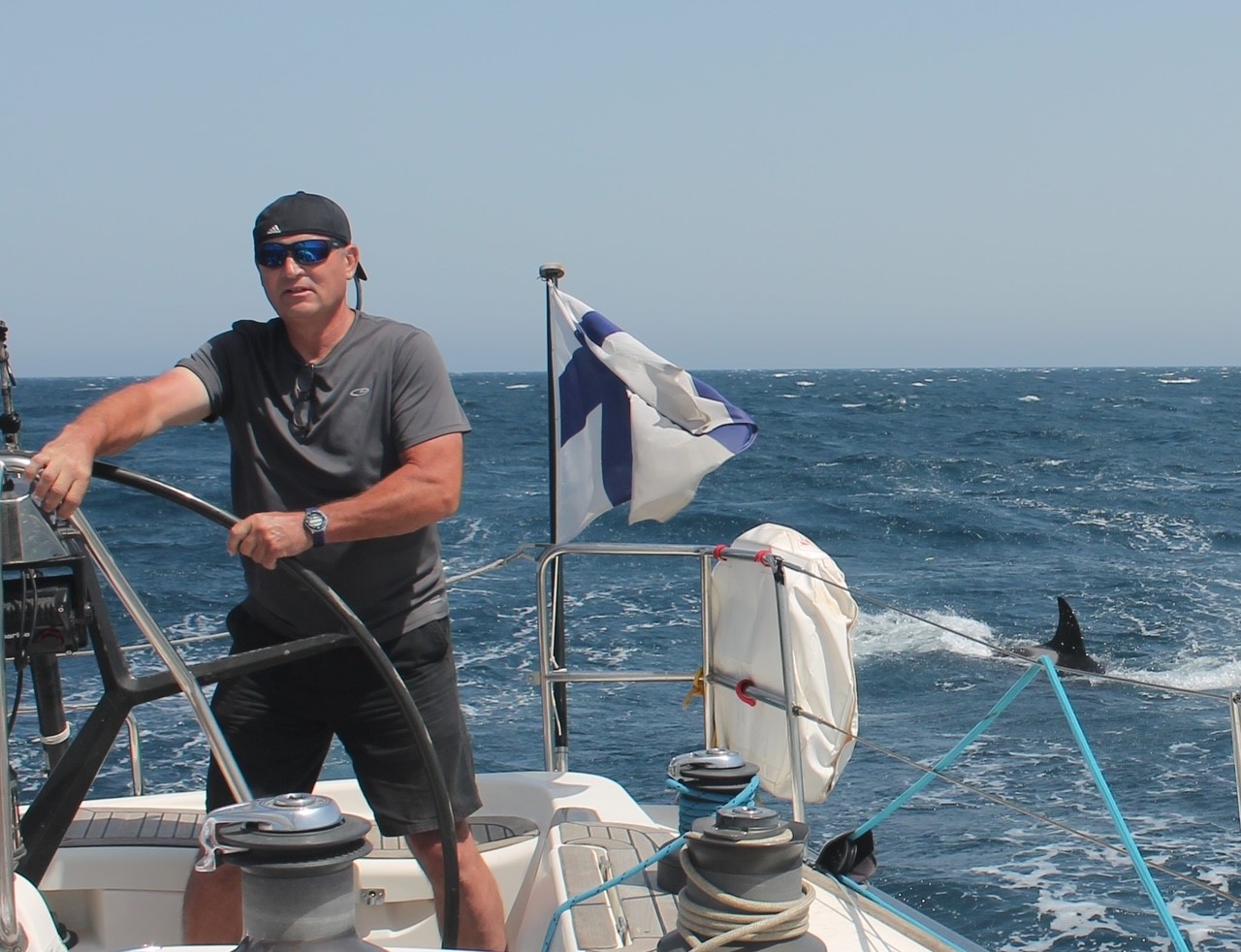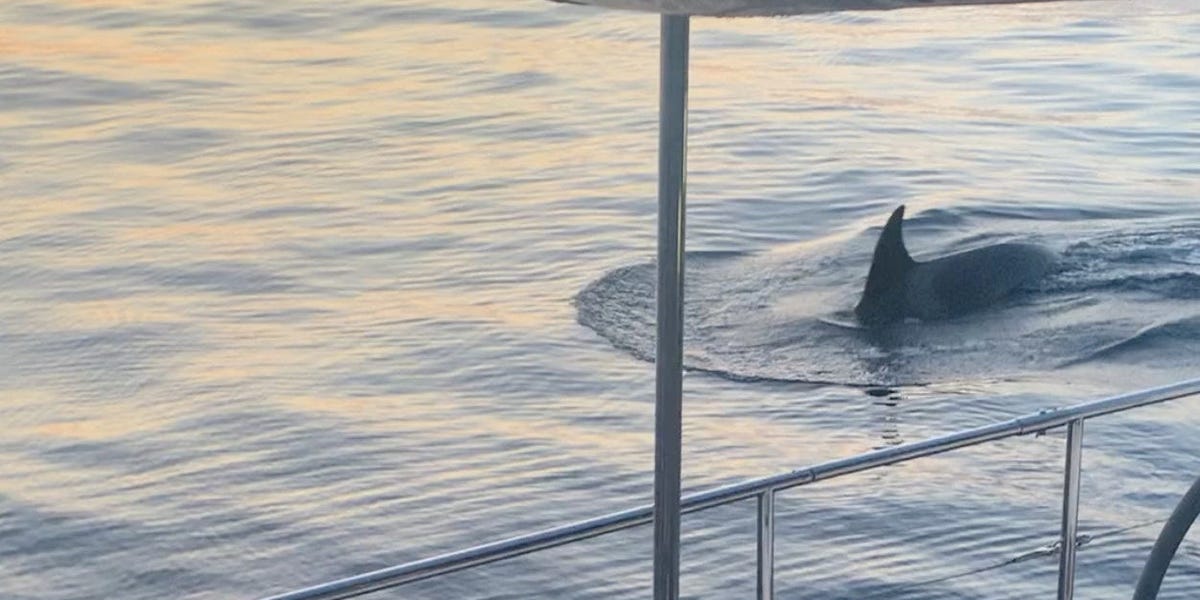
An international group of scientists has concluded that the recent trend of orcas ramming and sinking boats off the coasts of Spain, Portugal, France, and Morocco is likely due to young, bored orcas engaging in playful behavior. The orcas, particularly juveniles, have been interacting with boat rudders as a form of entertainment, a behavior that has increased as their primary prey, bluefin tuna, has become more abundant. The scientists recommend boaters avoid areas with high orca activity and use deterrents to prevent interactions.
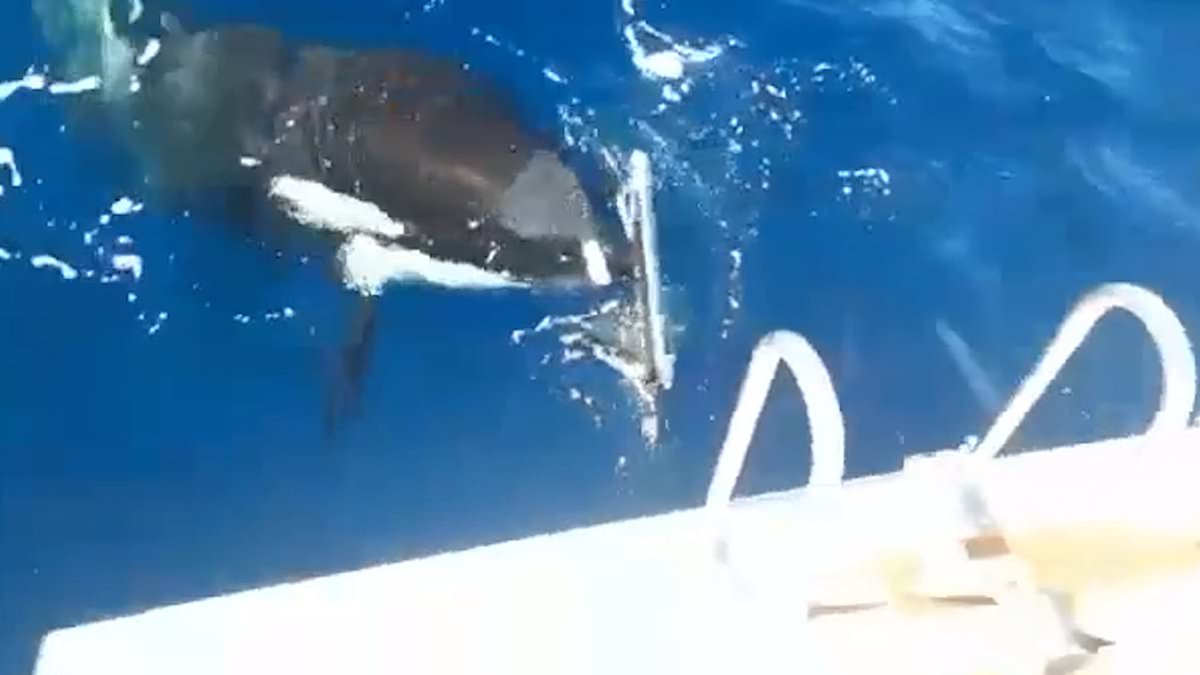
Sailors in southwestern Europe have resorted to blasting heavy metal music through underwater speakers in an attempt to deter killer whales from ramming boats. The reason behind the increase in attacks is unknown, leaving animal behavioralists puzzled. While some sailors claim that playing heavy metal music has been effective in preventing attacks, others have had no success. Reports suggest that the behavior may be spreading among the orca population, with younger whales learning it from their elders. The attacks have caused damage to boats and even resulted in vessels being capsized. Scientists speculate that the orcas may be playing games or seeking revenge for past trauma, but the exact motivation remains unclear.
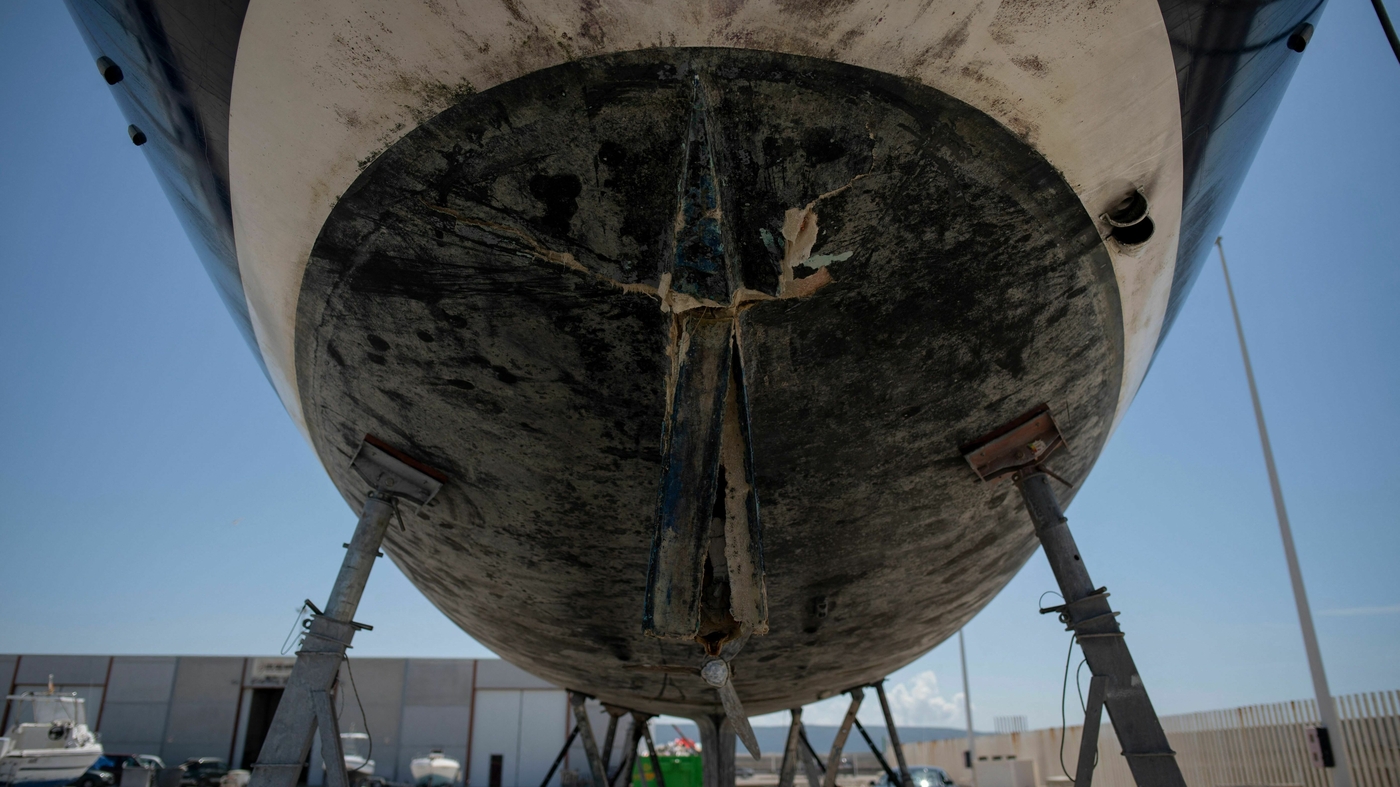
A pod of orcas in southwestern Europe has sunk a sailing boat, marking the fourth incident in two years where orcas are blamed for sinking ships in the region. The attack occurred off the coast of Morocco in the Strait of Gibraltar, with the yacht's rudder sustaining major damage from repeated hits by the orcas. No human injuries or deaths have been reported in these incidents, but the behavior of the orcas remains a mystery. Experts believe the orcas may be engaging in "play" or have negative experiences with boats, but emphasize that there is typically no threat to humans in boats from these marine predators.
A Polish yacht named the Grazie Mamma II was attacked and ultimately sunk by a pack of orcas in the Strait of Gibraltar. The crew members were safely evacuated, but the vessel suffered major damage and a leak. Since 2020, there have been over 500 interactions between orcas and boats in the area, resulting in the sinking of three vessels and disabling of dozens more. The cause of these interactions is still unknown, with theories ranging from playful behavior to attempts to prevent aversive moments. The company that owns the yacht plans to rebuild and continue with upcoming cruises.
An orca rammed a yacht off the Scottish coast, more than 2,000 miles from the previous incidents of orcas attacking boats in Portugese and Spanish waters. Experts suspect the attacks are linked to human activities at sea, such as fishing, noise pollution, and boat traffic. The behavior appears to be spreading through social learning, with orcas imitating each other and reproducing acts they deem advantageous or interesting in some way.
Two sailing teams participating in The Ocean Race VO65 Sprint encountered a pod of orcas in the Atlantic Ocean to the west of Gibraltar. The orcas pushed up against the boats, nudged and bitten at the rudders, and in one case, rammed the boat. No injuries were reported, but the incidents come amid reports of seemingly coordinated attacks on boats by orcas, with incidents tripling in the past two years.
Endangered killer whales have been attacking boats in European waters since spring 2020, with over 500 reports of orca encounters off the Iberian peninsula. While shaky video footage has ignited a global internet sensation, experts have struggled to explain the behavior and its timing. Most killer whale scientists have offered a different interpretation, suggesting that the animals are engaging with boats because the vessels are making an interesting vibration or sound, or the way the water moves past the keels is intriguing to these animals.
Orca encounters with boats are happening frequently off the coasts of Spain and Portugal, with at least one incident reported every day on average. Rui Alves' website, orcas.pt, tracks these sightings and attacks. The reason for the orcas' behavior is unclear, but some experts suggest they may just want to play. However, these apex predators should not be underestimated, as they have been known to hunt great white sharks and blue whales. It is important to follow safety rules and never enter the water with them.
Orcas have been attacking boats off the coasts of Portugal, Spain, and Morocco, with 207 reported interactions in the Strait of Gibraltar alone in 2022. In recent incidents, orcas have rammed boats and caused them to sink, prompting concern among researchers and sailors.
Killer whales, also known as orcas, are increasingly attacking yachts along Europe's Iberian coast, with some suggesting that their tactics are becoming more stealthy. While some researchers believe that these incidents are not meant as attacks, but merely represent playful behavior, others think that the orcas are carrying out revenge attacks due to past trauma. However, not all experts agree with this hypothesis, and it's important to remember that this behavior is not being transmitted to pods in other parts of the world.
Boat captain Dan Kriz has experienced two ambushes by pods of orcas, with the second attack seeming more targeted. The orcas bit off both rudders and seemed to know exactly what to do to prevent the boat from traveling any farther. Kriz is one of several people to experience encounters with orcas off the coasts of Portugal and Spain in recent months. The reason why killer whales have been ramming into boats remains a mystery, but incidents have more than tripled in the past two years.
A ship captain, Dan Kriz, who has had his boats attacked by orcas twice, believes that the orcas are becoming more organized and faster in their attacks. Kriz noticed marked differences in the ways the orcas behaved during the latest attack, which was more organized and swifter compared to the one three years ago. The orcas' increasingly aggressive behavior has seen them ramming and even sinking boats. Some marine life experts believe that a traumatized orca called White Gladis may have kickstarted the trend of orca boat attacks. Nonetheless, experts have cautioned sailors against retaliating against the orcas and to instead remain calm.
A sailor who has been attacked twice by the same pod of orcas says the killer whales are refining their strategy. The orcas have been causing significant damage to boats along the Strait of Gibraltar, and researchers have several theories as to why they are targeting ships. Some believe the orcas might be using boats to teach their young how to hunt, while others think a single, revenge-bent female has taught the others to attack ships after being injured by one in the past. Many sailors are arming themselves with guns and other weapons to defend their ships, but experts urge against causing any harm to these animals.
A pod of killer whales has been attacking boats off the Atlantic coast of the Iberian Peninsula, with the latest incident involving a yacht that was repeatedly rammed and damaged enough to require rescue. The Atlantic Orca Working Group has been studying the behavior of these orcas, which seem to be targeting boats in pursuit of red tuna. The cause of the behavior is unknown, but researchers have identified 15 individual whales involved in the incidents, with some theories suggesting they are playing or have experienced a traumatic event with a boat.
A pod of orcas severely damaged a yacht off the coast of Spain, destroying the rudder and piercing the hull, forcing the crew to make a Mayday call for assistance. One of the sailors urged people not to "demonize" the marine animals. The attacks are increasingly common, and scientists are examining the recent phenomenon of orcas attacking boats in the Iberian peninsula. One theory suggests that one female orca named White Gladis may have experienced a traumatic event that triggered a change in her behavior to attack sailboats.