A study shows that human activities like feeding hummingbirds and planting non-native nectar sources have led to rapid evolutionary changes in Anna's hummingbirds, particularly in their bill shape, as they adapt to new environments and food sources over decades.
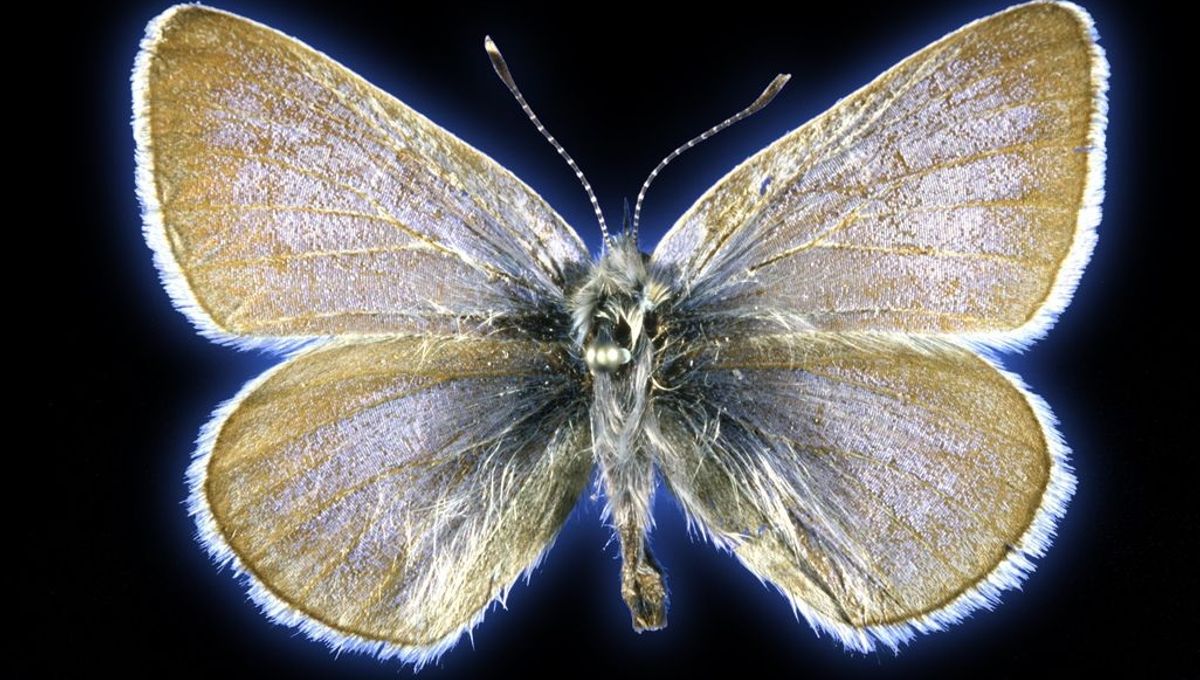
The Xerces blue butterfly, native to California and last seen in 1941, was confirmed as the first American insect species driven to extinction by human activity, with recent genetic analysis proving its distinctness from similar species. Despite its extinction, the butterfly's genome has been sequenced, raising possibilities for future de-extinction efforts, amidst ongoing concerns about insect declines and ecosystem health.
The final report of the Post Office IT scandal inquiry will highlight the human impact and focus on compensation for victims, with a subsequent report expected in 2026 addressing accountability and blame, as the scandal's long-lasting justice process continues.
Earth has experienced five major mass extinctions caused by natural events, but now scientists warn that human activity may be triggering a sixth, potentially catastrophic, extinction event with up to a million species at risk.
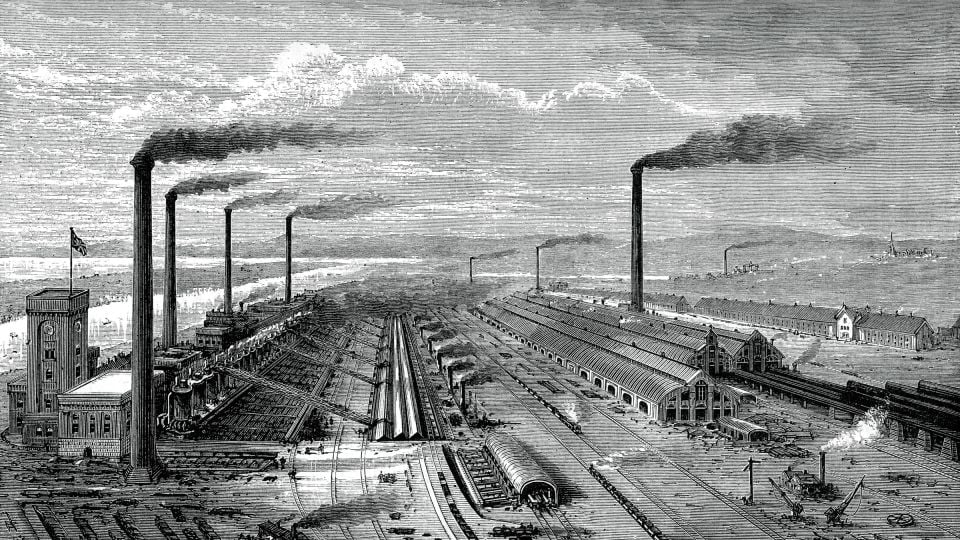
A new study suggests that human-caused climate change signals in Earth's atmosphere, particularly in the upper atmosphere, were detectable as early as 1885, much earlier than previously thought, highlighting the long-standing impact of human activity on the climate and the importance of continued atmospheric monitoring.
A new study suggests that human-caused climate change signals in Earth's atmosphere, particularly in the upper atmosphere, were detectable as early as 1885, much earlier than previously thought, highlighting the importance of atmospheric monitoring for understanding climate change.
Ancient sloths, some as large as elephants, once roamed America, but most went extinct around 15,000 years ago, likely due to human activity rather than climate change. Modern sloths are much smaller and better adapted to arboreal life, with only six species remaining, two of which are endangered. The study highlights the impact of humans on megafauna extinction and the importance of conservation.
A recent study published in Geophysical Research Letters reveals that extensive groundwater pumping by humans has caused the Earth to tilt by 31.5 inches over the past two decades. This redistribution of water contributes to sea level rise, highlighting the significant impact human activities can have on the planet's natural systems. The study emphasizes that groundwater redistribution has a larger effect on the Earth's rotational pole drift than other climate-related factors.
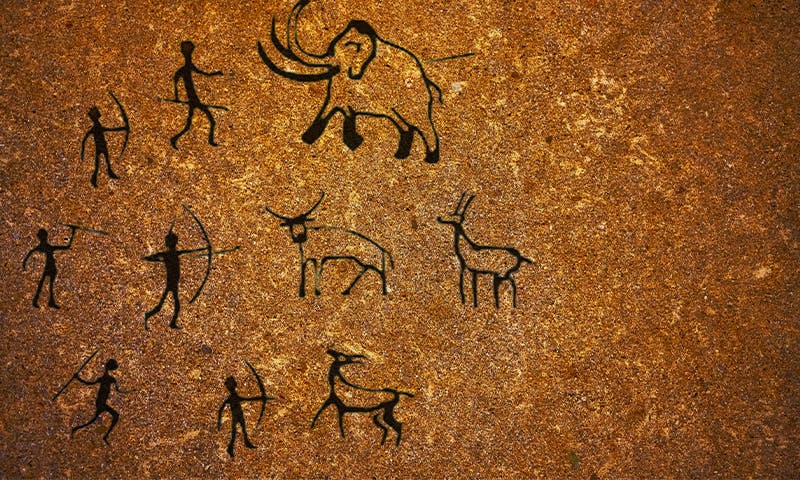
Recent research suggests that human hunting, rather than climate change, was the primary cause of the extinction of most megafauna over the past 50,000 years. Analyzing ancient extinction, climate, and human migration data, scientists found that the timing and locations of these extinctions align closely with human colonization patterns. This highlights the significant impact humans have had on large mammals, which continue to be vulnerable today.
A study by 57 scientists found that Earth is warming at a record rate, with 92% of last year's heat caused by human activities, primarily fossil fuel use. The warming rate hit 0.26 degrees Celsius per decade in 2023, the highest ever recorded. Despite the alarming increase, scientists do not see evidence of significant acceleration in climate change beyond increased fossil fuel burning. The report warns that continued use of coal, oil, and natural gas could push global temperatures past the critical 1.5 degrees Celsius threshold within 4.5 years, leading to severe ecological and weather impacts.
New research from the University of Adelaide and University of Copenhagen has solved the 10,000-year-old mystery of the woolly rhinoceros extinction, revealing that a combination of human hunting and climate change led to their demise. Using advanced techniques involving ancient DNA, fossils, and high-resolution computer modeling, the study found that cooling temperatures and human activity forced the species into fragmented populations, which became isolated and vulnerable as the Last Ice Age ended. This research challenges previous beliefs and aims to inform conservation strategies for modern-day species facing similar threats.
Scientists report that climate change has caused the equivalent of an extra hot month over the past year, with 80% of Earth's population experiencing at least 31 days of abnormally high temperatures. The burning of fossil fuels is a major contributor, and the impact is particularly severe in parts of the US, South America, and Africa.
The 2024 World Press Photo of the Year Award was given to a poignant image captured by Palestinian Reuters photographer Mohammed Salem, depicting a grieving woman in Gaza cradling the body of her 5-year-old niece in a morgue. The photograph, taken amidst the aftermath of Israeli airstrikes, aims to raise awareness of the human impact of war, particularly on children, and highlights the emotional turmoil experienced by families in conflict zones.
A new analysis of viral genomes reveals that humans pass on almost twice as many viruses to domestic and wild animals as we receive from them, posing a significant threat to other species. This is due to our large population size, global distribution, and behavior, which stress out the environment and make neighboring creatures more susceptible to viruses. The study also identifies features that could warn of a virus's ability to become zoonotic, emphasizing the importance of surveying and monitoring human-to-animal transmission of viruses for both human and animal health.
The proposal to mark the Anthropocene as an epoch in the geologic time scale starting in 1952 was rejected by the Subcommission on Quarternary Stratigraphy, with 12 of 18 members voting no. The rejection does not diminish the overwhelming evidence of human impact on the planet, but rather reflects concerns that the proposed start date was too recent and narrow to encompass the deeper evidence of human-caused planetary change. Despite the rejection, discussions about the Anthropocene continue, and a scientific definition of the Anthropocene as an ongoing transformative event remains widely available.