

Recent research reveals that psychopathic traits, present even at subclinical levels in the general population, influence various aspects of behavior and biology, including emotional processing, social interactions, hormonal levels, and political preferences, highlighting the complex and multifaceted nature of psychopathy.
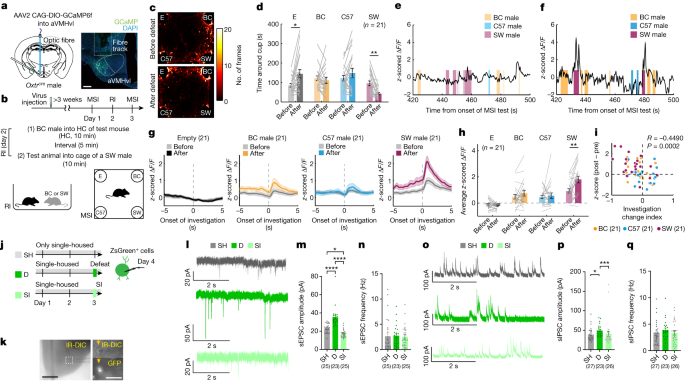
A study has identified a dedicated hypothalamic oxytocin circuit that controls aversive social learning in mice. The research, which involved optogenetic and chemogenetic manipulations, revealed that activation of this circuit enhances social fear learning, while its inhibition reduces it. The findings shed light on the neural mechanisms underlying social behavior and may have implications for understanding and potentially treating social anxiety and related disorders in humans. The data and codes associated with the study are available for download from Zenodo, and the research draws on a wide range of previous studies in the field of behavioral neuroscience.