Tag

Anthropology

All articles tagged with #anthropology

science1 day ago

Primates' Same-Sex Behavior Points to Deep Evolutionary Social Strategies

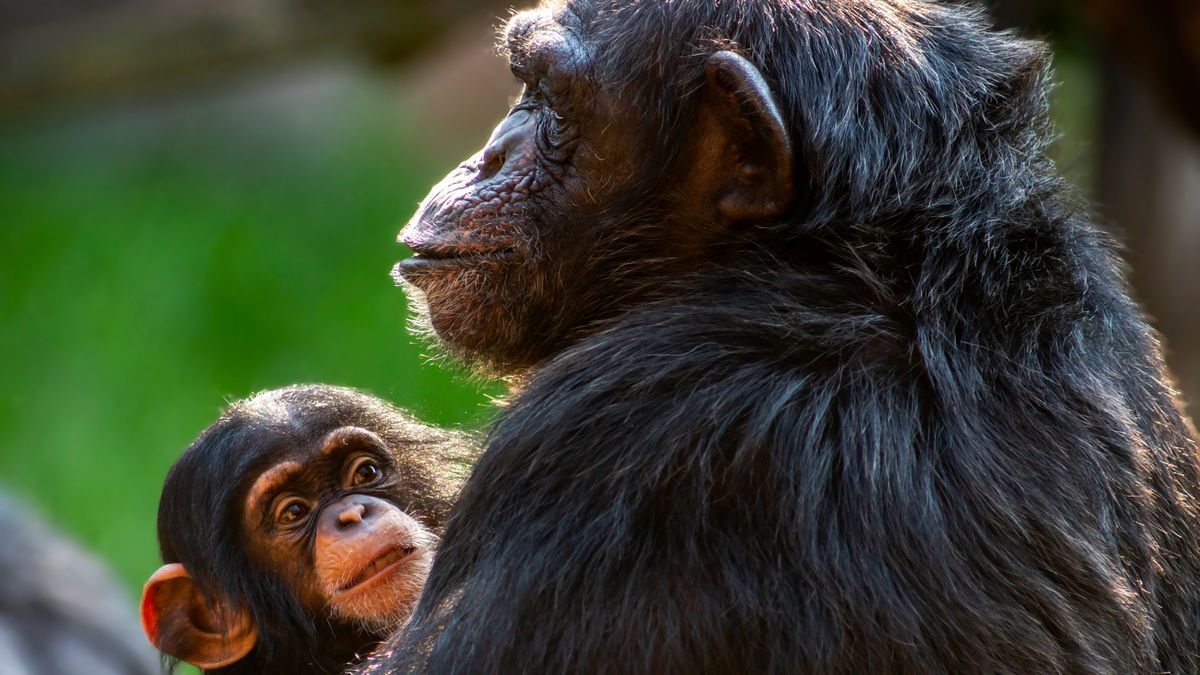
A study reviewing 491 primate species found same-sex sexual behavior in 59 species, indicating a deep evolutionary root linked to harsh environments, predation pressure, and complex social hierarchies. The behavior may help manage stress, reinforce bonds, or build alliances, with potential implications for understanding human evolution, while warning against simplistic interpretations that would erase such behavior in humans.

science6 months ago

Scientists Discover New Human Species Challenging Old Beliefs

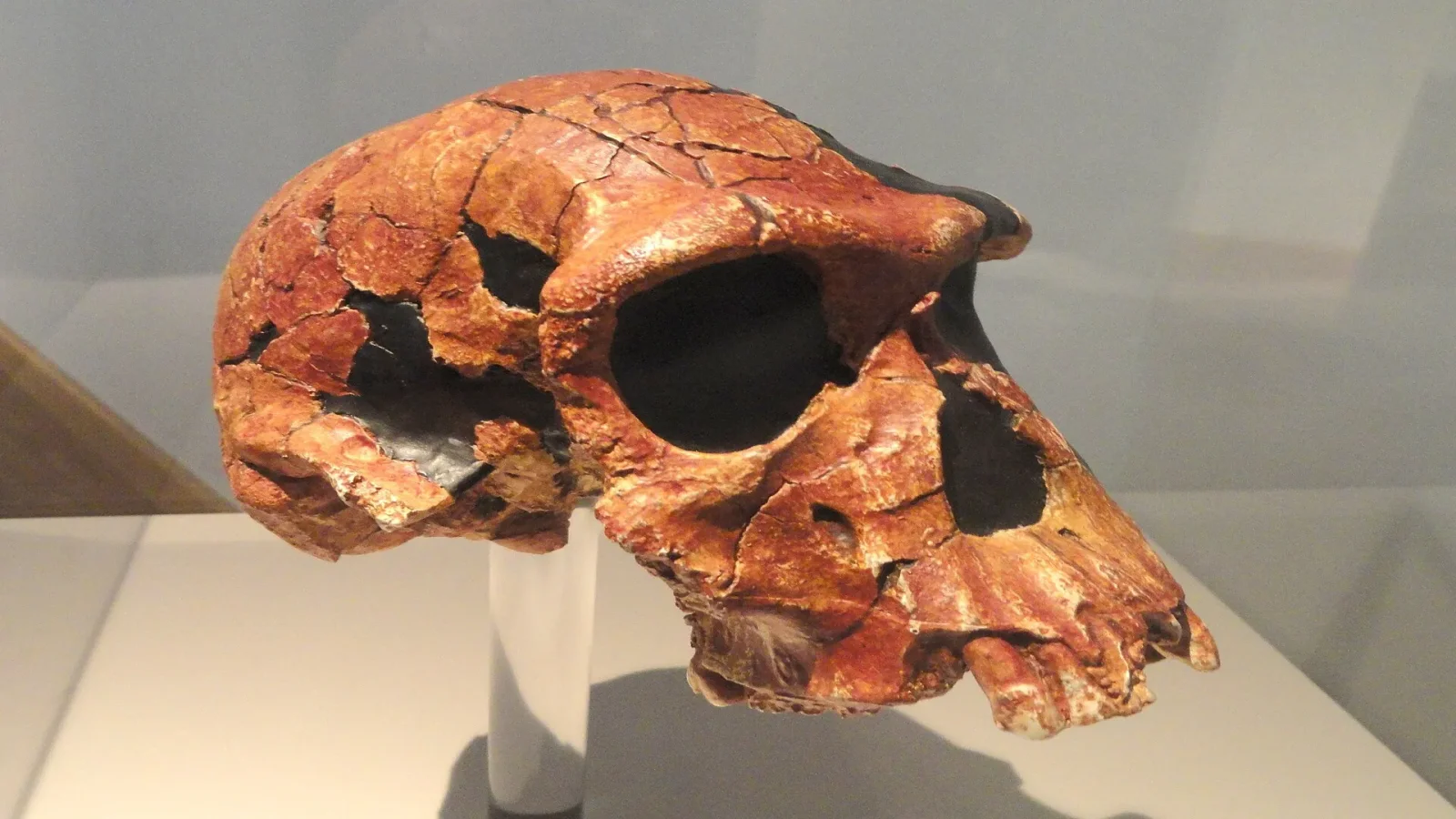
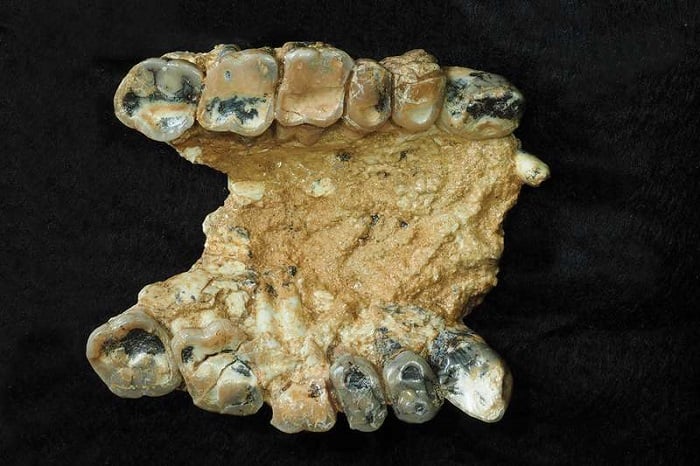
Scientists from China and Hawai'i have identified a potential new human species, Homo juluensis, based on fossil similarities, which may include Denisovans, and could help clarify the complex history of human evolution in Asia. The species thrived from 300,000 to 50,000 years ago and shows unique cranial and dental features, although further research is needed for confirmation.

science1 year ago

Anthropologist Explains Human Global Dominance

Anthropologist Morgan proposes that humans dominate the world due to their unique cultural openness, which allows for complex planning, adaptability, and innovation. Unlike animal cultures that often stagnate, human culture continuously evolves by building on accumulated knowledge, leading to advancements like modern technology. This openness is linked to the complexity of the human brain, particularly the prefrontal cortex, and raises questions about future cultural evolution in the context of emerging technologies like AI and robotics.

science1 year ago

Unraveling the Global Legacy of the Mysterious Denisovans

Denisovans were an ancient human species whose DNA has been found in diverse modern populations, particularly in Asia and Oceania. Despite limited fossil evidence, genetic studies reveal that Denisovans interbred with ancestors of modern humans, contributing to the genetic diversity seen today. Their existence highlights the complex history of human evolution and migration.

science1 year ago

Greek Fossils Challenge Africa as Cradle of Humanity

A recent analysis of fossils found in Nikiti, Greece, suggests that human ancestors may have evolved in Southeastern Europe rather than Africa, challenging the long-standing theory of African origins. The fossils, initially linked to the extinct ape Ouranopithecus, were re-evaluated by a team led by David Begun, who proposed they might belong to a new species predating the first hominin, Graecopithecus. This theory, however, is controversial and not widely accepted among experts, as it contradicts the prevailing belief that hominins originated in Africa.

education1 year ago

Hunter-Gatherer Children Master Essential Skills by Age Six

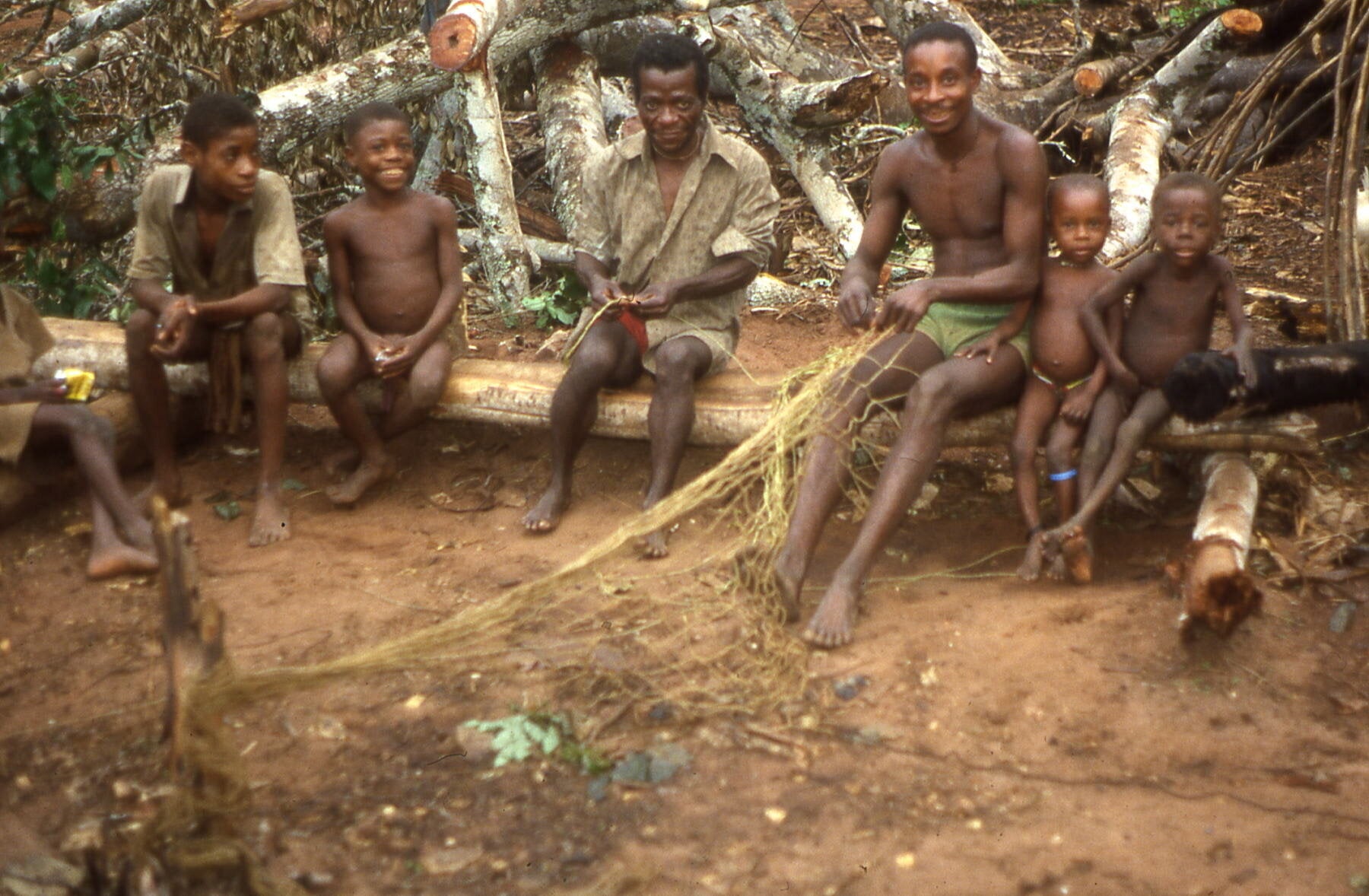
Hunter-gatherer children in the Congo Basin learn essential skills like hunting and childcare by age six through a unique social learning environment that involves parents, peers, and unrelated adults. This broad network fosters cumulative culture, allowing skills to be innovated and passed across generations. Unlike Western societies, where learning is parent- or teacher-centered, these children benefit from egalitarian values and autonomy, promoting self-driven exploration. The study highlights the importance of diverse social interactions in preserving cultural traits over time.

science1 year ago

Hunter-Gatherer Insights Reveal Ancient Child Learning Methods

A study led by Washington State University reveals that hunter-gatherer children in the Congo Basin learn essential survival skills by age six or seven through a unique social environment where knowledge is passed down by the broader community, not just parents. This research highlights the role of extended family and unrelated community members in cultural transmission, contrasting with the Western nuclear family model. The findings underscore the importance of egalitarianism and autonomy in learning, contributing to 'cumulative culture' and human adaptability across diverse environments.

science1 year ago

Study Reveals Ancient Humans as Top Predators for Millennia

A study by anthropologists from Tel Aviv University and the University of Minho suggests that ancient humans and their ancestors were apex predators for about 2 million years, primarily consuming meat from large animals like elephants and mammoths. This challenges the modern perception of Paleolithic diets as balanced with plant consumption. The research, published in the American Journal of Physical Anthropology, highlights that our evolutionary past involved a meat-rich diet, which is reflected in our metabolism, genetics, and physical traits, although it doesn't imply modern dietary recommendations.

science1 year ago

Chimp Study Challenges Big Brain Childbirth Theory

A study of chimpanzee pelvic bones suggests that difficult childbirth is not unique to humans and may not solely be due to the need for large brains and upright walking, challenging the "obstetrical dilemma" hypothesis. Researchers found that chimpanzees also have a tight fit between the fetal skull and maternal pelvis, indicating evolutionary pressures on childbirth existed in the last common ancestor of humans and chimps. This suggests that birth complications may have been present before significant brain expansion in human evolution.

anthropology1 year ago

"Lucy Fossil Sheds Light on Ancient Views of Nudity and Shame"

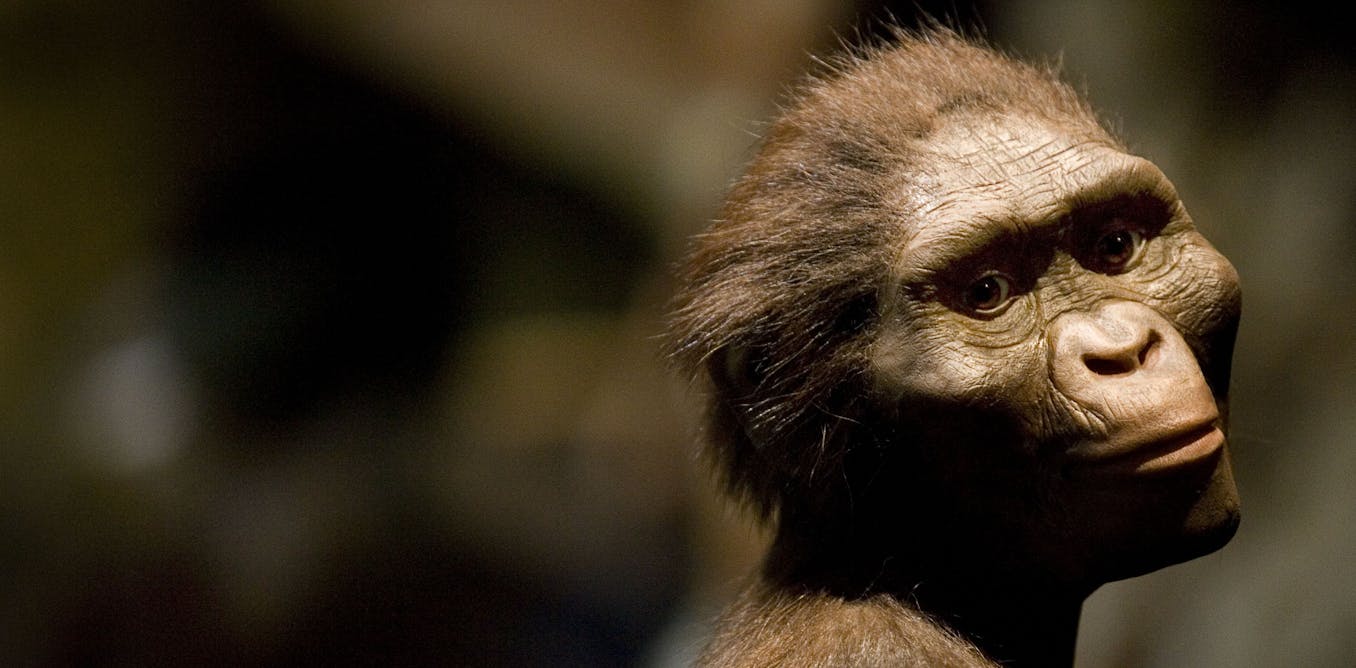
The 3.2-million-year-old Lucy fossil, a key specimen of Australopithecus afarensis, challenges our understanding of early human nudity and cultural perceptions of shame. Technological advancements suggest Lucy may have been less hairy than previously thought, aligning with theories that early humans lost most body hair millions of years ago. The depiction of Lucy in modern media often reflects contemporary cultural biases rather than scientific accuracy, revealing more about our own views on nudity, shame, and gender roles.

science-and-technology1 year ago

"Scotland's History Revived Through Forensic Reconstruction"

The Perth Museum and Art Gallery in Scotland has unveiled lifelike digital facial reconstructions of ancient inhabitants, created using forensic anthropology and technology. These reconstructions, based on skulls from various historical periods, allow visitors to engage interactively with the process of facial reconstruction. The project, led by Dr. Chris Rynn and University of Aberdeen researchers, aims to connect visitors with their heritage by bringing faces from Scotland's past to life.

anthropology1 year ago

"Ancient Origins of Central African Hunter-Gatherer Networks Revealed"

A study by the University of Zurich reveals that Central African hunter-gatherer groups had extensive social networks and cultural exchanges long before the advent of agriculture, preserving ancient cultural diversity. The research, which analyzed genetic data, musical instruments, and specialized vocabulary, shows that these interactions influenced the genetic, linguistic, and cultural traits of these populations, highlighting deep-rooted cultural networking in the region.

archaeology1 year ago

"Ecuador's Alleged Giant Skeleton: Separating Fact from Fiction"

Claims of a giant's skeleton unearthed in Ecuador have been debunked by a new study, which found that the estimated height of the individual was grossly overblown. The so-called "Julcuy giant" was initially believed to have stood at 2.1 meters tall, but a reevaluation of the remains suggests a much shorter stature of around 5 feet to 5 feet 4 inches. The study, published in the International Journal of Osteoarchaeology, concluded that the individual's height was consistent with that of an Indigenous American man born at least 400 years ago, dispelling the myth of a long-lost race of giants.

anthropology1 year ago

"The Origins of Human Clothing: A Historical Perspective"

The question of when humans started wearing clothes is difficult to answer due to the lack of surviving clothing artifacts. Evidence from bones, lice evolution, and archaeological findings suggests that Homo heidelbergensis may have worn bear skins around 300,000 years ago, while anatomically modern humans likely began regularly wearing simple clothes around 170,000 years ago. However, different human groups may have started and stopped wearing clothes multiple times throughout history, as seen in the archaeological record of Aboriginal people in Tasmania.

science-and-technology1 year ago

"The Impact of AI on Scientific Research: Balancing Production and Understanding"

Psychologist Molly Crockett and anthropologist Lisa Messeri argue that while AI tools can increase productivity in scientific research, they also pose potential long-term epistemic risks by creating illusions of understanding. They caution against over-reliance on AI tools leading to a limited exploration of hypotheses and a false sense of objectivity. Their concern is that scientific inquiry may become constrained by what AI can and can't do, resulting in a proliferation of papers within AI's capabilities but lacking true understanding of the world's complexity.