Tag

Cultural Transmission

All articles tagged with #cultural transmission

science6 months ago

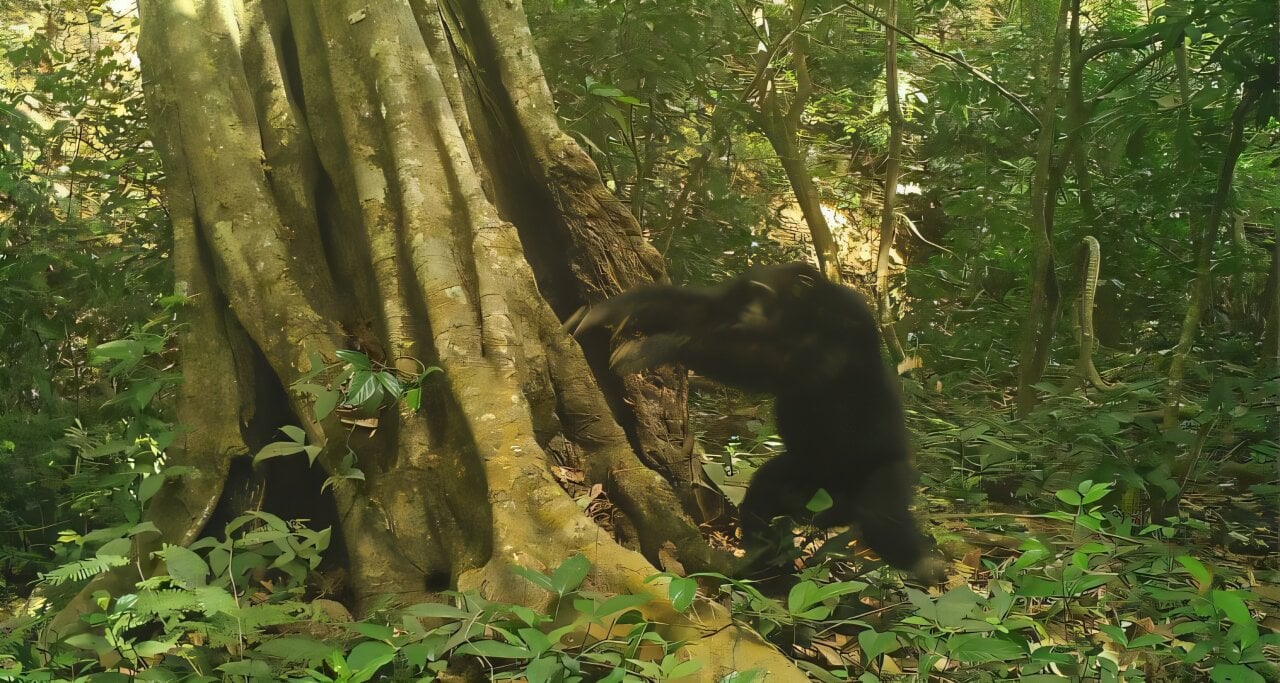
Chimpanzees Embrace Quirky Grass-Insertion Trend

At a chimp sanctuary in Zambia, a viral trend of chimps sticking grass in their ears and butts has emerged, possibly serving social bonding purposes. This behavior, observed over a decade apart and in different groups, highlights social learning and cultural transmission in captive chimpanzees, similar to trends seen in other animals like orcas and dolphins.

science-and-archaeology1 year ago

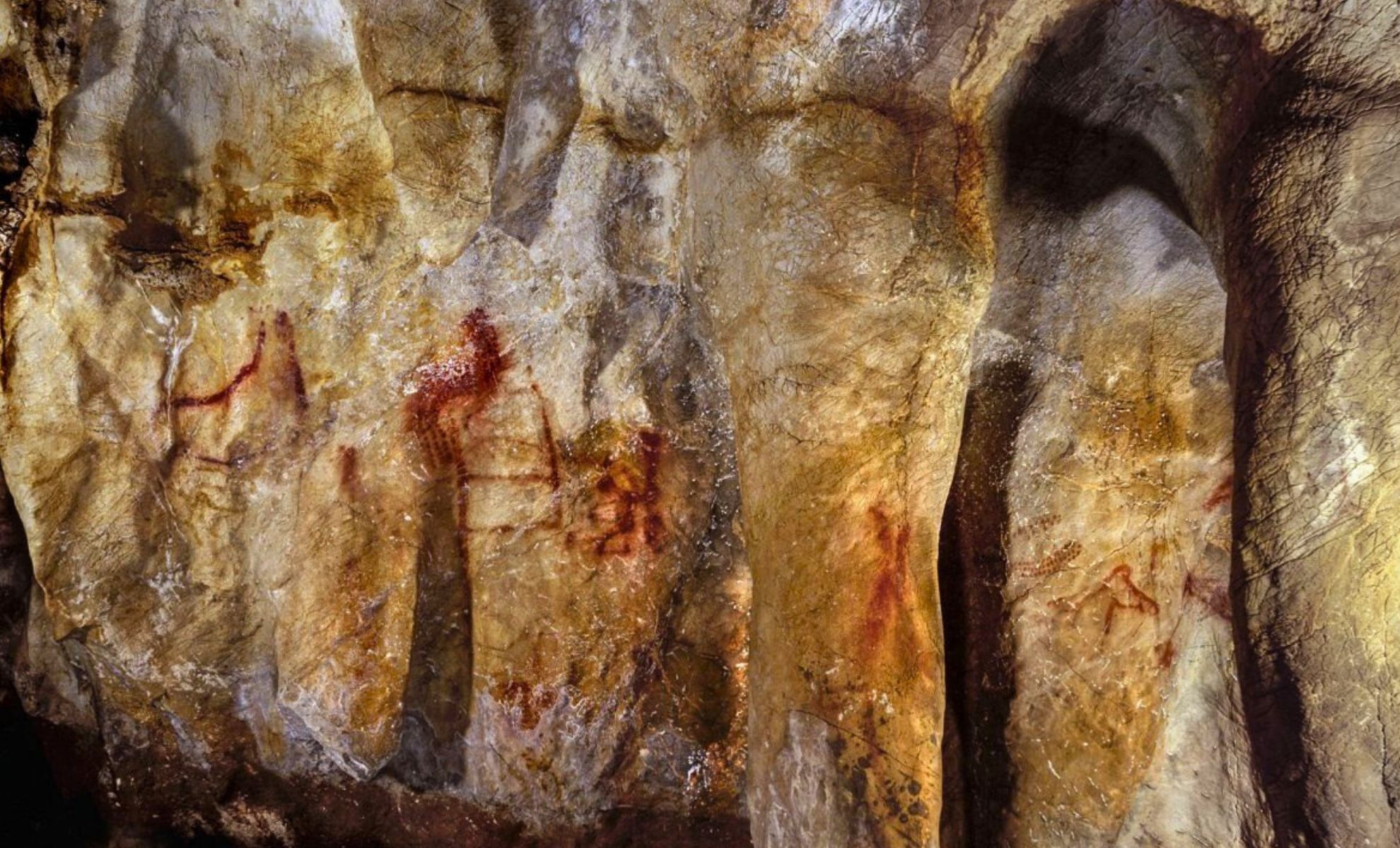
Ancient Non-Human Art Reveals Revolutionary Secret

A groundbreaking discovery in Maltravieso Cave, Spain, reveals that Neanderthals, not Homo sapiens, may have been the first artists, with hand stencils dated to at least 66,710 years ago. Using uranium-thorium dating, researchers found these artworks to be far older than previously known examples, suggesting Neanderthals had advanced cognitive abilities. This challenges the perception of Neanderthals as unsophisticated and raises the possibility of cultural transmission to early modern humans, highlighting art as a shared heritage between species.

education1 year ago

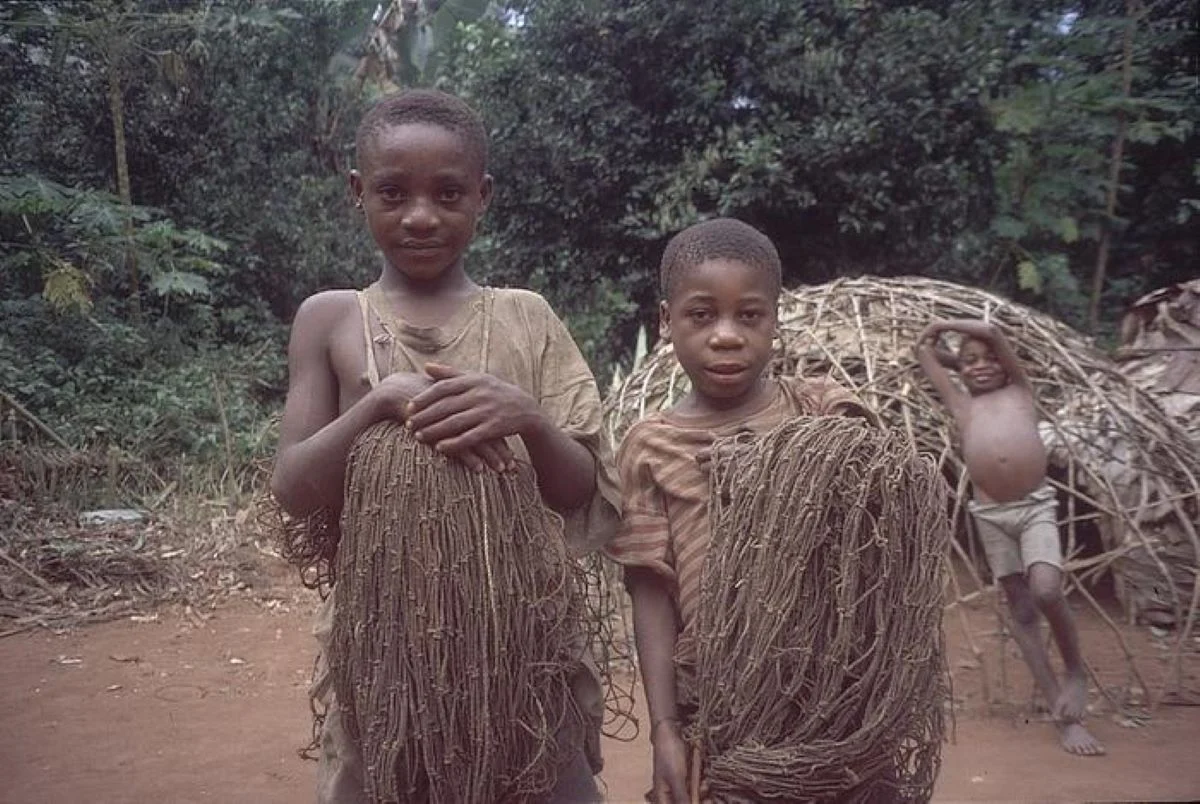
Hunter-Gatherer Children Master Essential Skills by Age Six

Hunter-gatherer children in the Congo Basin learn essential skills like hunting and childcare by age six through a unique social learning environment that involves parents, peers, and unrelated adults. This broad network fosters cumulative culture, allowing skills to be innovated and passed across generations. Unlike Western societies, where learning is parent- or teacher-centered, these children benefit from egalitarian values and autonomy, promoting self-driven exploration. The study highlights the importance of diverse social interactions in preserving cultural traits over time.

science1 year ago

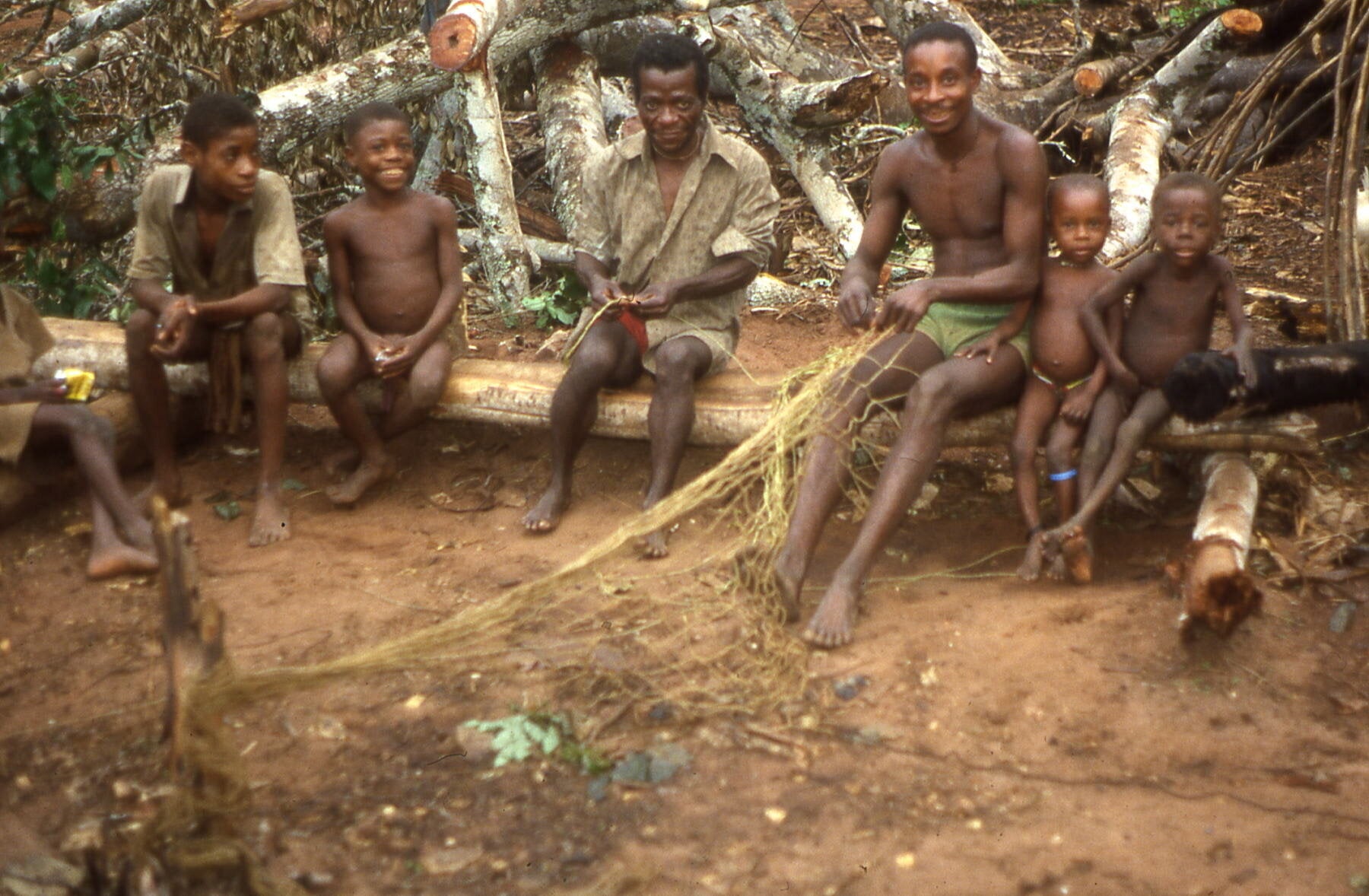
Hunter-Gatherer Insights Reveal Ancient Child Learning Methods

A study led by Washington State University reveals that hunter-gatherer children in the Congo Basin learn essential survival skills by age six or seven through a unique social environment where knowledge is passed down by the broader community, not just parents. This research highlights the role of extended family and unrelated community members in cultural transmission, contrasting with the Western nuclear family model. The findings underscore the importance of egalitarianism and autonomy in learning, contributing to 'cumulative culture' and human adaptability across diverse environments.

science1 year ago

"The Impact of Eurasia's East-West Axis on History"

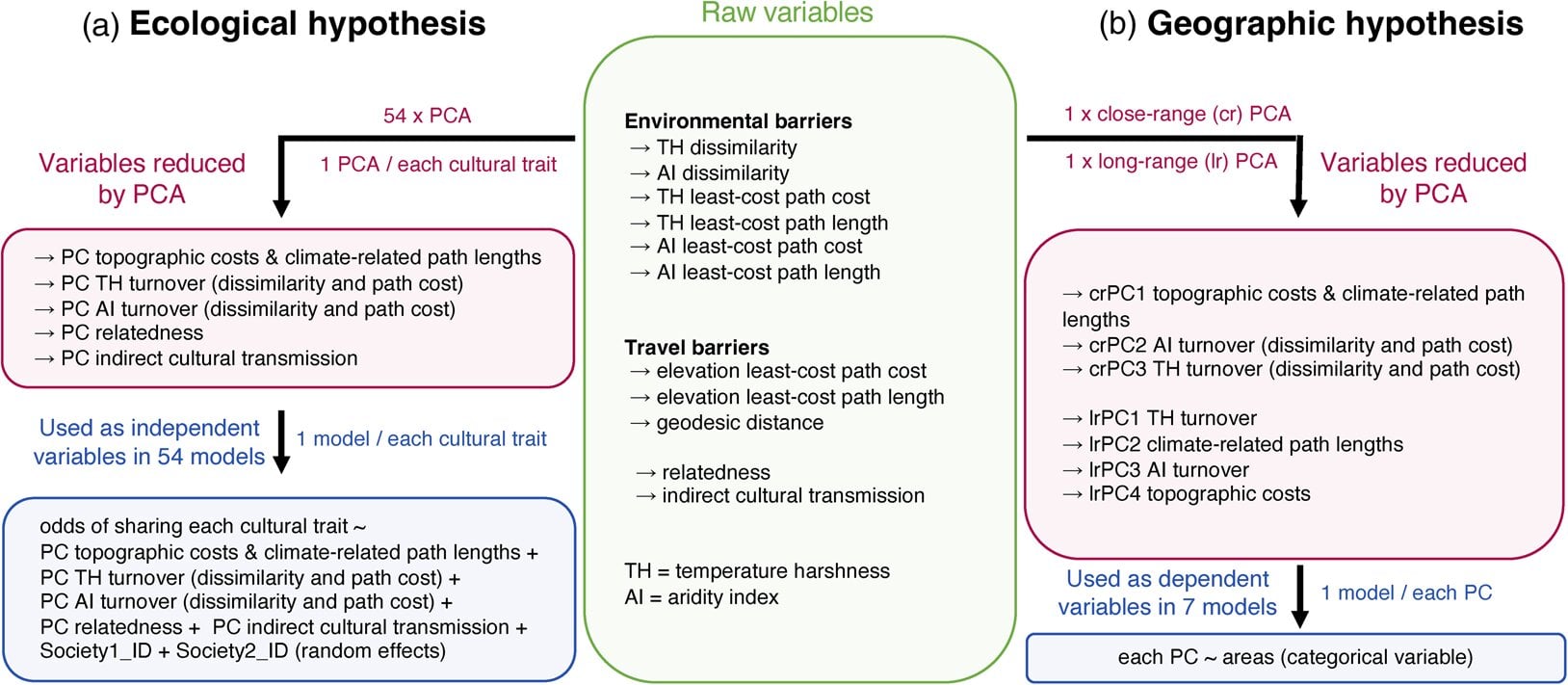
A new study tests Jared Diamond's hypothesis that Eurasia's unique East-West axis contributed to its rapid cultural development. The study finds that environmental factors and travel costs do hinder the spread of cultural traits, but contrary to Diamond's expectations, Eurasia is not significantly more ecologically homogeneous than other regions. The study emphasizes that while geography, genetics, and ecology matter, they do not determine destiny, and provides a new perspective based on quantitative data for understanding the impact of geography on cultural transmission.