archaeology4.975 min read
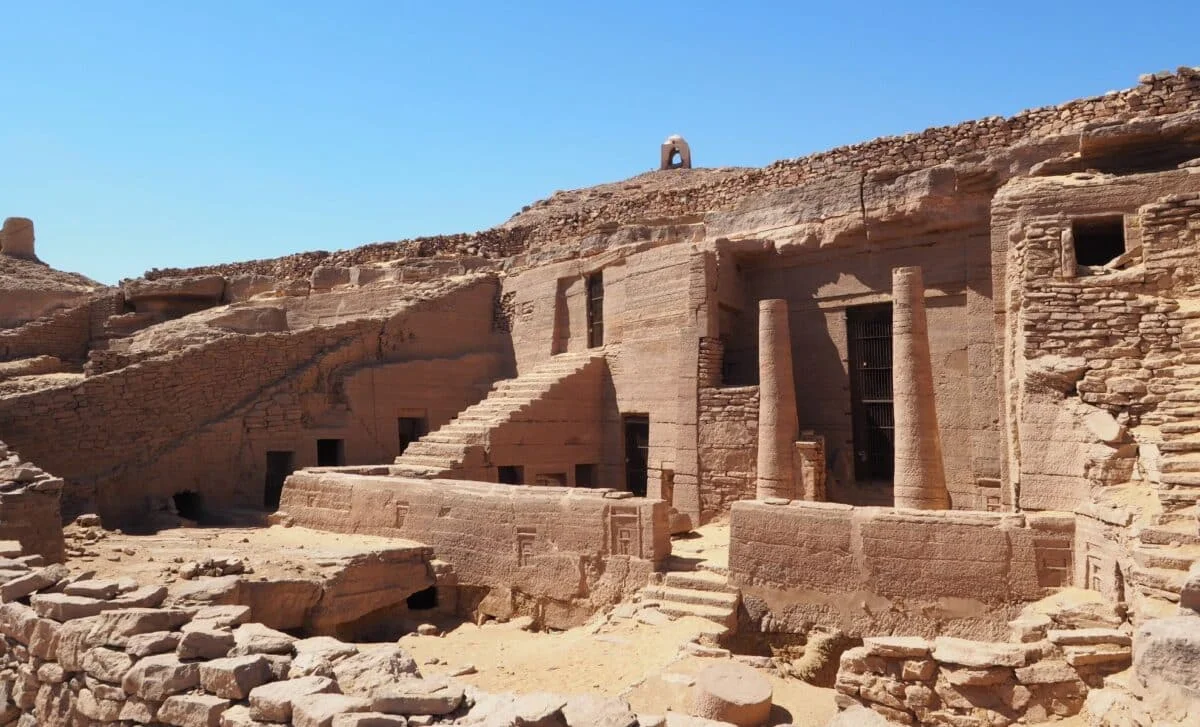
Ancient Old Kingdom Tombs Discovered Near Aswan
4 hours ago•Source: Indian Defence Review

The latest archaeology stories, summarized by AI
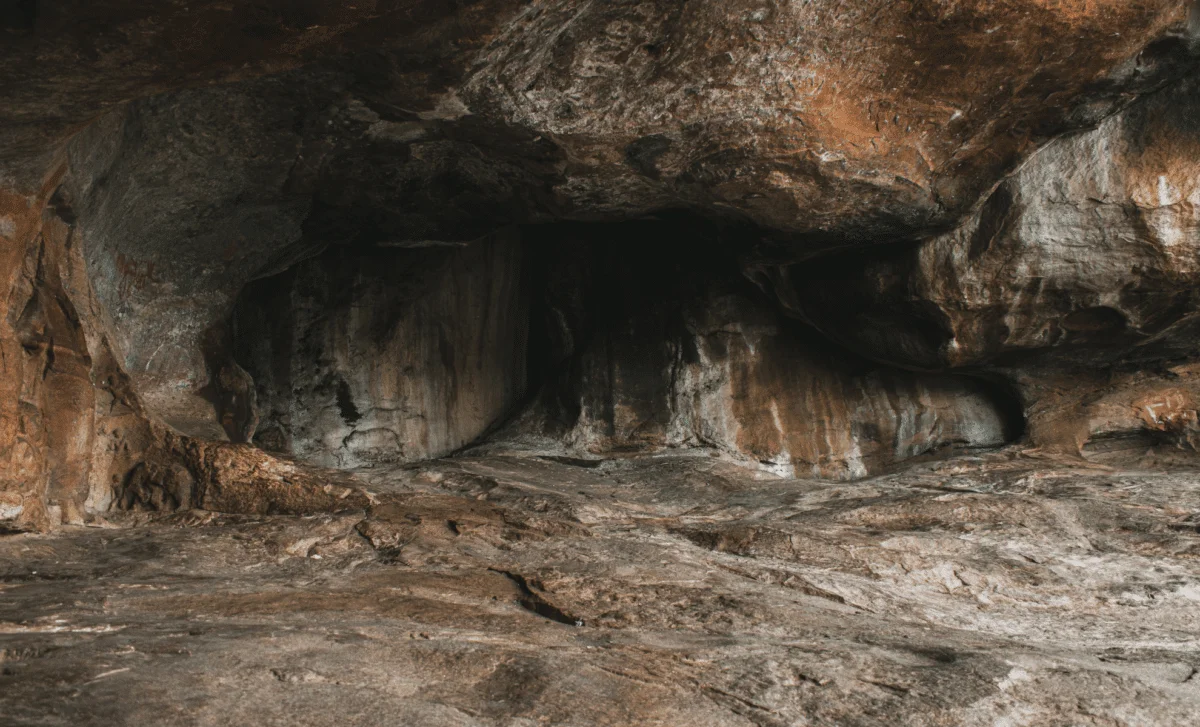
New findings from Germany’s Swabian Jura uncover 40,000-year-old engraved symbol sequences on Paleolithic figurines and tools. The signs are highly repetitive and show information density similar to early proto-cuneiform, implying an early, non-language form of symbolic communication that predates formal writing by tens of thousands of years, challenging views on the linear rise of writing.
Indian Defence Review•1 day ago
Indian Defence Review•1 day ago
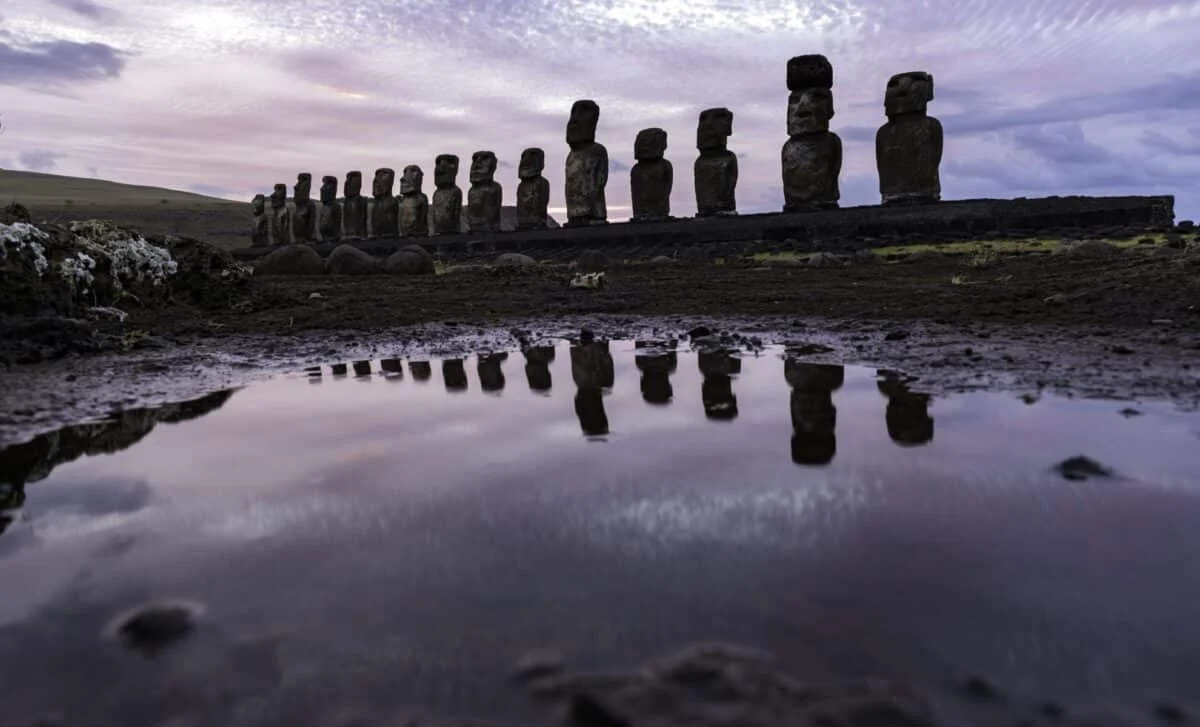
A drought-exposed lakebed on Easter Island reveals a newly uncovered, undocumented moai, challenging the belief that the statue record is complete and hinting that more statues may lie hidden beneath the lakebed.
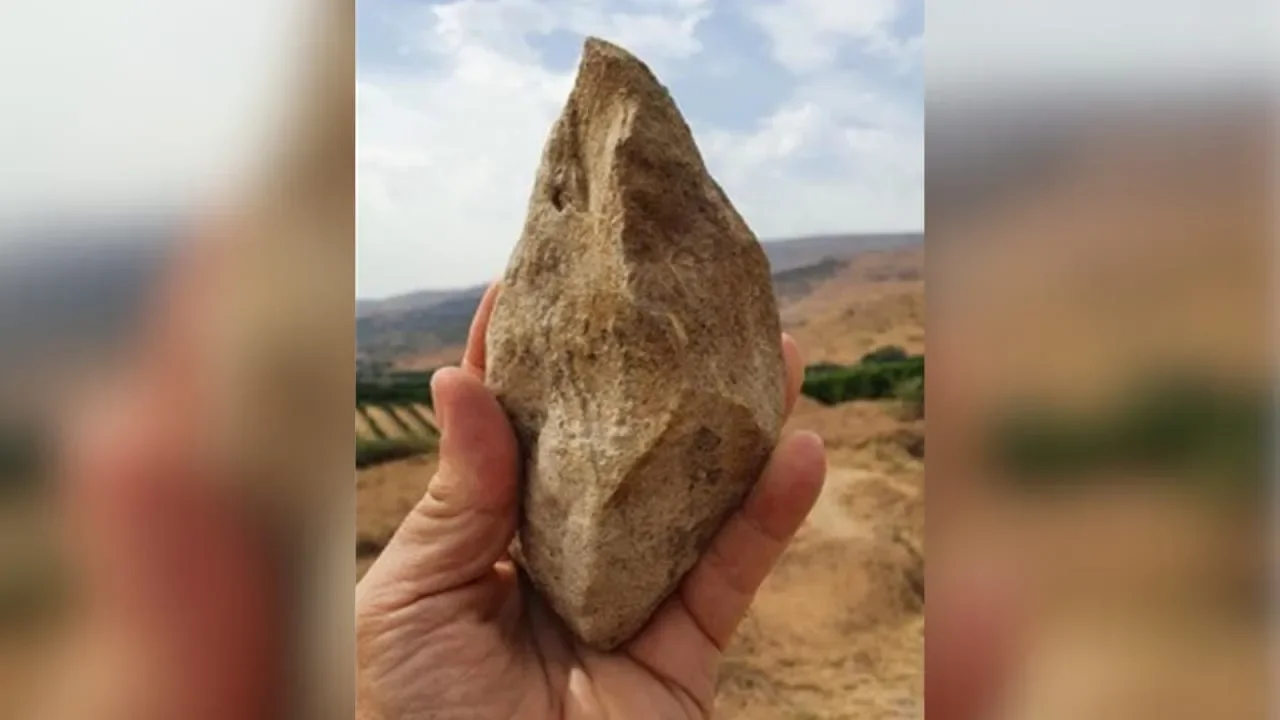
Three dating methods place Ubeidiya in the Jordan Valley at least 1.9 million years old, overturning the 1.2–1.6 million-year idea and suggesting early humans migrating from Africa used both Oldowan and Acheulean tool traditions around the same time.
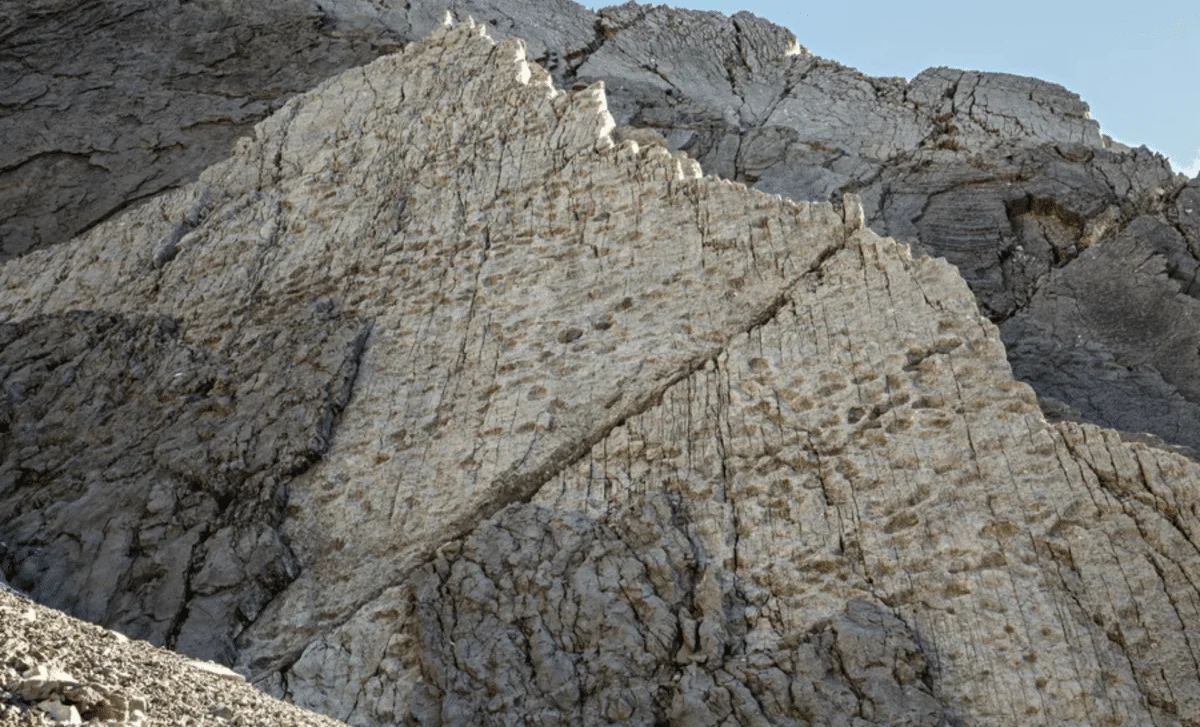
A photographer in Stelvio National Park, northern Italy, uncovers hundreds of remarkably well-preserved Triassic dinosaur footprints—some forming trackways that suggest coordinated herd movement and social behavior—leading scientists to map, preserve, and study the site for clues about prehistoric life.
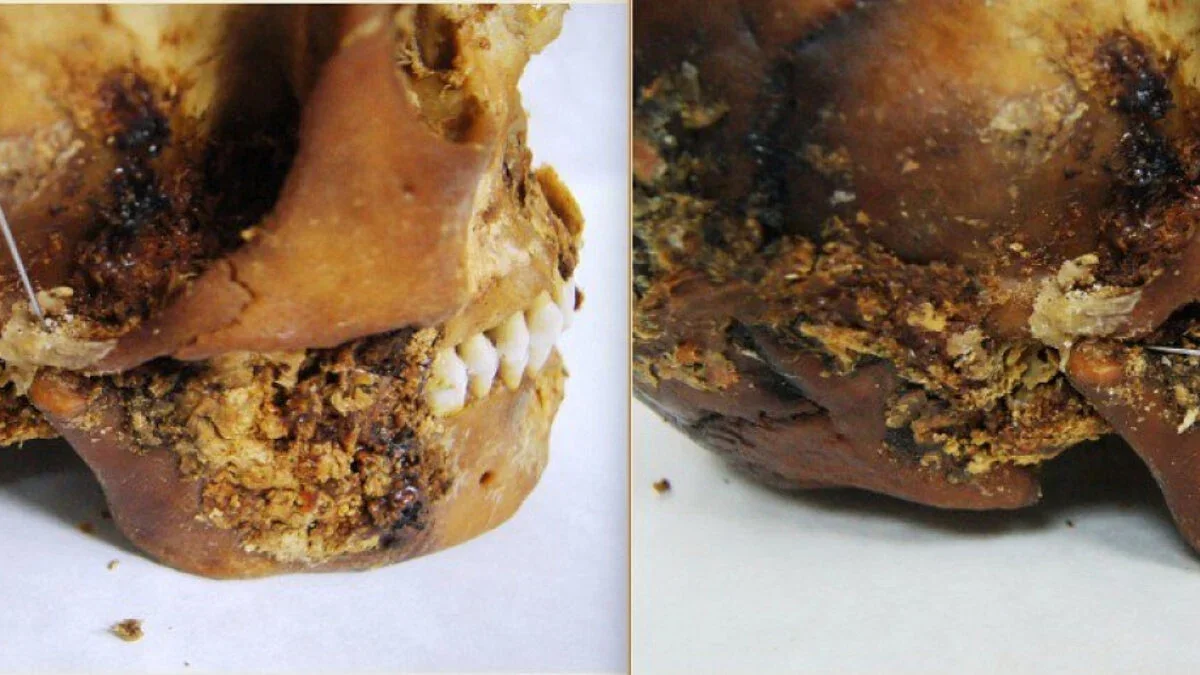
CT scans of a 2,500-year-old Pazyryk mummy from southern Siberia reveal a damaged jaw stabilized by a primitive prosthetic, likely made from elastic material, suggesting the woman survived long enough to move her jaw to a limited extent and highlighting Iron Age medical care in nomadic cultures.
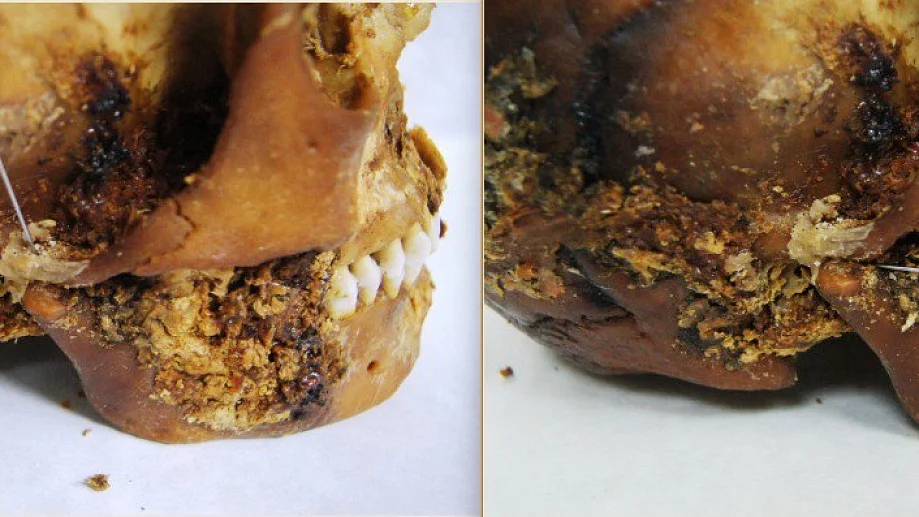
CT scans of a permafrost-preserved Pazyryk mummy from the Ukok Plateau show a 2,500-year-old jaw injury that was surgically reconstructed with a primitive prosthetic: canals pierced into the temporomandibular joint were held in place by horsehair or animal tendon, enabling limited jaw movement and indicating advanced ancient medical knowledge; the woman survived months or years after the procedure, revealing the Pazyryk's sophisticated medical practices and the value placed on her life.
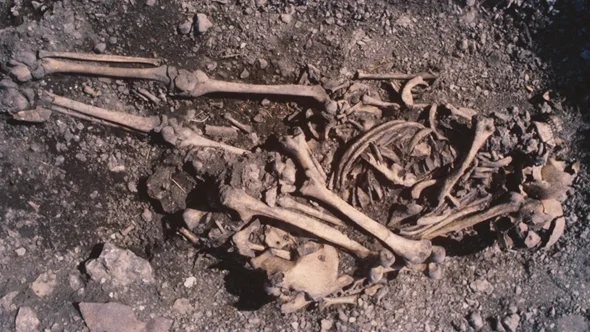
A DNA analysis of 5,500-year-old burials at Ajvide on Gotland, Sweden, uncovers complex kinship networks among Neolithic hunter-gatherers: many graves held distant relatives rather than immediate family, including a teen girl whose father’s bones were placed atop her grave, with bones moved from elsewhere; the study suggests kinship beyond the immediate family shaped burial practices.
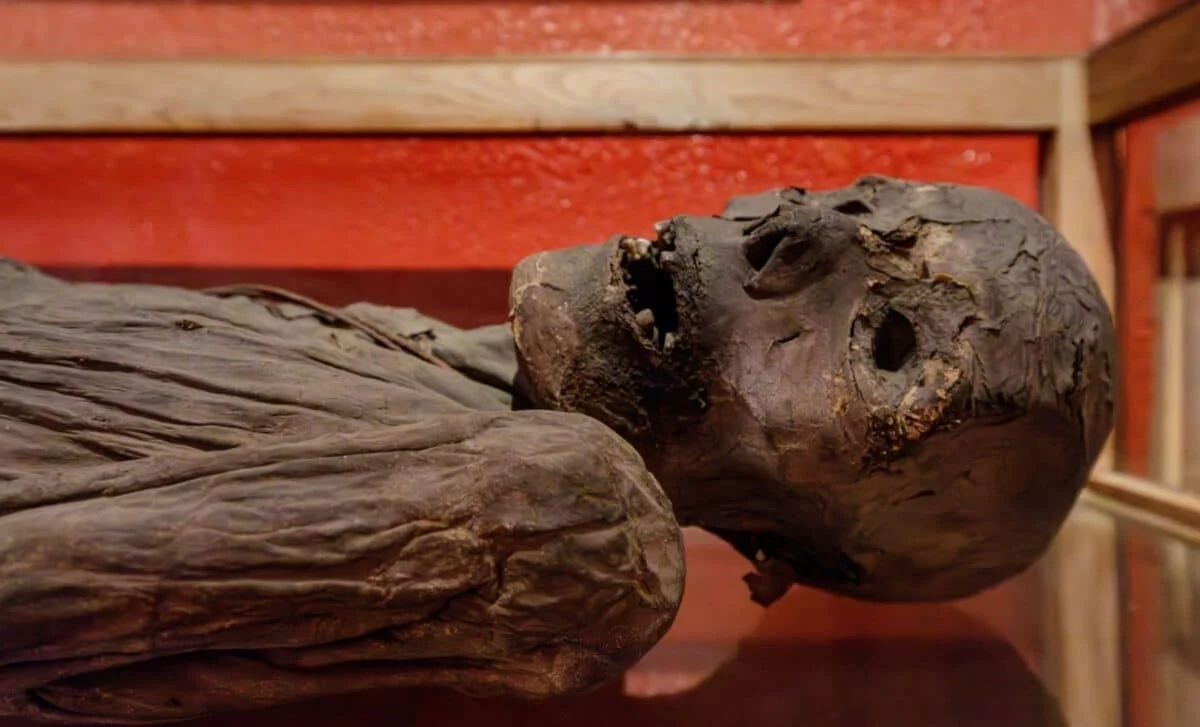
Researchers noninvasively analyze volatile organic compounds in the air around 19 mummies (35 samples) to identify embalming ingredients and how recipes changed from fats/oils in early periods to beeswax, resins, and bitumen by the New Kingdom, using headspace SPME with GC-MS; the study links scent, trade, and ritual beliefs while offering a rapid screening method that preserves the artefacts.
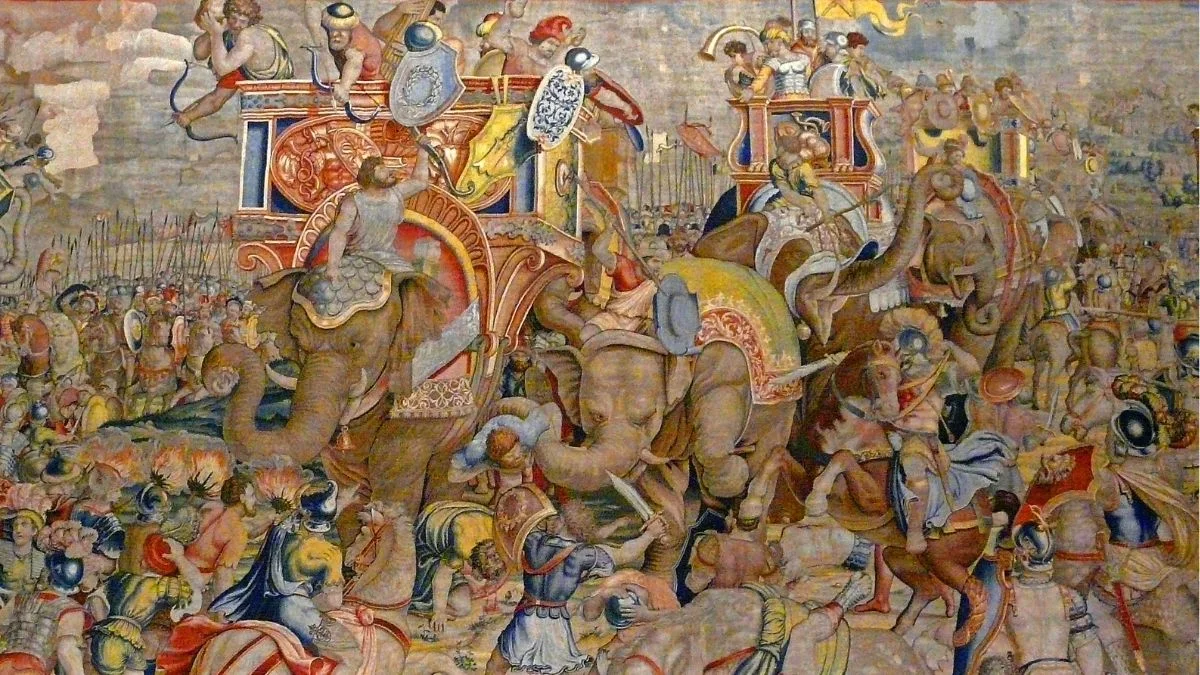
An Iron Age elephant bone found at Colina de los Quemados, Spain, dates to the era of the Second Punic War and could be the first physical relic of Hannibal’s war elephants, though the bone is degraded and species cannot be confirmed; researchers say the context fits Punic War battlefield activity, but alternative sources like Numidian elephants remain possible.
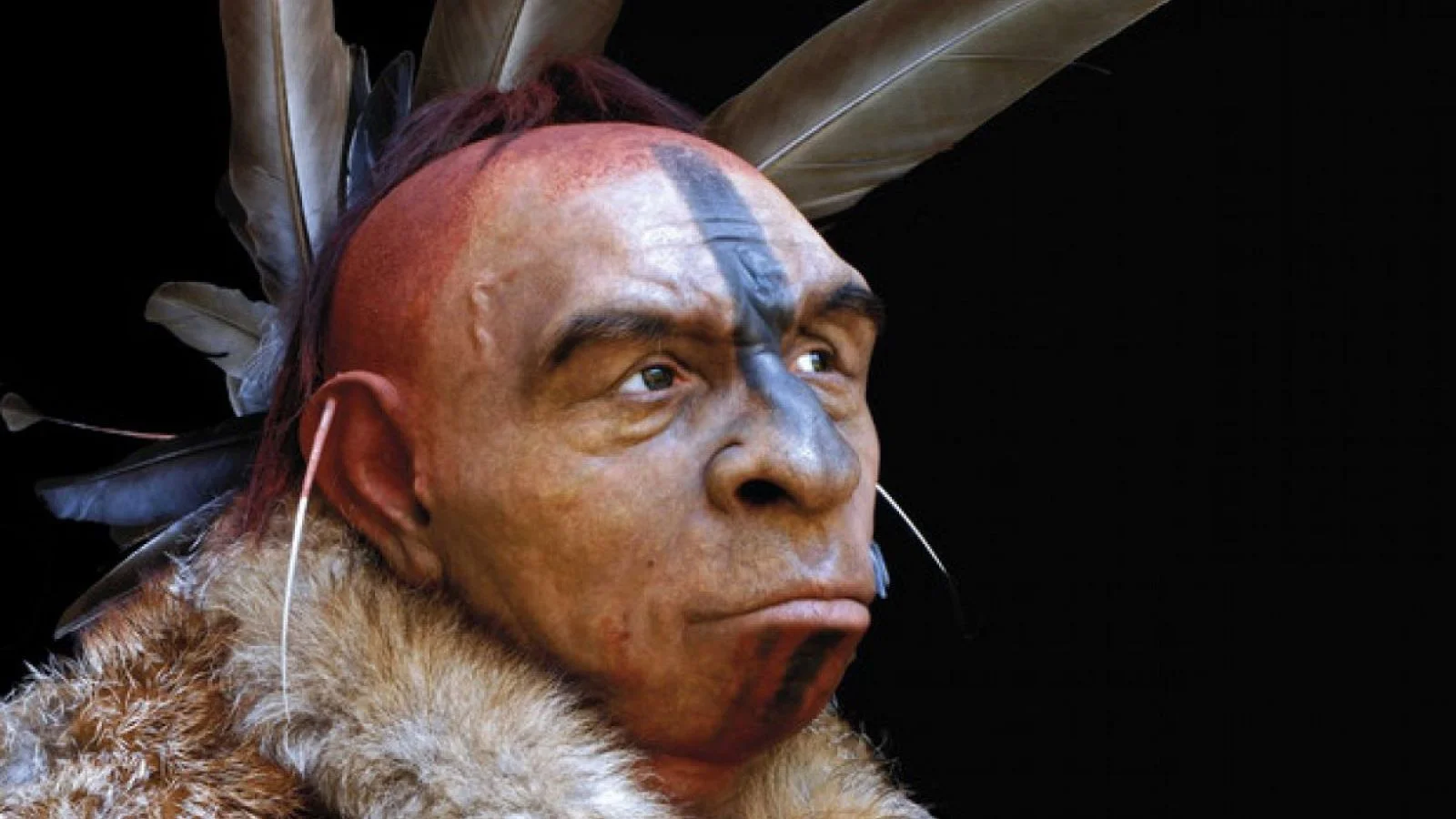
Extinction of Neanderthals appears to be the result of a mix of regional pressures: small, isolated populations prone to inbreeding and mutational burden, competition with expanding modern humans, and varied demographic dynamics across Eurasia. Genetic evidence confirms interbreeding with Homo sapiens, meaning Neanderthals contributed to the modern human genome, but there is no single smoking gun or uniform fate—different Neanderthal groups disappeared for different reasons over time.
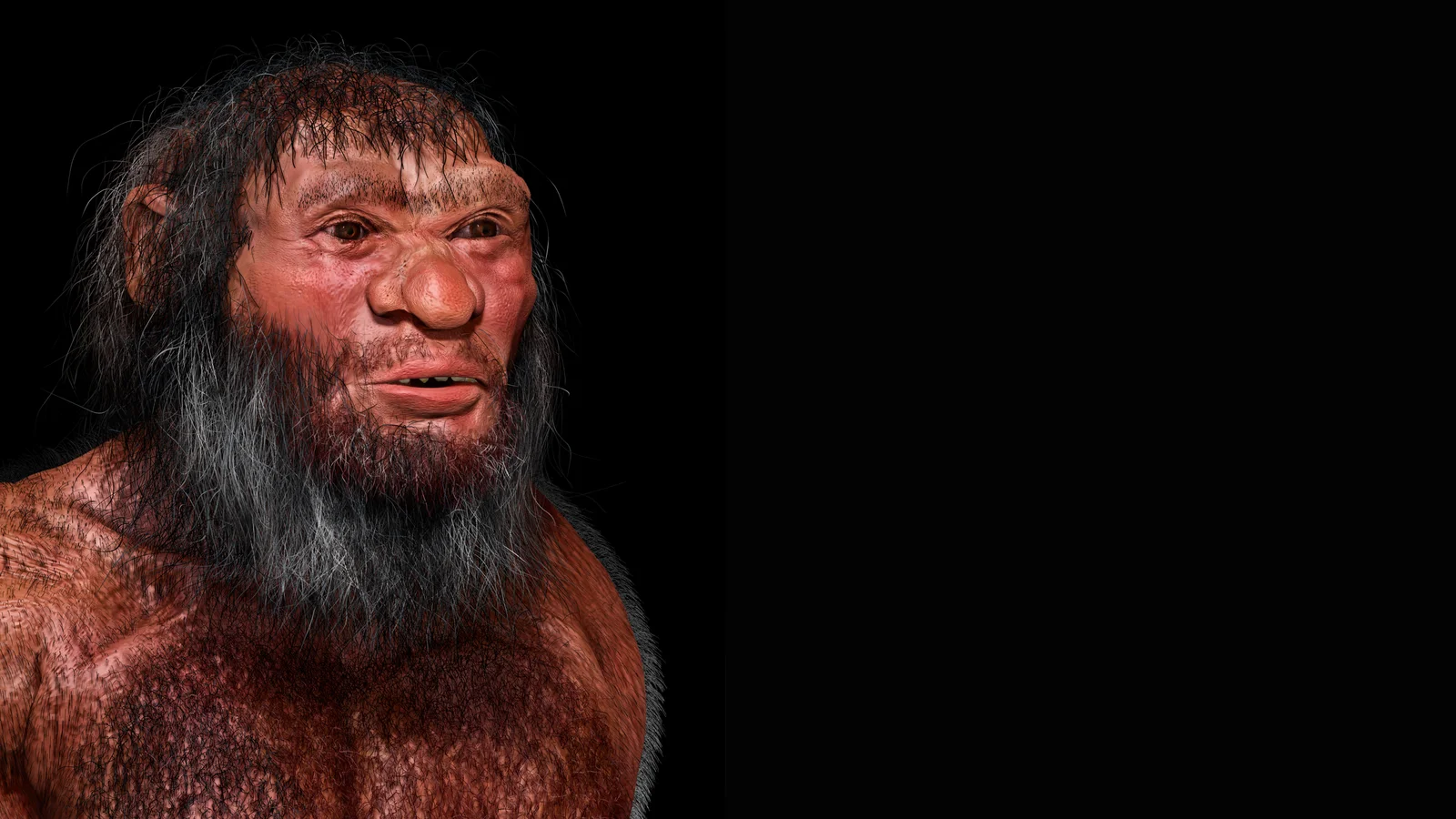
Ghost lineages are extinct or unsampled ancestral populations whose DNA persists in modern genomes; scientists detect them when portions of our DNA cannot be traced to known relatives, revealing hidden chapters of evolution and ancient gene flow from Neanderthals, Denisovans, and other unknown lineages.