Tag

Computational Modeling

All articles tagged with #computational modeling

science7 months ago

Scientists Achieve Breakthrough in Quantum Vacuum and Light Generation

Researchers from Oxford and Lisbon have used advanced simulations to recreate and study extreme quantum vacuum effects, specifically vacuum four-wave mixing, using intense laser beams. This work provides crucial insights for future experiments with ultra-powerful lasers, potentially confirming quantum effects like photon-photon scattering and aiding the search for dark matter candidates.


science1 year ago

Single Cells Show Signs of Learning

A new study reveals that individual cells may exhibit learning-like behaviors, challenging the notion that learning is exclusive to organisms with nervous systems. Researchers used computational models to demonstrate how cells adapt to repeated stimuli through molecular circuits, mimicking habituation. This discovery could explain phenomena like cancer cell resistance to chemotherapy and suggests that single cells could serve as models for studying basic learning and memory processes. The findings bridge debates in neuroscience and cognitive science and lay the groundwork for future experimental validation.

neuroscience1 year ago

"Adult Brain's Capacity for Compassion: Shaping Empathy"

A study led by Prof. Dr. Grit Hein challenges the notion that empathy is a fixed trait, demonstrating that adults can learn to increase or decrease their empathetic responses by observing others. Using computational modeling and fMRI, the study found that changes in empathy were linked to altered brain activity in the anterior insula, a key region for empathy processing. The research underscores the importance of fostering empathetic environments, suggesting that empathy can be cultivated and is crucial for effective teamwork and client interactions.

science-and-technology2 years ago

"Advancements in Tokamak Plasma Rotation and Transport Code"

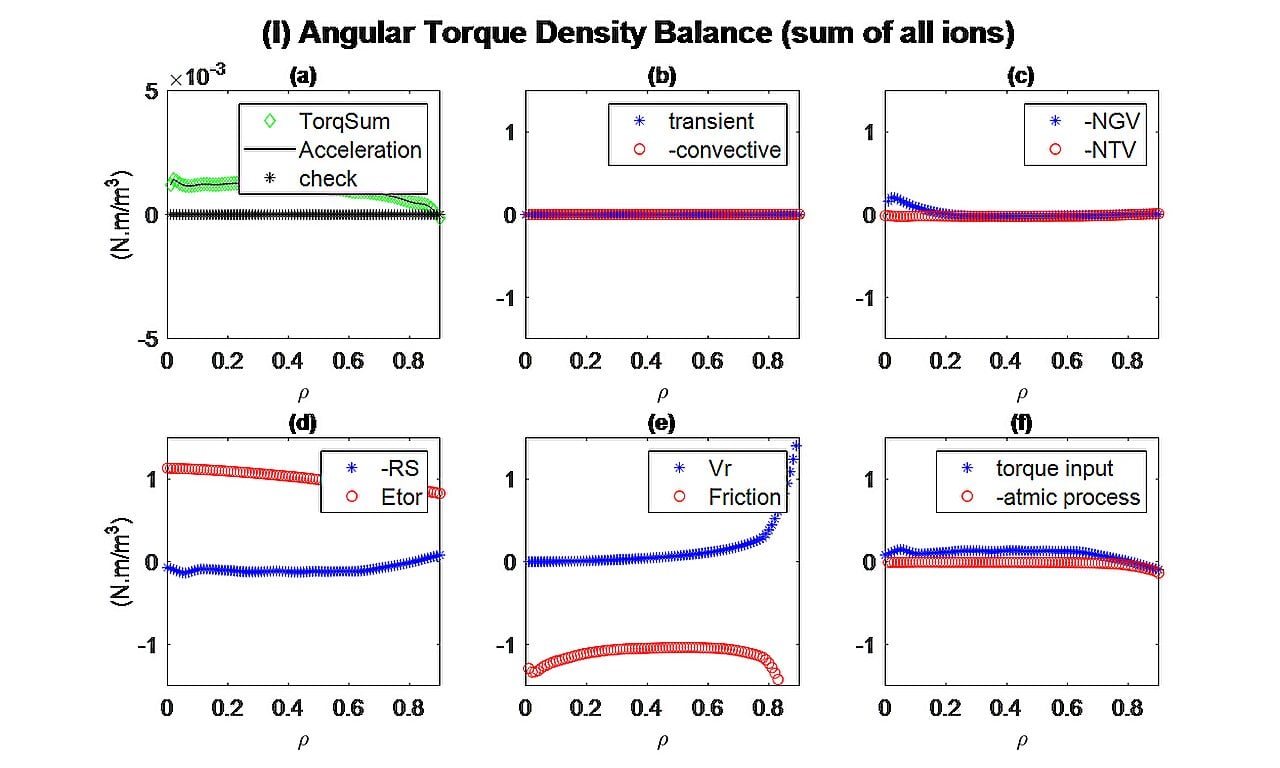
Researchers from the Chinese Academy of Sciences have developed a new computational code, named TransROTA, for analyzing plasma rotation and transport in tokamak devices like the Experimental Advanced Superconducting Tokamak (EAST). The code enhances the prediction of ion velocities and the understanding of angular momentum balance in toroidally rotating tokamak plasmas, which is crucial for controlling instabilities and improving the performance of fusion experiments. The improved code is more resistant to numerical instability and is user-friendly, offering a valuable tool for theoretical and simulation research in fusion energy.

science-and-technology2 years ago

Revolutionary AI Model Predicts Chemical Reactions with Unprecedented Accuracy and Speed

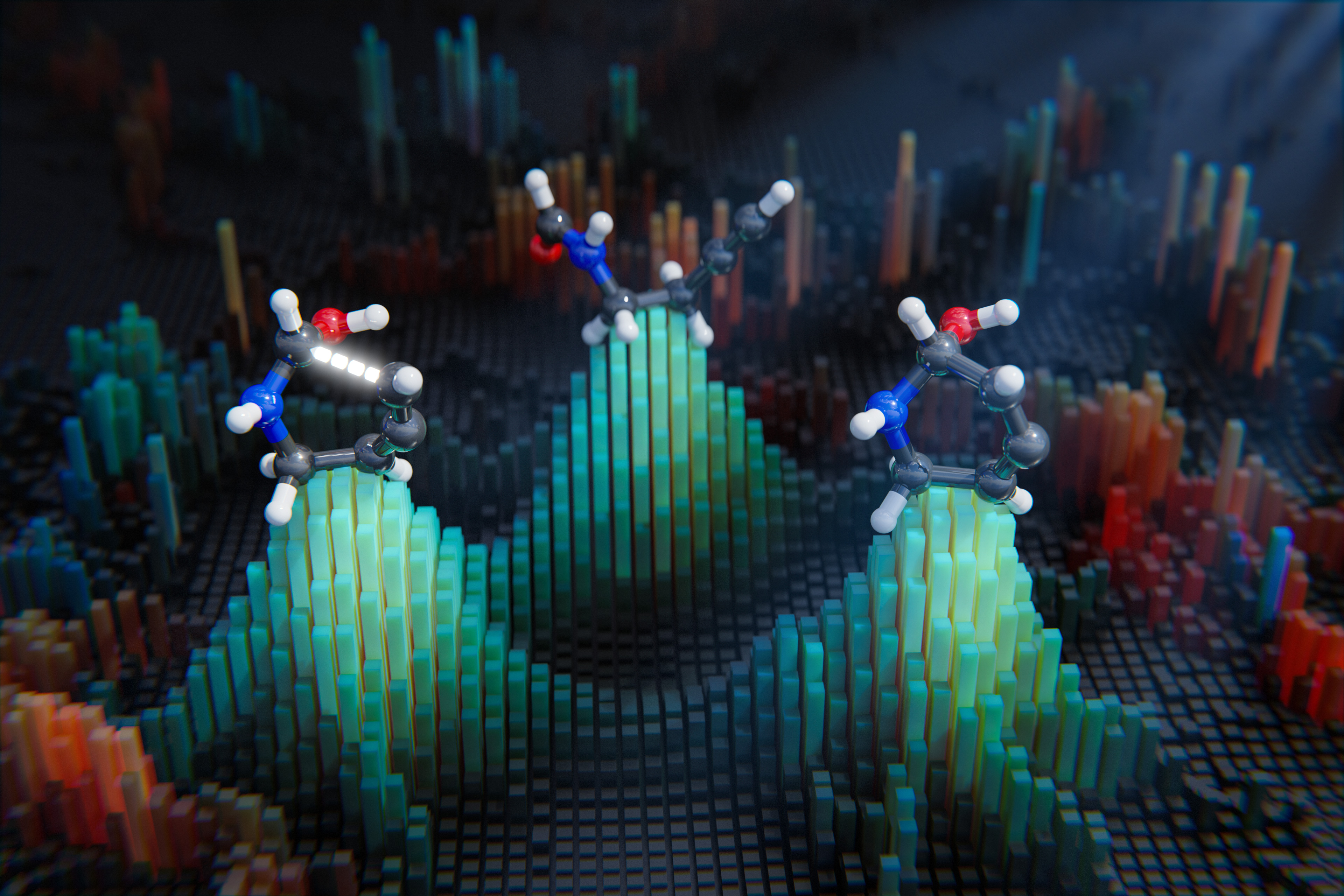
Researchers at MIT have developed a machine learning-based computational model that can quickly calculate the structures of transition states in chemical reactions. Transition states are fleeting and difficult to observe experimentally, but their structures are crucial for designing catalysts and understanding natural chemical reactions. The model, which uses a diffusion model approach, was trained on 9,000 different chemical reactions and accurately predicted transition state structures for 1,000 new reactions. The entire computational process takes just a few seconds per reaction, making it significantly faster than traditional quantum chemistry methods. The model could have applications in designing new reactions and catalysts for fuel and drug synthesis, as well as modeling chemical reactions on other planets or during the early evolution of life on Earth.

science-and-technology2 years ago

Unleashing the Potential: DNA Nano Engine Drives Nanomachines of the Future

Scientists have developed a DNA-based nano engine that exhibits pulsing movements, similar to a hand grip trainer but on a much smaller scale. The engine is powered by RNA polymerases and nucleotide triphosphates, offering potential applications in advanced nanotechnology. The researchers plan to integrate the engine into complex nanomachines, and their findings have been published in the journal Nature Nanotechnology. The engine's design and operation were aided by computer modeling tools, and it represents a significant advancement in chemically powered DNA nanotechnology motors.

science-and-technology2 years ago

"Breakthrough: International Team Unveils Revolutionary DNA Nano Engine"

An international team of scientists has developed a novel DNA nano engine that can perform pulsing movements. The engine, made of DNA and driven by a clever mechanism, has the potential to be used as a drive in complex nano machines. The researchers repurposed a mechanism found in cells to power the engine, using RNA polymerases to drive the pulsing movements. The motor requires energy in the form of nucleotide triphosphates and can be combined with other structures. The team plans to further develop the motor and explore its potential applications in nanotechnology.

science-and-technology2 years ago

MIT Develops Groundbreaking Method for Streamlining Complex Material Construction

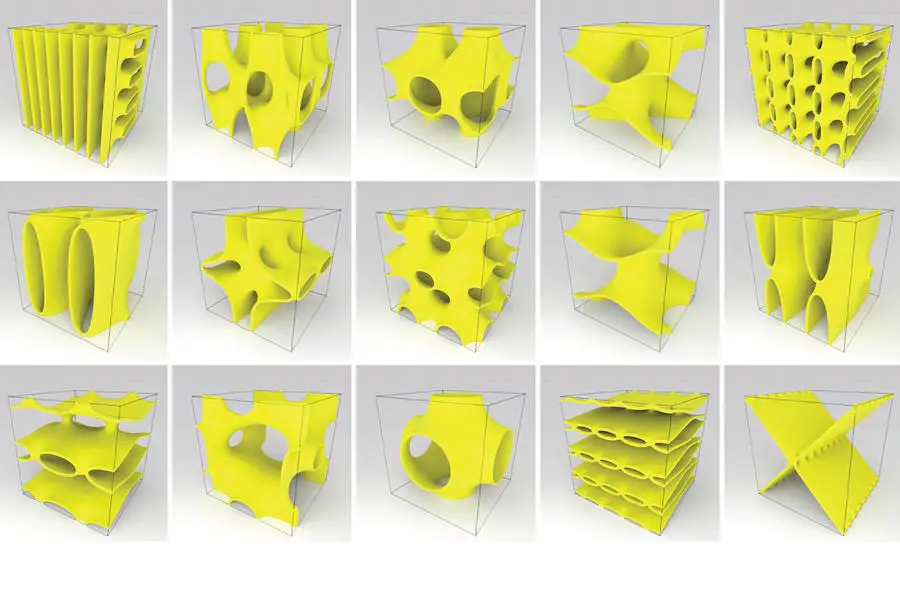
Researchers from MIT and the Institute of Science and Technology Austria have developed a user-friendly interface that allows engineers to quickly and easily design and model complex cellular metamaterials. The interface utilizes a graph-based representation that encompasses various building blocks, enabling engineers to explore the entire space of potential metamaterial shapes. The researchers also created automated exploration algorithms that generated numerous potential structures in a short amount of time. The system has been successfully tested and received positive feedback from users with little prior experience in modeling metamaterials. Future enhancements include incorporating more complex skeleton thickening procedures and exploring automatic generation algorithms.

archaeology2 years ago

"Unveiling Prehistoric Minds: Insights from Adhesive Technology Modeling"

Researchers at Delft University of Technology have used computational modeling to study the production processes of birch bark tar, one of the world's oldest transformative technologies. The findings suggest that Neanderthals likely possessed cognitive traits associated with modern thinking and behavior, as they used complex production methods to create the tar. Scaling up the technological process was found to significantly impact complexity, indicating that prehistoric tar making required advanced information processing. The research contributes to understanding the behaviors and technical cognition of Neanderthals and early modern humans.

science-and-technology2 years ago

Unleashing Biophysics Discovery: The Power of Exascale Supercomputers

The fusion of high-performance computing and biophysical research is driving revolutionary discoveries in biology, with next-generation supercomputers and AI tools playing crucial roles. The integration of computational modeling and experimental biophysics is enabling biophysicists to challenge assumptions, illuminate intricate details, and even design novel molecular circuits. The advent of exascale supercomputers, such as Frontier, coupled with the proliferation of AI tools tailored for biophysics, is bridging the gap between simulation and observation, paving the way for unprecedented discoveries and reshaping our understanding of the biological world.

science-and-technology2 years ago

Unleashing a Biophysics Discovery Era: The Exascale Revolution

The next generation of supercomputers is revolutionizing the field of biophysics, allowing computational biophysicists to simulate complex biological processes with unprecedented detail. This fusion of computational modeling and experimental biophysics is reshaping the landscape of biophysics research, enabling scientists to challenge assumptions, illuminate intricate details, and even design new proteins or molecular circuits. The integration of advanced high-performance computing and artificial intelligence tools tailored for biophysics is expected to redefine the frontiers of knowledge and lead to groundbreaking discoveries in the biological world.

science2 years ago

"Social Distancing: How Tropical Trees Preserve Biodiversity"

Researchers at The University of Texas at Austin have discovered that adult trees in a Panamanian forest are three times as distant from other adults of the same species as expected, indicating a form of social distancing. Using computational models and data collected over 30 years, the study found that each tree species is negatively affected by its own kind, likely due to species-specific enemies such as pathogens and herbivores. This repulsion allows for the establishment of other species, promoting biodiversity and preventing dominance. The findings contribute to understanding the dynamics of carbon storage and the maintenance of biodiversity in tropical forests.

science-and-technology2 years ago

The Cognitive Link Between Child Language Development and Language Evolution

Researchers from the University of Toronto, Universitat Pompeu Fabra, and the Catalan Institution for Research and Advanced Studies have discovered a common cognitive foundation between child language development and the historical evolution of languages. They found that patterns of children's language innovation can predict patterns of language evolution, and vice versa. The study focused on word meaning extension, where known words are used to express something new. The researchers built a computational model that successfully predicted word meaning extension patterns across different languages and timescales. This research may help predict future changes in word meaning and aid in second language acquisition and machine learning systems.

science-and-technology2 years ago

"AI-assisted Computational Modeling for Ultrastable Material Design"

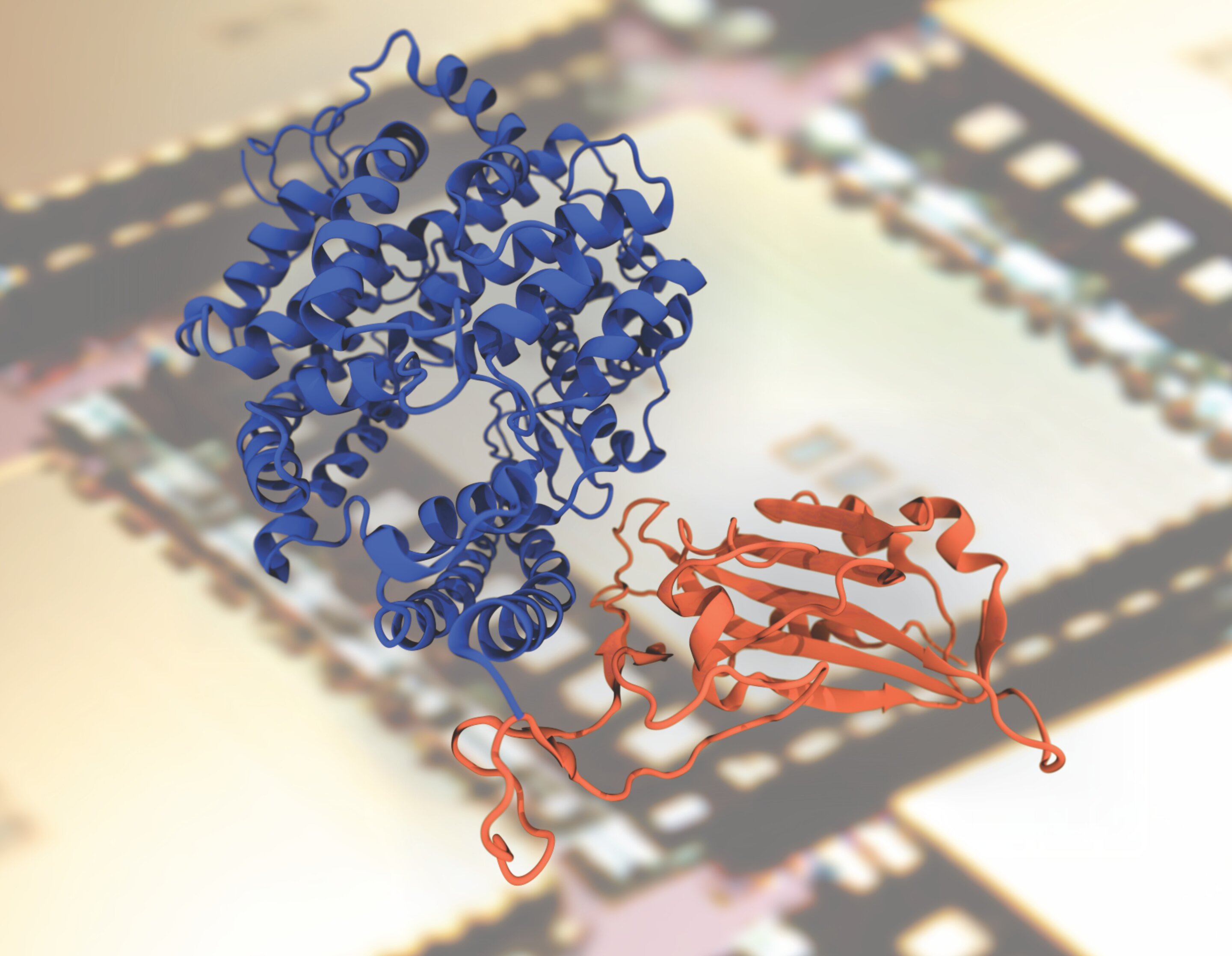
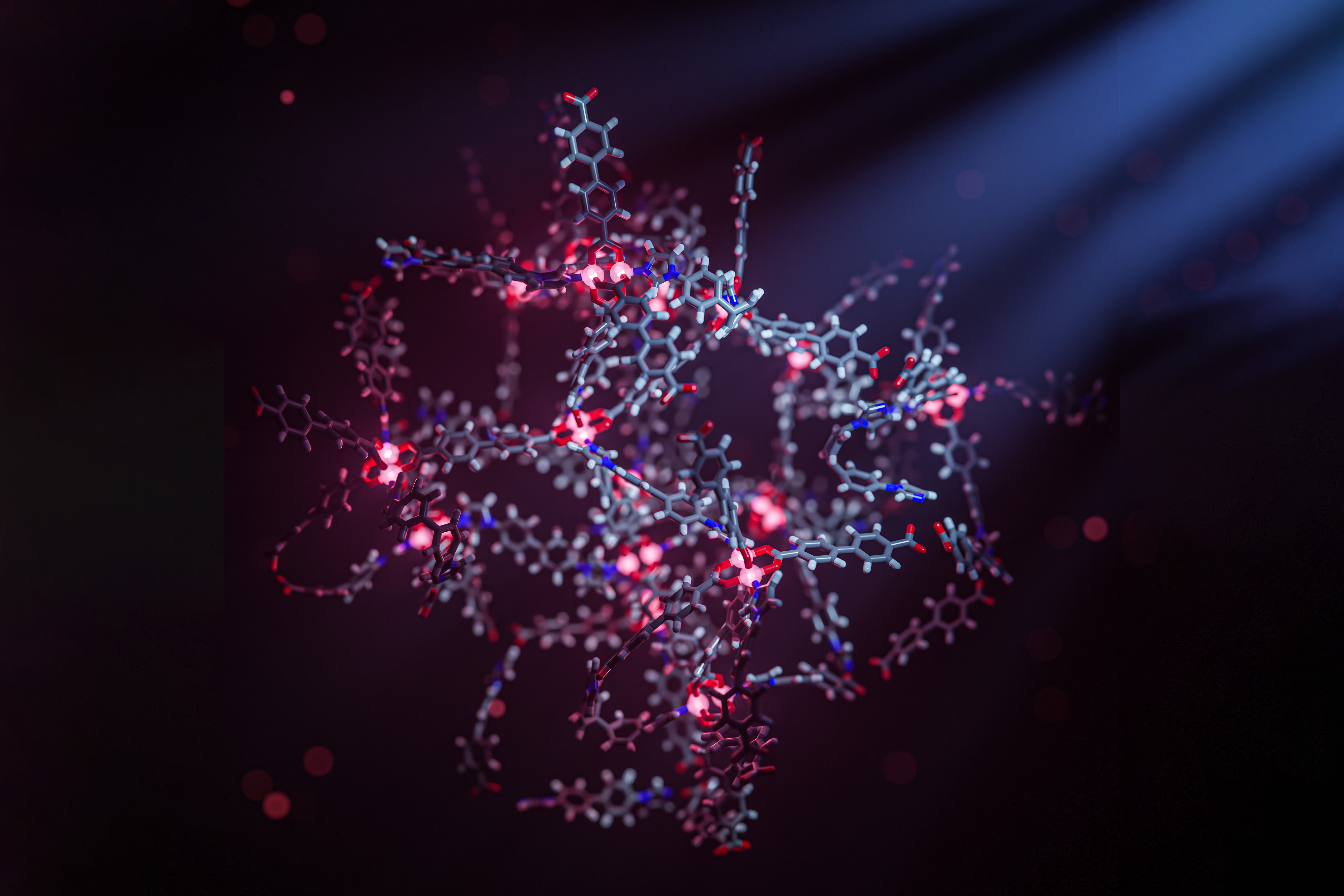
MIT researchers have developed a computational approach to predict the stability of metal-organic frameworks (MOFs), which have a rigid, cage-like structure that makes them useful for applications such as gas storage and drug delivery. Using their model, the researchers identified about 10,000 possible MOF structures that they classify as “ultrastable,” making them good candidates for applications such as converting methane gas to methanol. The researchers also identified certain building blocks that tend to produce more stable materials, and have made their database of ultrastable materials available for researchers interested in testing them for their own scientific applications.