animal-behavior1.91 min read
Duckling's Playful Pool Zoomies Leave Siblings in Disbelief
7 months ago•Source: PetHelpful

The latest animal behavior stories, summarized by AI
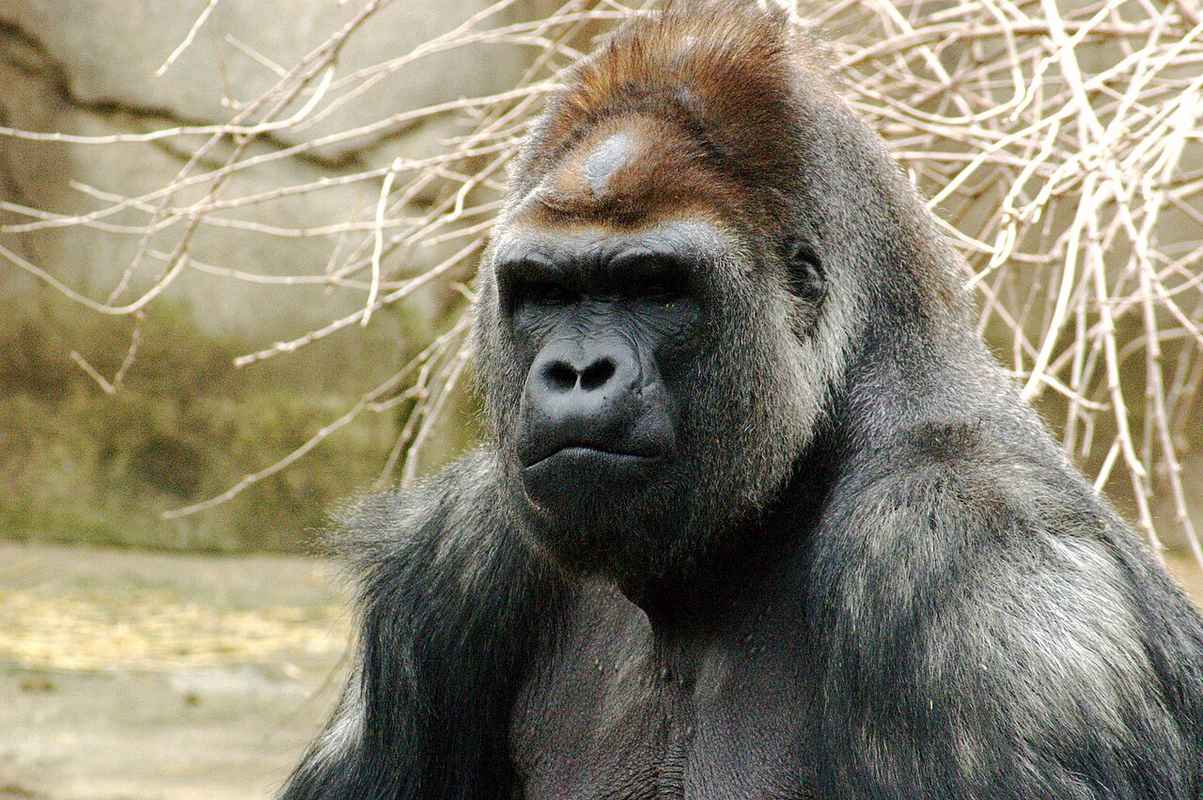
A new study based on years of observation of mountain gorillas reveals that chest beating serves as an honest demonstration of body size, with larger males producing deeper sounds to broadcast their dominance and keep rival males away. The thumping is believed to diffuse fights rather than provoke them, as smaller males use their own chest thumps to alert dominant males of their presence while demonstrating they're no match physically. Additionally, the chest thumps correlate to reproductive success and may influence female behavior, with future studies set to explore their impact on attracting females from other social groups.
KTLA Los Angeles•2 years ago
Gizmodo•2 years ago

A retired postman in Wales captured a mouse on camera tidying up his shed every night, leading to the rodent being dubbed the "Welsh Tidy Mouse." Experts believe the mouse is likely building a nest and considers the shed a safe environment, exhibiting rewarding behavior by repeatedly tidying up. While some believe the mouse is hoarding useful items, others suggest it may be creating a secure area. The mouse's behavior is seen as cognitively complex, and while some objects collected may not be ideal for nesting, the mouse continues to exhibit rewarding behavior. Despite the current tidying arrangement, professional help is advised to prevent potential issues with mice breeding quickly.
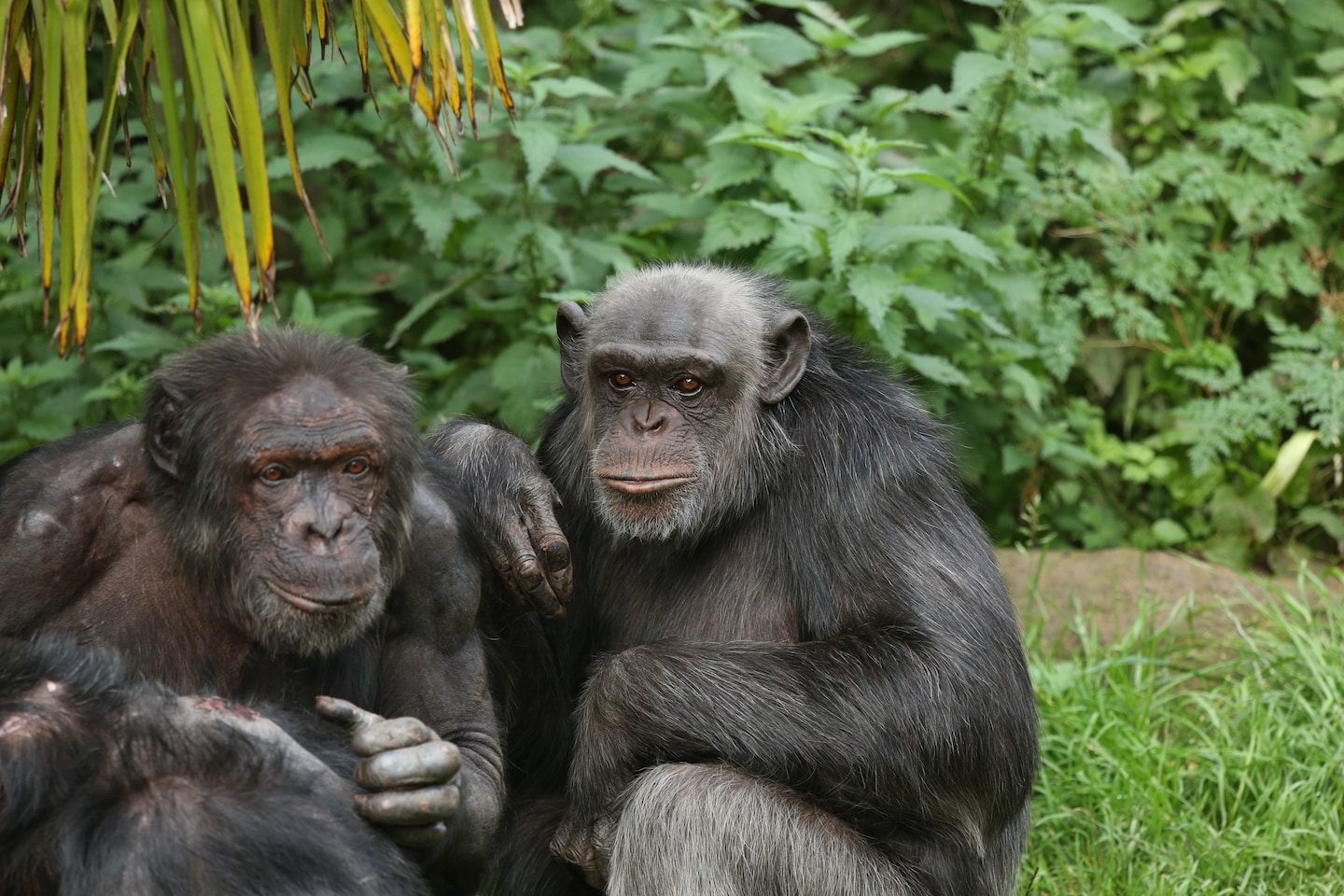
A study published in the Proceedings of the National Academy of Sciences reveals that bonobos and chimpanzees have the ability to remember old friends, family members, and groupmates even after decades of separation. The research suggests that long-term memory is a trait shared by humans, chimps, and bonobos, indicating deep evolutionary roots in complex social networks. Using eye-tracking technology, the study found that the apes showed a greater interest in images of familiar individuals compared to strangers. The results provide insight into the cognitive abilities and social relationships of our closest living relatives.
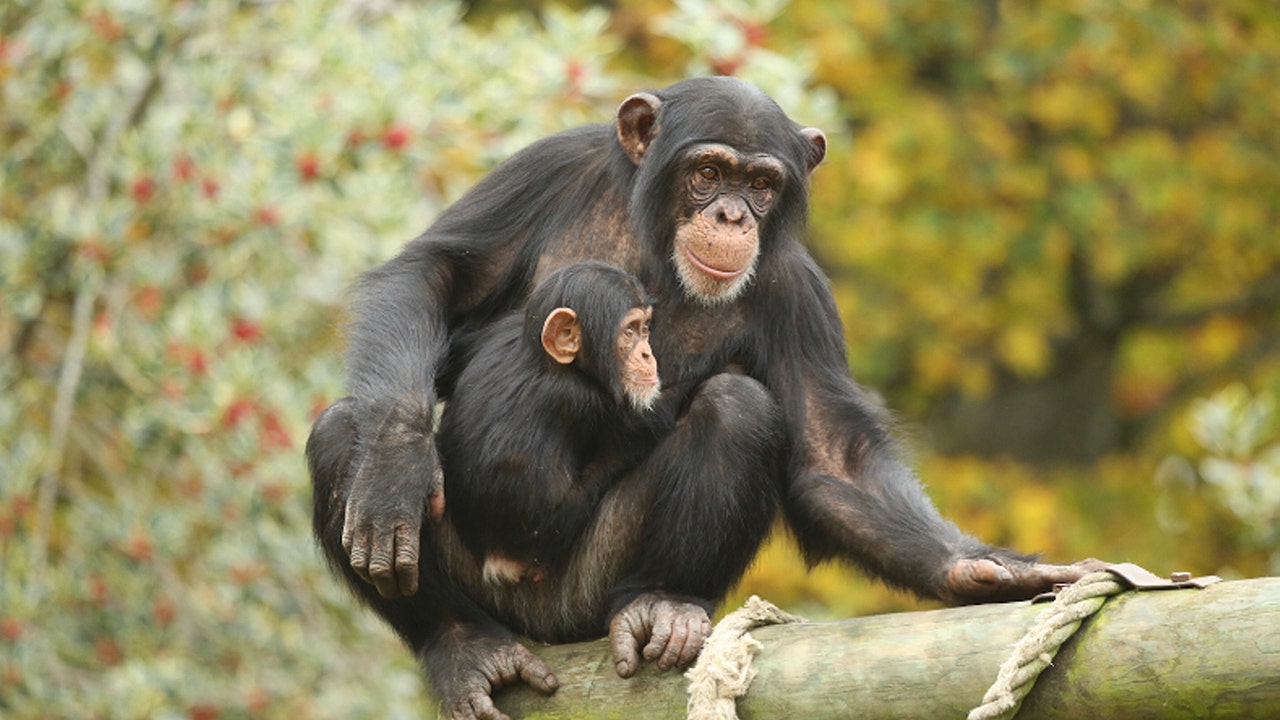
A new study reveals that apes, including chimpanzees and bonobos, have an impressive memory, potentially surpassing that of some humans. Researchers conducted an experiment where apes were shown photos of old friends they hadn't seen in over 25 years. The apes displayed recognition and positive reactions towards familiar individuals, gazing at their images for a significantly longer time. The study suggests that apes possess cognitive mechanisms similar to humans, including long-term memory influenced by social relationships. The findings raise questions about the possibility of apes experiencing emotions associated with missing others. Further research aims to explore the nature of ape memory and its impact on their social interactions.
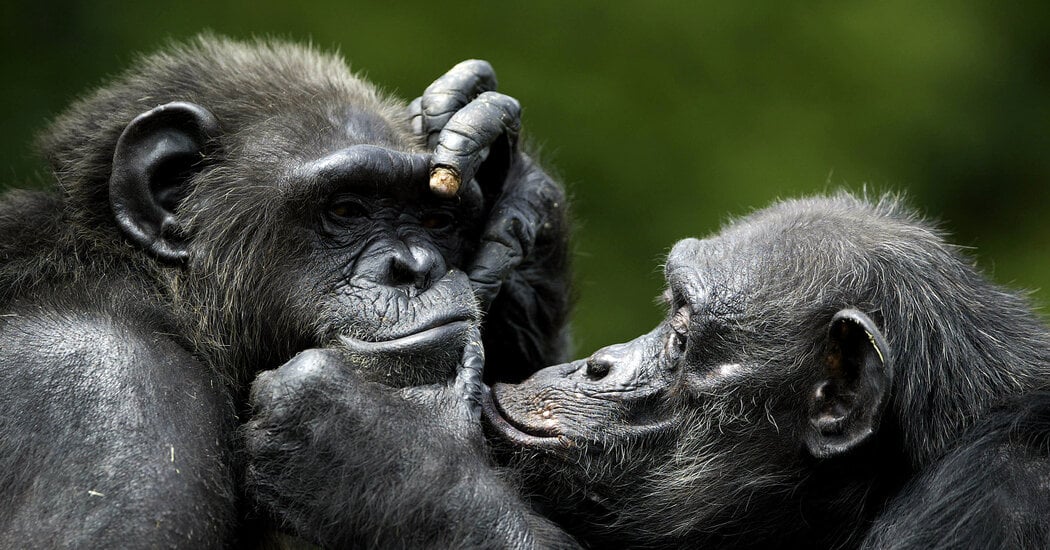
A study conducted on chimpanzees and bonobos has shown that these apes can recall the faces of other apes that they have not seen for years, with one bonobo recognizing a face after 26 years, setting a record for facial memory beyond our species. The apes consistently spent more time looking at their former companions, suggesting the presence of long-term memories. The researchers speculate that these durable memories may benefit the apes by allowing them to form alliances with old acquaintances encountered years later. The study also hints at the possibility of positive experiences strengthening these memories. The findings suggest that long-lived memories may have been vital to our own evolution as humans.
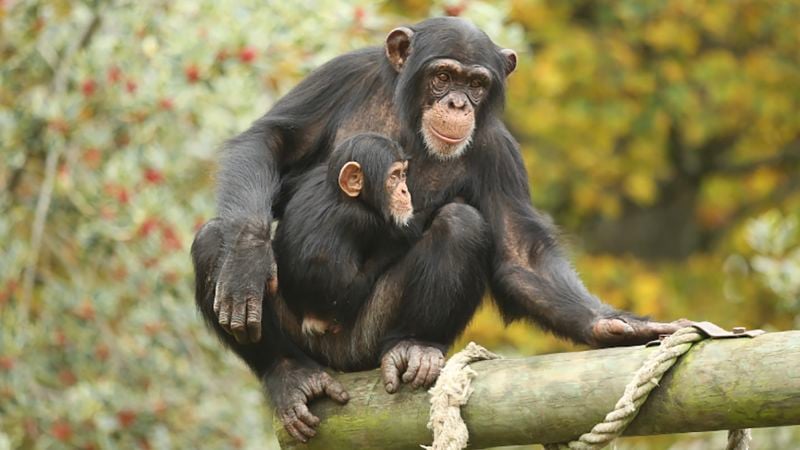
New research has found that apes, including chimpanzees and bonobos, can recognize old friends they haven't seen for decades, marking the longest-lasting social memory documented outside of humans. The study used photographs of deceased or departed apes and found that the participating apes looked significantly longer at those they knew, regardless of the time that had passed since their last interaction. The research suggests that apes' social memory could extend beyond 26 years and may be comparable to humans. The study highlights the importance of conservation efforts and raises questions about the possibility of apes missing their loved ones. Future research will explore if apes can recognize former friends in their current appearance and investigate social memory in other primates.

Researchers used radioactive tracers and PET scans to study the brains of American crows while they used tools to obtain food. The study found that the motor learning and tactile control centers were active in proficient crows, while sensory and higher-order processing centers were active in less proficient crows. Female crows were particularly skilled at tool usage, suggesting a potential link between their caregiving role and tool use. The study also suggests that other crow species have the neural flexibility to learn tool usage. The non-invasive method used in the study, FDG-PET, allows researchers to examine brain activity without surgery or implants.

Female meerkats exhibit aggressive behavior towards rivals, including evicting them and killing their offspring. A recent study suggests that dominant female meerkats possess unique gene expression not found in lower-status individuals. These high-ranking females have higher levels of androgen, associated with aggressiveness, and show an upregulation of genes related to inflammatory response, indicating better immune function. This genetic advantage helps them maintain their dominant status and reproductive success, resulting in a significant skew in offspring distribution within meerkat social groups. The study highlights the importance of social status in regulating immune genes and reproductive competition among social animals.

Female meerkats exhibit aggressive behavior towards rivals, including evicting them and killing their offspring. A recent study suggests that dominant female meerkats have unique gene expression not seen in lower-status individuals. These high-ranking females have higher levels of androgen, which is associated with aggressiveness, and show an upregulation of genes related to inflammatory response, indicating better immune function. This genetic advantage helps them maintain their dominant status and reproductive success, resulting in a significant skew in offspring production within meerkat social groups.

Female meerkats exhibit aggressive behavior towards rivals, including evicting them and killing their offspring. A recent study suggests that dominant female meerkats have unique gene expression not seen in lower-status individuals. These high-ranking females have higher levels of androgen, associated with aggressiveness, and show an upregulation of genes related to inflammatory response, indicating better immune function. This genetic advantage helps them maintain their dominant status and reproductive success, resulting in a significant skew in offspring distribution within meerkat social groups.
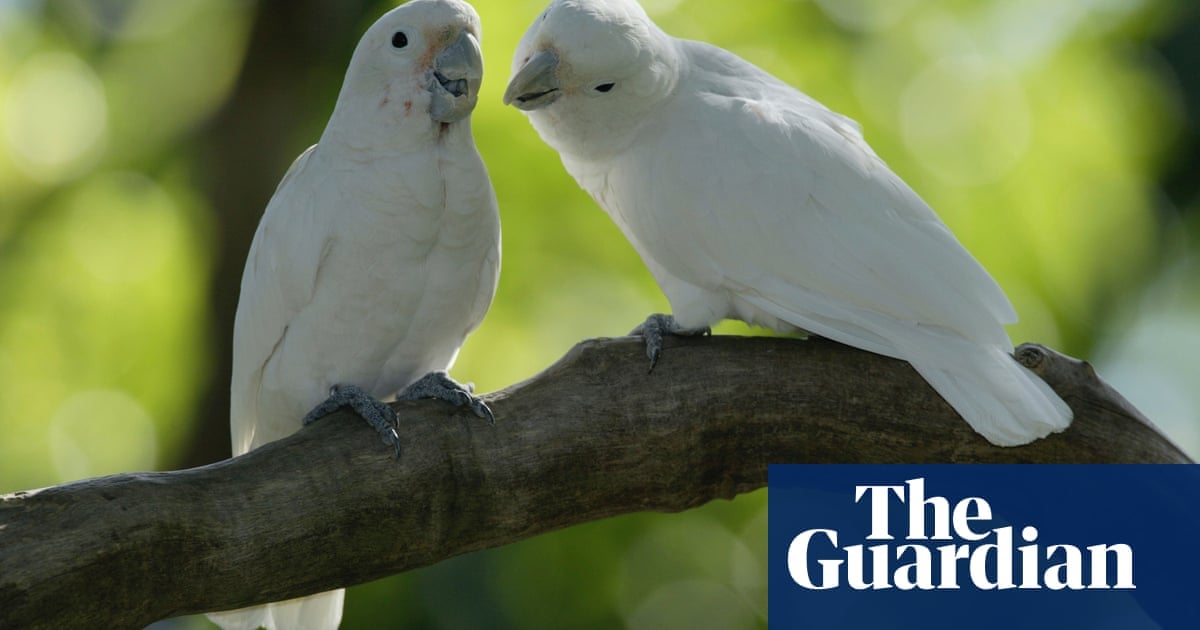
Researchers at the University of Vienna have discovered that Goffin's cockatoos exhibit food-dunking behavior, similar to humans dipping biscuits in tea. The study found that seven out of 18 cockatoos dunked their food, with twice-baked bread being the most popular item. The birds showed a preference for wet rusk, suggesting that they dunked their food to improve its texture. The behavior requires impulse control and delayed gratification, highlighting the ingenuity of the birds in a food preparation context. This spontaneous foraging innovation has not been observed in the wild, making it a unique discovery in parrots.