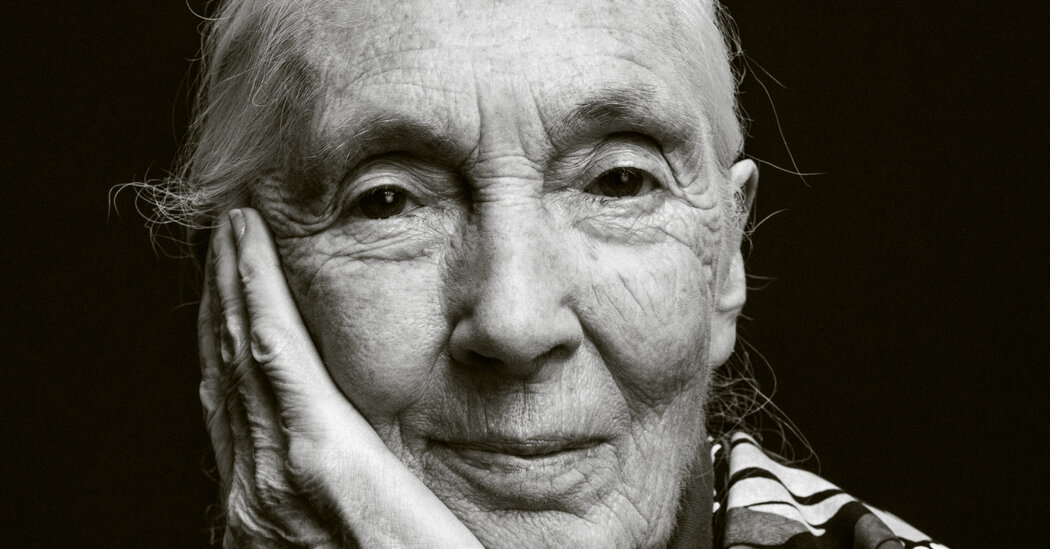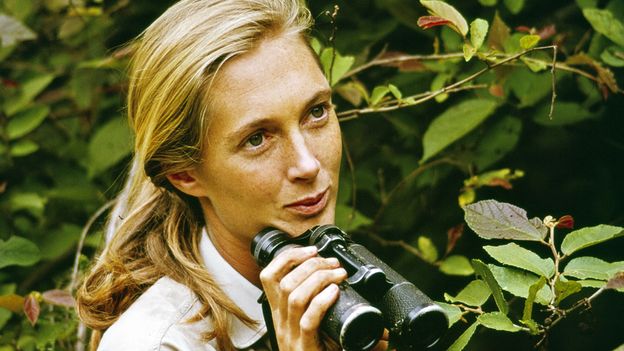
Jane Goodall, renowned primatologist known for her groundbreaking work with chimpanzees and her advocacy for conservation, passed away at 91, leaving a legacy of scientific discovery and environmental activism.
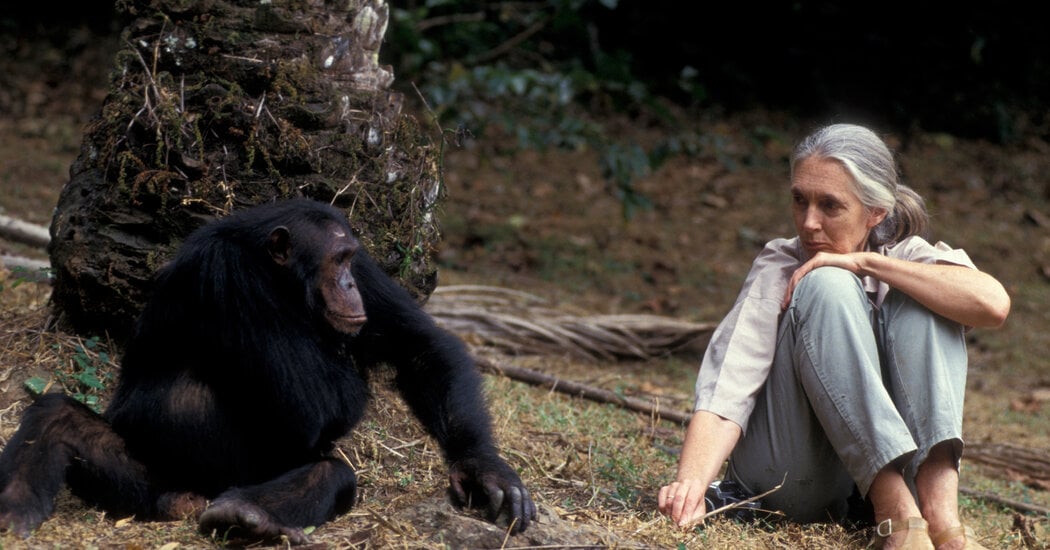
Jane Goodall, renowned for her groundbreaking research on wild chimpanzees and her conservation efforts, passed away at the age of 86. Her pioneering work in Tanzania in the 1960s revealed that chimpanzees use tools, challenging previous notions of human uniqueness and profoundly influencing our understanding of animal behavior and human evolution.
Jane Goodall, renowned primatologist known for her groundbreaking research on chimpanzees and her conservation efforts, has died at 91. Her work revolutionized understanding of animal intelligence and social behavior, and she dedicated her life to protecting wildlife and inspiring environmental activism worldwide.
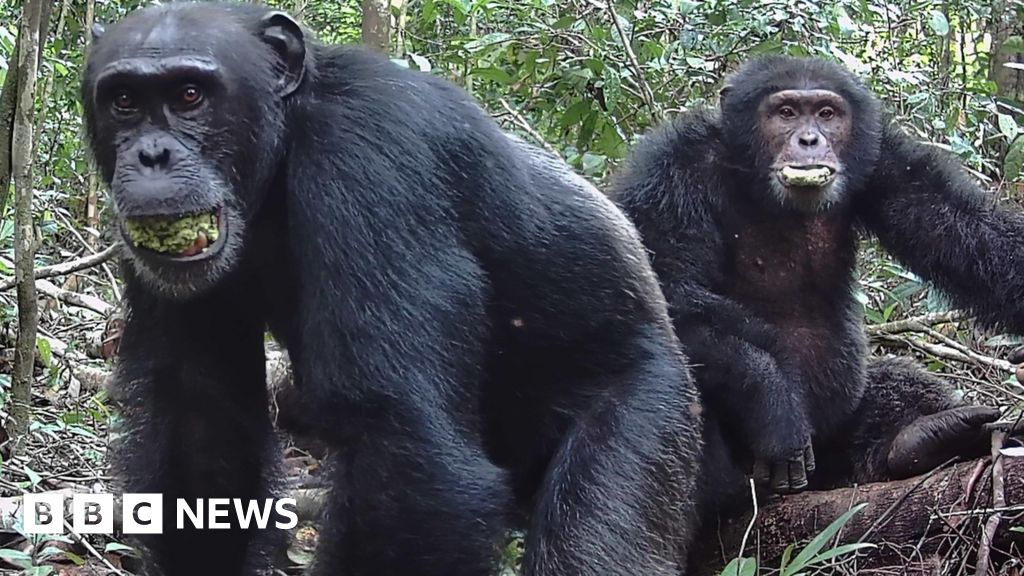
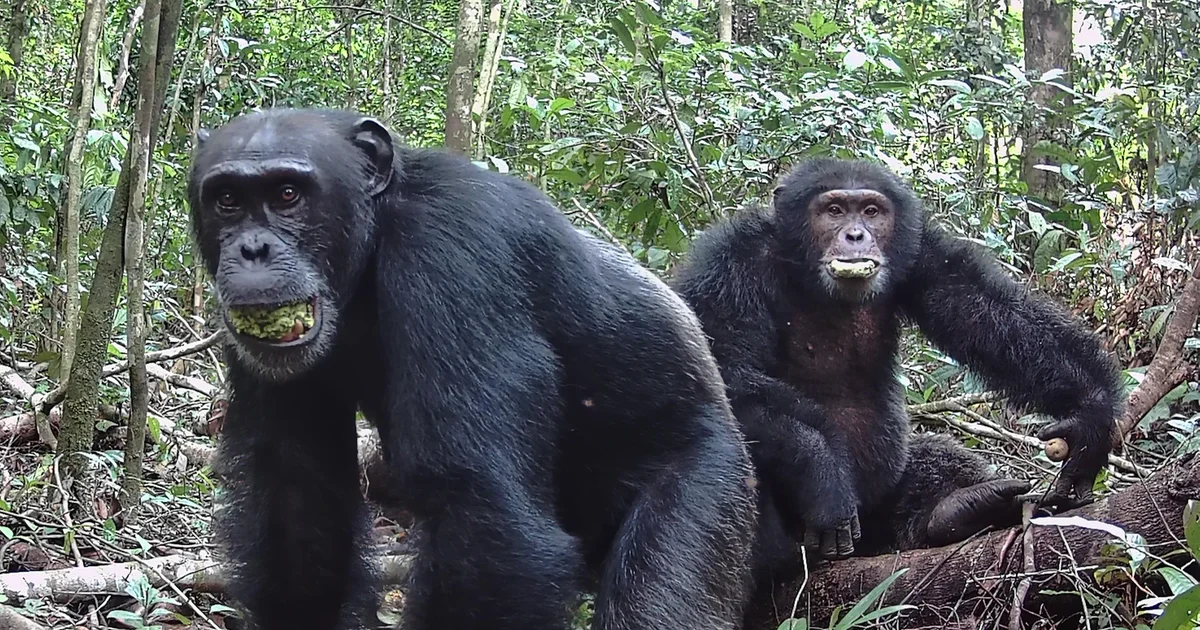
Wild chimpanzees consume the equivalent of a daily lager's alcohol from ripened fruit, supporting the 'drunken monkey' hypothesis that humans' taste for alcohol may have evolved from primate ancestors relying on fermented fruit for food, although the amount consumed does not cause drunkenness.
Wild chimpanzees in Uganda and Côte d'Ivoire consume fermented fruit containing about 0.3% alcohol, which amounts to roughly two human cocktails per day, highlighting their natural exposure to alcohol through diet.
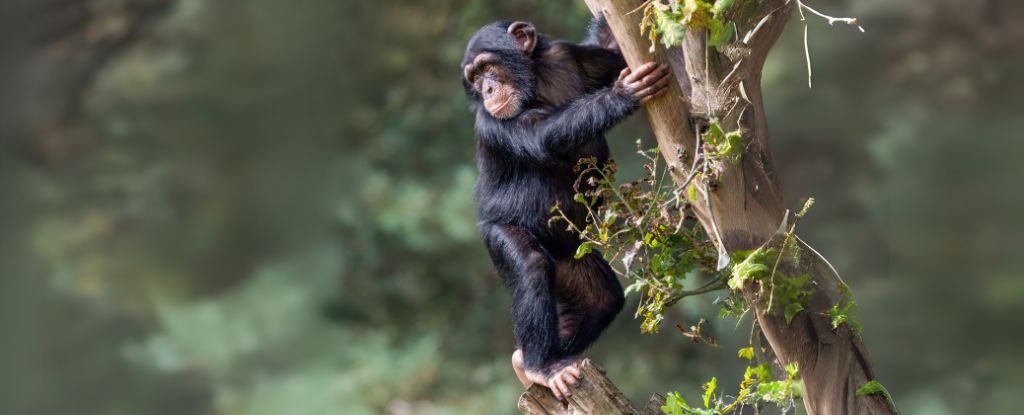
Recent research suggests that early human ancestors may have developed upright walking skills while still in trees, challenging the traditional view that bipedalism arose solely from adapting to open savannahs, with chimpanzee behaviors providing key insights into this evolutionary process.
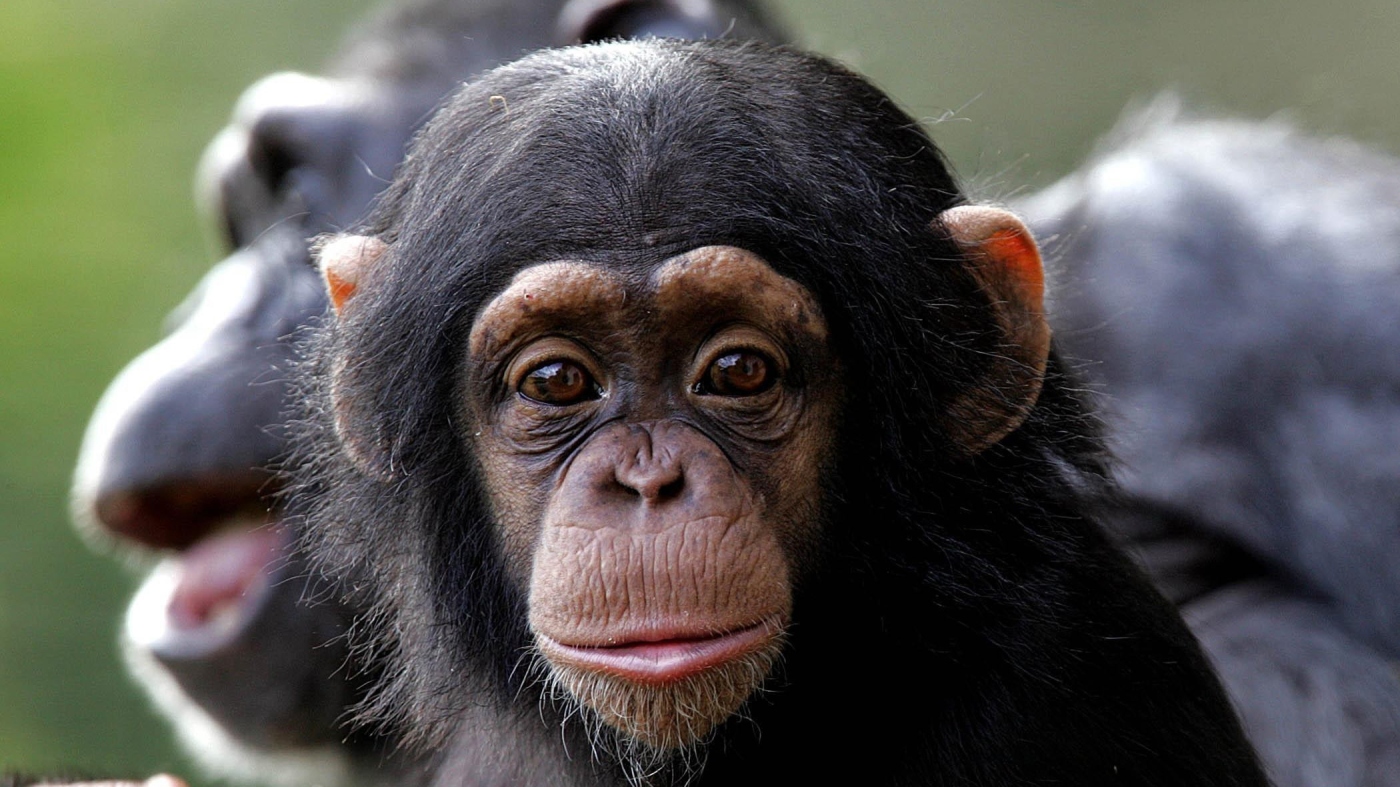
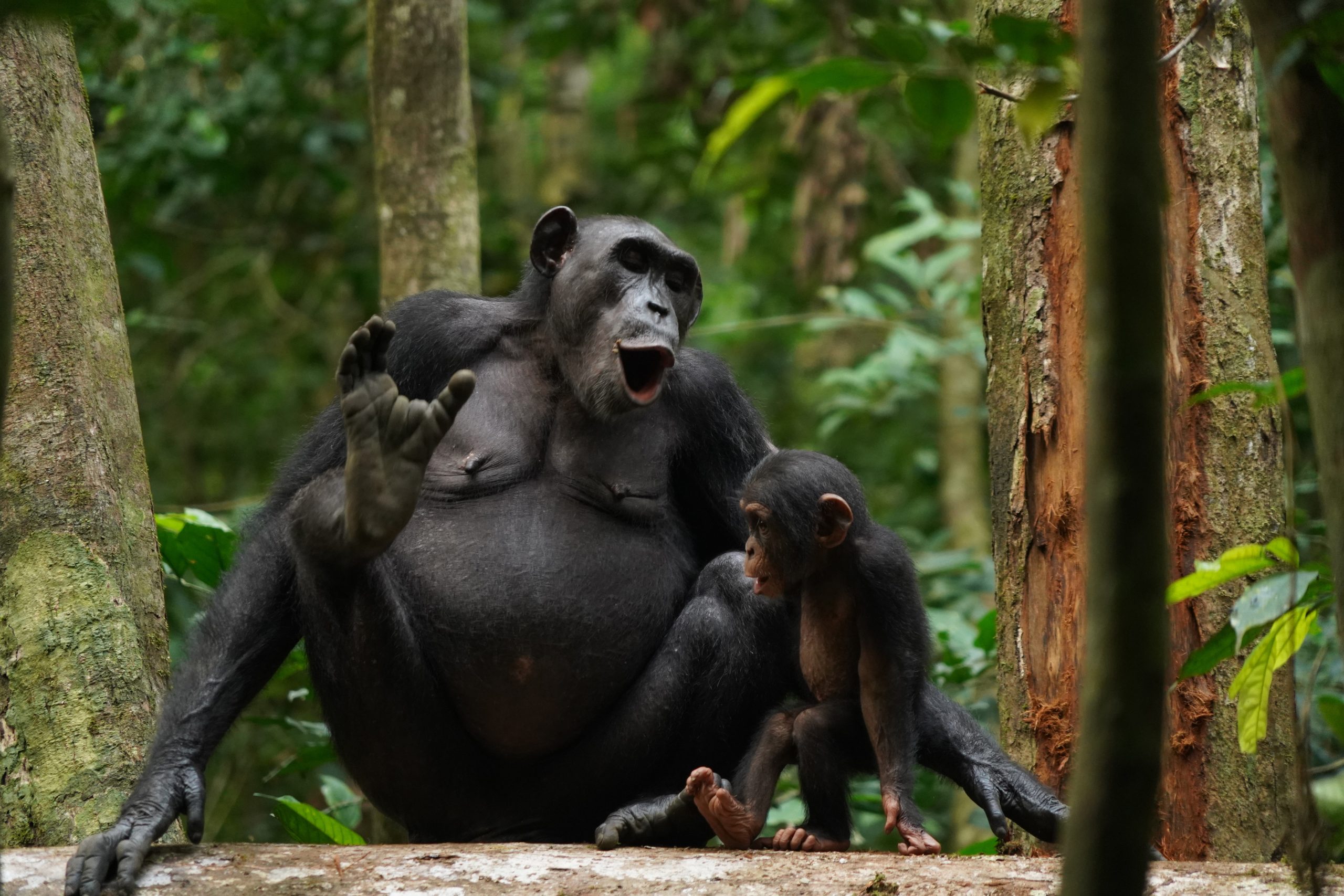
A study shows that young chimpanzees learn their vocal and visual communication styles primarily from their mothers, not their fathers, suggesting that social learning of communication may date back to the common ancestor of humans and chimpanzees millions of years ago.
The article explores how studying great apes like chimpanzees and bonobos provides valuable insights into human evolution, social structures, communication, and problem-solving, highlighting our shared traits and behaviors.
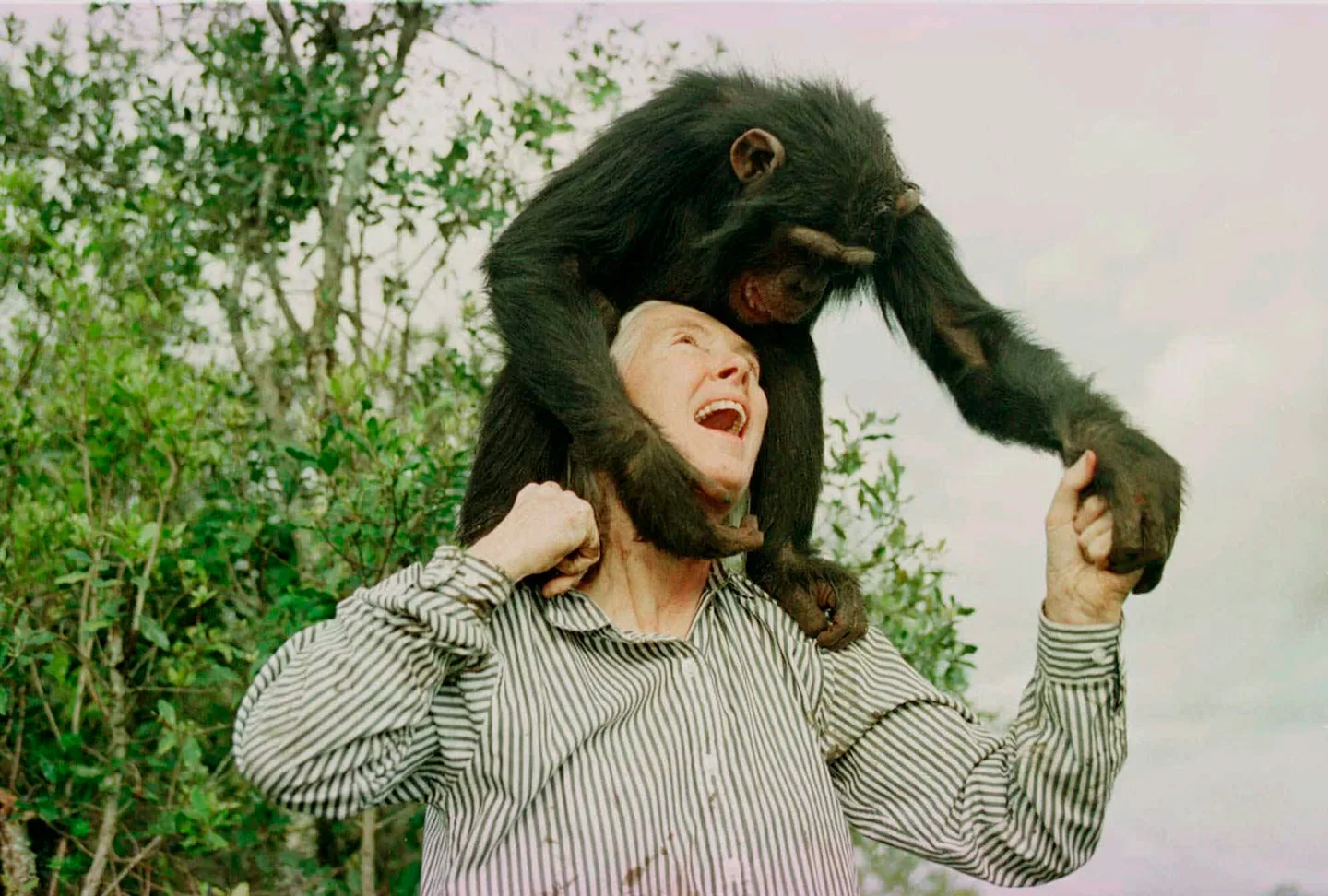
Jane Goodall's pioneering 1960 study of wild chimpanzees in Tanzania revolutionized our understanding of animal behavior, revealing their complex social bonds, tool use, and emotional similarities to humans, ultimately reshaping our view of human evolution and our connection to the animal kingdom.
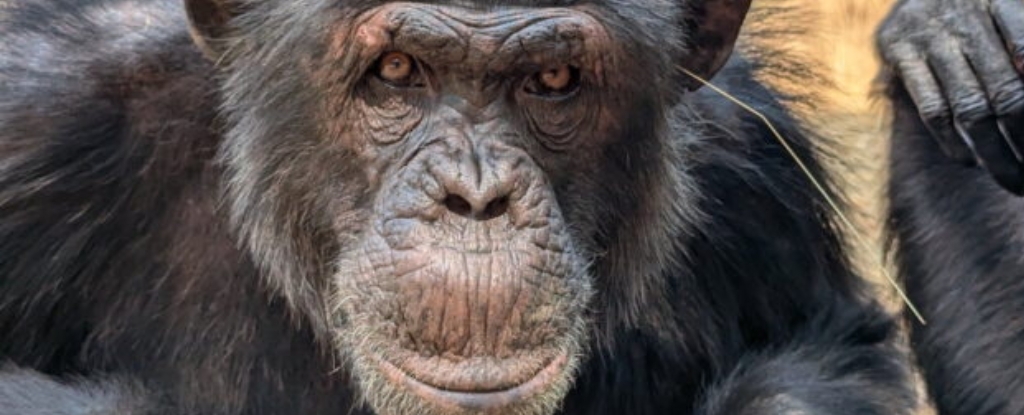
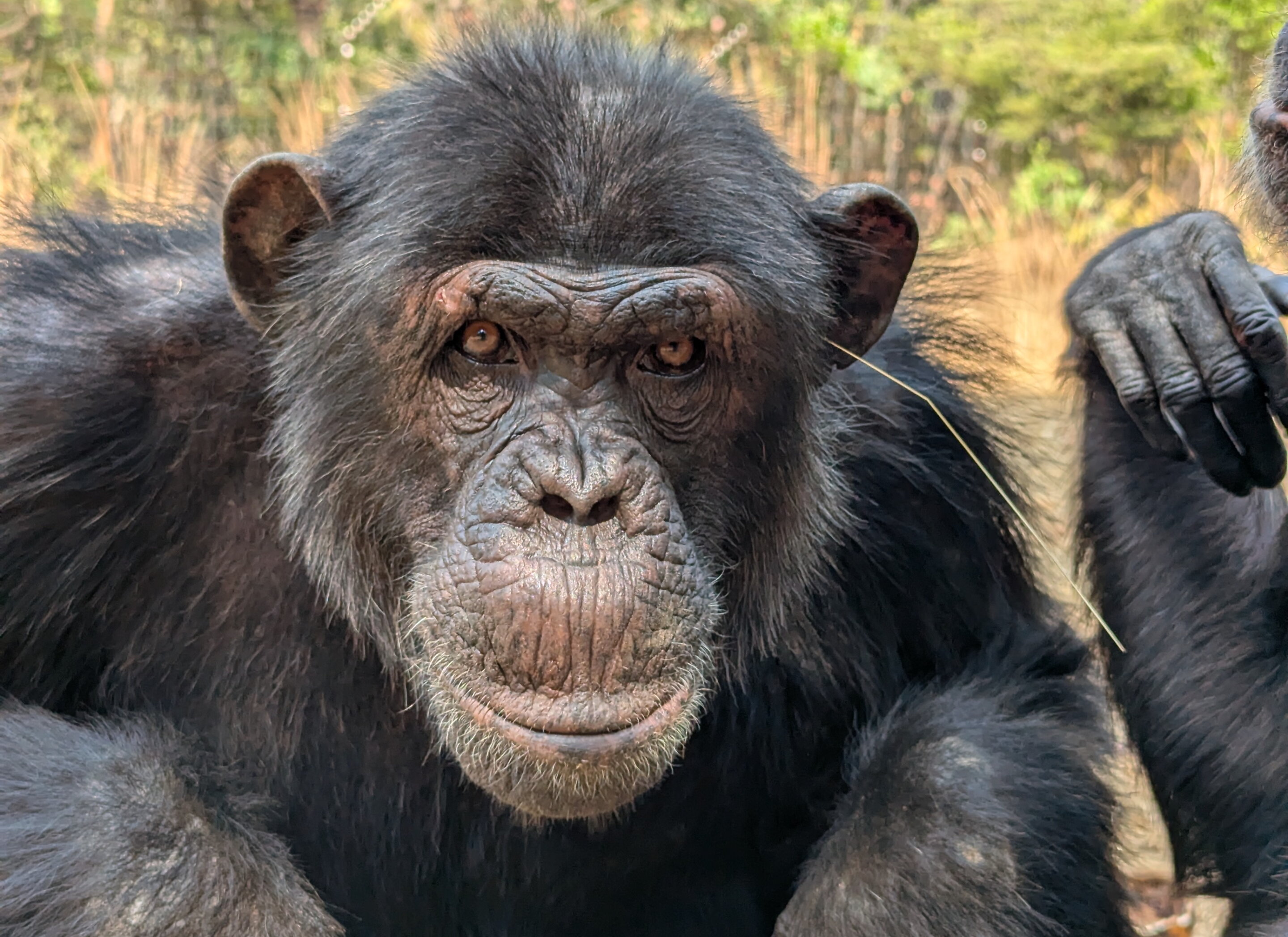
At a chimp sanctuary in Zambia, a viral trend of chimps sticking grass in their ears and butts has emerged, possibly serving social bonding purposes. This behavior, observed over a decade apart and in different groups, highlights social learning and cultural transmission in captive chimpanzees, similar to trends seen in other animals like orcas and dolphins.
Researchers observed chimpanzees at a Zambia sanctuary engaging in a seemingly pointless behavior of placing blades of grass in their ears and behinds, which appears to be learned socially rather than functional, suggesting that animals can copy even trivial behaviors, similar to human cultural practices.
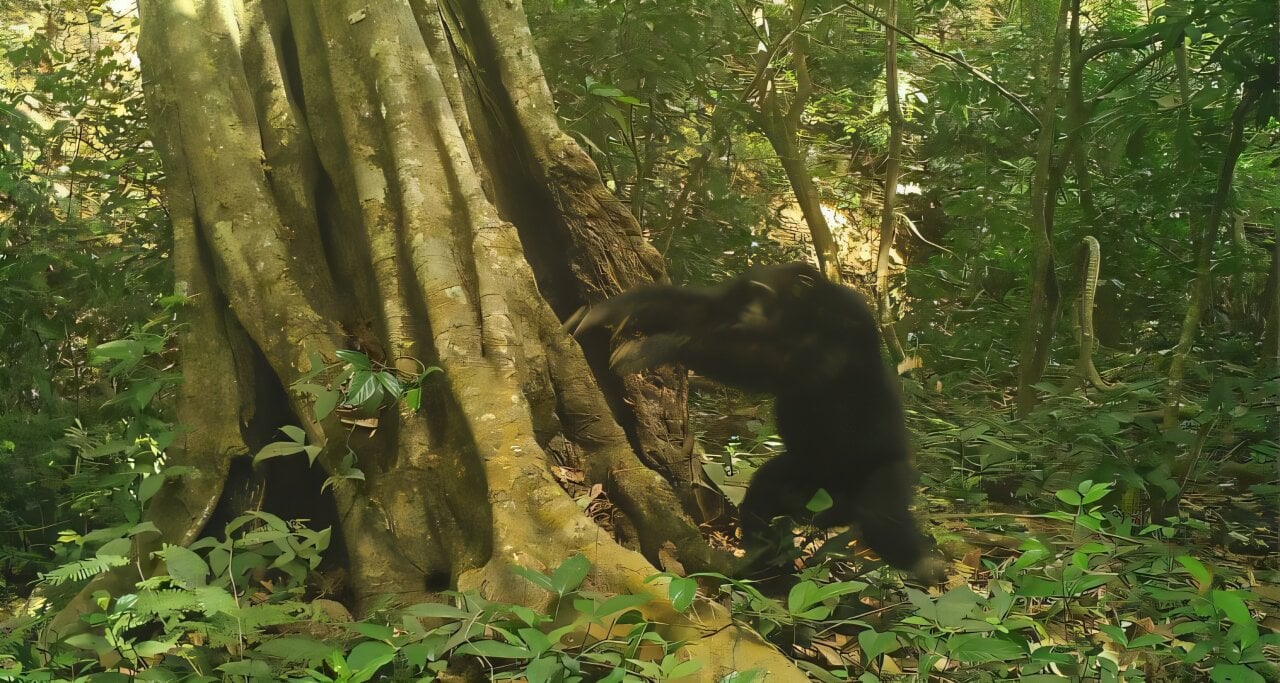
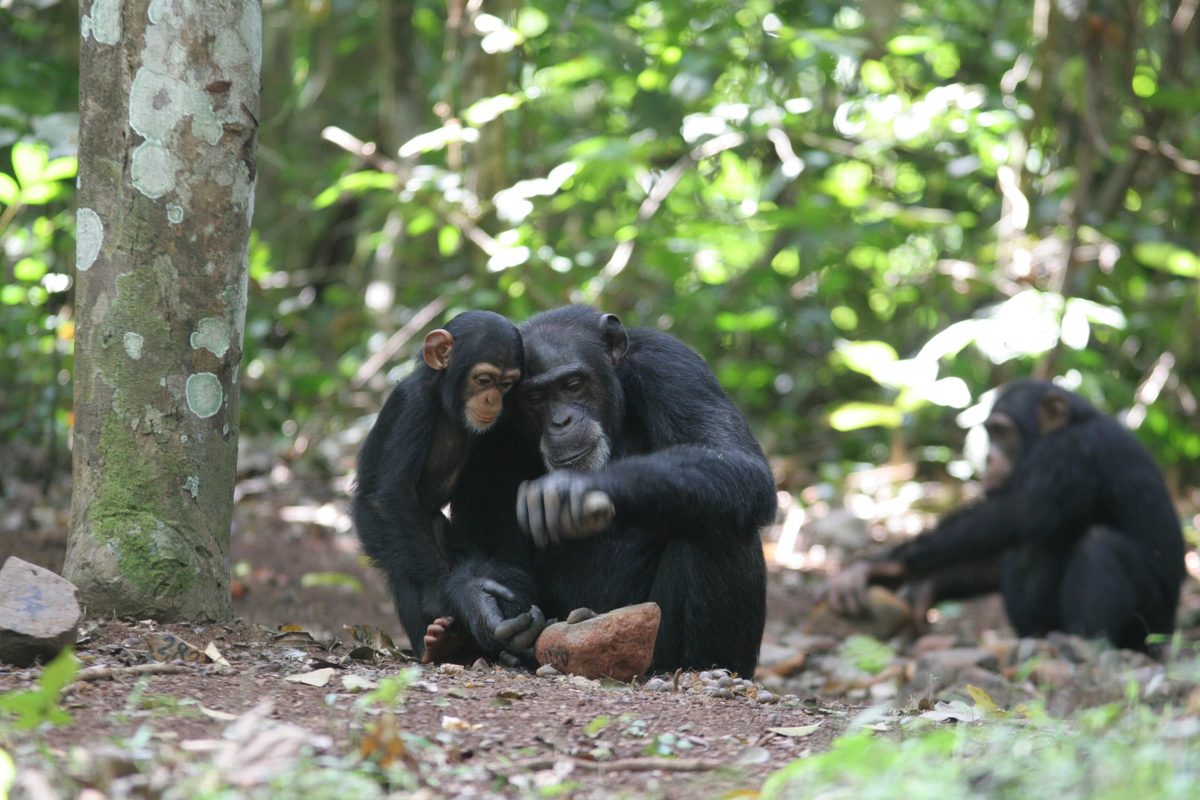
A five-year study in Guinea-Bissau found that wild chimpanzees use stones to produce sounds by striking them against trees, likely as a form of communication, with young chimpanzees learning this behavior socially, indicating cultural transmission among primates.
A new study shows that wild chimpanzees use complex call combinations to expand their messaging, revealing a level of vocal communication that parallels some aspects of human language and suggesting that the roots of linguistic complexity may be deeper in our evolutionary history than previously thought.
A study reveals that chimpanzees exhibit complex tool-use behaviors, suggesting that the cognitive abilities underlying human language and technology may have evolved before humans and apes diverged. Researchers observed chimps using hierarchical 'chunking' to organize actions into sequences, similar to humans. This behavior was documented in wild chimps cracking nuts with tools, indicating that such cognitive skills might be shared across other ape species. The study highlights the slow evolution of chimpanzee tool-use behaviors compared to rapid human technological advancements.
A new study published in Science reveals that chimpanzees are gradually enhancing their tool-using skills through cultural exchanges facilitated by migrations between populations over millennia. This process mirrors early human technological advancements, suggesting that social connections have historically played a crucial role in the development of complex behaviors. The study highlights that advanced tool use in chimps is linked to genetic exchanges, with the most complex behaviors observed in areas where different subspecies overlap.