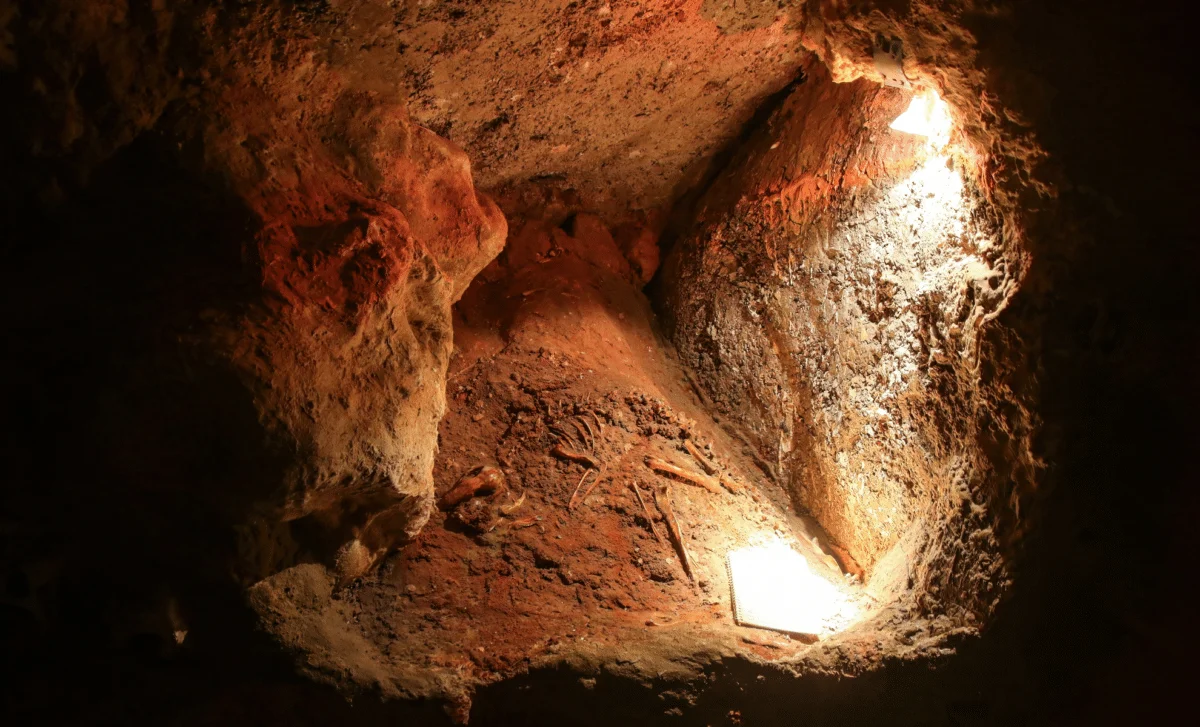
A 1,100-year-old mummy of a miner found in Chile shows he died from extensive blunt-force trauma likely caused by a mine collapse, with CT scans revealing injuries consistent with a rockfall during turquoise extraction in ancient times.
A family in Lewes, East Sussex, discovered 3,000-year-old Bronze Age copper ingots and bronze artifacts while metal detecting, which they donated to a local museum, highlighting the historical significance of their find.
New archaeological evidence from South Africa shows that humans used poisoned arrows 60,000 years ago, making it the oldest direct evidence of poison use in hunting globally, and highlighting advanced cognitive skills and knowledge of toxic plants among ancient hunter-gatherers.
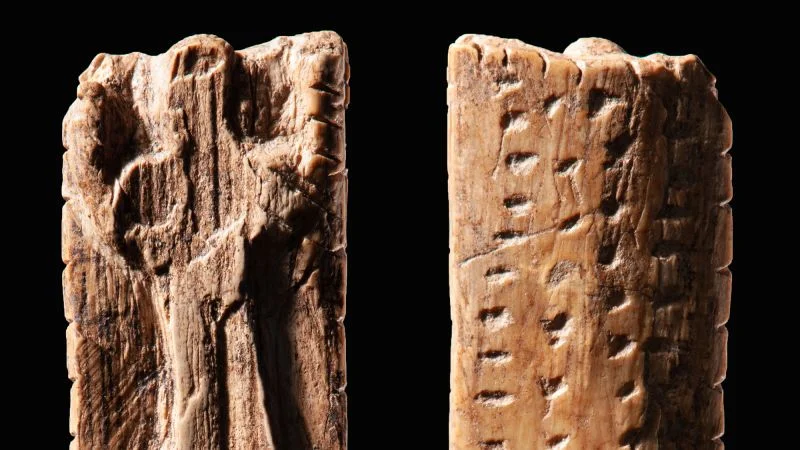
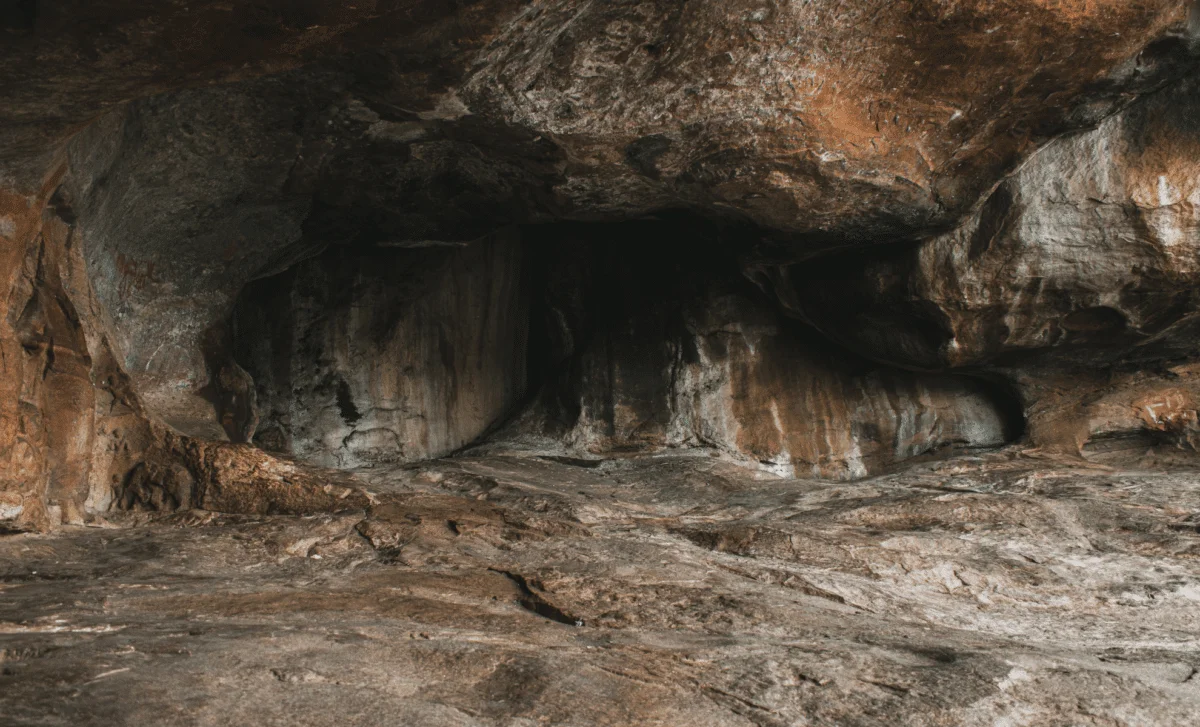
Researchers discovered the oldest known cremation pyre in Africa, dating back 9,500 years in Malawi, revealing complex funerary practices among early hunter-gatherers and raising questions about their cultural beliefs and social structures.
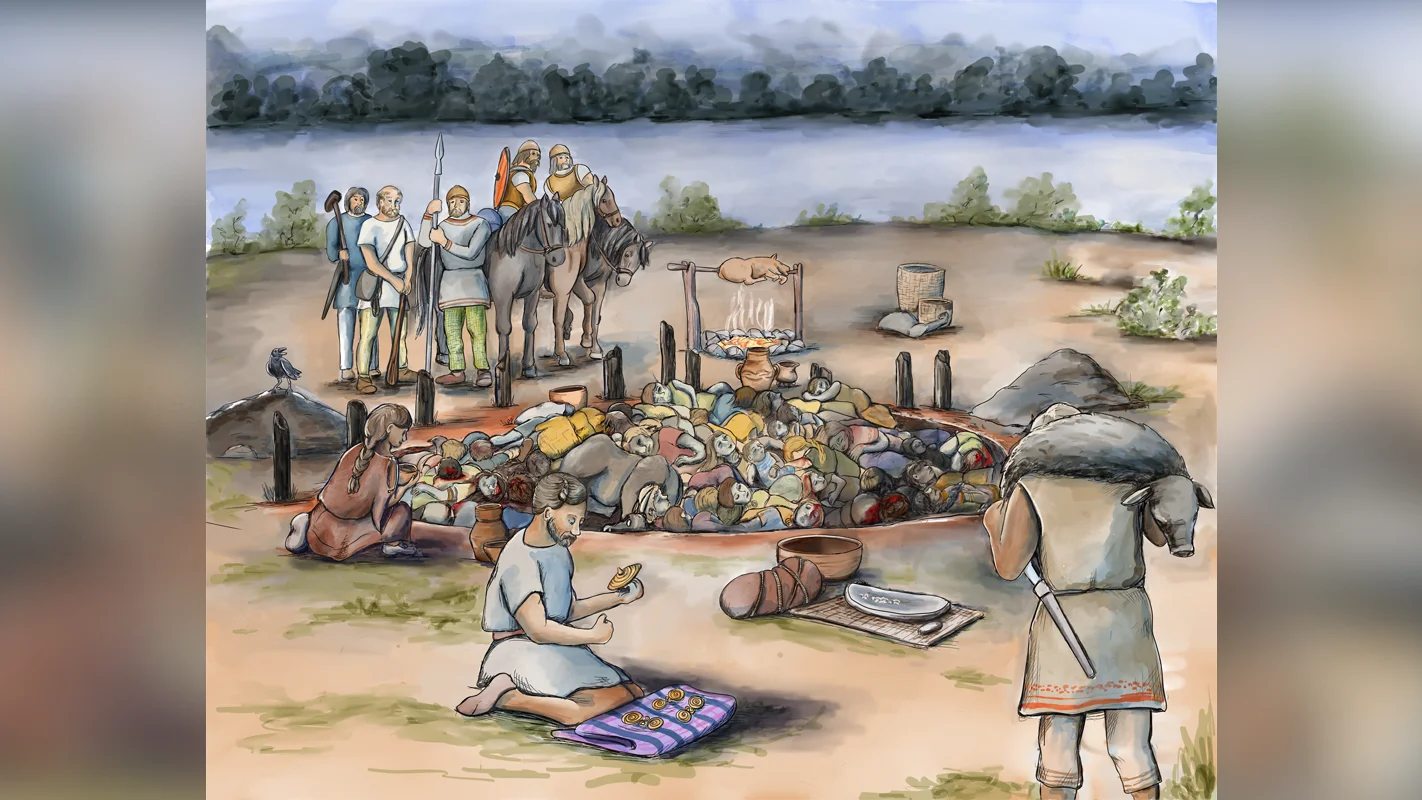
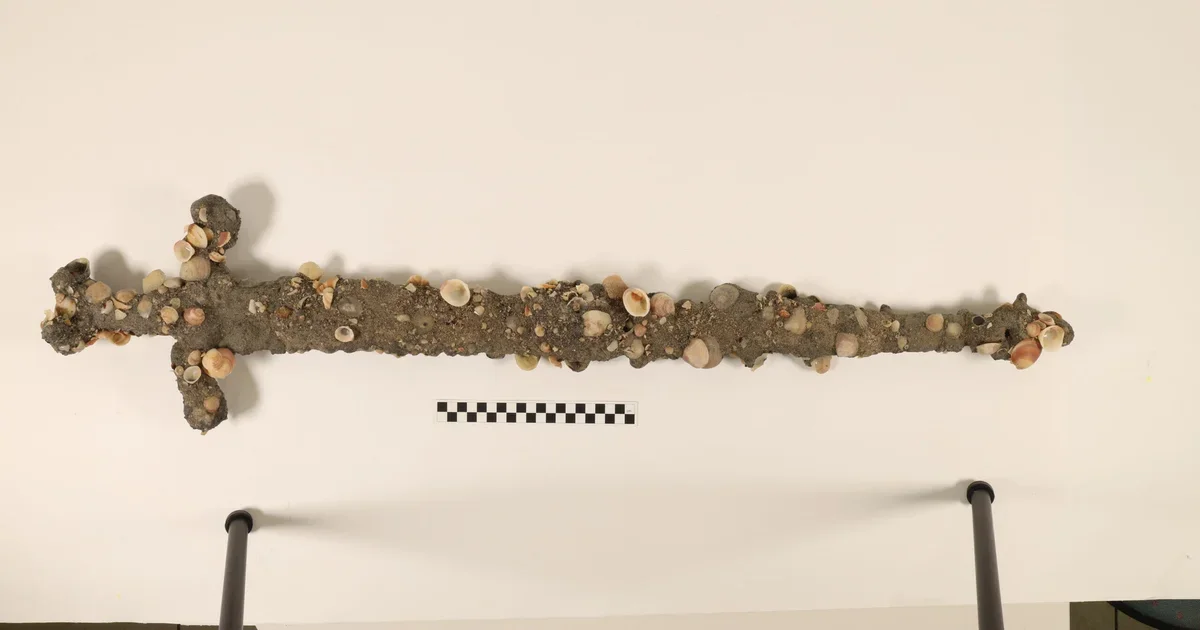
Archaeologists in Hungary discovered 1,100-year-old burials of three related elite warriors, including ornate weapons and coins, with DNA suggesting familial ties, shedding light on the military elite of early medieval Hungary.
A pioneering project using ground-penetrating radar (GPR) is being conducted on Lincoln Cathedral to uncover its hidden history, including evidence of earlier structures and burials, potentially dating back to the Roman period, with results expected in spring.
Archaeologists discovered the world's oldest intentional cremation pyre at Mount Hora in Africa, dating back around 9,500 years, revealing complex social and mortuary rituals among early hunter-gatherers, including dismemberment and bone relics as acts of remembrance.
Researchers analyzing a 2,000-year-old wooden boat in Scandinavia discovered a fingerprint in the tar used to seal it, providing new insights into the origins of the boat and its raiders, with evidence suggesting a Baltic Sea region origin rather than Hamburg, and plans to further study the wood's tree rings and DNA to learn more about the ancient people.
The Antikythera Mechanism, discovered in a shipwreck off Greece, is an ancient device from 2,000 years ago that functions as an advanced astronomical calculator, tracking planetary motion, predicting eclipses, and even displaying Olympic cycles, highlighting the ingenuity of ancient Greek engineering and the ongoing mystery surrounding its origins.
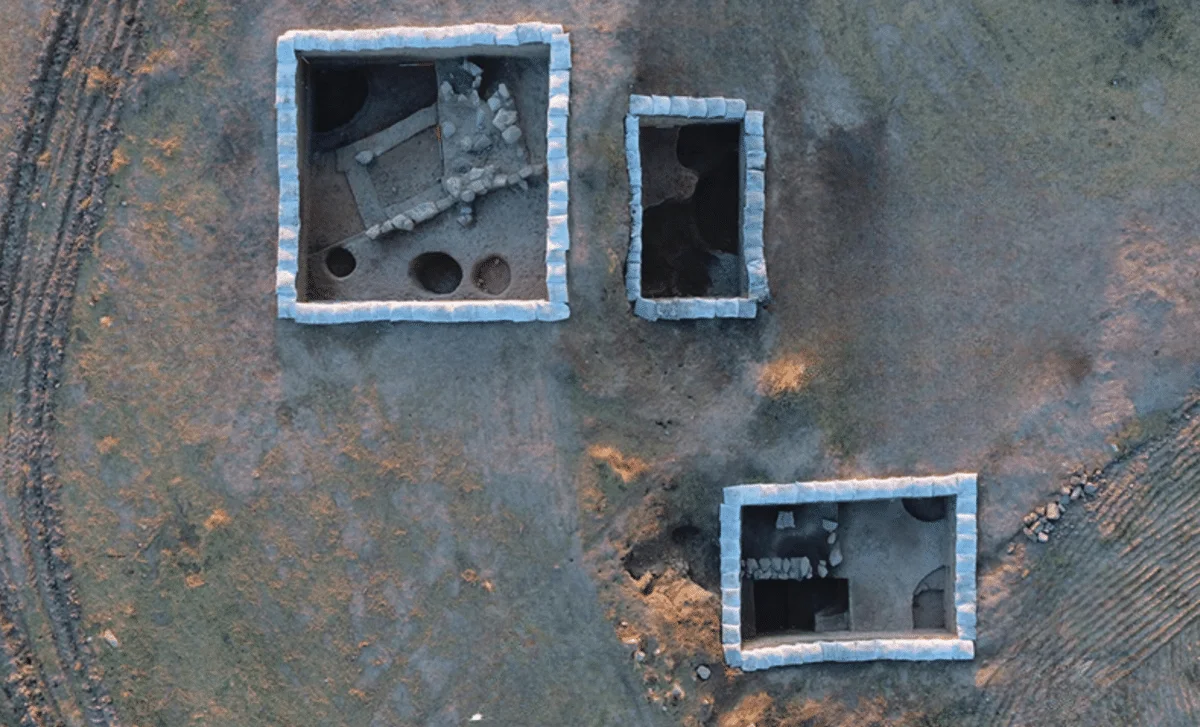
Scientists have uncovered Ireland’s largest prehistoric hillfort settlement at Brusselstown Ring, revealing over 600 dwellings and challenging previous notions of Bronze Age social organization, suggesting a large, egalitarian community with sophisticated planning, which was gradually abandoned in the third century BCE.
Scientists discovered the earliest known cremation in Africa, dating back 9,500 years in Malawi, involving a large-scale pyre ritual for a likely middle-aged woman, challenging previous notions about hunter-gatherer mortuary practices and indicating complex social behaviors.
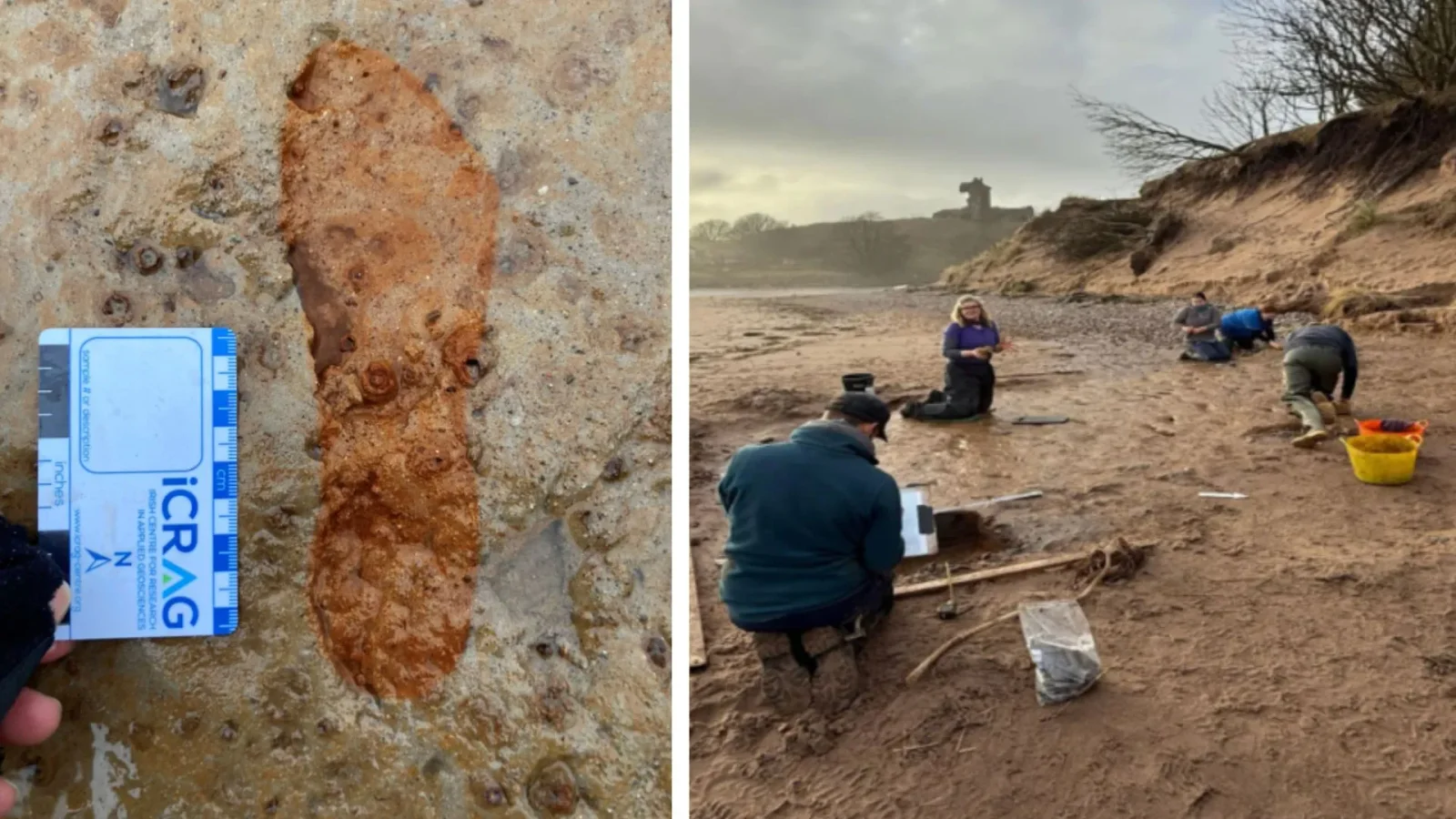
Fossilized human footprints dating back 115,000 years were discovered in Saudi Arabia's Nefud Desert, providing the earliest direct evidence of Homo sapiens in the region, likely made during a brief period when the area supported a freshwater lake and diverse wildlife, indicating early human movement and behavior in a now-arid landscape.
Large Roman shoes discovered at Magna Roman Fort in Northumberland, with some over 30cm long, are set to be displayed at the Roman Army Museum. The size suggests they belonged to taller individuals, possibly from specialized military units, but the exact reason for their size and the individuals' roles remain a mystery pending further excavations. The shoes' preservation is due to the site's low oxygen soil conditions.
A metal detectorist in Essex discovered a unique medieval seal matrix featuring a Roman gemstone depicting a charioteer, dating from 1200 to 1400, which has been declared treasure and is sought after by Braintree Museum.
Volunteers at the Bedford Roman Villa Project have made a significant discovery of a large Roman building, including rare stucco work, which is expected to enhance understanding of Roman Britain and put Bedford on the archaeological map. The site has yielded numerous artifacts since 2011, and community efforts aim to continue excavations and share findings publicly.