
psychology25.295 min read
Tracking 'Feel Sexy' in Books Reveals a Gendered Language of Desire
15 hours ago•Source: PsyPost

The latest psychology stories, summarized by AI

A 299-participant study found that individuals with higher ADHD symptoms solved problems more often through sudden insight than through deliberate analysis, while those with the lowest symptoms balanced insight and analysis. The results showed a U-shaped curve where high- and low-symptom groups performed best overall, suggesting that executive control levels influence creative problem-solving via different mental routes and highlighting potential strengths of neurodiversity in such tasks.

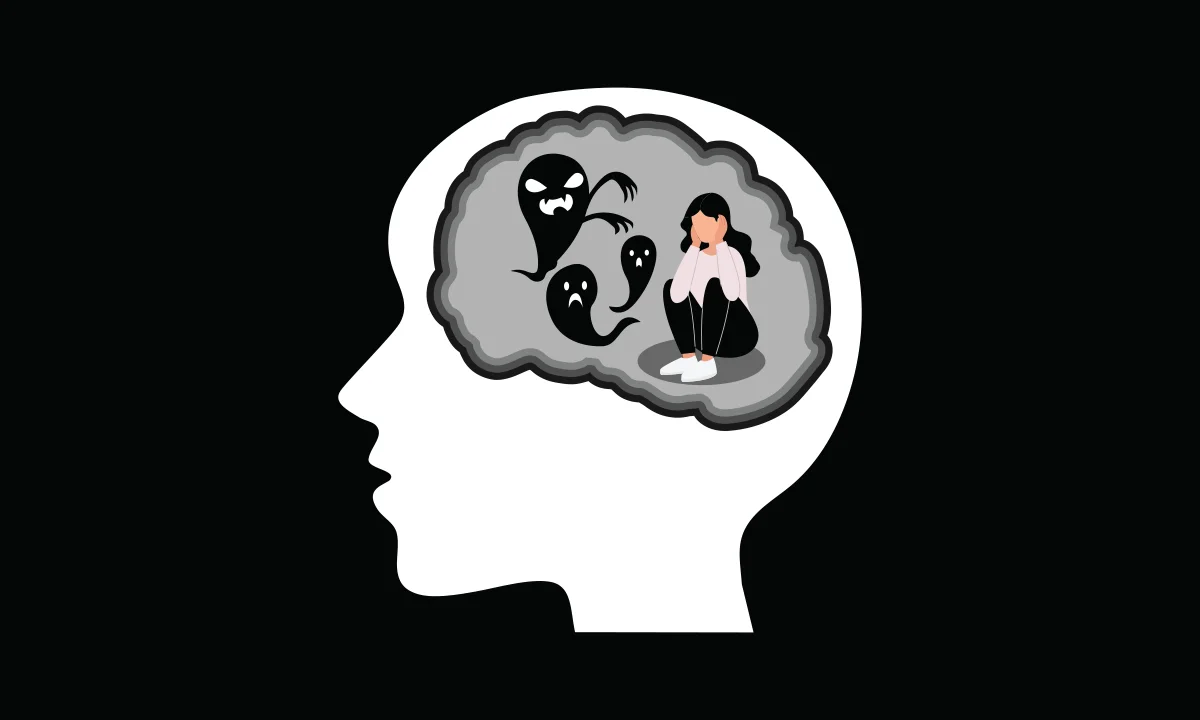
A UK–Australia study of 10 young adults with first-episode psychosis argues delusions are grounded in emotional, bodily experiences and life history—not just faulty reasoning—featuring persecutory, reference, and grandiose themes, with treatment needing to address embodied feelings and metaphorical language.

The article explains that struggles with common tasks often indicate higher intelligence, as such individuals tend to seek depth, novelty, and meaning, which can lead to difficulties with routines, small talk, and mundane details, but these traits are strengths when understood and managed properly.

A new study challenges the traditional view that self-control leads to happiness, instead finding that higher well-being predicts better self-control over time across different cultures, suggesting that prioritizing emotional health may be more effective for personal growth than relying solely on willpower.

A 30-year study suggests that childhood friendships have a greater impact on adult attachment styles than parental relationships, with early friendships influencing how individuals form secure or insecure bonds in adulthood more significantly than interactions with parents, especially mothers.

A study found that Machiavellianism and psychopathy decrease with age, while narcissism remains stable, suggesting personality traits associated with manipulation and callousness tend to soften over time, though individual changes require longitudinal research for confirmation.
A study found that experiencing an illusion of owning a younger version of one's face can enhance access to detailed childhood memories, highlighting the link between bodily perception and memory retrieval.

The article explores higher states of consciousness, or awakening experiences, which temporarily expand awareness and alter perception of reality. These experiences can be triggered by psychological distress, contact with nature, or spiritual practices, and often lead to lasting positive changes in outlook. While neuroscientific explanations exist, psychological factors like relaxation and mental quietness play a significant role. Cultivating stillness through meditation and nature contact can increase the likelihood of such transformative experiences.

A study explains the 'illusion of unfairness,' showing that people often feel life is rigged against them due to emotional reactions to randomness and perceived lack of control, even when outcomes are purely chance. Recognizing this can help manage feelings of injustice and regain perspective.

Research suggests that individuals with higher psychopathic traits, specifically meanness, may have a heightened ability to accurately interpret others' thoughts and intentions, challenging previous assumptions that psychopathy impairs social understanding. The study used a movie-based task to assess social cognition and found that meanness was linked to fewer errors in understanding social situations, possibly reflecting a more logical, less emotional approach to social interpretation. These findings highlight the complex relationship between psychopathic traits and social cognition, with implications for understanding manipulation and social behavior.

Over the past 30 years, our understanding of narcissism has evolved from viewing it as simple arrogance to recognizing it as a complex set of personality traits with distinct subtypes, such as grandiose and vulnerable narcissism, each with different emotional and social implications. This nuanced view helps differentiate between normal traits and clinical disorders, emphasizing the importance of moving beyond stereotypes to better understand individual behaviors.