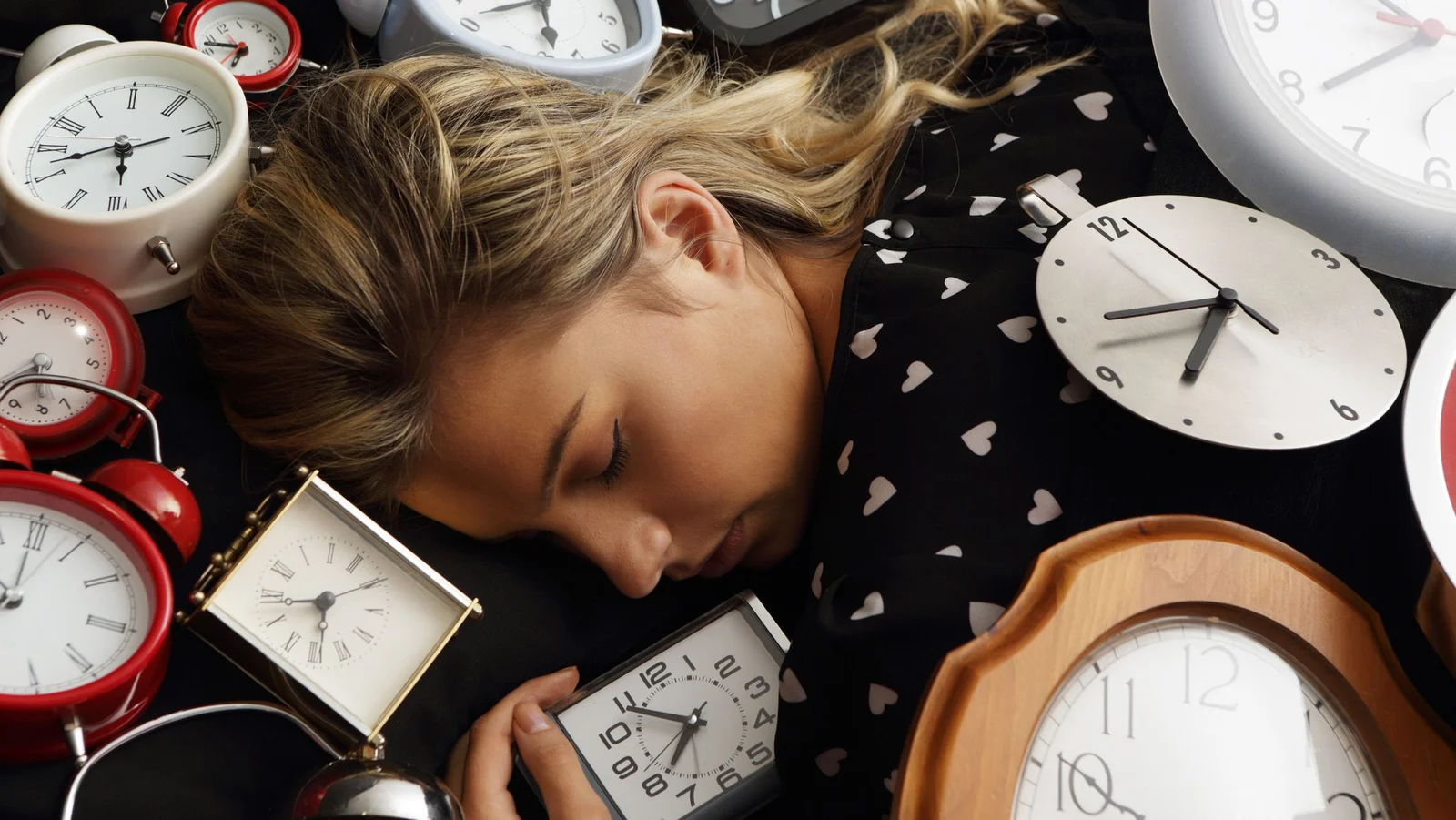
A study identified five distinct sleep profiles linked to different patterns of mood, health, and brain activity, emphasizing the need for personalized approaches to improving sleep based on individual patterns and challenges.
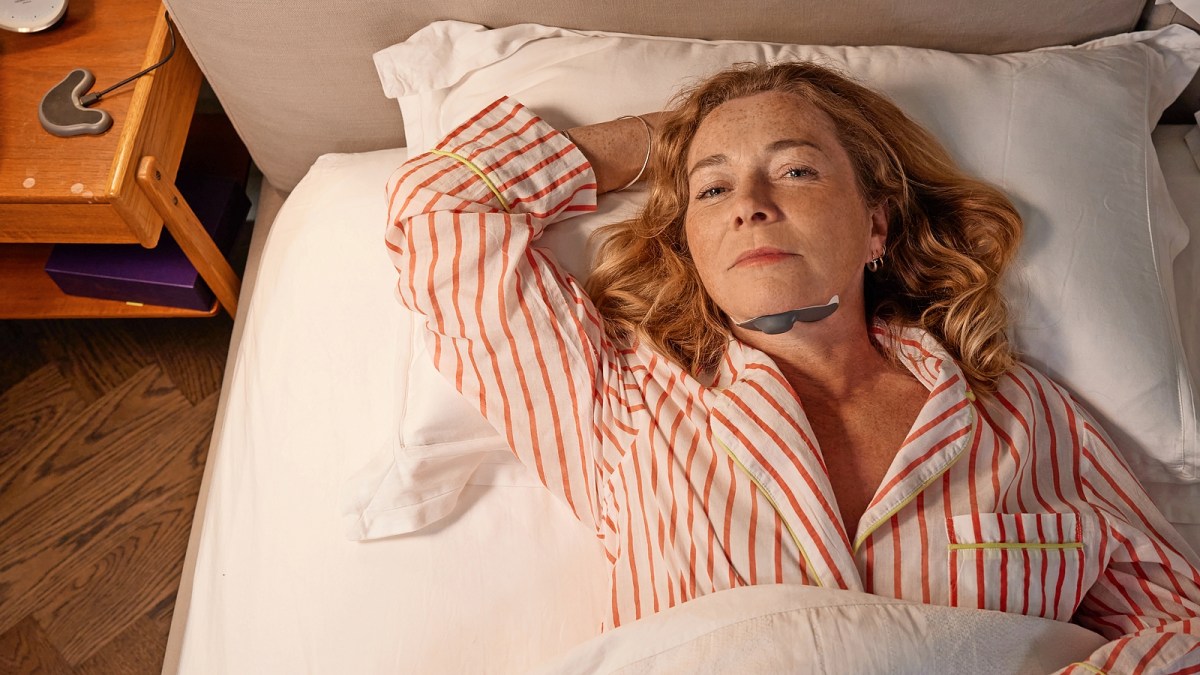
A woman explores a new wearable device called Zeus, designed to reduce snoring by electrically stimulating throat muscles, after recording her own loud snoring habits. While initial trials show promise, her personal experience with the device was mixed, but it may help some users with snoring or mild sleep apnea, offering a less intrusive alternative to traditional treatments.
A recent study suggests that chronic insomnia increases the risk of developing dementia or mild cognitive impairment by 40%, equivalent to aging the brain by an additional 3.5 years, highlighting the importance of sleep health in cognitive aging and dementia prevention.
Addressing chronic insomnia may reduce the risk of cognitive decline and brain aging, with treatments like cognitive behavioral therapy showing promise in improving sleep quality and potentially protecting brain health.
Many adults with sleep problems do not seek medical advice, despite up to 20% experiencing chronic sleep disorders; if sleep hygiene tips like limiting blue light and bedtime routines are ineffective, it may be time to consult a doctor.
The article reviews the 11 best anti-snore pillows recommended by sleep experts, highlighting their features such as support for proper head and neck alignment, materials like memory foam and latex, and technological enhancements like sensors and adjustable firmness, all aimed at reducing snoring and improving sleep quality.
A recent Chinese study suggests a causal link between gut bacteria and insomnia, indicating that gut health may influence sleep and vice versa, potentially leading to microbiome-based treatments for sleep issues in the future.
Emerging research emphasizes that beyond just sleep duration, factors like sleep consistency, timing, and quality are crucial for cardiovascular health, prompting a broader approach to sleep assessment and intervention in cardiology.
Brent Franson, creator of the 'Death Clock' app, was shocked to learn his predicted death age was 76, with Alzheimer's as a potential cause. After making significant lifestyle changes—improving sleep, diet, and exercise—he extended his life expectancy by nine years, emphasizing that sleep, diet, and exercise are crucial for longevity and reducing Alzheimer's risk.
Frequent nightmares may indicate a higher risk of cognitive decline and dementia, according to recent studies. Research suggests that middle-aged adults experiencing weekly nightmares are four times more likely to face cognitive decline, while older adults with frequent nightmares have double the risk of dementia. The studies highlight potential early signs of dementia, especially in men, and suggest that addressing sleep disturbances could aid in early diagnosis and intervention. Maintaining social connections, regular exercise, and adequate sleep are recommended to reduce dementia risk.
Jenna Gibson shares her story of surviving a stroke at 39 to raise awareness among young women. ADHD now affects 1 in 9 kids in the U.S., with experts discussing the spike. Eating more fruits and vegetables can improve sleep quality. Feeding peanut butter to babies can reduce allergies into adolescence. The U.S. Department of Veterans Affairs is providing mobile medical care to homeless veterans.
Chronic sleep struggles can increase the likelihood of experiencing suicidal thoughts, according to mental health expert Taft Parsons III, who emphasizes the complex nature of suicide and its various risk factors. Inadequate sleep negatively impacts decision-making, impulse control, and emotional regulation, increasing the risk of depression and anxiety, which can contribute to suicidal tendencies. Recognizing signs of sleep deficiency and seeking treatment is crucial, as sudden changes in sleep patterns can indicate underlying mental health issues. It's important to reach out for support and resources, as addressing sleep issues can be a step toward reducing the risk of suicide.
Daylight Saving Time for 2024 is approaching, resulting in the loss of an hour of sleep. Experts recommend actively preparing for the adjustment by gradually adjusting bedtime, prioritizing sleep, and soaking in morning sunlight. Maximizing morning light and minimizing evening light can help the body's internal clock adjust to the time change. Additionally, keeping shades and curtains open for natural morning light and eating breakfast in front of a window can aid in waking up earlier.
Many Americans struggle with sleep, leading to significant health and economic costs. Experts emphasize the importance of consistent, quality sleep for overall well-being, with recommendations for improving sleep including maintaining a regular sleep schedule, creating a comfortable sleep environment, and avoiding substances like caffeine and alcohol late in the day. Behavioral treatments, such as cognitive behavioral therapy for insomnia, are highlighted as effective interventions for poor sleep, while the upcoming daylight saving time change is associated with increased health risks and mood disturbances.
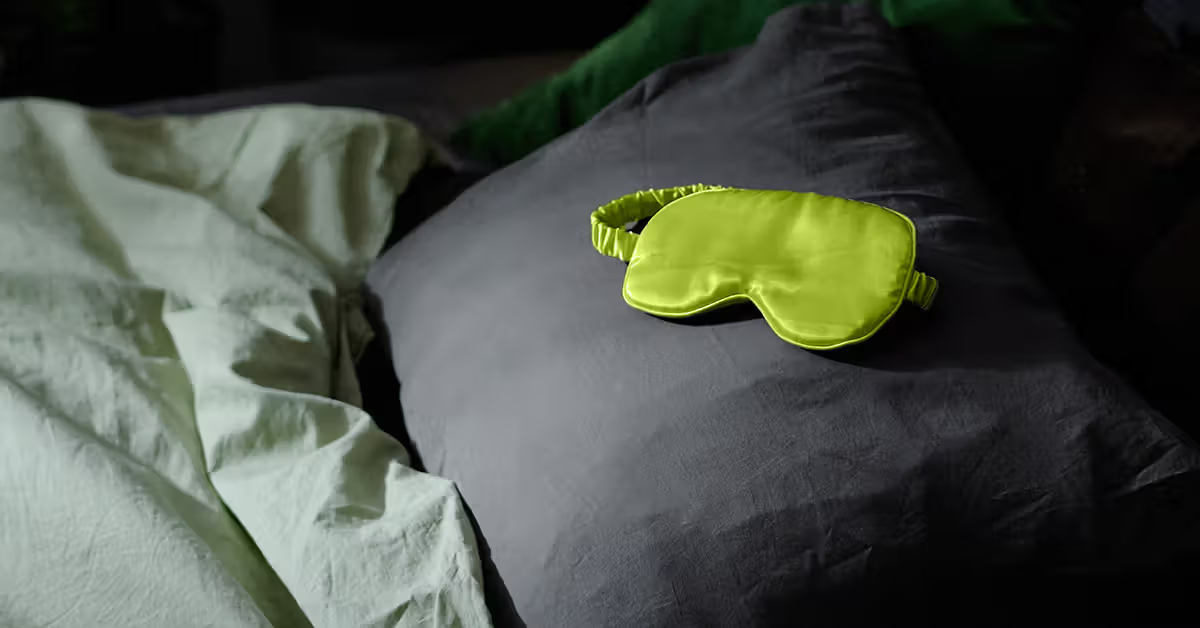
Sleep psychologist Jade Wu provides advice for improving sleep in 2024, emphasizing the importance of a consistent sleep-wake schedule, being mindful of substances that affect sleep, and getting natural light in the morning to maintain a stable circadian rhythm. Wu also recommends various sleep products to aid in establishing a better sleep environment, such as the Hatch Restore 2 Alarm Clock, eye masks, breathable bedsheets, and journaling before bed. These tips and products aim to enhance physical and cognitive functions by ensuring better quality sleep.