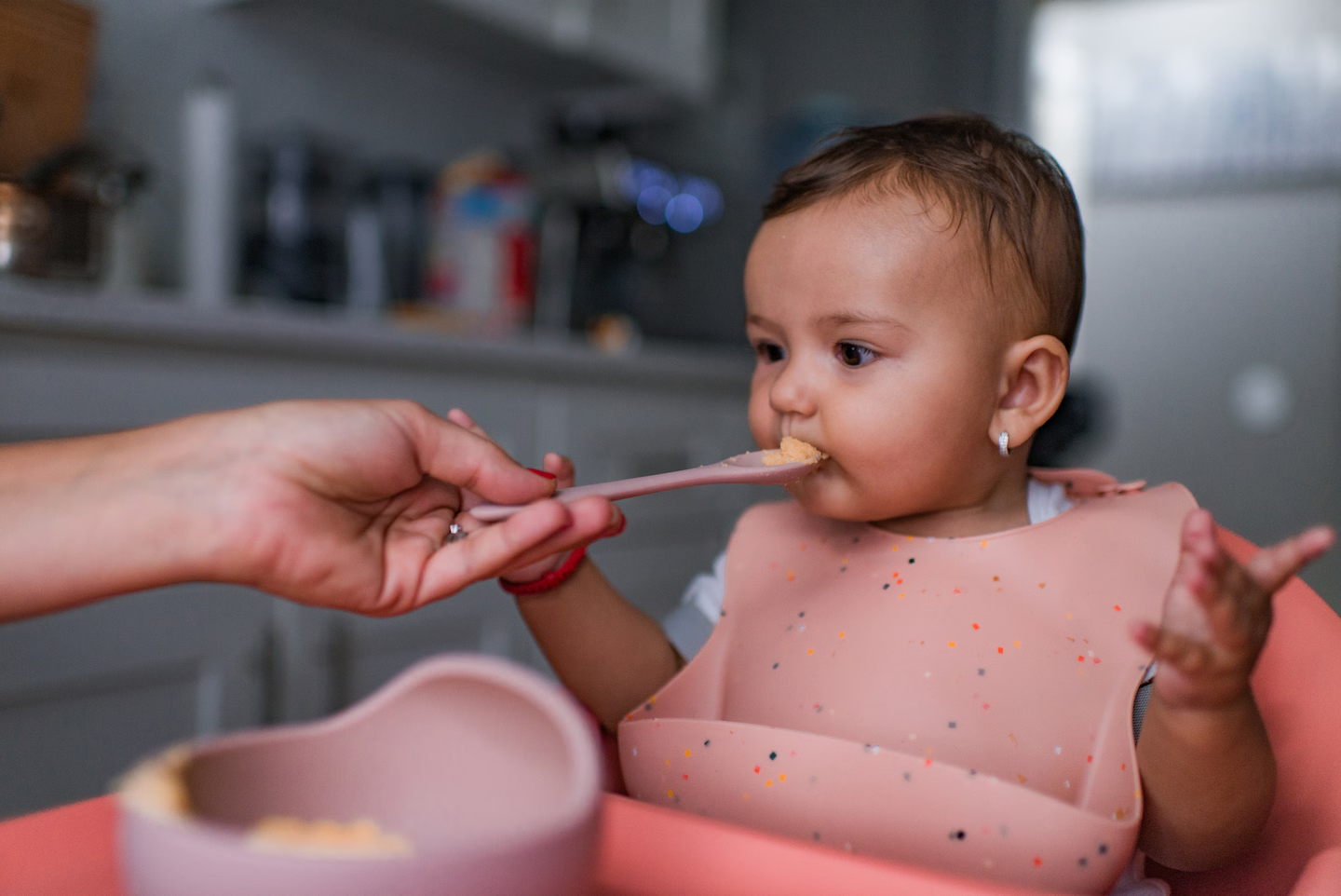
A recent study in Pediatrics found that introducing peanut products to infants can reduce the risk of developing peanut allergies by 43%, based on analysis of medical records of around 120,000 children under 3.,
A study published in Pediatrics shows a 43% decrease in childhood peanut allergies following the 2017 updated early introduction guidelines, which recommend introducing peanuts to infants around 4-6 months, supporting the effectiveness of these public health recommendations. The study analyzed medical records of about 40,000 children and found no change in egg allergy rates, with eczema rates increasing during the same period.
A study published in Pediatrics suggests that using simple tools like training videos, prompts, and handouts can help pediatricians better counsel parents on early peanut introduction, which can significantly reduce the risk of children developing peanut allergies by up to 80%. The research emphasizes the importance of early exposure, especially between 4-6 months, and highlights the need for improved adherence to guidelines to prevent the rising trend of food allergies in children.
A study published in NJEM Evidence found that infants exposed to peanut products are 71% less likely to develop peanut allergies by age 12, suggesting early introduction could offer lifelong protection. Researchers recommend starting as early as 4 months and continuing until age 5, especially for high-risk children, but advise consulting an allergist.
Jenna Gibson shares her story of surviving a stroke at 39 to raise awareness among young women. ADHD now affects 1 in 9 kids in the U.S., with experts discussing the spike. Eating more fruits and vegetables can improve sleep quality. Feeding peanut butter to babies can reduce allergies into adolescence. The U.S. Department of Veterans Affairs is providing mobile medical care to homeless veterans.
Experts recommend starting antihistamines before allergy symptoms appear, as seasonal allergies are kicking off early this spring due to global warming. Richmond is ranked as one of the top 10 most challenging places to live with seasonal allergies. Aside from taking over-the-counter medicine, experts advise avoiding pollen, wearing masks outdoors, and doing saline rinses to alleviate symptoms.
Exposing infants to peanuts between 4 and 6 months of age can potentially prevent peanut allergies, but many parents are unaware of the new guidelines and remain anxious about early introduction. Research shows that allowing babies to have small tastes of peanut-containing foods can significantly reduce the risk of developing peanut allergies. However, a survey revealed that nearly 9 in 10 parents were not aware of the recommendations. Doctors recommend introducing peanuts to children without high-risk factors, such as a history of allergic disorders, when they start eating solid foods. More efforts are needed to inform parents about the benefits and risks associated with early peanut introduction and to provide resources for pediatricians to properly educate their patients.
A new study published in the Journal of Allergy and Clinical Immunology found that introducing peanut products to babies at four to six months of age can reduce peanut allergies by up to 77% of the population. The study used data from two previous trials and advised mothers to breastfeed for at least the first six months of their baby's life and introduce peanut products within the aforementioned time window. The researchers found that targeting the entire population can yield the greatest benefits as most allergies occur without any known risk factors.