New research from OHSU shows that getting at least seven hours of sleep per night is strongly linked to longer lifespan, surpassing diet and exercise in importance, and emphasizing the need to prioritize sleep for better health and longevity.
Dr. Sanjay Bhojraj emphasizes that getting about 7.5 hours of quality sleep is crucial for optimal brain and heart health, supporting inflammation repair and overall well-being, with research suggesting that this duration is associated with the best survival rates.
Harvard biologist Daniel Lieberman criticizes the traditional 8-hour sleep rule, citing evidence that 6-7 hours is more typical and healthier for most adults, with the optimal range being around seven hours based on evolutionary and epidemiological data. Experts emphasize flexibility and quality over rigid targets, highlighting a U-shaped risk curve where both too little and too much sleep are associated with health risks.
A large UK study found that irregular sleep patterns and disrupted circadian rhythms significantly increase the risk of over 170 diseases, emphasizing the importance of consistent sleep routines over just sleep duration for long-term health.
A recent article challenges the strict adherence to common health benchmarks like 10,000 steps, 7-9 hours of sleep, and 1.5-2 liters of water, suggesting that there is some flexibility and individual variation in these targets. Experts emphasize listening to your body and incorporating healthy habits into daily life rather than obsessing over specific numbers, highlighting that moderation and personalized approaches are key to long-term health.
Recent studies show that sleeping more than nine hours per night may be associated with a higher risk of death and health problems, but this link may be due to underlying health issues rather than sleep duration itself. The recommended sleep for most adults is seven to nine hours, with quality and consistency being crucial for overall health. Addressing sleep habits and consulting healthcare providers if sleep patterns change significantly are advised.
Emerging research emphasizes that beyond just sleep duration, factors like sleep consistency, timing, and quality are crucial for cardiovascular health, prompting a broader approach to sleep assessment and intervention in cardiology.
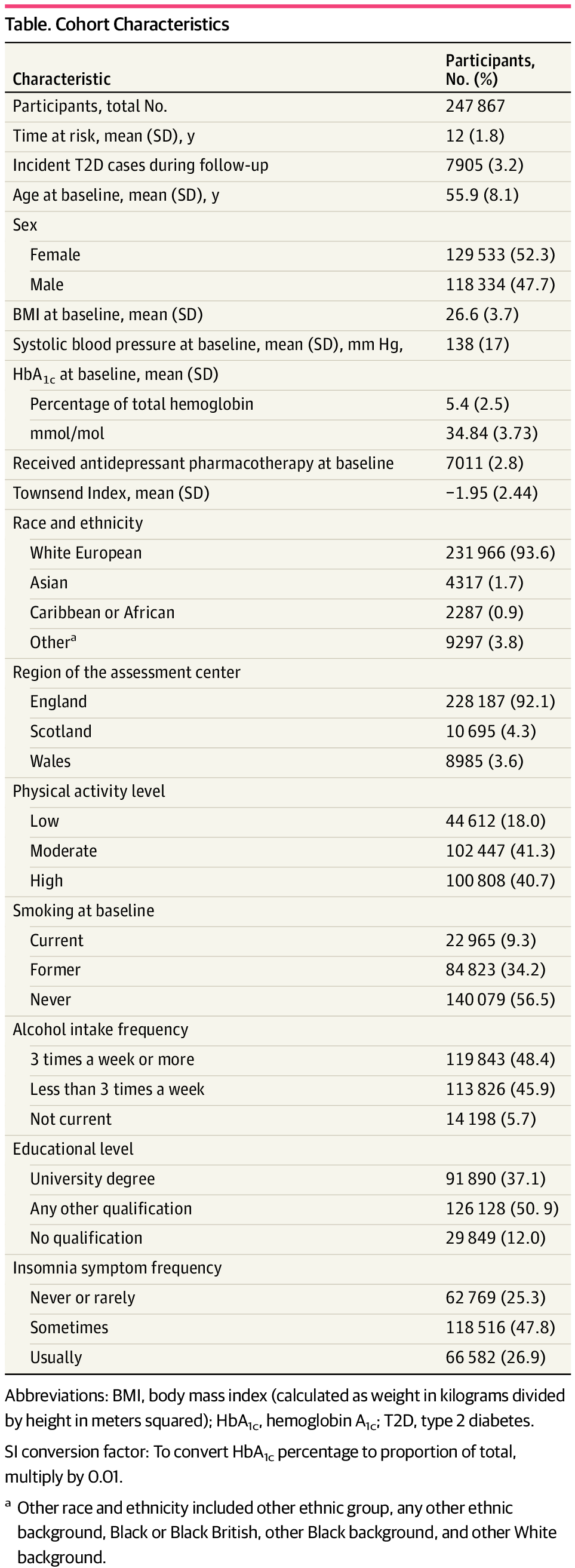
A cohort study of 247,867 adults from the UK Biobank found that habitual short sleep duration, particularly less than 6 hours daily, was associated with a higher risk of developing type 2 diabetes (T2D) even among those with healthy dietary habits. While adherence to a healthy diet was linked to reduced T2D risk, the increased risk associated with short sleep duration persisted. The study highlights the importance of understanding the interplay between sleep duration, dietary habits, and T2D risk for public health and diabetes prevention strategies.
Experts suggest that Americans should stop stressing about getting a perfect eight hours of sleep, as consciously focusing on falling asleep may impede the process. The Centers for Disease Control and Prevention (CDC) found that more than a third of Americans do not achieve the recommended seven to nine hours of sleep per night. The ideal amount of sleep required each night can vary between individuals due to genetic factors and other reasons. Stressing about the eight-hour sleep goal may actually result in a drop in sleep quality and duration. The National Institutes of Health (NIH) and the American Heart Association (AHA) have concluded that a lack of sleep can correspond with higher rates of heart attack, stroke, and other diseases. Experts emphasize that patterns and routines are more important than the magic eight-hour number, and it is essential to relax and not put excessive pressure on oneself to achieve a specific sleep duration.
Experts advise Americans to stop fixating on achieving a perfect eight hours of sleep, as stressing about the magic number may actually hinder sleep quality and duration. The Centers for Disease Control and Prevention (CDC) reports that over a third of Americans fail to meet the recommended seven to nine hours of sleep per night. Sleep needs can vary due to genetic factors, and it is important to tailor recommendations on an individual basis. Lack of sleep has been linked to increased risks of heart attack, stroke, and other diseases. Experts emphasize the importance of relaxation, patterns, and routines for quality sleep, while acknowledging the need for flexibility in certain situations. The pressure to achieve a specific sleep duration is counterproductive, and humans have been able to sleep well before the advent of drugs and technology.
A new study published in the Journal of Sleep Research suggests that parent-set bedtimes have a significant impact on maintaining healthy sleep patterns in early adolescence. The research found that adolescents with consistent bedtime rules slept about 20 minutes longer than those without set rules. The study also revealed that some parents successfully reintroduced bedtime rules during adolescence, challenging the belief that teenagers won't accept the return of such rules. The findings highlight the importance of maintaining and reintroducing bedtime rules to promote healthier sleep habits among teenagers.
A Harvard University professor, Dr. Daniel Lieberman, claims that the widely accepted notion of needing eight hours of sleep per night is a myth. He argues that people actually perform better with seven hours of sleep, citing populations without modern technology as evidence. Recent research supports this theory, with studies showing that cognitive difficulties and symptoms of depression and anxiety are associated with both more and less than seven hours of sleep. While the Centers for Disease Control and Prevention recommends seven to nine hours of sleep for adults, Dr. Lieberman suggests that seven hours is optimal for most people. However, certain populations may have varying sleep schedules, and maintaining a consistent sleep routine is important for a restful night's sleep.
A study of over 90,000 adults has found that physical activity can counteract some of the negative effects of sleeping too little or too long. The research used accelerometer devices to measure sleep duration and physical activity, providing more accurate data compared to self-reporting. Increased physical activity levels reduced mortality risks associated with short or long sleep duration. Sufficient exercise may partially offset the negative impact of unhealthy sleep durations, emphasizing the importance of promoting both physical activity and healthy sleep for preventing premature death in middle-aged and older adults.
Sleeping more than nine hours per night doubles the risk of suffering a stroke, according to a study by researchers at the University of Galway, Ireland. The study analysed data from 5,000 people, half of whom had already suffered a stroke. Participants who slept less than five hours per night were three times more likely to suffer a stroke. The study was observational, meaning it could not prove whether too much or too little sleep was making a stroke more likely.
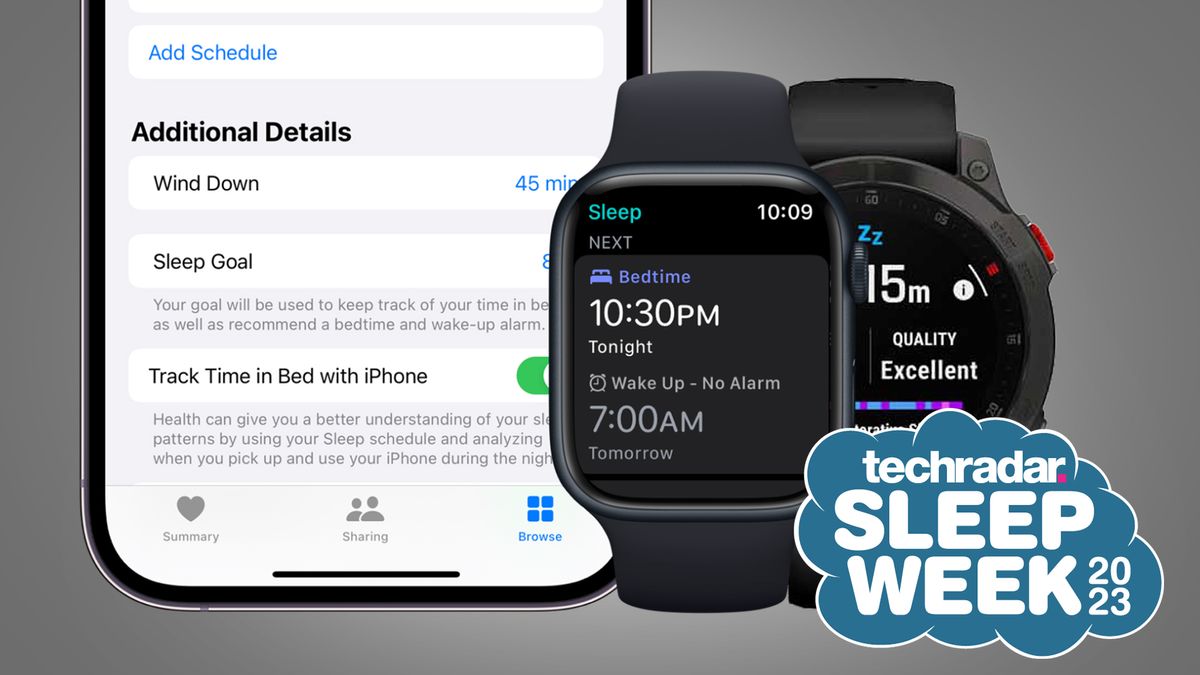
Garmin and Apple have released studies on sleep tracking, showing that around 70% of participants are not getting enough sleep. Garmin's Sleep Score study found that 69% of participants achieved a poor or fair score, while Apple's study showed that 68.8% of participants did not get the recommended seven hours of sleep per night. The studies also revealed geographical and age variances in sleep quality. Both studies recommend establishing a consistent sleep routine and using sleep-tracking features on smartwatches to improve sleep.