
health-and-technology1.375 min read
Neuralink's Dual Goals: Medical Aid or AI Warfare?
1 month ago•Source: statnews.com

The latest health and technology stories, summarized by AI

Recent research indicates that moderate, structured gaming can enhance cognitive functions such as attention, multitasking, and learning, with benefits most notable during short, varied sessions. Excessive gaming, however, may diminish these benefits, emphasizing the importance of moderation and diversity in gaming habits.

The Washington Post•2 months ago
The New York Times•4 months ago
The article discusses the growing concern of screen addiction across all ages, especially among the elderly, comparing it to past media concerns like TV, and highlighting how modern devices and algorithms are designed to be highly addictive, impacting mental health, socialization, and lifestyle. It emphasizes the need for balance, conscious usage, and leading by example to mitigate these effects.

The article discusses the risks of bias, hallucinations, and opacity in AI systems used in health research, highlighting how these issues threaten the reliability and trustworthiness of medical data and findings, and proposing solutions like transparency and better oversight to mitigate these risks.
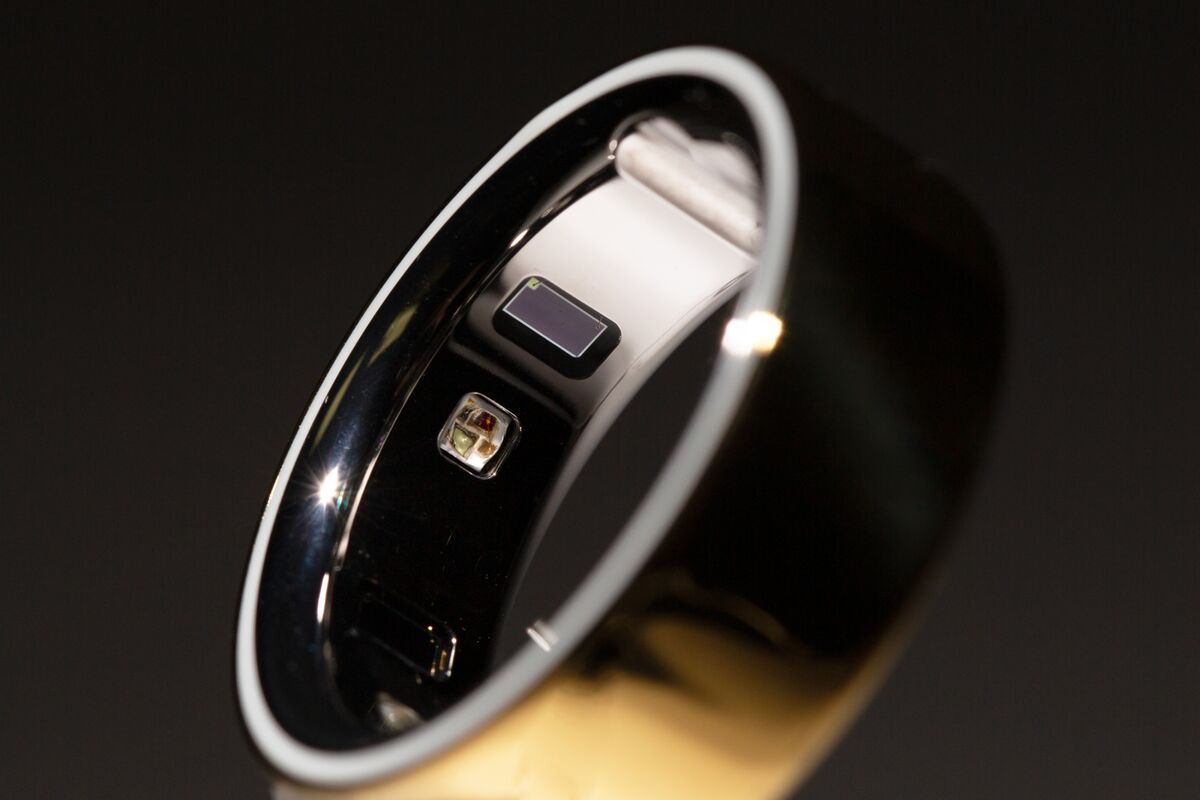
Oura Health plans to launch a study to develop a non-cuff blood pressure monitoring feature for its smart ring, aiming to detect early signs of hypertension passively and seeking FDA clearance, as part of a broader trend of integrating medical-grade health tracking into consumer wearables.
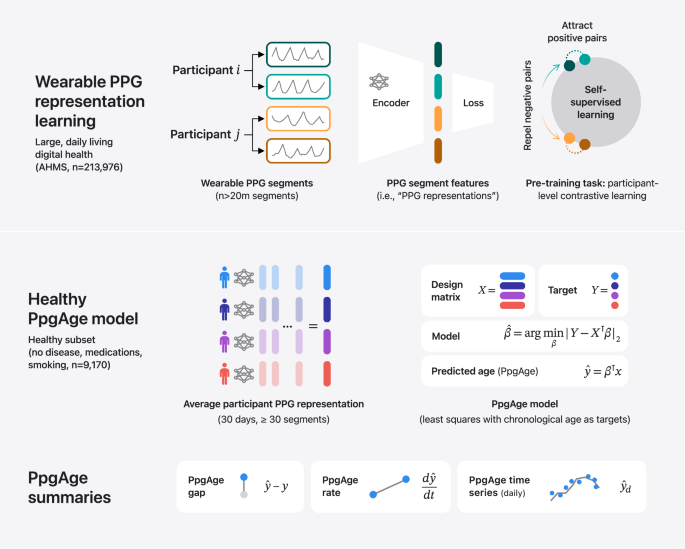
A wearable-based aging clock called PpgAge, developed using PPG data from Apple Watch, accurately predicts chronological age, associates with disease and behavior, and detects physiological changes, offering a scalable tool for longevity research and clinical practice.

A survey shows that more young adults under 45 are using TV and movie subtitles, mainly for multitasking, better understanding in noisy environments, or due to audio issues, with cultural and technological factors influencing this trend.
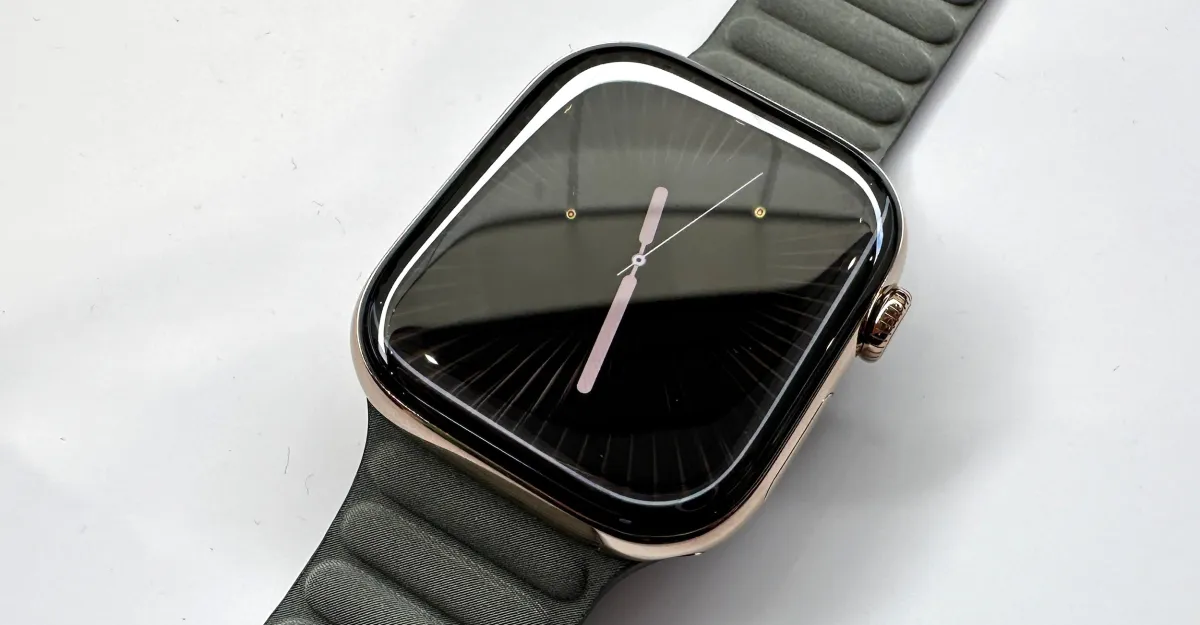
Apple's new hypertension alert feature, cleared by the FDA, will be available on Watch Series 9, Ultra 2, and later models with watchOS 26 starting September 15, using optical heart sensor data to monitor blood pressure over 30 days and notify users of high blood pressure signs in over 150 countries.
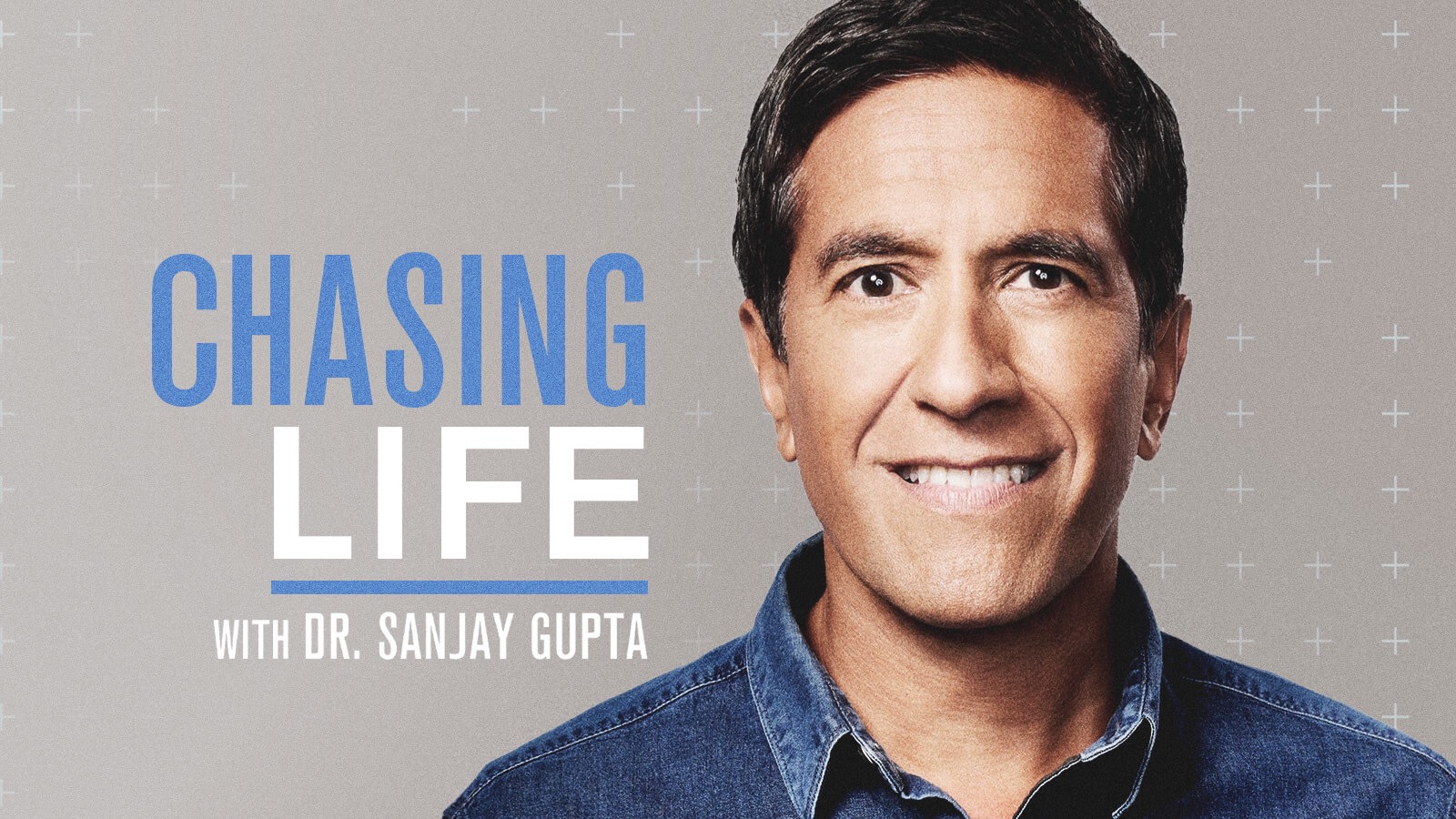
The podcast discusses how AI is being used to analyze voices for detecting diseases like cancer, Parkinson's, and Alzheimer's, highlighting the potential of voice as a non-invasive biomarker for health assessment and diagnosis, with future applications in telehealth and everyday health monitoring.
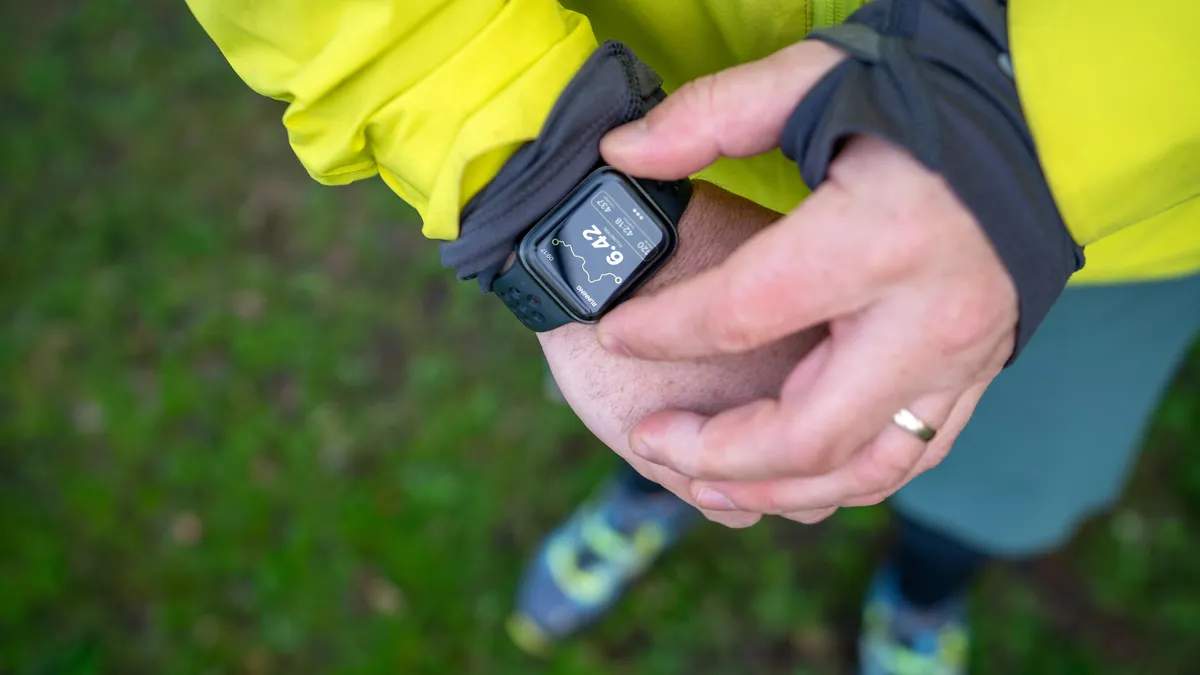
A study from Leiden University found that stress and fatigue readings from smartwatches like Garmin Vivosmart 4 are often inaccurate, with sleep tracking being relatively more reliable, highlighting limitations in current wearable sensor technology.
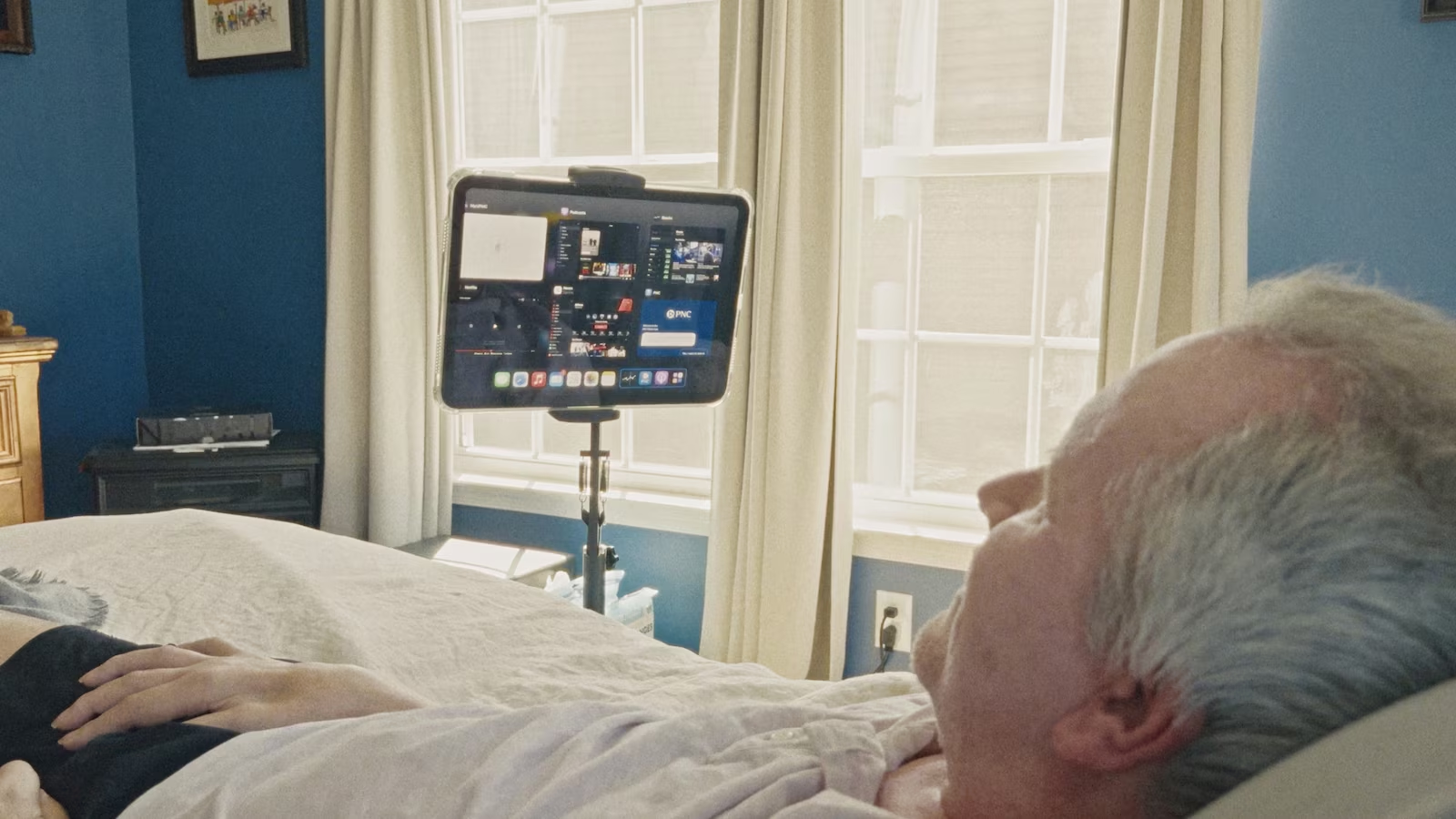
A 65-year-old ALS patient, Mark Jackson, has become the first person to control an iPad solely by thought using an implantable brain-computer interface developed by Synchron, restoring independence in communication and device control. The technology translates brain signals into actions, offering new hope for those with motor impairments, though long-term effects and ethical concerns remain to be addressed.

Older adults like 75-year-old Jill Smola are turning to AI-powered chatbots such as ElliQ for companionship, especially as they face loneliness and limited human interaction. While these chatbots provide meaningful connection and entertainment, experts caution about potential risks of increased isolation if not used responsibly.