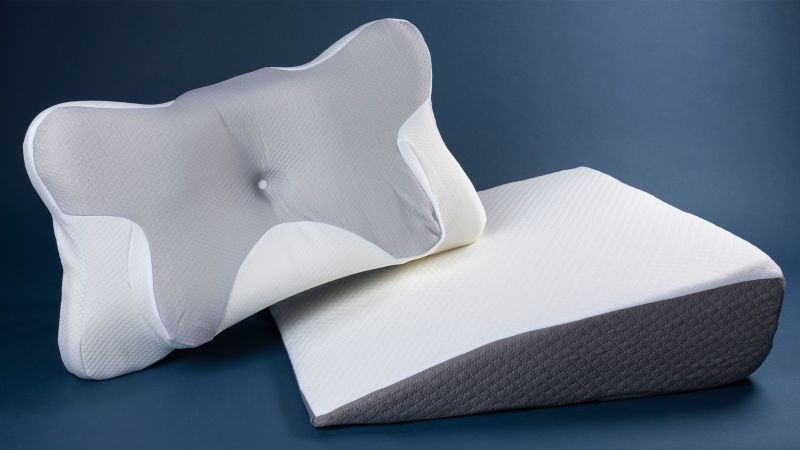
The article reviews the 11 best anti-snore pillows recommended by sleep experts, highlighting their features such as support for proper head and neck alignment, materials like memory foam and latex, and technological enhancements like sensors and adjustable firmness, all aimed at reducing snoring and improving sleep quality.
Sleep experts emphasize the importance of morning behaviors in regulating the circadian rhythm and promoting quality sleep. Avoid lingering in bed, get sunlight exposure, and engage in light exercise to signal the start of the day. Consistent wake-up times and avoiding sleeping in, even on weekends, are crucial for maintaining a strong biological clock. Making the bed serves as a symbolic and practical deterrent against daytime napping, ultimately contributing to better sleep quality.
As daylight saving time comes to an end on November 5th, sleep experts warn of potential disruptions to our health due to the time change. Losing an hour of sleep in the spring has been linked to increased risks of motor vehicle accidents, heart attacks, cardiovascular disease, and depression. To combat these disruptions, experts recommend making incremental changes to sleep times and routines in the weeks leading up to the time change. Spending time in the sun can also help regulate our internal clocks. While some advocate for year-round standard time for better health outcomes, others argue that leisure activities benefit from daylight saving time. Legislation has been proposed to make daylight saving time permanent across the U.S., but it has not yet been passed.