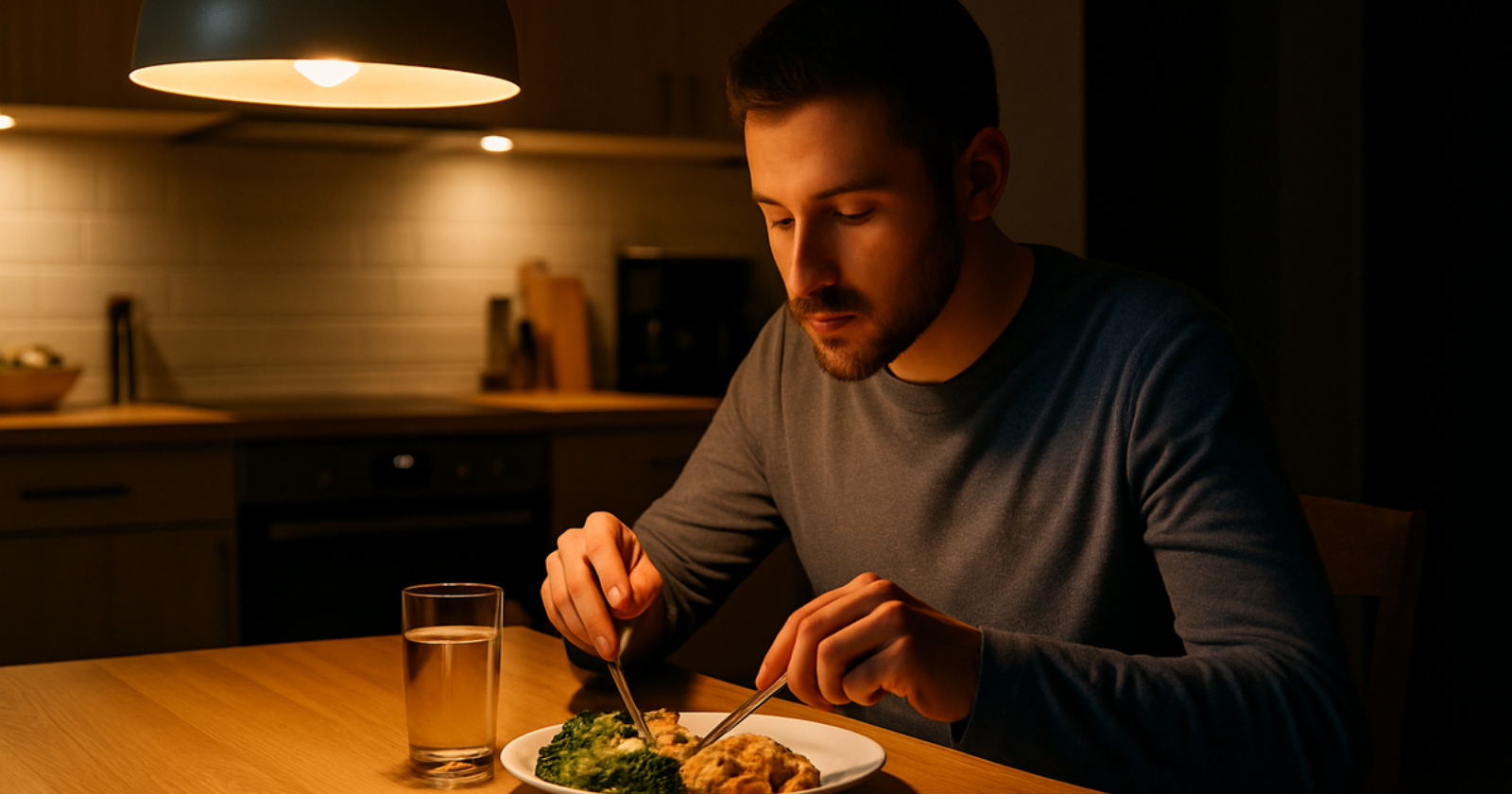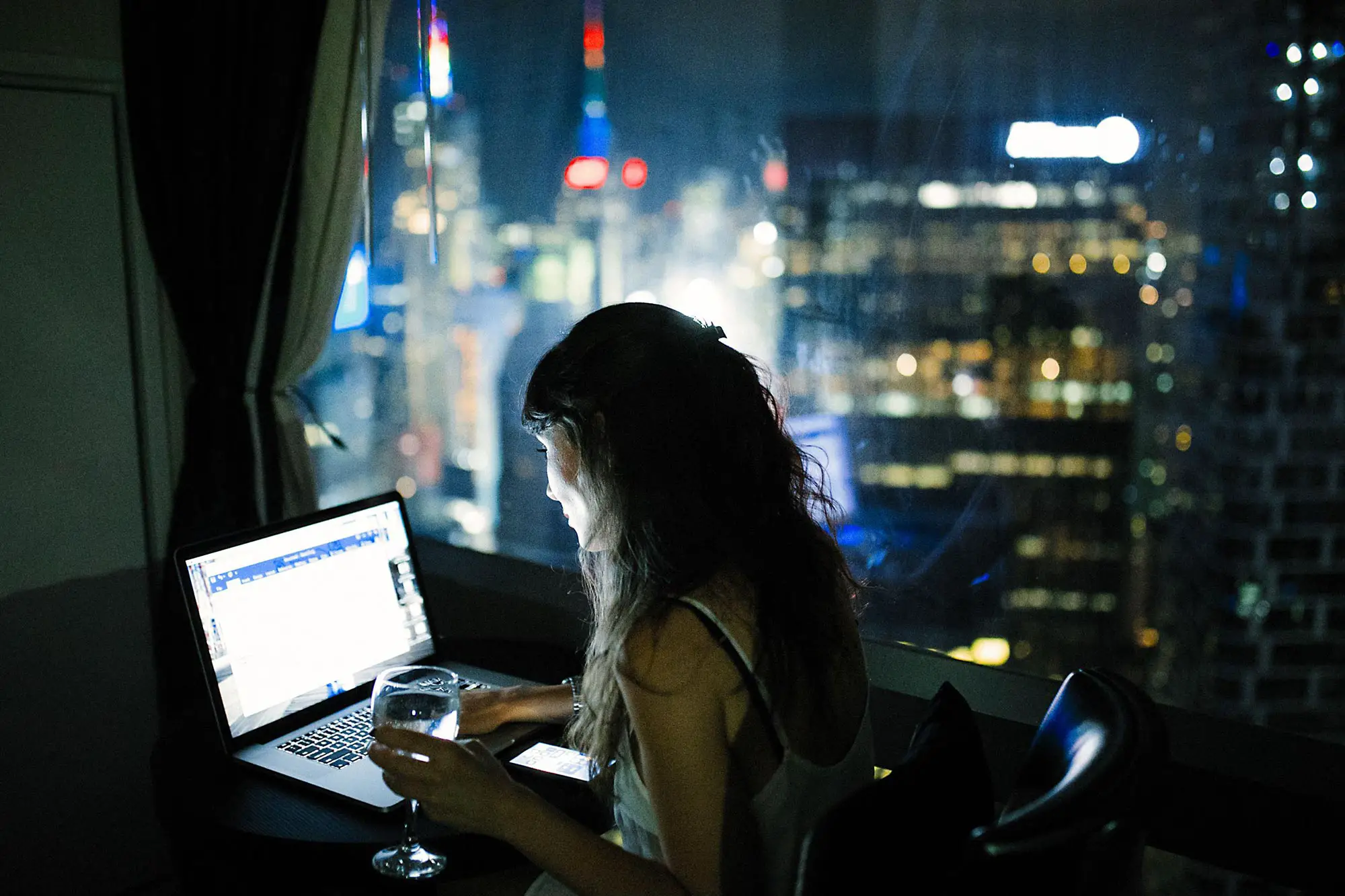
People who eat dinner after 9 p.m. often do so due to their biological and social rhythms, not laziness, with traits like being night-owls, prioritizing deep work and social connections, and adapting to cultural norms. Recognizing these patterns can lead to more compassionate and effective approaches to late-night eating, emphasizing alignment with one's natural clock and environment.
A study finds that night owls experience faster cognitive decline than early birds, partly due to poorer sleep quality, with implications for long-term brain health and dementia risk, especially among highly educated individuals who often have to adapt to early work schedules.
A study by Imperial College London found that "night owls" tend to score higher on cognitive tests than "morning larks," with optimal brain function linked to 7-9 hours of sleep per night. The research, involving over 26,000 participants, suggests that aligning sleep habits with natural preferences can enhance cognitive performance, emphasizing the importance of sleep duration and quality.
A Stanford study of nearly 75,000 adults found that late bedtimes harm mental health regardless of whether individuals are naturally morning or night types. Both groups showed higher rates of mental disorders when staying up late, suggesting that everyone benefits from going to bed before 1 a.m.
A new study suggests that taking blood pressure medication at times aligned with one's chronotype may reduce the risk of heart attacks. Researchers found that night owls benefit from evening doses, while early birds should take their meds in the morning. The study, involving over 5,300 participants, indicates that personalized chronotherapy could be a significant advancement in hypertension treatment, though further trials are needed to confirm these findings.
A study led by Massachusetts General Hospital and collaborators has found that individuals with anorexia nervosa are more likely to be early risers, a trait contrasting with other mental disorders that are linked to evening chronotypes. Utilizing genetic analysis, the researchers identified a bidirectional association between anorexia nervosa and morning chronotype genes, as well as a connection with increased insomnia risk. These insights could inform new circadian-based prevention and treatment strategies for anorexia nervosa, which has a high mortality rate among psychiatric disorders.
A study by Massachusetts General Hospital published in JAMA Network Open suggests a two-way genetic link between being a morning person and an increased risk of anorexia nervosa. The research indicates that early risers are more likely to develop anorexia, and those with the disorder tend to have disturbed sleep patterns, including insomnia but not necessarily altered sleep duration or daytime napping. This connection may inform future circadian-based therapies for the prevention and treatment of anorexia, which affects millions annually and is particularly prevalent among young women.
Understanding and aligning tasks with your personal circadian rhythm, or chronotype, can optimize mental performance. People perform best on challenging tasks when they are synchronized with their circadian peaks. This synchrony effect affects attention, memory, problem-solving, decision-making, and analytical thinking. Synchrony also has implications for academic success, cognitive disorder assessments, and clinical trials. By considering synchrony, individuals can improve their outcomes and gain a competitive edge.
A study from Brigham and Women's Hospital reveals that individuals who identify as night owls and have later sleep and wake times are at a higher risk of developing diabetes. The research, conducted on 63,676 female nurses, found that evening chronotype was associated with a 19% increased risk of diabetes after accounting for lifestyle factors. Those with evening chronotypes were more likely to engage in unhealthy behaviors such as excessive alcohol consumption, poor diet quality, smoking, and inadequate sleep. The study suggests that personalized work scheduling and tailored prevention strategies may be beneficial in reducing diabetes risk for night owls.
A new study published in Economics and Human Biology has found a connection between people's natural sleep patterns, known as chronotypes, and their wages. Individuals who have a preference for staying up late, known as evening types or "owls," tend to have poorer health habits, including sleep habits, which in turn is associated with reduced wages. The study suggests that an individual's chronotype can influence their accumulation of human capital, social capital, and health capital, ultimately impacting their productivity and wages. However, the study only shows an indirect association and cannot prove causation. Further research is needed to understand the causal mechanisms between chronotype, work productivity, and health outcomes.
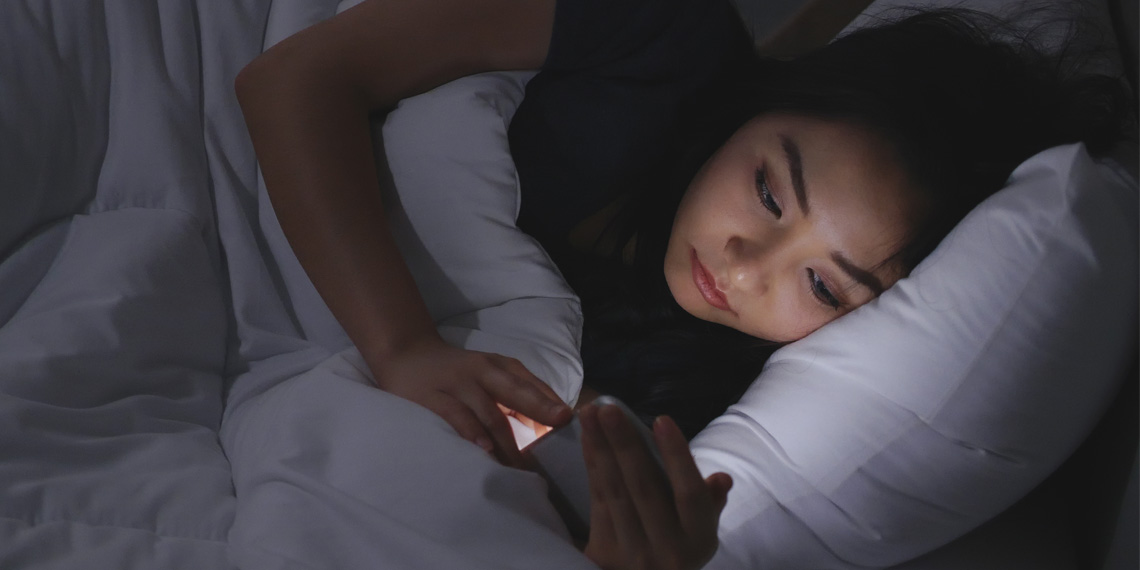
A study published in the Journal of Affective Disorders found that screen use before sleep among adolescents is linked to emotional problems. The study focused on the impact of chronotype (biological clock timing) and social jetlag (misalignment between biological and social rhythms). Adolescents who used screens before sleep had a later chronotype and experienced greater social jetlag, putting them at a higher risk of emotional difficulties. Disruption of circadian rhythms was identified as a key factor connecting screen exposure to psychopathology. The study highlights the importance of promoting healthier screen habits and considering adolescents' natural sleep patterns to support their emotional well-being.
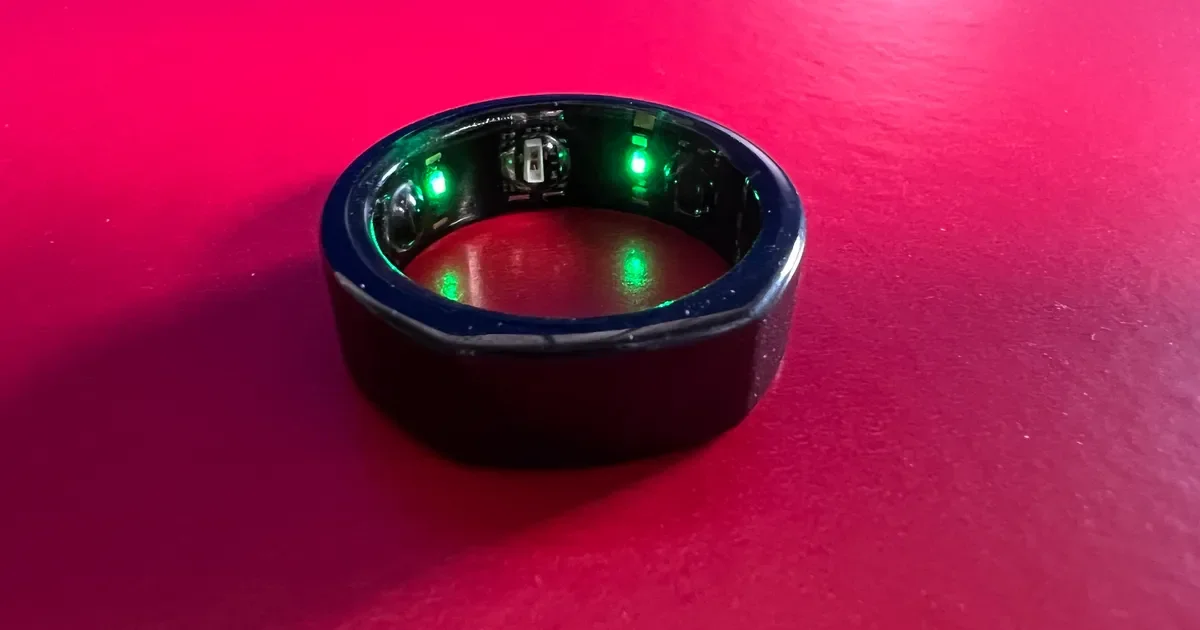
Oura Ring, a smart ring that tracks sleep, has added new features to its sleep-tracking capabilities, including the ability to determine whether someone is a morning person or a night owl and adjust their sleep schedule accordingly. The app will include a description of the user's chronotype along with an optimal sleep schedule. Other new metrics include Sleep Regularity, an expanded version of Sleep Scores, and a new "fair" rating for sleep quality. The updates come amid a growing focus on sleep as a wellness metric in wearable tech.