A study reveals that PTSD has different biological roots in men and women, with men showing deficits in stress-regulating lipids and women exhibiting heightened systemic inflammation, suggesting the need for sex-specific treatments.
A study suggests microplastics may contribute to heart disease, with male mice showing increased artery plaque buildup, indicating potential sex-specific vulnerability and raising concerns about microplastics' health impacts on humans.
Research from McGill University shows that nerve injuries can cause widespread immune changes throughout the body, with different responses observed between males and females, potentially influencing chronic pain and other health issues.
A study suggests that an X-linked gene called KDM6A, which is more active in women, may contribute to higher rates of multiple sclerosis in women by promoting brain inflammation. Deleting this gene in female mice reduced symptoms, and the drug metformin showed potential in calming inflammation, indicating sex-specific treatment possibilities.
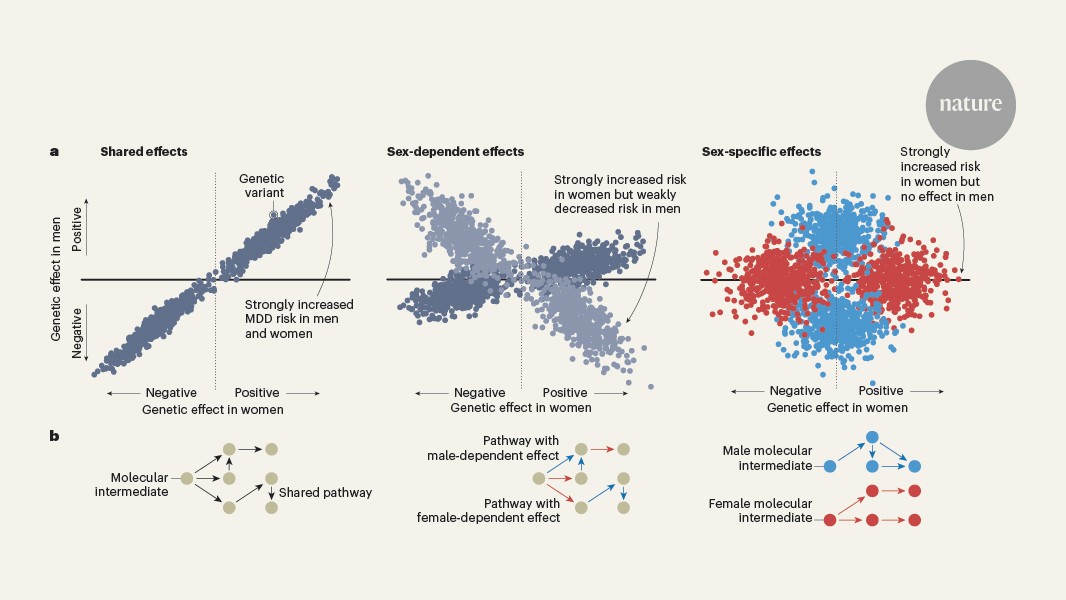
A large genetics study reveals women have more genetic risk variants for major depressive disorder than men, with stronger links to metabolic traits, helping to understand sex-specific aspects of depression and guiding future treatments.
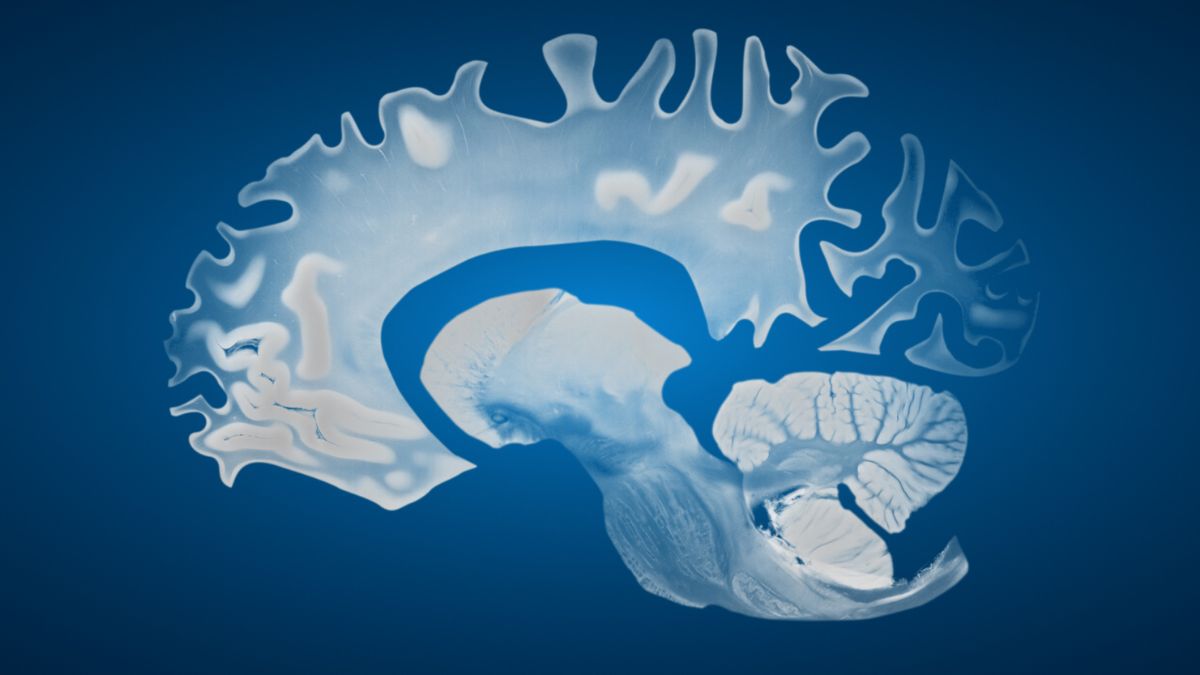
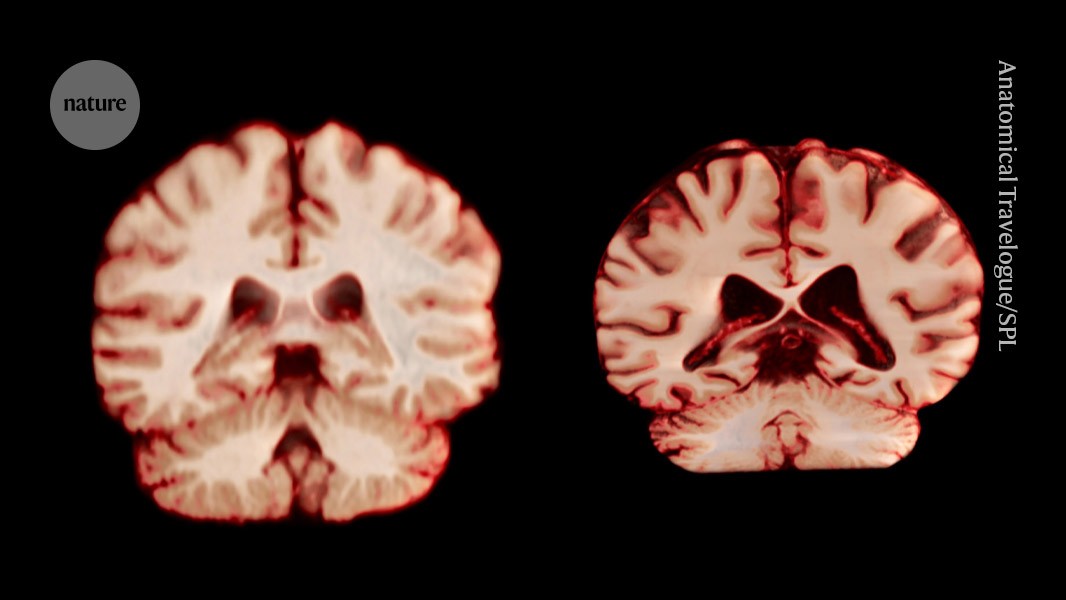
A study analyzing over 12,000 brain scans found that male brains tend to shrink faster than female brains with age, with men showing more decline in various brain regions, though women may experience faster hippocampal decline later in life. The research highlights significant sex differences in brain aging, emphasizing the need for more gender-focused studies in neuroscience.
A large MRI study found that men's brains shrink faster than women's during aging, suggesting that age-related brain volume loss does not explain why women are more frequently diagnosed with Alzheimer's disease, prompting further research into other factors like susceptibility and survival differences.
Research shows that female animals generally live longer than males, with patterns varying across species and environments. In mammals, females tend to outlive males due to genetic and reproductive factors, especially in the wild, while in birds, males often have the longevity advantage, possibly due to reproductive costs borne by females. These differences are influenced by genetics, sexual selection, and ecological pressures, and are not universal but context-dependent.
A comprehensive study suggests that female mammals generally live longer than males due to factors like sexual behavior and genetic differences, with variations observed across species and environments, highlighting complex evolutionary and reproductive influences on longevity.
Research from UT Health San Antonio suggests that ketogenic diets may cause harmful cellular changes in male mice but not females, with estrogen providing protective effects, highlighting potential sex-specific responses to the diet.
A large study found that sex influences the course and characteristics of schizophrenia and bipolar disorder, with women starting treatment later and men exhibiting higher substance use; bipolar patients generally perform better cognitively, especially women, highlighting the need for sex-specific treatment approaches.
A study on rats shows that acute stress causes anxiety, especially in males, while chronic stress leads to depression and affects blood-brain barrier proteins differently based on sex, highlighting the need for tailored mental health treatments.
The study reveals that female kidney tissues are resistant to ferroptosis and acute kidney injury due to the protective effects of oestradiol, which acts through non-genomic antioxidant mechanisms and ESR1-dependent pathways, while male tissues are more susceptible due to higher ether lipid plasticity and lower hydropersulfide levels.
Blood pressure readings can be skewed by arm shape and cuff size, with automated measurements often underestimating systolic BP, especially in women and with larger cuffs, potentially leading to misdiagnosis and undertreatment of hypertension.
Research reveals that a specific brain circuit in mice, influenced by hormones like oxytocin and ovarian hormones, governs sex-specific mating behaviors, promoting receptivity in females during estrus and reducing interest in males, with the same neurons having opposite effects in males, highlighting how hormonal states and sex shape social and sexual behaviors.